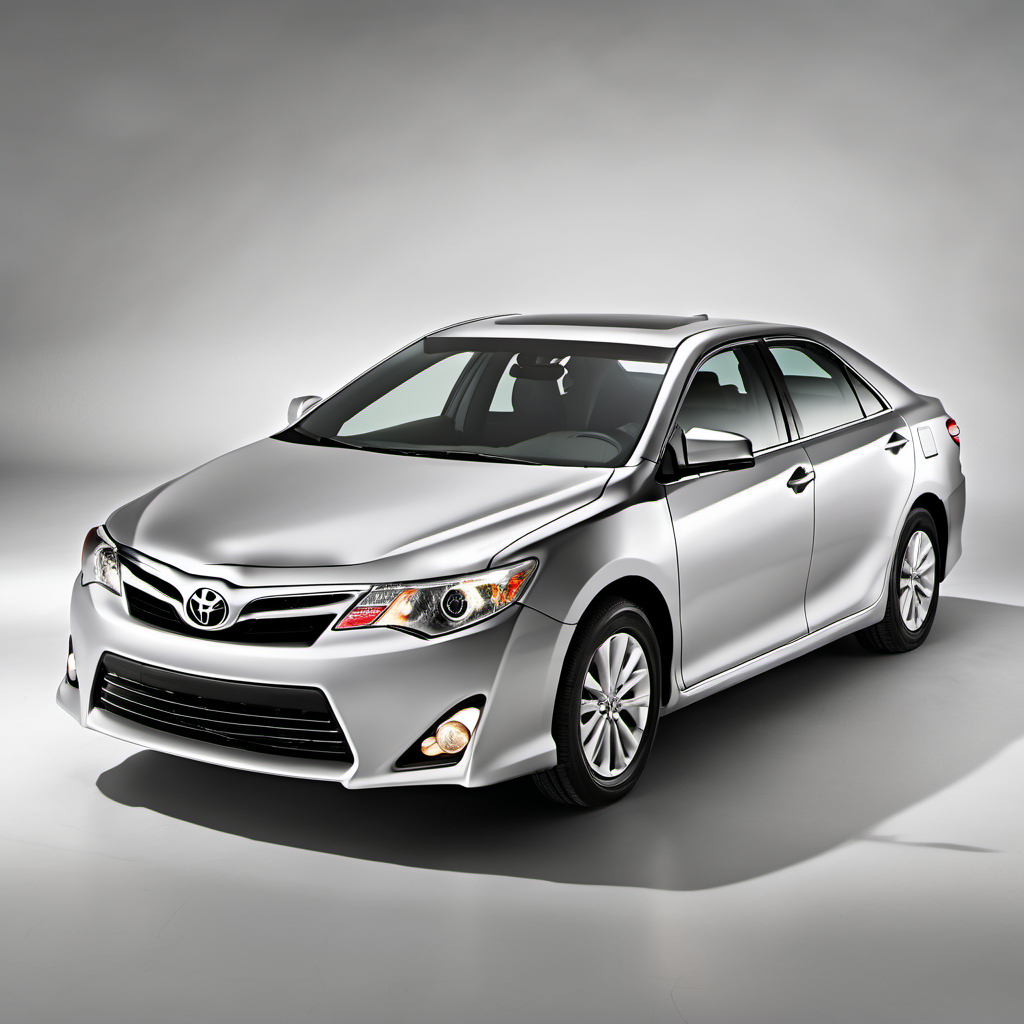
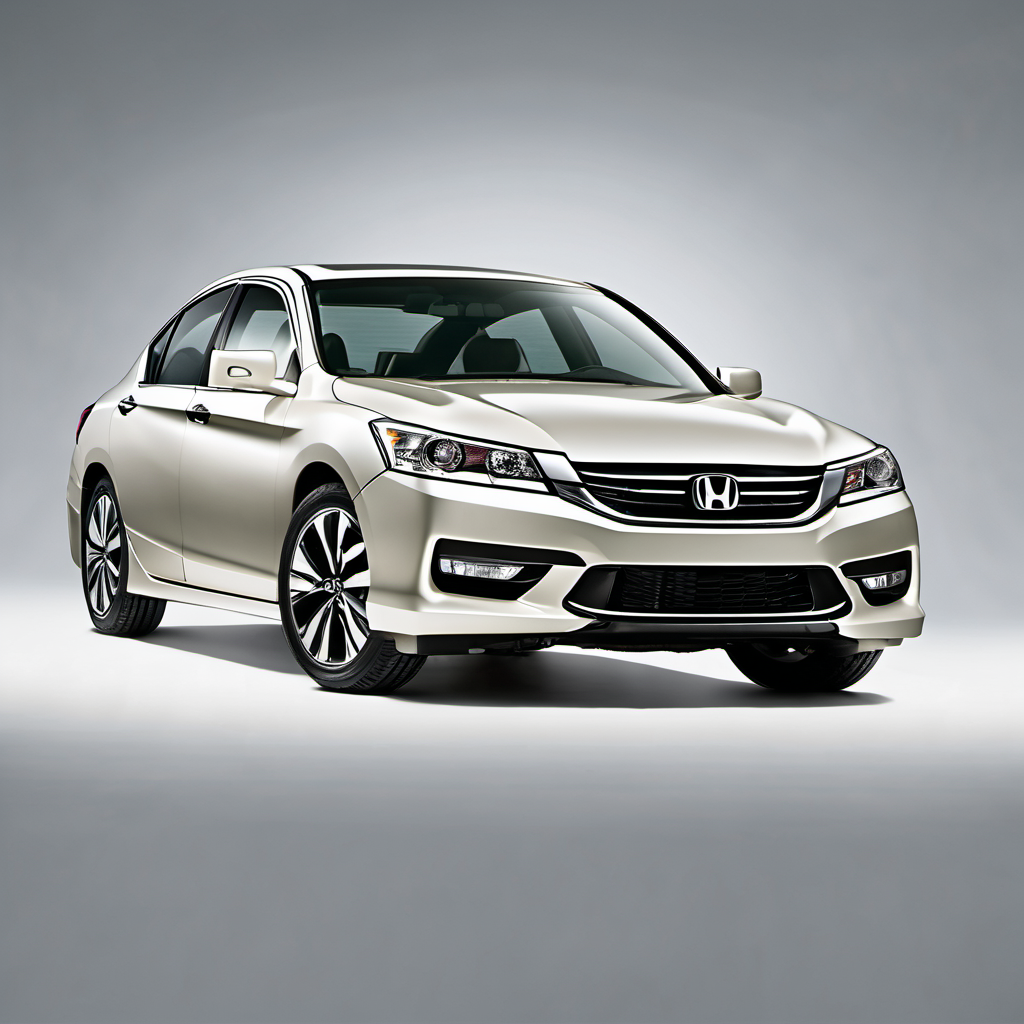
2014 Toyota Camry Sedan

2014 Toyota

CamrySedan

2.5L I4 (2AR-FE) · Sedan

The 2014 Toyota Camry is the seventh-generation version of America's best-selling car for over a decade. It rides on Toyota's K platform and offers a choice of a 2.5L four-cylinder or a 3.5L V6, both paired with a smooth six-speed automatic. The Camry hits a sweet spot of reliability, comfort, and low running costs that makes it a sensible choice for daily commuters and families alike. By 2014 the seventh-gen Camry had been on the road for three years, meaning any early teething issues had been addressed and used examples benefit from well-understood maintenance needs. Resale value is strong, parts are everywhere, and nearly every independent shop can service it — keeping repair costs competitive. For Lake Geneva drivers, the Camry is a capable four-season car. The standard front-wheel-drive layout handles Wisconsin winters adequately with good all-season or dedicated winter tires, and Toyota's reputation for cold-start reliability is well earned.

Reliability
4/5
Verified data
Specs shown for Camry — the most common configuration. Other trims may vary in engine, drivetrain, or fuel economy. Sign in to see your vehicle's exact specs.
Engine
[object Object]
Drivetrain
FWD
Fuel
Gasoline
MPG
25 city / 35 hwy / 28 combined
Seats
5
Doors
4
Body
Sedan
MSRP
$23,070

Overview

AI-curated

The 2014 Toyota Camry is the seventh-generation version of America's best-selling car for over a decade. It rides on Toyota's K platform and offers a choice of a 2.5L four-cylinder or a 3.5L V6, both paired with a smooth six-speed automatic. The Camry hits a sweet spot of reliability, comfort, and low running costs that makes it a sensible choice for daily commuters and families alike. By 2014 the seventh-gen Camry had been on the road for three years, meaning any early teething issues had been addressed and used examples benefit from well-understood maintenance needs. Resale value is strong, parts are everywhere, and nearly every independent shop can service it — keeping repair costs competitive. For Lake Geneva drivers, the Camry is a capable four-season car. The standard front-wheel-drive layout handles Wisconsin winters adequately with good all-season or dedicated winter tires, and Toyota's reputation for cold-start reliability is well earned.

Known for
  • Exceptional long-term reliability and high-mileage durability
  • Smooth, refined ride quality tuned for comfort
  • Low cost of ownership and widely available parts
  • Strong resale value in the used market
  • Spacious cabin and large trunk for the segment
Best for
  • Daily commuters who want low drama and low bills
  • Families needing a practical, safe, five-passenger sedan
  • High-mileage drivers who put 20,000+ miles per year on a car
  • First-time car buyers looking for a proven, forgiving platform
Watch for
  • Oil consumption on the 2AR-FE 2.5L four-cylinder (especially under 100k mi)
  • VVT-i system sludge if oil changes were neglected
  • Brake dust accumulation causing uneven pad wear
  • Interior plastics that scratch and scuff easily

Common issues by mileage

6 known

Excessive engine oil consumption (2.5L 2AR-FE)

medium
Typically appears
30–100k mi
Estimated repair
$200 – $1,800

VVT-i oil control valve / camshaft timing issues

medium
Typically appears
60–130k mi
Estimated repair
$150 – $600

Intake/exhaust valve control solenoid circuit faults

low
Typically appears
70–150k mi
Estimated repair
$100 – $450

Oxygen / air-fuel sensor heater circuit faults

medium
Typically appears
80–150k mi
Estimated repair
$120 – $350

Premature front brake wear / rotor warping

high
Typically appears
25–60k mi
Estimated repair
$180 – $400

Power steering rack rattle / clunk

low
Typically appears
80–150k mi
Estimated repair
$300 – $900

Maintenance schedule

  1. 1
    Every 5,000 miles or 6 months Engine oil & filter change (full synthetic 0W-20)

    The 2AR-FE is sensitive to oil quality and change intervals. Sludge from extended changes is the leading cause of VVT-i failures on this engine. Do not stretch to 10,000 miles on used examples with unknown history.

  2. 2
    Every 60,000 miles Transmission fluid change

    Toyota's 'lifetime' fluid claim is optimistic for high-mileage or used vehicles. Fresh Toyota WS fluid at 60k keeps the 6-speed shifting cleanly for another 100k.

  3. 3
    Every 100,000 miles (first change); every 50,000 miles thereafter Coolant flush

    Toyota Super Long Life coolant is genuinely long-lasting, but Wisconsin freeze cycles accelerate degradation. Verify freeze protection every fall.

  4. 4
    Every 15,000–20,000 miles or annually Cabin & engine air filter replacement

    Wisconsin road dust and pollen load filters quickly. A clogged cabin filter strains the HVAC blower motor; a clogged engine filter hurts fuel economy.

  5. 5
    Every 15,000 miles or with each tire rotation Brake pad & rotor inspection

    OEM front pads wear faster than expected, and road salt accelerates rotor rust. Catching thin pads early prevents scored rotors.

  6. 6
    Every 60,000 miles Spark plug replacement (iridium)

    Factory iridium plugs are rated longer, but worn plugs on the 2.5L I4 will cause misfires and slightly increase oil consumption. Stick to the 60k schedule.

  7. 7
    Every fall, or at 3 years old Battery load test

    Wisconsin winters are hard on batteries. A battery that passes in summer can fail to crank at -10°F. Load-test each October; replace proactively at 4–5 years.

  8. 8
    Every 5,000 miles; pressure check monthly in winter Tire rotation and pressure check

    FWD Camrys wear front tires faster. Tire pressure drops roughly 1 PSI per 10°F — under-inflation in winter hurts handling and fuel economy.

Always defer to the manufacturer's service manual for warranty-mandated intervals.

Cost of ownership

Annual maintenance
$400 – $800
Fuel
At 28 MPG combined and ~15,000 miles/year, expect roughly $1,500–$1,800/year in fuel at current Midwest prices.
Insurance
Typically $900–$1,300/year for full coverage in southeast Wisconsin for a driver with a clean record. The Camry's safety record and high parts availability keep rates competitive.

The 2014 Camry is one of the cheapest sedans to own in its class. Routine maintenance at an independent shop runs $400–$800/year when you're not in a major service interval. Parts are universally available and competitively priced. Budget an extra $500–$1,000 in the year you hit the 60k transmission/spark plug interval, and another $500 for brakes every 2–3 years.
Seasonal care

Lake Geneva, WI
Winter
  • Switch to dedicated winter tires by late October — the Camry's FWD helps in snow but all-seasons compromise significantly below 45°F.
  • Load-test the 12V battery every fall; replace if capacity drops below 70%. Cold-cranking is critical at sub-zero Lake Geneva temps.
  • Fill the washer fluid reservoir with -20°F or lower rated fluid and check it frequently — road salt spray burns through it fast on Wisconsin interstates.
  • Rinse the undercarriage at a self-serve car wash every 1–2 weeks during salt season to slow corrosion on brake lines, heat shields, and suspension components.
  • Check coolant freeze protection with a test strip or refractometer; it should be rated to at least -34°F.
  • If the car sits outside, consider a battery maintainer for extended cold snaps — the Camry's ECU draws a small parasitic load that can drain a marginal battery overnight.
Summer
  • Check tire pressure monthly — every 10°F rise in temperature adds roughly 1 PSI, and over-inflation in July heat increases center tread wear.
  • Inspect the cabin air filter before summer; a clogged filter makes the A/C work harder and reduces airflow noticeably in humidity.
  • Test A/C refrigerant performance early in the season; low refrigerant is common on 10-year-old vehicles and makes a big difference in stop-and-go Geneva Lake traffic.
  • Check coolant level cold before long summer trips — heat soak in traffic stresses an aging cooling system.
  • Park in shade when possible; the Camry's dark dashboard materials absorb heat and can cause premature cracking over many Wisconsin summers.

Comparable vehicles

If you're shopping for one

Red flags
  • Oil level more than a quart low at purchase — suggests either an oil consumption issue or neglected maintenance.
  • Any active VVT-i timing codes (P0012, P0015) combined with dirty oil — may indicate early engine sludge.
  • Visible rust on brake lines, fuel lines, or floor pans — common on Wisconsin cars, expensive to fix safely.
  • Transmission hesitation or shudder on a cold start — could indicate degraded fluid or early clutch pack wear.
  • Mismatched paint panels or gaps in body panel alignment — signs of prior accident repair that may not appear on a basic history report.
What to inspect
  • Pull the oil dipstick cold — black, gritty oil on a used Camry is a red flag for VVT-i sludge damage.
  • Check oil level at every used-car test drive; the 2AR-FE can consume a quart between changes without warning lights.
  • Scan for VVT-i related codes (P0012, P0015) before purchase — they indicate either deferred maintenance or a solenoid issue that needs resolution.
  • Inspect the front brake rotors for deep rust grooves and measure pad thickness; budget for brakes if they're at or near wear limit.
  • Check the undercarriage for rust on brake lines and frame rails — Wisconsin salt is unforgiving on 10-year-old cars.
  • Test the A/C and heat on full blast; weak airflow often means a clogged cabin filter or blower motor issue.
AI profile generated 20 days ago · claude-sonnet-4-6 · v2.