2.4L GDI Engine Bearing / Catastrophic Engine Failure
medium- Typically appears
- 60–150k mi
- Estimated repair
- $3,500 – $7,500
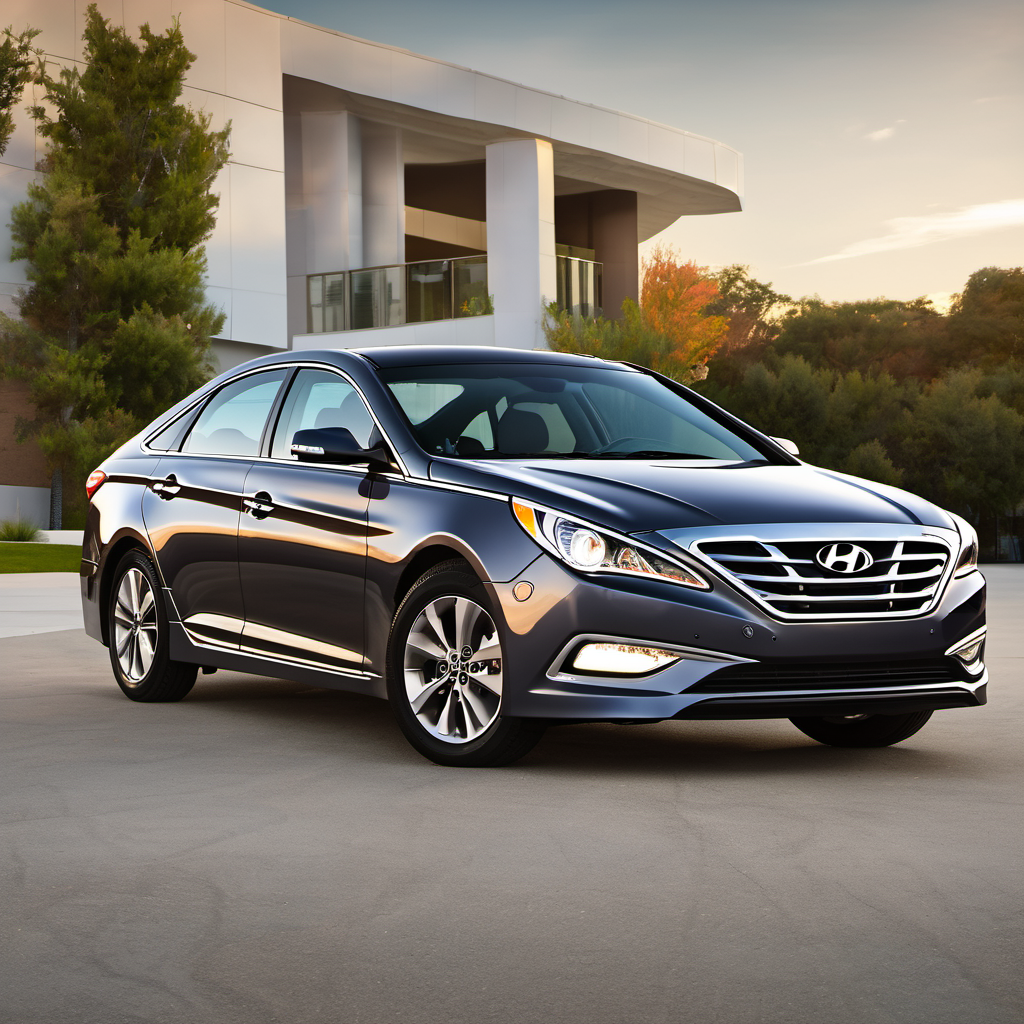
2014 Hyundai
2.4L I4 GDI · Sedan
The 2014 Hyundai Sonata is a midsize front-wheel-drive sedan in its sixth generation (YF platform). It earned a strong reputation for value, comfort, and a well-equipped cabin at a price point below the Japanese competition. The standard engine is the 2.4L GDI four-cylinder, with an optional 2.0T turbocharged four-cylinder for buyers wanting more punch. Hyundai made a big push in quality and warranty coverage during this era, and it mostly paid off — the Sonata became one of the best-selling cars in the segment. That said, the 2014 model year sits right in the middle of a well-documented engine failure recall window tied to manufacturing debris in the 2.4L GDI, so due diligence on engine history is critical before buying used. For Lake Geneva daily driving it works well: comfortable highway manners, decent fuel economy, and a spacious interior for a midsize. Cold-start reliability is adequate but the GDI engine does accumulate carbon deposits faster in short-trip winter driving, so maintenance discipline matters.
The 2014 Hyundai Sonata is a midsize front-wheel-drive sedan in its sixth generation (YF platform). It earned a strong reputation for value, comfort, and a well-equipped cabin at a price point below the Japanese competition. The standard engine is the 2.4L GDI four-cylinder, with an optional 2.0T turbocharged four-cylinder for buyers wanting more punch. Hyundai made a big push in quality and warranty coverage during this era, and it mostly paid off — the Sonata became one of the best-selling cars in the segment. That said, the 2014 model year sits right in the middle of a well-documented engine failure recall window tied to manufacturing debris in the 2.4L GDI, so due diligence on engine history is critical before buying used. For Lake Geneva daily driving it works well: comfortable highway manners, decent fuel economy, and a spacious interior for a midsize. Cold-start reliability is adequate but the GDI engine does accumulate carbon deposits faster in short-trip winter driving, so maintenance discipline matters.
The 2.4L GDI is hypersensitive to oil quality and change intervals. Sludge accelerates bearing wear and clogs CVVT solenoids. This is the single most important service on this engine. Use full synthetic and do not go past 5k miles given the bearing failure history.
GDI engines accumulate carbon on intake valves. Cleaning restores idle quality, throttle response, and fuel economy. Especially important in Wisconsin stop-and-go and short-trip winter driving.
Worn plugs stress the ignition coils and cause misfires. On GDI engines, misfires can wash cylinders with raw fuel, diluting oil and accelerating bearing wear.
Brake fluid absorbs moisture over time, lowering its boiling point. In Wisconsin winters the system also faces thermal cycling stress. Fresh fluid protects ABS components and master cylinder seals.
Verify coolant freeze protection to at least -34°F for Lake Geneva winters. Inspect hoses and clamps for salt-related corrosion damage.
Salt accumulation over winter is brutal on steel brake and fuel lines. A professional inspection each fall catches early corrosion before it becomes a safety failure.
Hyundai's 6-speed automatic benefits from periodic fluid changes despite 'lifetime' fluid marketing. Fresh fluid prevents shudder and valve body wear, especially in cold-climate operation where the trans runs cold longer.
Pressure drops roughly 1 PSI per 10°F of temperature change. Wisconsin's temperature swings from summer to winter can put tires 10–15 PSI out of spec if unchecked, affecting handling and wear.
Always defer to the manufacturer's service manual for warranty-mandated intervals.
The Sonata is one of the cheaper midsize sedans to maintain when all goes well — parts are widely available and independent shops can service everything. The wildcard is the engine: if the recall work was never done and the engine fails, you're looking at a $4,000–$7,500 repair on a car worth $8,000–$12,000. Buy with verified service history and confirmed recall completion, and annual costs are reasonable.
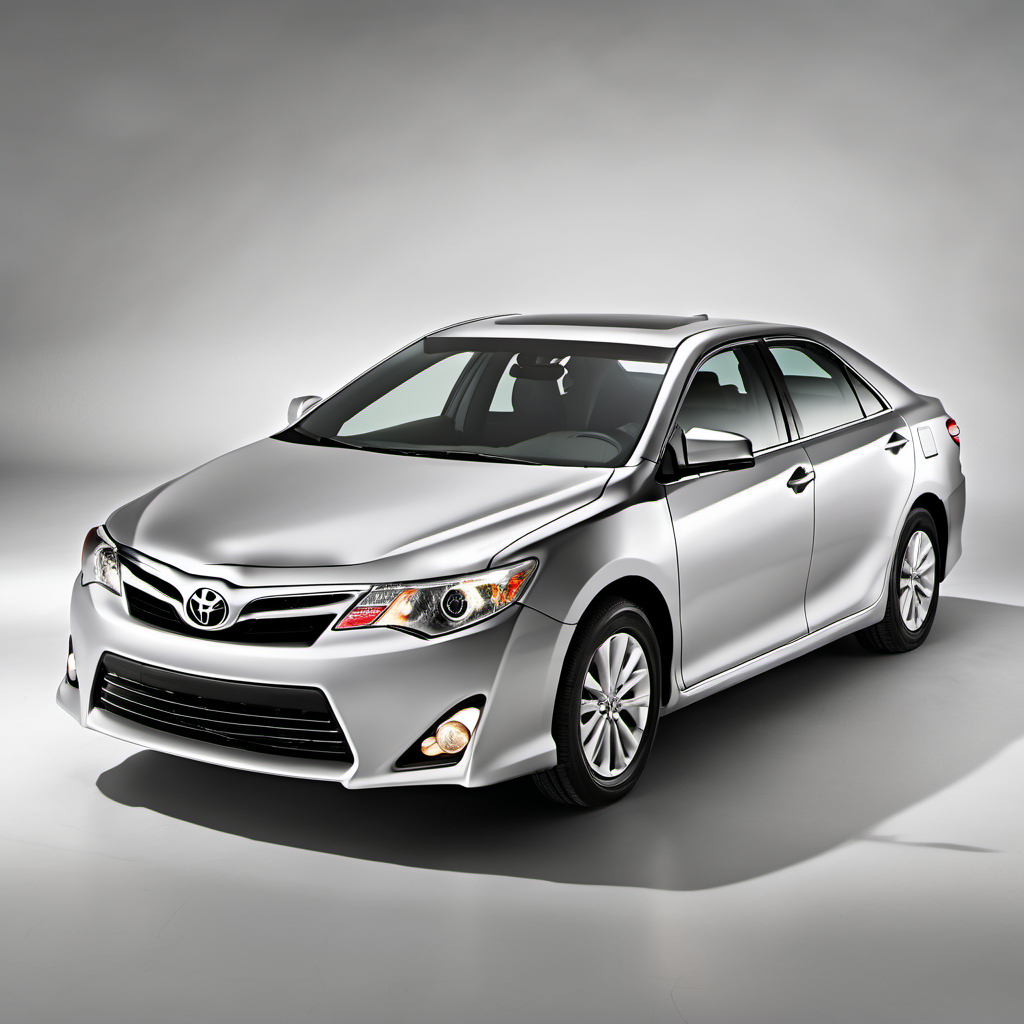
Same segment, similar price, better long-term engine reliability record — the 2AR-FE 2.5L has no equivalent recall history. Worth paying a small premium for peace of mind.
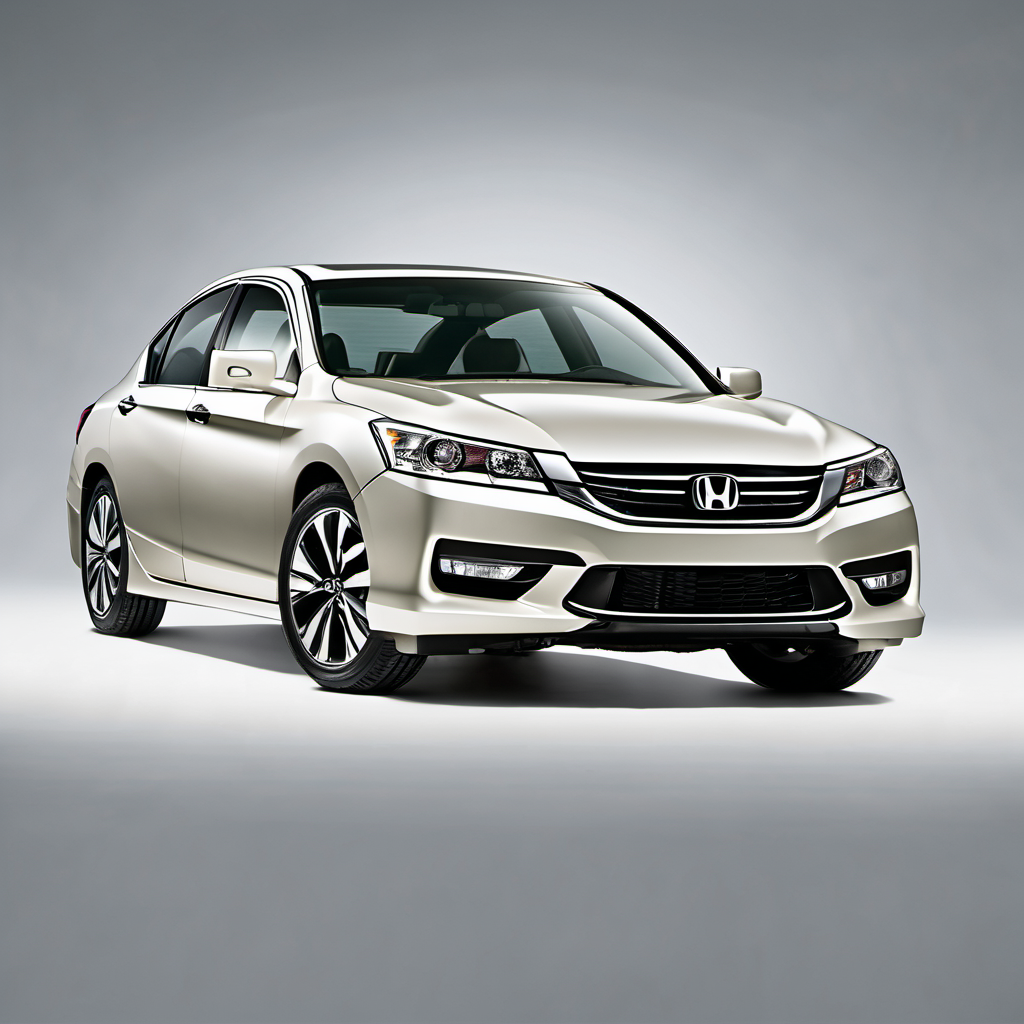
Class leader in reliability and resale. The 2.4L Earth Dreams engine is more robust than the Sonata's GDI. Comparable fuel economy and interior space.
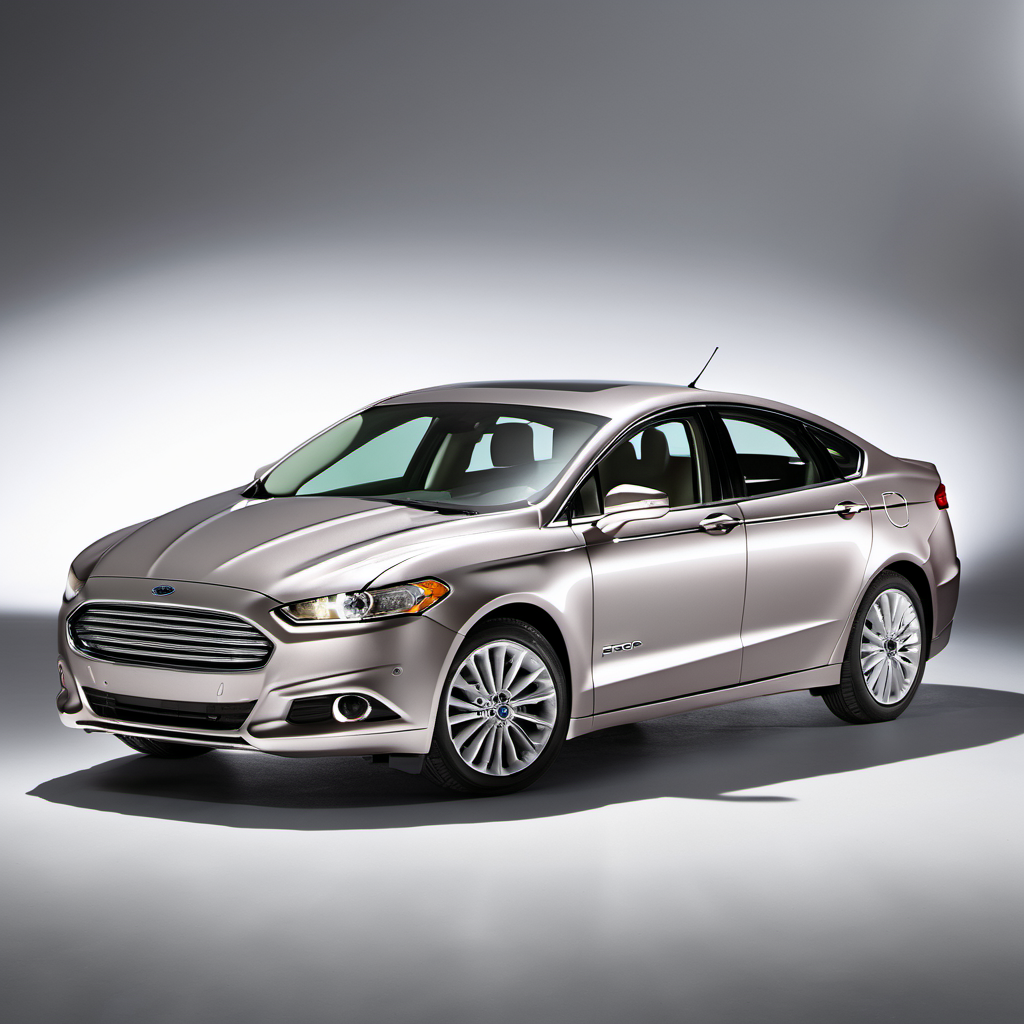
Strong competitor with available AWD — a meaningful advantage for Wisconsin winters. Good safety ratings; the 2.5L base engine avoids the turbo complexity of the EcoBoost.
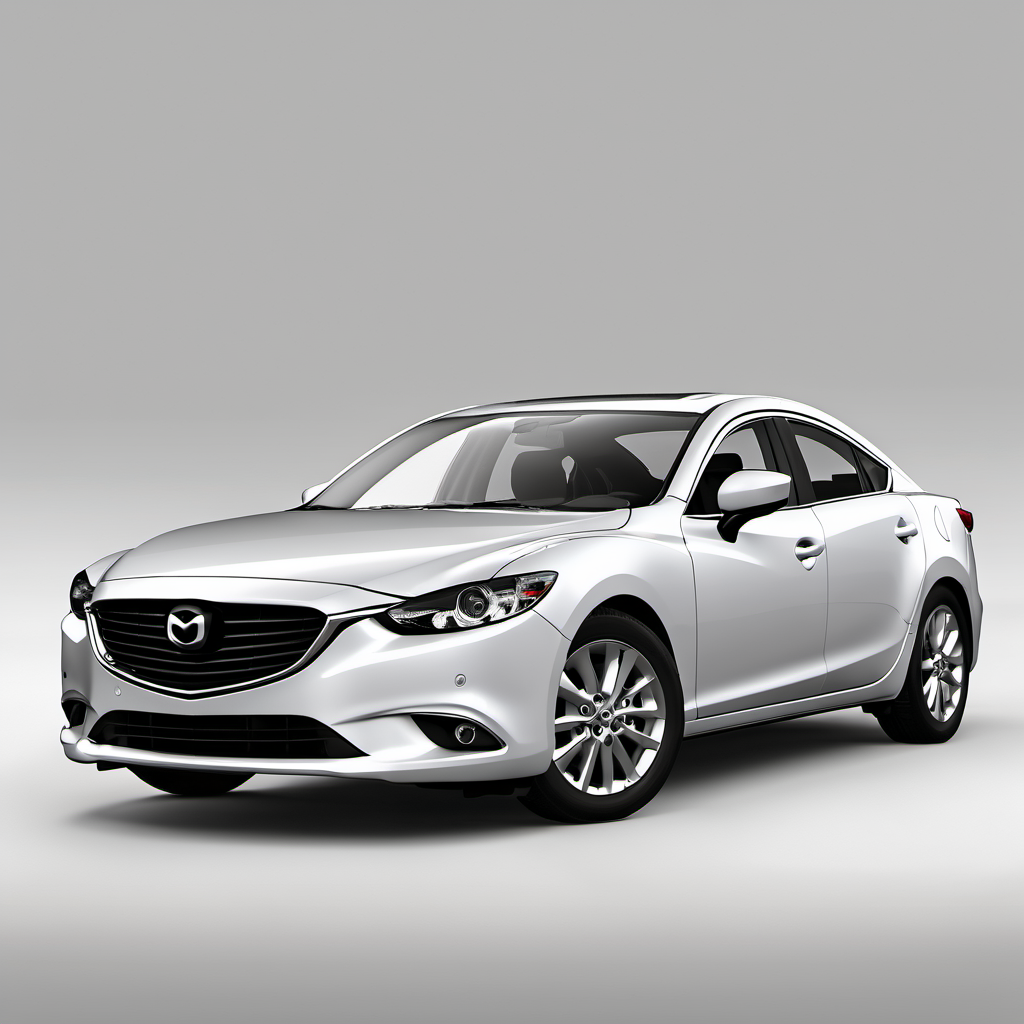
Sporty handling and top-tier reliability for the class. The SKYACTIV-G 2.5L is a conventional port-injection engine that avoids GDI carbon buildup issues entirely.