6F35 Transmission Shudder or Failure
high- Typically appears
- 80–130k mi
- Estimated repair
- $300 – $4,500
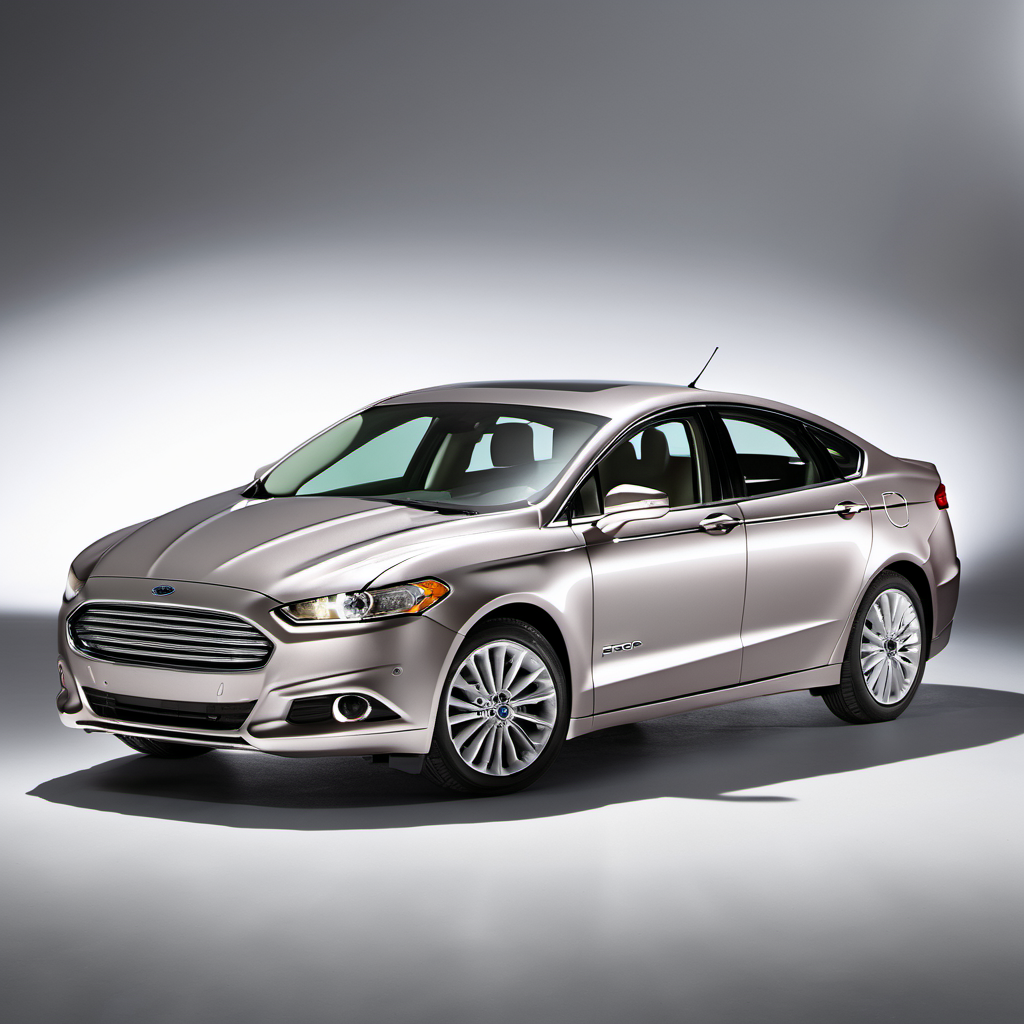
2014 Ford
2.5L I4 · Sedan
The 2014 Ford Fusion is the second year of the second-generation (CD4 platform) Fusion, a midsize front-wheel-drive sedan that arrived with sharp European-influenced styling borrowed from the Aston Martin-inspired Ford design language of the era. It slotted into a competitive segment against the Camry and Accord and carved out a real following thanks to its upscale interior feel, strong available powertrain lineup — naturally aspirated 2.5L, turbocharged 1.5L and 2.0L EcoBoost fours, plus a hybrid — and IIHS Top Safety Pick credentials. By 2014 the first-year kinks were mostly worked out, making it a more polished version of the gen-2 platform. MyFord Touch infotainment remained a sore spot, and the EcoBoost engines brought their own quirks (carbon buildup on direct injection, coolant intrusion on some 1.5L units). The 6F35 six-speed automatic is adequate but benefits from routine fluid changes — which many owners skip. For a Lake Geneva-area buyer, the Fusion is a solid daily driver that handles Wisconsin winters reasonably well on a good set of winter tires. It is not AWD from the factory (AWD was available on the 2.0T trim), so check the driven axle carefully if you're counting on all-weather traction. Properly maintained examples are comfortable in the 150–200k range; neglected ones, especially those with ignored transmission service or cooling system leaks, can get expensive quickly.
The 2014 Ford Fusion is the second year of the second-generation (CD4 platform) Fusion, a midsize front-wheel-drive sedan that arrived with sharp European-influenced styling borrowed from the Aston Martin-inspired Ford design language of the era. It slotted into a competitive segment against the Camry and Accord and carved out a real following thanks to its upscale interior feel, strong available powertrain lineup — naturally aspirated 2.5L, turbocharged 1.5L and 2.0L EcoBoost fours, plus a hybrid — and IIHS Top Safety Pick credentials. By 2014 the first-year kinks were mostly worked out, making it a more polished version of the gen-2 platform. MyFord Touch infotainment remained a sore spot, and the EcoBoost engines brought their own quirks (carbon buildup on direct injection, coolant intrusion on some 1.5L units). The 6F35 six-speed automatic is adequate but benefits from routine fluid changes — which many owners skip. For a Lake Geneva-area buyer, the Fusion is a solid daily driver that handles Wisconsin winters reasonably well on a good set of winter tires. It is not AWD from the factory (AWD was available on the 2.0T trim), so check the driven axle carefully if you're counting on all-weather traction. Properly maintained examples are comfortable in the 150–200k range; neglected ones, especially those with ignored transmission service or cooling system leaks, can get expensive quickly.
Ford's 'lifetime' designation applies to the transmission's lifetime — which can be cut short by dark, degraded fluid. Independent shops pull this fluid and find it black by 60k on many Fusions. A $150–200 service here can prevent a $3,000+ rebuild.
VCT solenoid sludging (P0012/P0015/P0022) is directly linked to extended oil intervals. Tighter changes keep the variable cam timing system clean, especially important on EcoBoost engines.
Degraded coolant accelerates head gasket wear on EcoBoost engines. In Wisconsin winters, a 50/50 mix must be confirmed to protect to at least -34°F. Low coolant with no visible external leak on a 1.5L EcoBoost is a red flag.
EcoBoost engines run hotter plugs harder. Worn plugs worsen carbon buildup on direct injection intake valves and can cause misfires that stress the catalytic converter.
Direct injection doesn't wash the intake valves with fuel the way port injection does. Carbon deposits build up and restrict airflow, causing rough idle and power loss. Walnut blasting or chemical cleaning restores performance.
Wisconsin salt and temperature cycling accelerate moisture absorption in brake fluid, lowering boiling point and promoting caliper corrosion. This is an inexpensive service that protects the entire brake hydraulic system.
Lake Geneva roads get heavy salt. The Fusion's subframe, brake lines, and fuel lines are vulnerable. Catching surface rust early and treating it annually prevents the expensive surprises that sideline high-mileage cars in the Midwest.
Door latch faults can silently drain a marginal battery overnight. Combined with Wisconsin sub-zero starts, a 4–5 year old battery should be load tested before winter — not replaced after it fails at 6 AM in January.
Always defer to the manufacturer's service manual for warranty-mandated intervals.
A well-maintained Fusion is a reasonably cheap car to own. Routine service is affordable at an independent shop. The costs spike sharply if the transmission fluid is never changed, if the 1.5L EcoBoost develops coolant intrusion, or if rust is allowed to progress on brake and fuel lines. Budget at the higher end of the maintenance range if the vehicle's service history is unknown.
No comparable vehicles documented yet.