Variable Valve Timing (VVT) / Camshaft Position – Timing Faults
medium- Typically appears
- 60–120k mi
- Estimated repair
- $150 – $600
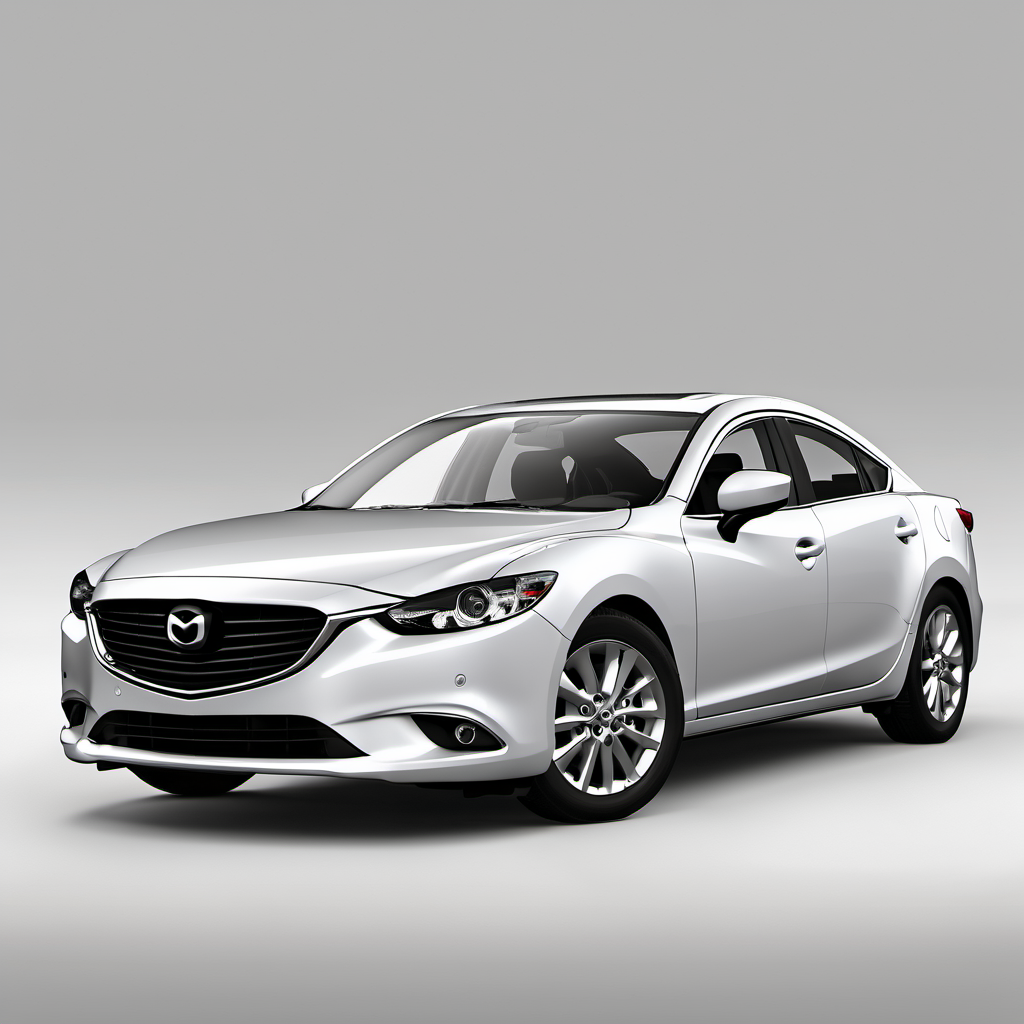
2014 MAZDA
2.5L I4 SKYACTIV-G · Sedan
The 2014 Mazda6 is the third-generation (GJ) version of Mazda's midsize sedan, a ground-up redesign that debuted for the 2014 model year. It's widely regarded as one of the most driver-focused cars in the segment, pairing Mazda's SKYACTIV-G 2.5L engine and SKYACTIV-Drive transmission with genuinely responsive steering and a well-tuned chassis. The result is a midsize sedan that rewards engaged driving without sacrificing everyday comfort. Fuel economy is a strong suit — the 2014 Mazda6 regularly achieves 35+ mpg on the highway without any hybrid assistance, which was remarkable for a naturally aspirated 2.5L at launch. The interior was a major step up over the outgoing model, with quality materials and an ergonomic layout, though the Mazda Connect infotainment system drew mixed reviews early on. For Wisconsin ownership, the 2014 Mazda6 is a capable year-round sedan. It's front-wheel drive and relatively light, so it handles winter roads adequately on proper winter tires, though it lacks AWD. The SKYACTIV engine is known for cold-weather starting reliability, and the platform has held up well through salt seasons when owners keep up with undercarriage rinsing.
The 2014 Mazda6 is the third-generation (GJ) version of Mazda's midsize sedan, a ground-up redesign that debuted for the 2014 model year. It's widely regarded as one of the most driver-focused cars in the segment, pairing Mazda's SKYACTIV-G 2.5L engine and SKYACTIV-Drive transmission with genuinely responsive steering and a well-tuned chassis. The result is a midsize sedan that rewards engaged driving without sacrificing everyday comfort. Fuel economy is a strong suit — the 2014 Mazda6 regularly achieves 35+ mpg on the highway without any hybrid assistance, which was remarkable for a naturally aspirated 2.5L at launch. The interior was a major step up over the outgoing model, with quality materials and an ergonomic layout, though the Mazda Connect infotainment system drew mixed reviews early on. For Wisconsin ownership, the 2014 Mazda6 is a capable year-round sedan. It's front-wheel drive and relatively light, so it handles winter roads adequately on proper winter tires, though it lacks AWD. The SKYACTIV engine is known for cold-weather starting reliability, and the platform has held up well through salt seasons when owners keep up with undercarriage rinsing.
The SKYACTIV-G VVT system is highly sensitive to oil condition. Dirty or low oil is the primary cause of VVT-related fault codes (P0012, P0015, P0022, P0025). Use the manufacturer-specified 0W-20 full synthetic. Do not stretch to 10,000-mile intervals on a high-mileage or used example until you know its history.
Mazda markets the fluid as 'lifetime,' but in Midwest stop-and-go and temperature cycling, degraded fluid leads to shift hesitation and converter shudder. An independent shop fluid change at 30k intervals is cheap insurance.
Brake fluid absorbs moisture over time, lowering boiling point and accelerating internal corrosion. Wisconsin's humidity and temperature swings accelerate this. A flush every 2–3 years is especially important here.
The Mazda6 is FWD-only — proper winter tires make a significant difference in Lake Geneva winters. Combine the swap with a brake inspection since salt season is the hardest on rotors and calipers.
Road salt packs into subframe cavities, brake hardware, and exhaust hangers. A thorough rinse and inspection each spring dramatically slows rust progression on the undercarriage and suspension components.
The SKYACTIV-G uses an unusually high 13:1 compression ratio. Fresh plugs maintain optimal combustion efficiency and help prevent misfires that can stress catalytic converters.
Wisconsin roads kick up significant road dust and debris year-round. A clogged cabin filter reduces HVAC airflow and can stress the blower motor.
Sub-zero Lake Geneva mornings will expose a marginal battery. The SKYACTIV system uses a slightly larger draw on startup than older engines. Have the battery load-tested each fall if it is 3+ years old.
Always defer to the manufacturer's service manual for warranty-mandated intervals.
The Mazda6 is one of the more affordable midsize sedans to own. The SKYACTIV powertrain avoids the complexity of turbos or CVTs, keeping repair costs down. Routine maintenance is straightforward and parts are widely available. The biggest Wisconsin-specific cost driver is accelerated brake and undercarriage wear from road salt — budget for rotors and brake hardware every 40–60k miles and factor in a set of winter tires if you don't already have them.
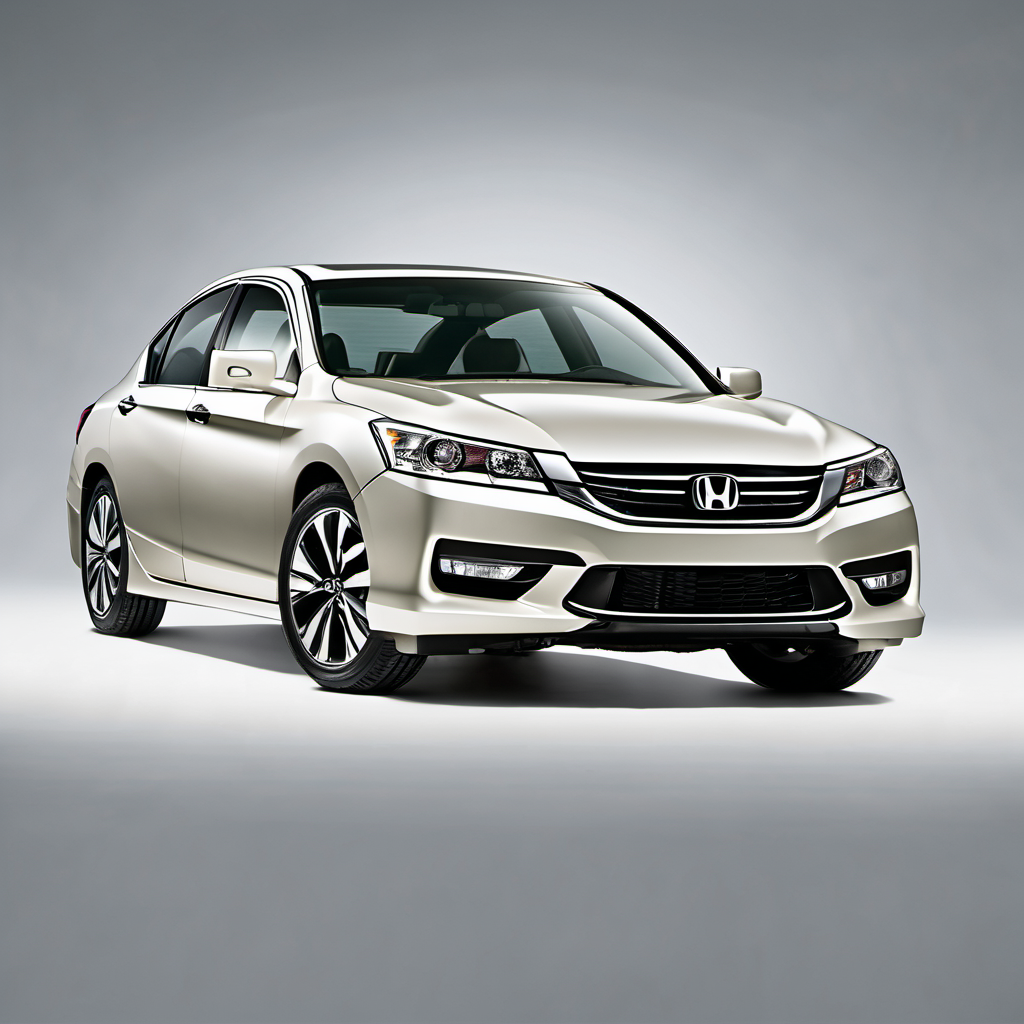
The Accord is the segment benchmark — slightly larger interior, similar reliability reputation, and a broader trim range. Less driver-focused than the Mazda6 but more widely serviced everywhere.
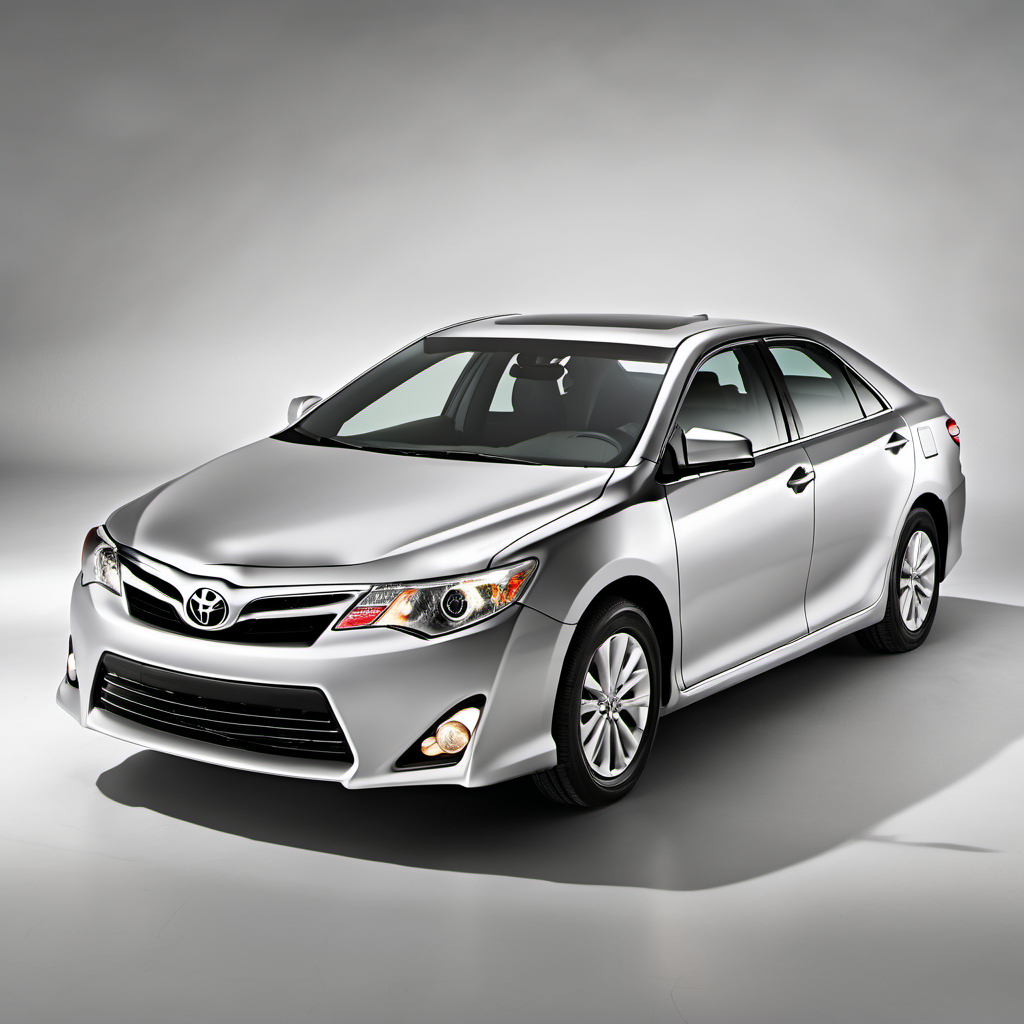
The Camry trades the Mazda6's driving engagement for a slightly smoother, more relaxed character. Resale is marginally stronger, and the 2.5L four-cylinder is extremely proven. A good alternative for buyers prioritizing minimal ownership drama.
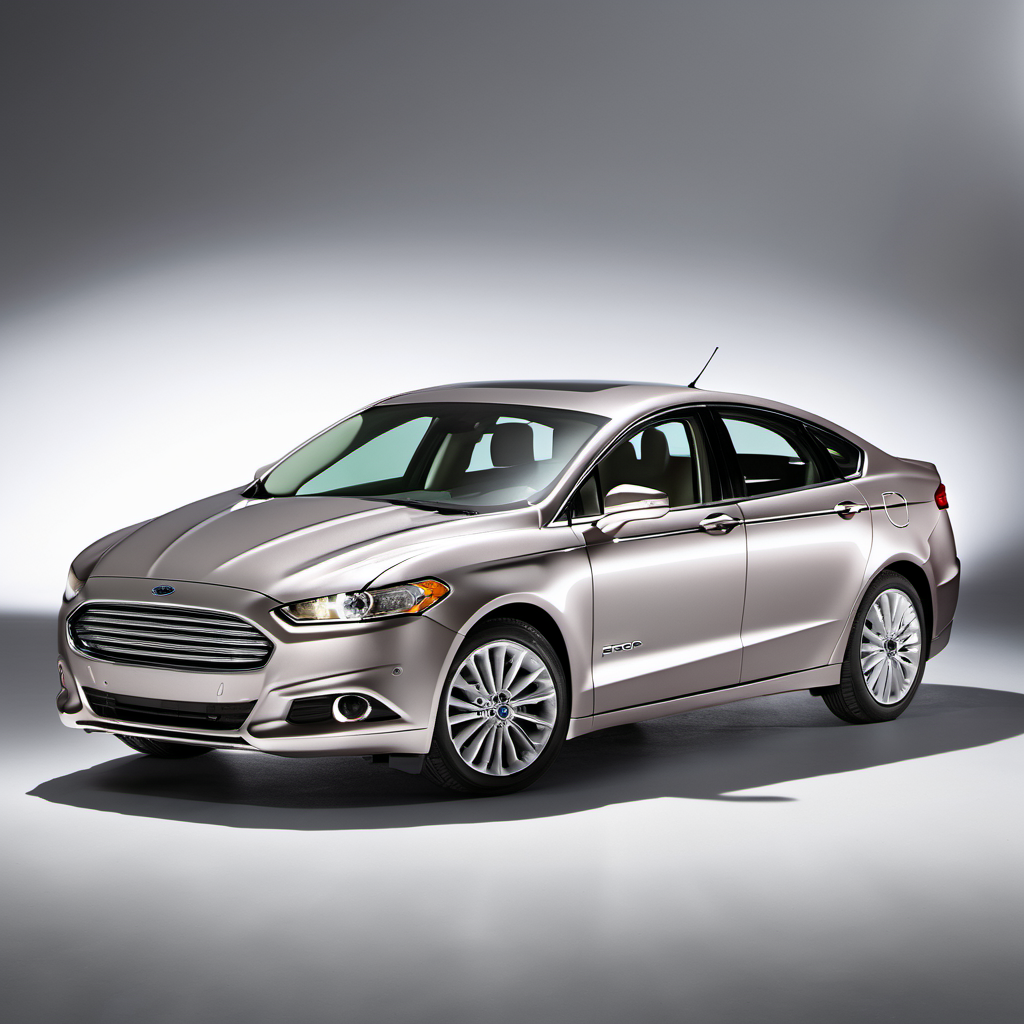
The Fusion offered AWD availability and a more feature-packed interior at this price point, making it a direct competitor. The EcoBoost 1.5L and 2.0T engines are less naturally durable than the SKYACTIV, but the AWD option is a real advantage for Wisconsin winters.
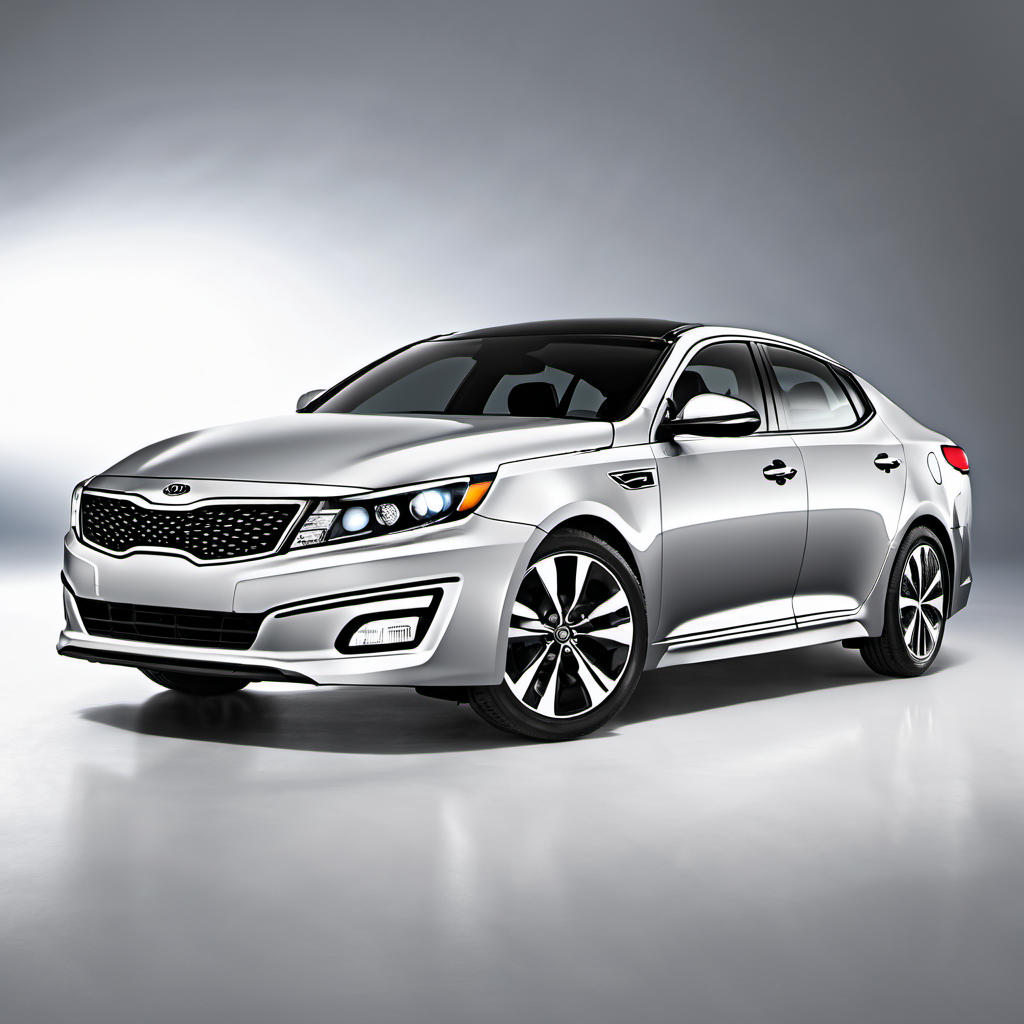
The Optima offers a strong value proposition with a longer warranty and competitive features. Reliability is slightly below the Mazda6 historically, but it's a credible alternative for budget-conscious buyers who want a sharp-looking midsize sedan.