VTC Actuator Rattle / Camshaft Timing Fault
high- Typically appears
- 60–120k mi
- Estimated repair
- $200 – $600
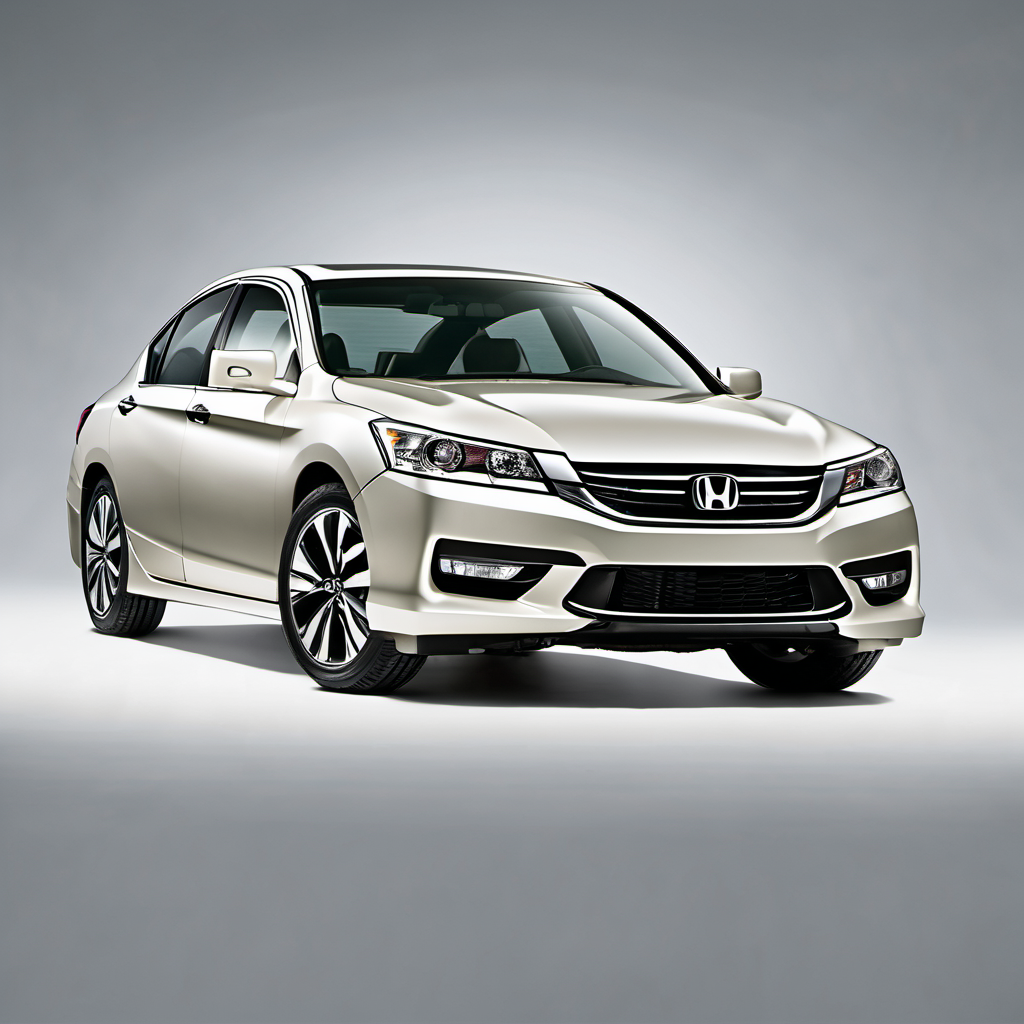
2014 Honda
Sedan
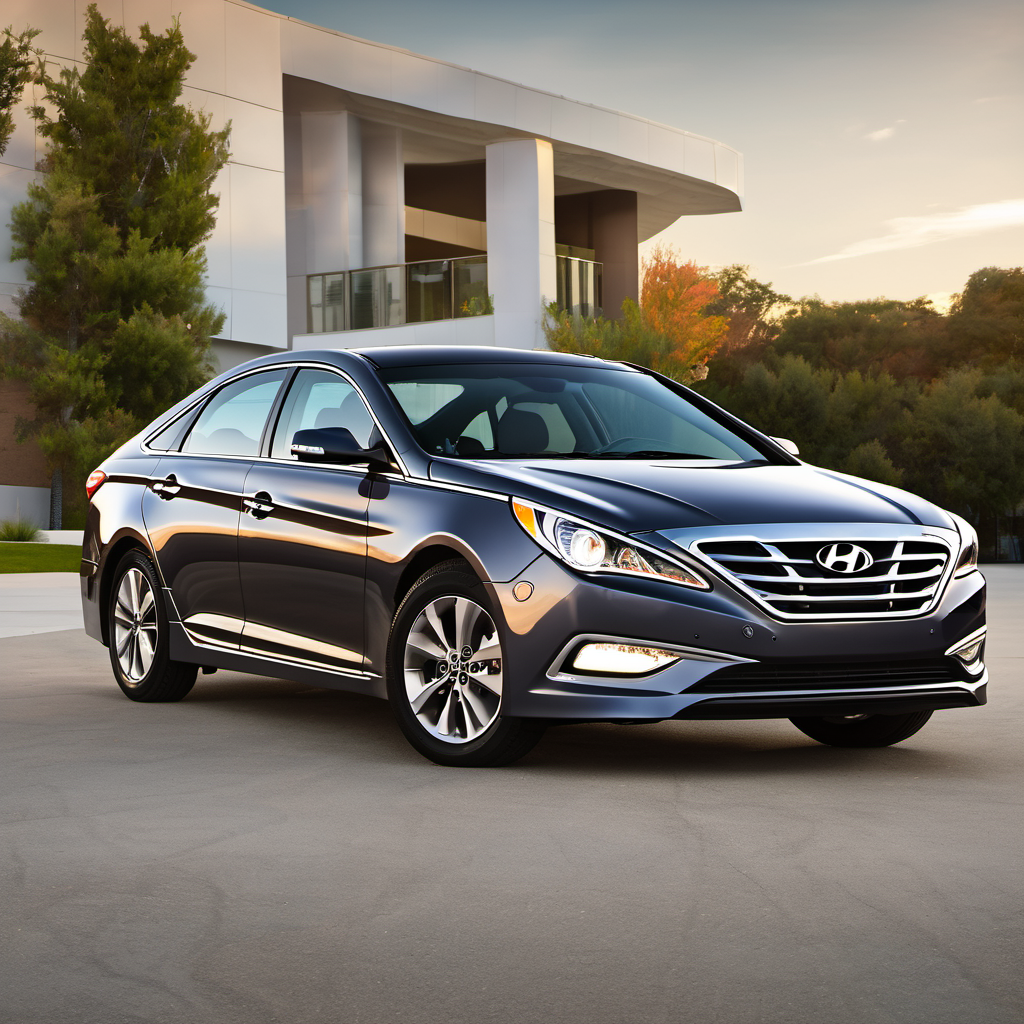
The 2014 Honda Accord Sedan is the ninth-generation Accord, widely regarded as one of the best mid-size sedans of its era. It strikes a solid balance between comfort, fuel efficiency, and long-term durability that has earned it a loyal following. Most 2014 Accords on the road today are powered by the 2.4L four-cylinder or the 3.5L V6, with a small share being the Accord Plug-In Hybrid (PHEV) — a 2.0L Atkinson-cycle four-cylinder paired with two electric motors. The PHEV variant delivers exceptional fuel economy and a quiet, refined driving experience, though it adds hybrid-system complexity compared to the standard models. The Accord PHEV was sold in limited numbers in select markets, which means parts availability and technician familiarity can be more limited than the mainstream gas models. The IMA-style two-motor system is generally reliable when maintained properly, but the 12V auxiliary battery and high-voltage battery pack deserve attention as the car ages. Build quality, interior fit and finish, and ride refinement are highlights that hold up well over time. For everyday commuting, the PHEV's blended electric and gas operation keeps fuel costs very low. Owners should be aware that high-voltage system service requires a qualified technician with hybrid training — this is not a job for a general shop unfamiliar with HV systems.
The 2014 Honda Accord Sedan is the ninth-generation Accord, widely regarded as one of the best mid-size sedans of its era. It strikes a solid balance between comfort, fuel efficiency, and long-term durability that has earned it a loyal following. Most 2014 Accords on the road today are powered by the 2.4L four-cylinder or the 3.5L V6, with a small share being the Accord Plug-In Hybrid (PHEV) — a 2.0L Atkinson-cycle four-cylinder paired with two electric motors. The PHEV variant delivers exceptional fuel economy and a quiet, refined driving experience, though it adds hybrid-system complexity compared to the standard models. The Accord PHEV was sold in limited numbers in select markets, which means parts availability and technician familiarity can be more limited than the mainstream gas models. The IMA-style two-motor system is generally reliable when maintained properly, but the 12V auxiliary battery and high-voltage battery pack deserve attention as the car ages. Build quality, interior fit and finish, and ride refinement are highlights that hold up well over time. For everyday commuting, the PHEV's blended electric and gas operation keeps fuel costs very low. Owners should be aware that high-voltage system service requires a qualified technician with hybrid training — this is not a job for a general shop unfamiliar with HV systems.
The VTC actuator and oil control valve solenoids are highly sensitive to oil condition on this engine. Don't stretch intervals — used oil accelerates actuator wear and can trigger P0012/P0015 codes.
A failing 12V battery causes hybrid system errors and cold-start failures. In Wisconsin winters, a marginal battery becomes a dead battery fast. This is cheap insurance.
HV pack degradation is gradual and silent until it's noticeable. A hybrid-capable scanner can read remaining capacity and flag weak cell groups before they strand you.
Regenerative braking reduces pad wear, but rotors rust-glaze quickly when friction brakes are used infrequently. Wisconsin salt accelerates rotor surface corrosion. Sticking calipers are also common on cars that rarely use full friction braking.
The PHEV has a separate cooling circuit for the power electronics and HV battery. Neglecting the inverter coolant loop can cause inverter overheating faults. Use Honda-specified coolant only — do not mix types.
A clogged cabin filter reduces HVAC performance and puts extra load on the blower motor. Easy DIY job on this generation Accord.
FWD hybrids that often coast on regen see uneven tire wear if rotations are skipped. Cold Wisconsin winters will drop tire pressure 1–2 PSI per 10°F drop — check pressure monthly in winter.
The Atkinson-cycle engine starts and stops frequently. Plugs that are past their service life can cause rough restarts, misfires, and poor fuel economy on an engine that fires up dozens of times per trip.
Always defer to the manufacturer's service manual for warranty-mandated intervals.
Day-to-day ownership costs are low. Fuel savings over a conventional mid-size sedan are meaningful, especially for high-mileage commuters. The risk pocket is HV battery replacement, which can run $2,000–$5,000 if needed — budget for that possibility on any used PHEV example over 80k miles. Routine maintenance at an independent shop is straightforward for the gasoline side; hybrid-specific work (HV battery, inverter cooling, regenerative brakes) requires a shop with hybrid experience.
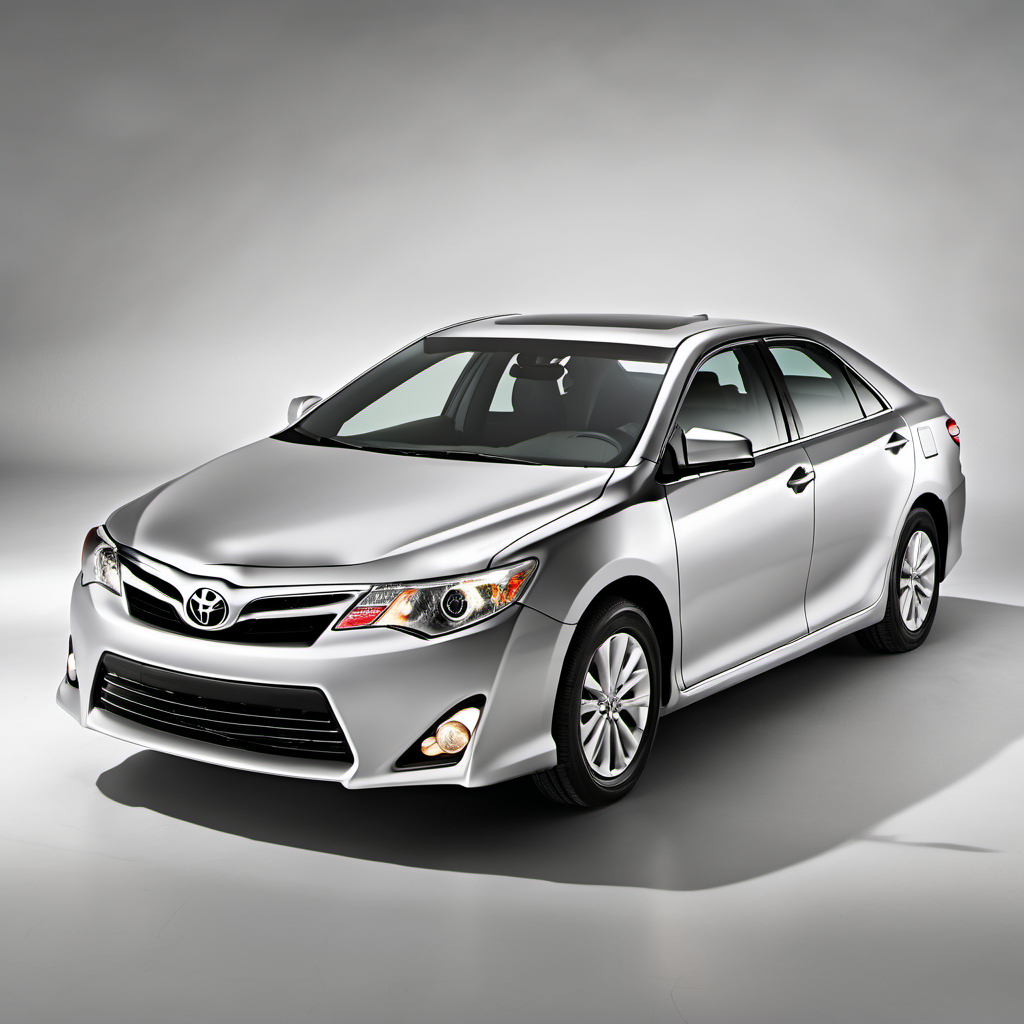
Same segment, similar fuel economy, Toyota's proven hybrid system with strong long-term battery reliability data and wide independent-shop familiarity.
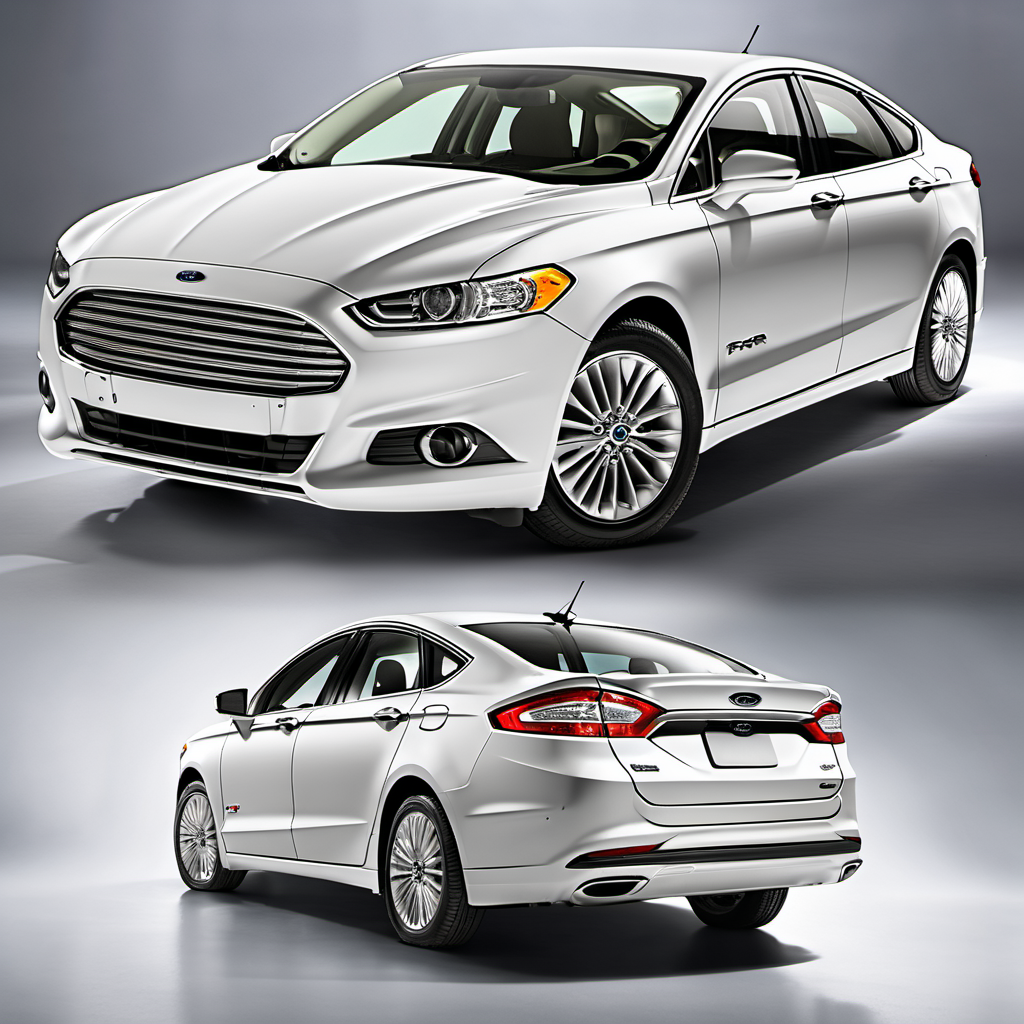
Plug-in hybrid mid-size sedan with comparable EV range and similar MSRP range; stronger PHEV competition at the time, though Ford's long-term reliability trails Honda's.
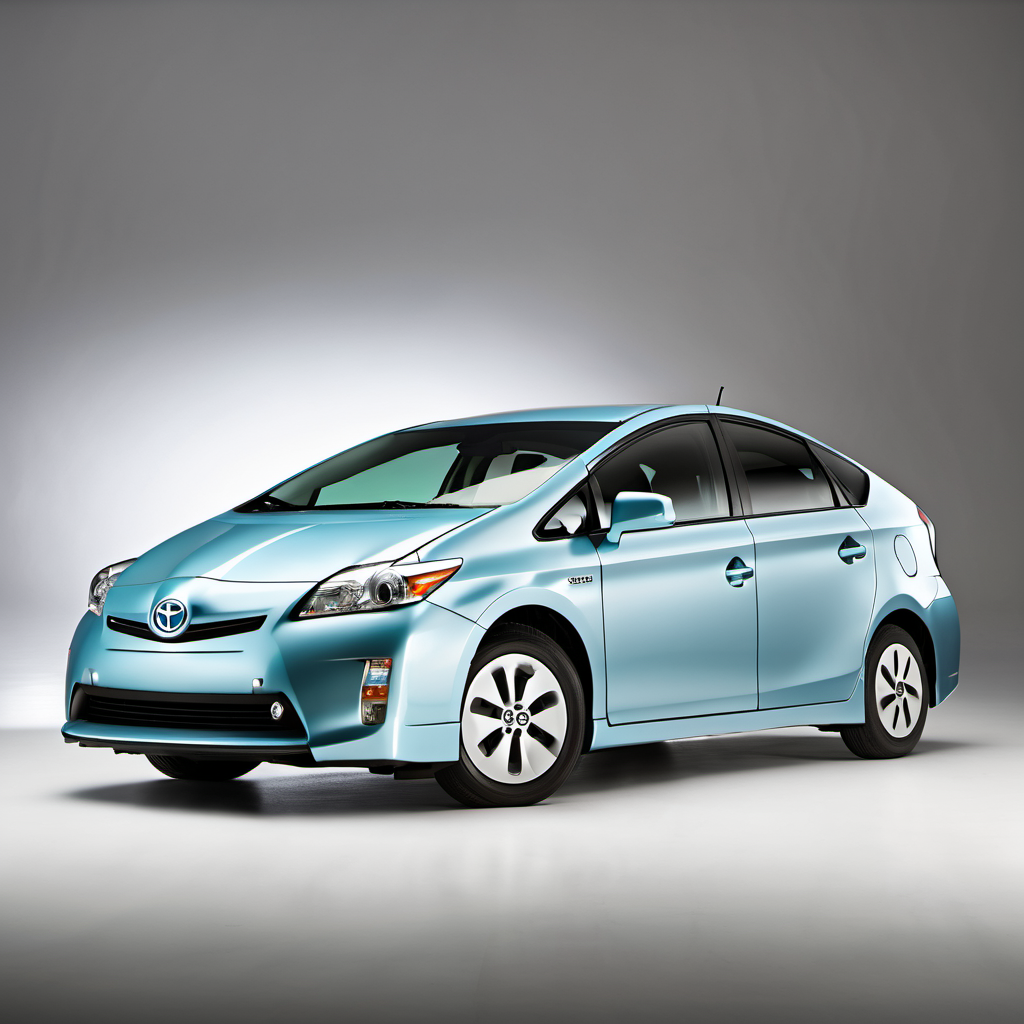
Direct PHEV competitor with similar fuel economy goals, well-established hybrid system, and excellent parts/service availability — though the Prius trades cabin space for efficiency.
Non-hybrid gas alternative in the same segment at a lower price point; more conventional powertrain makes independent service easier, but fuel costs will be higher.