VVT/Camshaft Phaser Oil Sludge (3.6L Pentastar)
high- Typically appears
- 60–120k mi
- Estimated repair
- $300 – $1,200
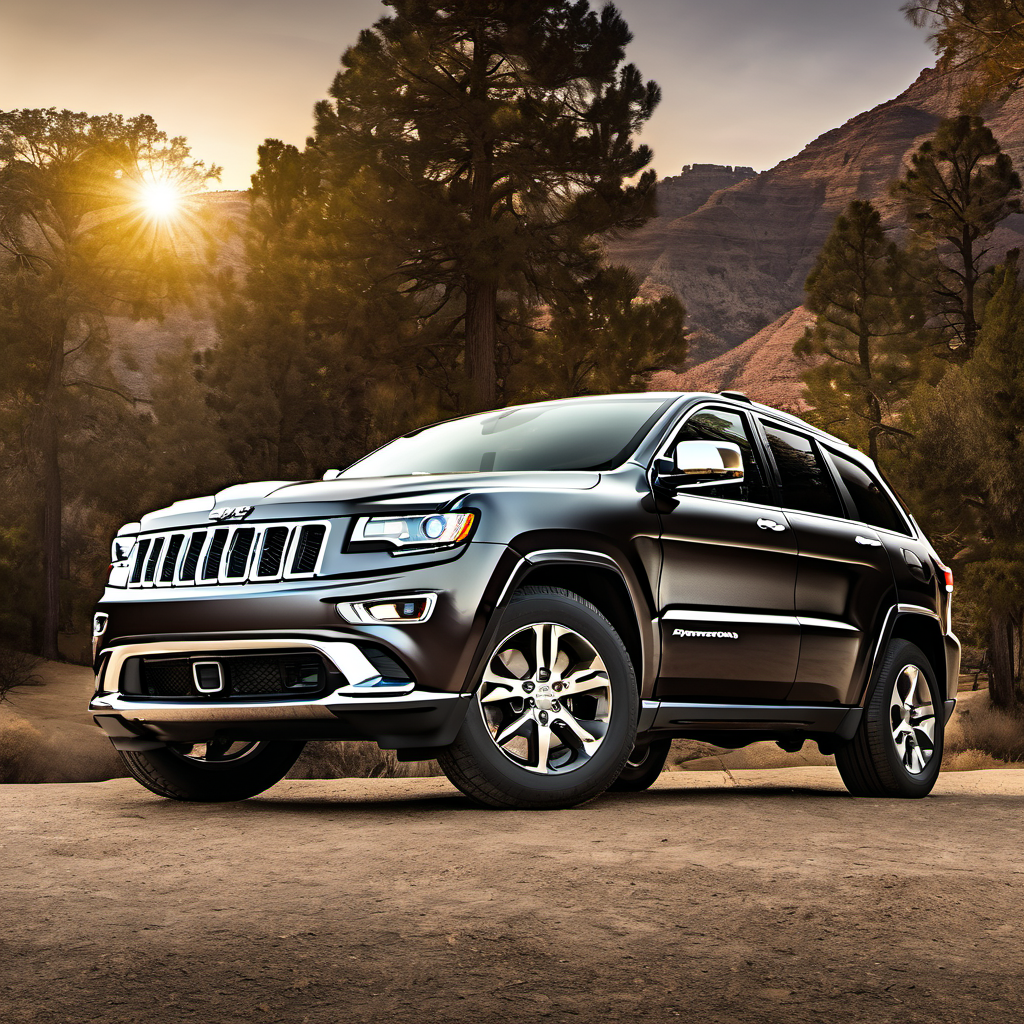
2014 Jeep
3.6L V6 Pentastar · SUV
The 2014 Jeep Grand Cherokee (WK2 generation) sits in a sweet spot for mid-size SUV buyers who want genuine off-road capability without giving up a comfortable, well-appointed interior. It arrived refreshed for 2014 with an updated interior and the introduction of the EcoDiesel V6 option alongside the familiar 3.6L Pentastar V6 and 5.7L HEMI V8. The base Laredo through range-topping Summit trims offer a wide price spread, and the Quadra-Lift air suspension (available on higher trims) adds both on-road comfort and trail clearance. On the road it drives more like a car-based crossover than a truck SUV, which broadens its appeal for daily commuters. The HEMI-equipped models feel genuinely quick and tow up to 7,400 lbs. The 3.6L Pentastar is the most common engine and is generally strong, though it shares the VVT oil sludge sensitivity seen across Chrysler/FCA's lineup. For a Wisconsin owner, the standard 4WD system is a real asset in winter. The flip side is that this platform has complex electronics (Uconnect, air suspension control modules, multiple CAN-bus nodes) that can generate expensive repair bills as miles accumulate.
The 2014 Jeep Grand Cherokee (WK2 generation) sits in a sweet spot for mid-size SUV buyers who want genuine off-road capability without giving up a comfortable, well-appointed interior. It arrived refreshed for 2014 with an updated interior and the introduction of the EcoDiesel V6 option alongside the familiar 3.6L Pentastar V6 and 5.7L HEMI V8. The base Laredo through range-topping Summit trims offer a wide price spread, and the Quadra-Lift air suspension (available on higher trims) adds both on-road comfort and trail clearance. On the road it drives more like a car-based crossover than a truck SUV, which broadens its appeal for daily commuters. The HEMI-equipped models feel genuinely quick and tow up to 7,400 lbs. The 3.6L Pentastar is the most common engine and is generally strong, though it shares the VVT oil sludge sensitivity seen across Chrysler/FCA's lineup. For a Wisconsin owner, the standard 4WD system is a real asset in winter. The flip side is that this platform has complex electronics (Uconnect, air suspension control modules, multiple CAN-bus nodes) that can generate expensive repair bills as miles accumulate.
The 3.6L Pentastar's VVT system is highly sensitive to oil quality. Sludge in the cam phaser solenoids is the #1 cause of expensive repairs on this engine. Shorter intervals are cheap insurance.
Commonly skipped on the used market. Fresh fluid prevents shudder, binding, and premature wear in the 4WD system.
FCA labeled this transmission 'lifetime fill' but independent shops universally recommend periodic changes. Fresh fluid keeps shifts crisp and protects the valve body.
Wisconsin road salt attacks bare steel brake lines quickly. Catching a soft or rusted section early is far cheaper than an emergency repair after a line fails.
The 3.6L runs on platinum plugs with a 30k service interval. Worn plugs cause misfires, reduced fuel economy, and can trigger catalytic converter damage codes.
Early detection of compressor strain or slow-leaking air bags prevents being stranded with a sagging suspension. Check compressor run time and inspect bag seams.
Pentastar engines use HOAT coolant. Degraded coolant becomes acidic and attacks the water pump and aluminum heads — both expensive replacements.
Wisconsin gravel and road debris clog filters faster than in urban environments. A dirty engine air filter hurts fuel economy and MAF sensor accuracy.
Always defer to the manufacturer's service manual for warranty-mandated intervals.
A well-maintained 2014 Grand Cherokee is a reasonable ownership proposition. Routine maintenance is affordable at an independent shop. The risk is deferred maintenance — particularly on the VVT system, air suspension, and brake lines. Budget an extra $500–$1,000 in the first year on a newly purchased used example to bring fluids and filters up to date and inspect the brake lines.
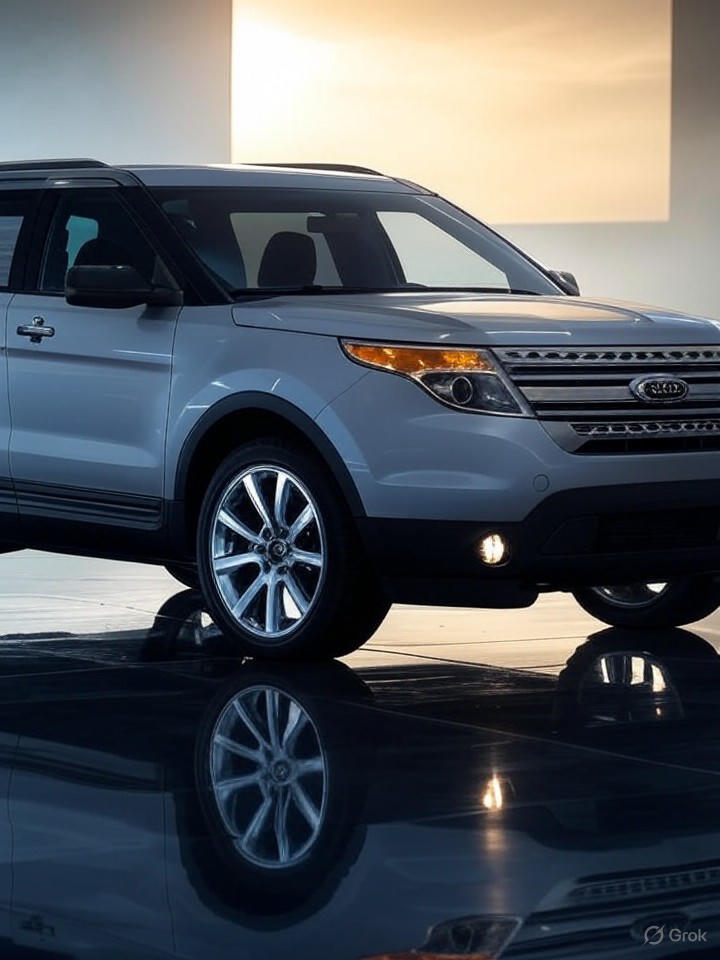
Similar size, price, and family-SUV mission. More car-like unibody feel, slightly better reliability reputation, but less off-road capability and towing than the Grand Cherokee HEMI.
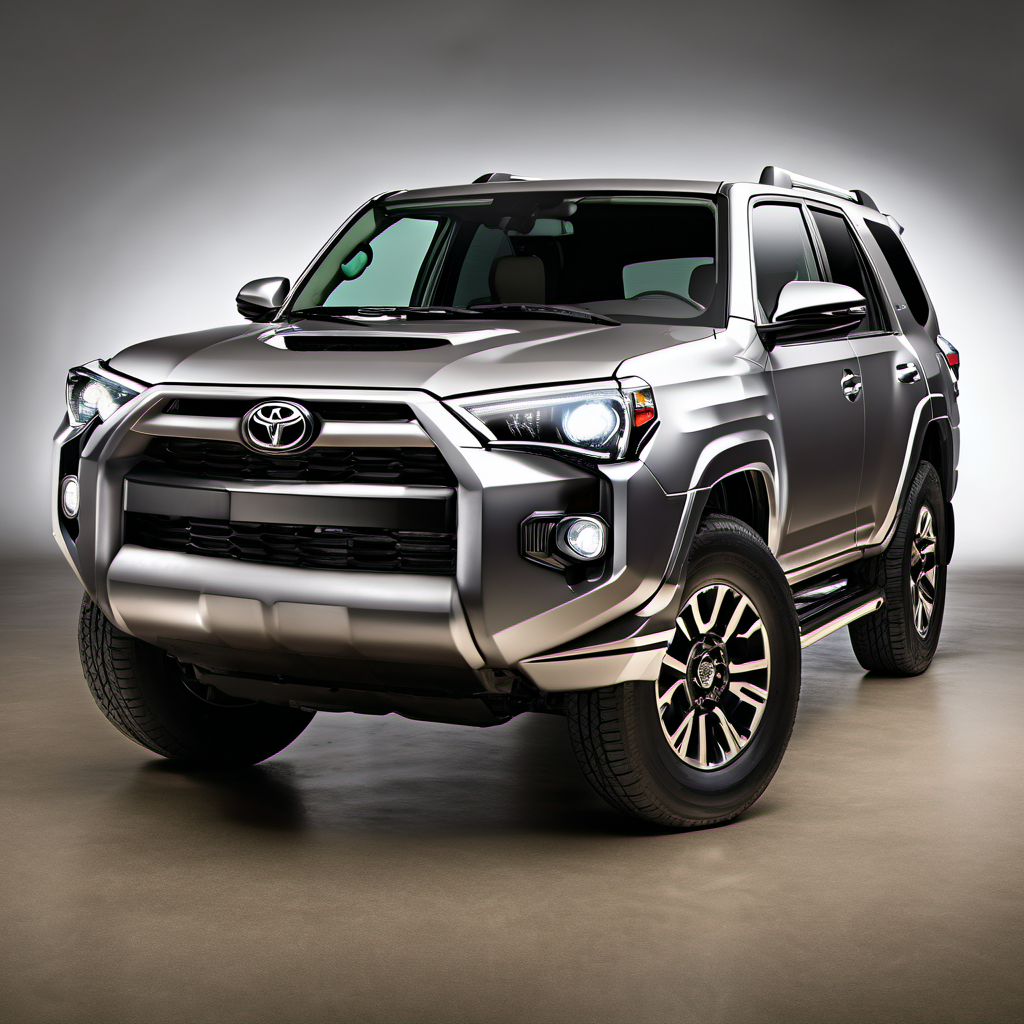
Body-on-frame construction means superior long-term durability and rust resistance. Less refined on-road, but significantly more reliable and holds value better. Strong choice for Wisconsin winters.
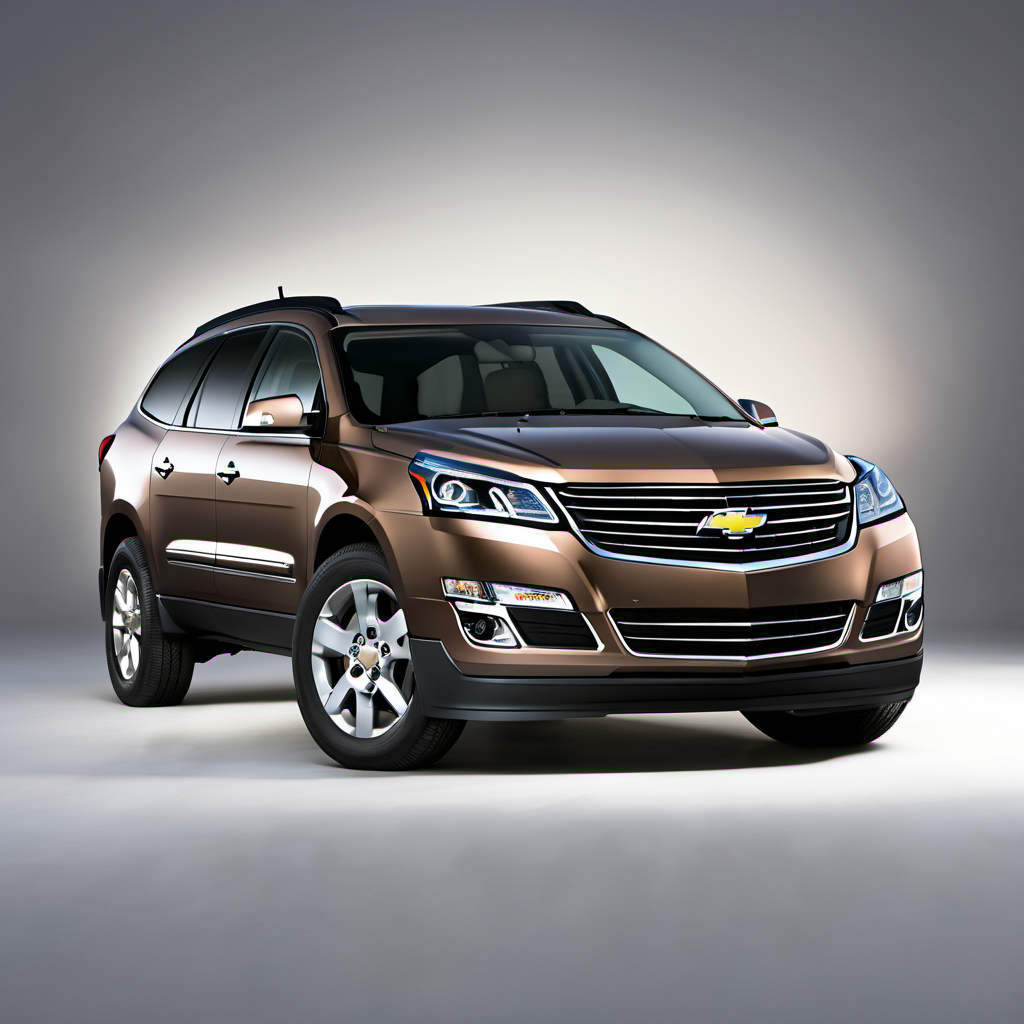
More interior space and seating for the money, smoother ride. Misses on off-road capability and towing, but is a strong daily driver alternative at a similar used price point.
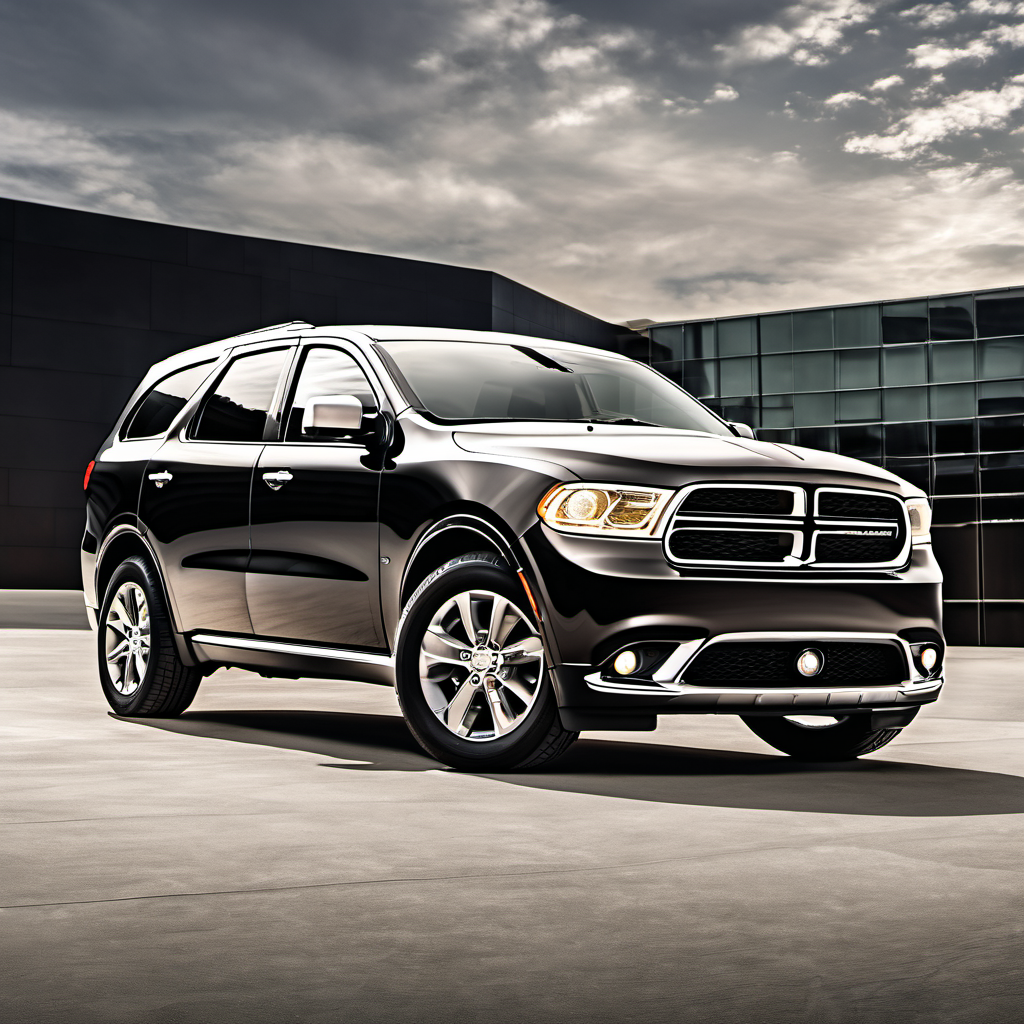
Shares the WK2 Grand Cherokee platform and engines — including the HEMI — but adds a third row and higher towing capacity. More truck, less refinement, same maintenance considerations.