VVT-i Oil Control Valve (OCV) Sludging / Camshaft Timing Codes
medium- Typically appears
- 60–150k mi
- Estimated repair
- $150 – $600
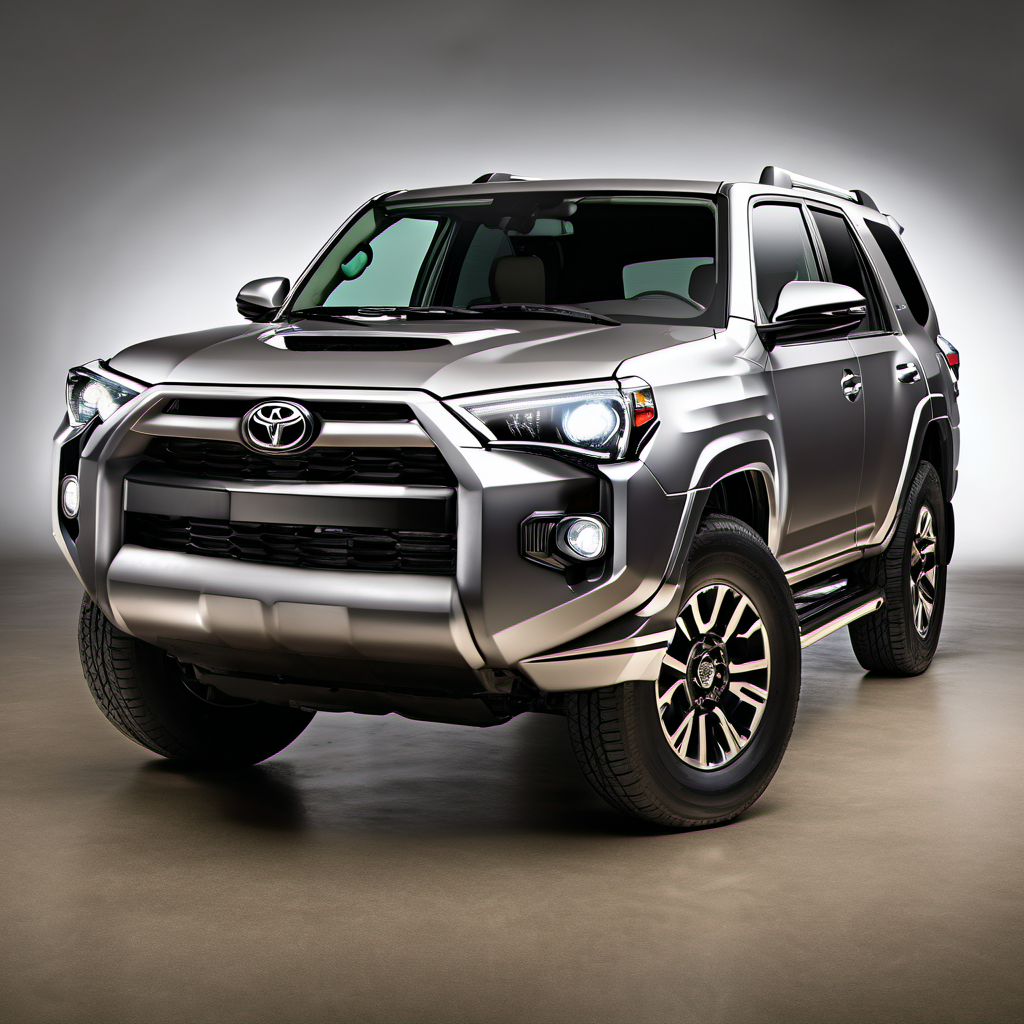
2014 Toyota
4.0L V6 · SUV
The 2014 Toyota 4Runner is a fifth-generation body-on-frame SUV that has earned a loyal following for its rugged durability and off-road capability — in a segment that has mostly migrated to car-based crossovers. Powered by a 4.0L V6 and backed by Toyota's time-tested 4WD system, it's built to handle Wisconsin winters, forest roads, and boat-launch ramps without complaint. Inside, the 4Runner is deliberately old-school: upright seating, a tall ride height, and a real transfer case. It's not the most fuel-efficient or the most refined highway cruiser, but owners routinely rack up 200,000–300,000 miles with nothing more than routine maintenance. The 2014 model sits in the sweet spot of the fifth generation — the major first-year bugs of 2010 were already sorted. For Lake Geneva-area owners this truck is a strong choice: the part-time 4WD with low range handles deep snow and icy hills, ground clearance keeps the underside away from packed snow, and the proven drivetrain doesn't leave you stranded in the cold.
The 2014 Toyota 4Runner is a fifth-generation body-on-frame SUV that has earned a loyal following for its rugged durability and off-road capability — in a segment that has mostly migrated to car-based crossovers. Powered by a 4.0L V6 and backed by Toyota's time-tested 4WD system, it's built to handle Wisconsin winters, forest roads, and boat-launch ramps without complaint. Inside, the 4Runner is deliberately old-school: upright seating, a tall ride height, and a real transfer case. It's not the most fuel-efficient or the most refined highway cruiser, but owners routinely rack up 200,000–300,000 miles with nothing more than routine maintenance. The 2014 model sits in the sweet spot of the fifth generation — the major first-year bugs of 2010 were already sorted. For Lake Geneva-area owners this truck is a strong choice: the part-time 4WD with low range handles deep snow and icy hills, ground clearance keeps the underside away from packed snow, and the proven drivetrain doesn't leave you stranded in the cold.
The 1GR-FE VVT-i system is sensitive to oil cleanliness. Sludged oil is the #1 cause of expensive VVT and timing chain repairs on this engine. Use 0W-20 or 5W-20 full synthetic and change it on time, every time.
These fluids are routinely skipped but are critical to the 4WD drivetrain's longevity. Moisture and metal particles degrade the fluid; fresh fluid is cheap insurance against $1,500+ rebuilds.
The iridium plugs last 60k but misfires from worn plugs put stress on ignition coils, which are more expensive. Do plugs and inspect coils together.
Toyota SLLC is pink/red. Do not mix with green coolant. Degraded coolant corrodes the aluminum water pump and intake passages.
Brake fluid absorbs moisture over time. In Wisconsin winters, moisture-laden fluid lowers the boiling point and can cause ABS actuator corrosion from the inside. A $80 flush prevents a $1,000+ actuator replacement.
Water crossings and Wisconsin road spray work past worn seals. Catching a seeping rear axle seal early is a $50 fix; ignoring it contaminates the rear brakes and differential.
Lake Geneva roads are heavily salted November through March. Annual inspection of frame rails, control arm mounts, and skid plate brackets — plus a rust-inhibitor application — extends structural life significantly.
The 4Runner's cabin filter is behind the glove box and often skipped. A clogged filter strains the blower motor and reduces defrost effectiveness — a real problem in Wisconsin winters.
Always defer to the manufacturer's service manual for warranty-mandated intervals.
The 4Runner has a low cost-of-ownership story once you accept the fuel bill. Routine maintenance is affordable at an independent shop, major failures are rare when oil changes are done on time, and resale value is strong enough that you recover more at trade-in or sale than most comparable trucks. Budget $400–$900/year for normal service intervals; add $200–$400 every 30k for drivetrain fluids if you use the 4WD system regularly.

Similar size and 7-passenger option, but unibody construction makes it less off-road capable and typically less durable long-term. Better fuel economy and smoother ride for purely on-road families.
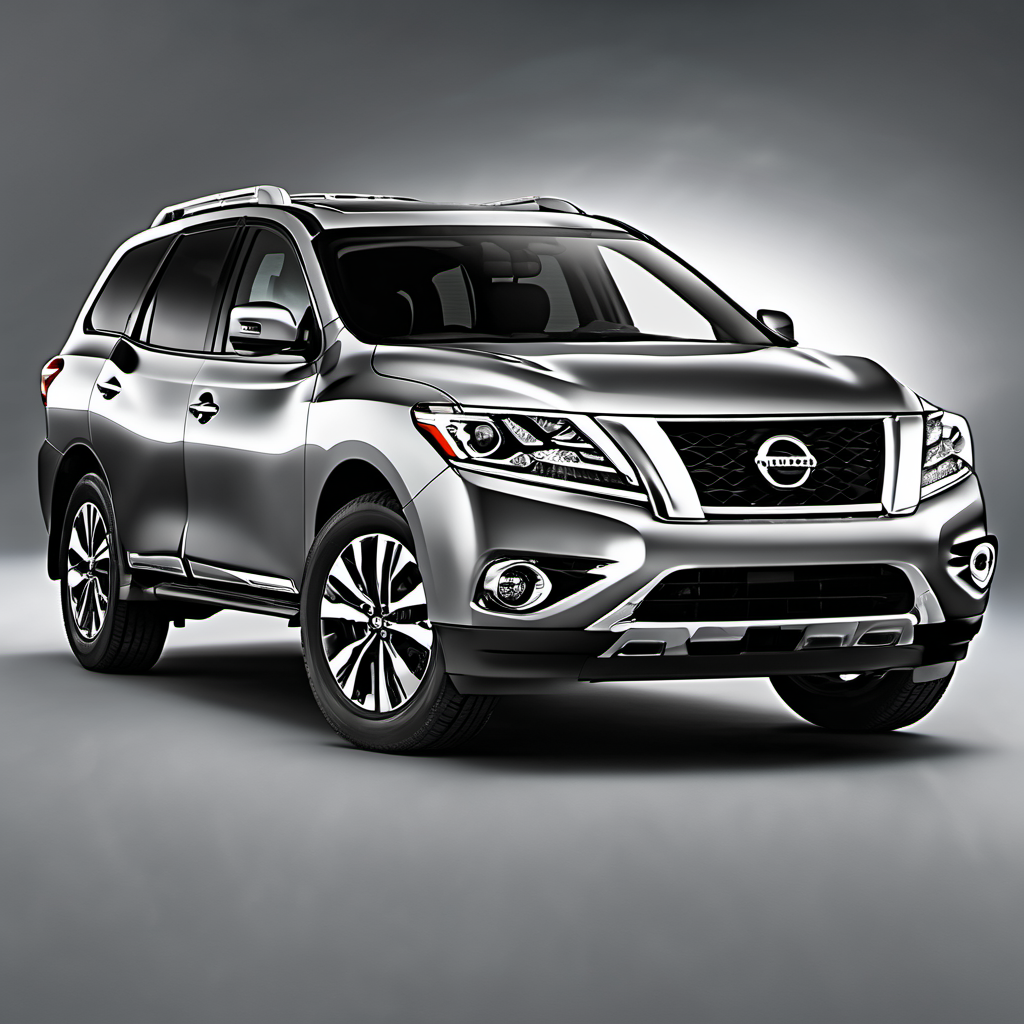
Redesigned to a unibody crossover for 2013; significantly less capable off-road and has a weaker reliability record than the 4Runner, but offers better fuel economy and a more car-like interior.
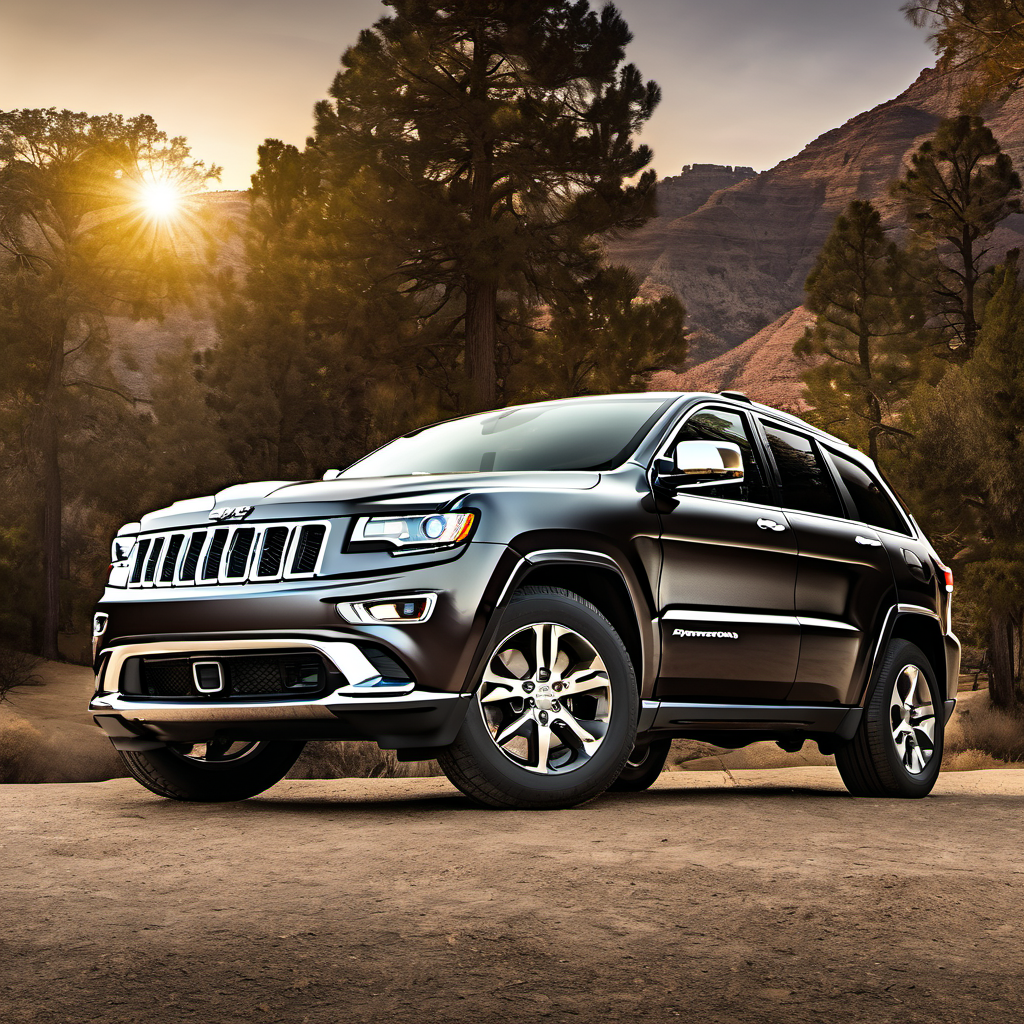
Body-on-frame durability (Trail Rated versions) with strong off-road credentials. Comparable capability but higher long-term repair costs and lower resale value than the 4Runner.
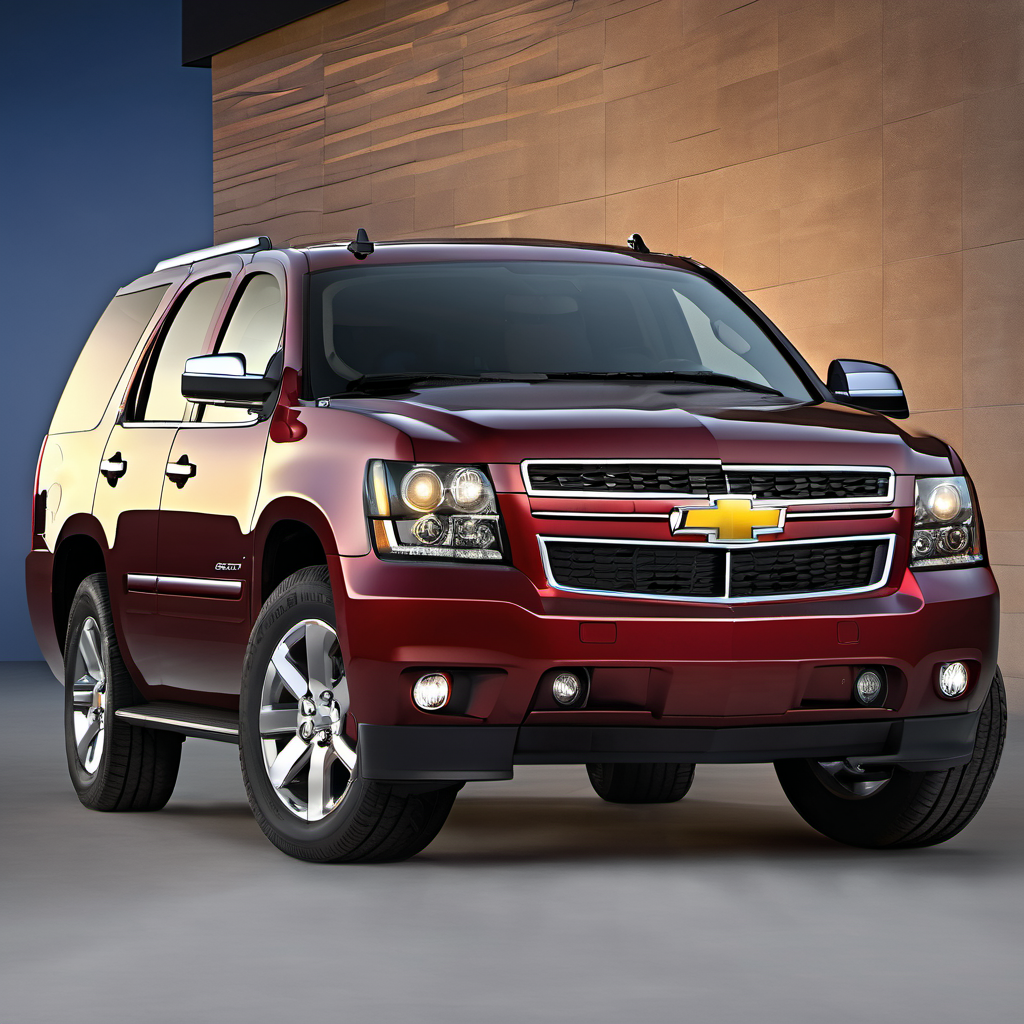
Full-size body-on-frame alternative with more interior room and towing capacity. More expensive to fuel and own, but a strong choice if you need the extra size and 8,400 lb tow rating.