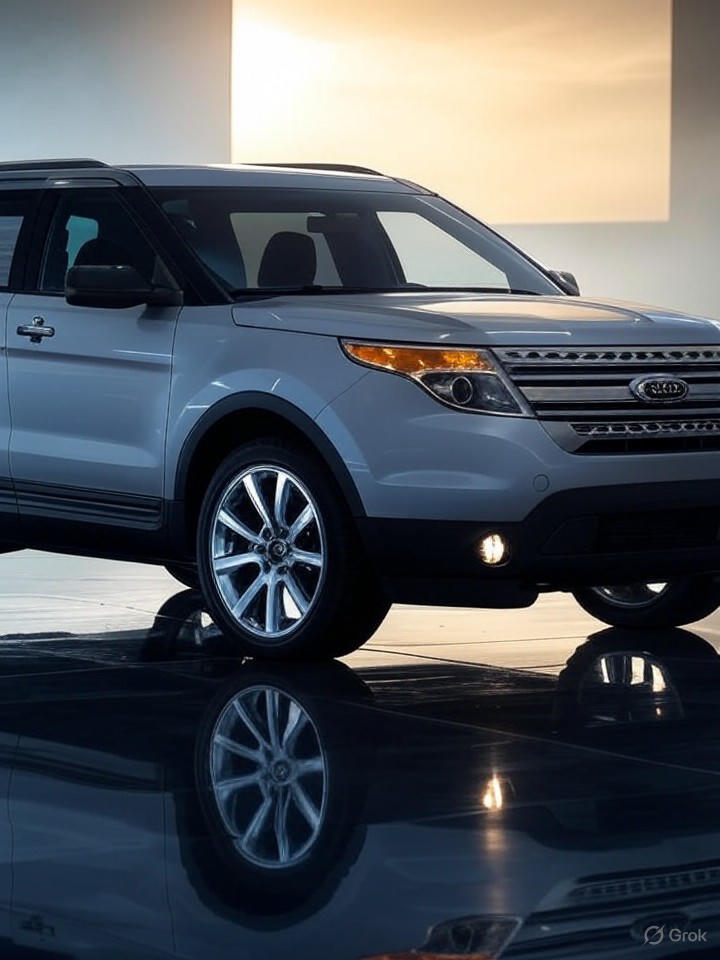
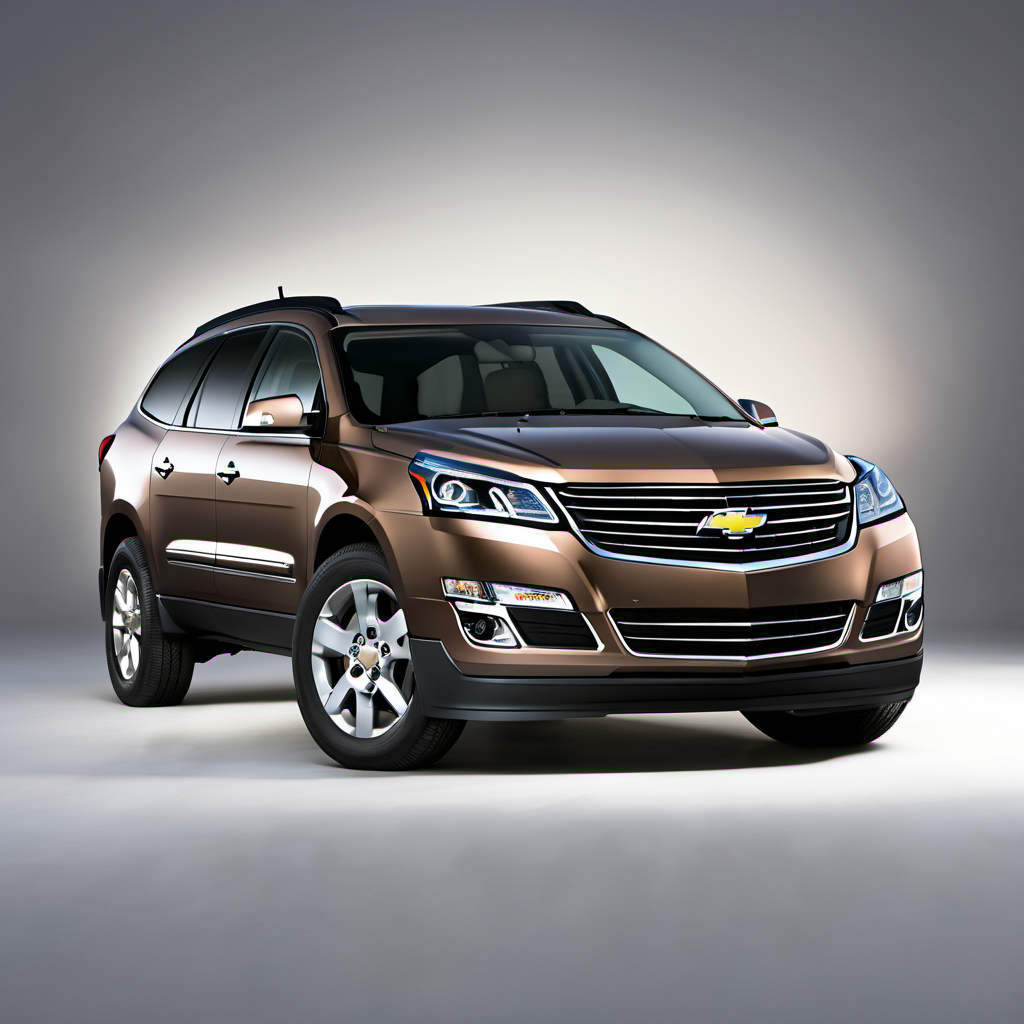
2014 Ford Explorer SUV

2014 Ford

ExplorerSUV

3.5L V6 · SUV

The 2014 Ford Explorer is a midsize three-row SUV built on Ford's unibody CD4 platform — a significant departure from the truck-based body-on-frame Explorer of earlier generations. Powered primarily by a 2.0L EcoBoost four-cylinder or the more popular 3.5L V6 (naturally aspirated or EcoBoost), it seats up to seven and competes squarely with the Chevrolet Traverse and Toyota Highlander. The 2014 model year landed mid-generation and benefits from a few years of initial bugs being sorted out, though several known issues persist across the 2011–2015 run. For buyers in the Lake Geneva area, the all-wheel-drive versions are the smart pick — the terrain and winters demand it. The Sport trim's twin-turbo 3.5L EcoBoost makes it quick, but the naturally aspirated 3.5L V6 is the most straightforward long-term ownership choice. All trims come with Ford's MyFord Touch infotainment, which was controversial when new and is simply outdated now — budget for potential updates or annoyance. Overall, the 2014 Explorer is a capable, comfortable family hauler with a solid feature set for the money on the used market. Just be aware of its known mechanical quirks, especially around the timing chain system and the infamous exhaust-fume-in-cabin complaint that Ford addressed with a TSB.

Reliability
3/5
Verified data
Specs shown for Explorer AWD FFV — the most common configuration. Other trims may vary in engine, drivetrain, or fuel economy. Sign in to see your vehicle's exact specs.
Engine
[object Object]
Drivetrain
AWD
Fuel
Gasoline
MPG
17 city / 24 hwy / 20 combined
Seats
7
Doors
4
Body
SUV
MSRP
$31,040

Overview

AI-curated

The 2014 Ford Explorer is a midsize three-row SUV built on Ford's unibody CD4 platform — a significant departure from the truck-based body-on-frame Explorer of earlier generations. Powered primarily by a 2.0L EcoBoost four-cylinder or the more popular 3.5L V6 (naturally aspirated or EcoBoost), it seats up to seven and competes squarely with the Chevrolet Traverse and Toyota Highlander. The 2014 model year landed mid-generation and benefits from a few years of initial bugs being sorted out, though several known issues persist across the 2011–2015 run. For buyers in the Lake Geneva area, the all-wheel-drive versions are the smart pick — the terrain and winters demand it. The Sport trim's twin-turbo 3.5L EcoBoost makes it quick, but the naturally aspirated 3.5L V6 is the most straightforward long-term ownership choice. All trims come with Ford's MyFord Touch infotainment, which was controversial when new and is simply outdated now — budget for potential updates or annoyance. Overall, the 2014 Explorer is a capable, comfortable family hauler with a solid feature set for the money on the used market. Just be aware of its known mechanical quirks, especially around the timing chain system and the infamous exhaust-fume-in-cabin complaint that Ford addressed with a TSB.

Known for
  • Practical three-row seating and large cargo area
  • Available twin-turbo 3.5L EcoBoost Sport trim performance
  • Responsive AWD system with terrain management modes
  • MyFord Touch infotainment (divisive but feature-rich)
  • Strong towing capacity for the class (up to 5,000 lbs with V6)
Best for
  • Families needing three rows with car-like ride comfort
  • Wisconsin winters with AWD and adequate ground clearance
  • Light towing — boats, small campers
  • Daily commuters wanting SUV utility without truck-sized fuel bills
  • Used-market buyers seeking a loaded midsize SUV at a reasonable price
Watch for
  • Timing chain stretch on 2.0L EcoBoost and 3.5L V6 — common and expensive
  • Exhaust/carbon monoxide intrusion into the cabin (Ford TSB 14-0130)
  • MyFord Touch system glitches and touchscreen failures
  • PTU (Power Transfer Unit) failures on AWD models — often due to neglected fluid changes
  • Rust on undercarriage and around wheel arches from Wisconsin road salt

Common issues by mileage

6 known

PTU (Power Transfer Unit) Failure — AWD Models

high
Typically appears
60–100k mi
Estimated repair
$800 – $2,200

Exhaust / Carbon Monoxide Intrusion into Cabin

medium
Typically appears
30–100k mi
Estimated repair
$200 – $700

MyFord Touch / SYNC Touchscreen Failure or Freezing

high
Typically appears
40–100k mi
Estimated repair
$300 – $1,000

Oxygen Sensor / Heater Circuit Faults

medium
Typically appears
80–130k mi
Estimated repair
$150 – $400

Front Control Arm Bushings and Ball Joint Wear

medium
Typically appears
80–120k mi
Estimated repair
$400 – $900

Maintenance schedule

  1. 1
    Every 5,000 miles (do not stretch to Ford's 7,500-mile OLM recommendation on high-mileage or hard-use vehicles) Engine oil change — full synthetic 5W-20

    The VCT (variable cam timing) system is highly sensitive to oil quality and pressure. Dirty or low oil is the primary cause of timing chain stretch and solenoid faults — the most expensive repair on this platform.

  2. 2
    Every 30,000 miles — or immediately if unknown on a used purchase PTU (Power Transfer Unit) fluid change

    Ford's original service interval was too long. The PTU runs hot and its fluid degrades quickly. Neglected fluid is the #1 cause of PTU bearing failure, a $800–$2,200 repair.

  3. 3
    Every 30,000–45,000 miles Rear differential fluid change (AWD models)

    Often overlooked. Degraded fluid accelerates clutch pack wear in the rear drive unit.

  4. 4
    Every 15,000–20,000 miles or annually Cabin air filter replacement

    Wisconsin road dust and pollen load it up fast. A clogged filter strains the HVAC blower and degrades air quality — especially relevant given this vehicle's exhaust intrusion history.

  5. 5
    Every 60,000 miles Spark plug replacement

    The 3.5L V6 uses iridium plugs with a 60k interval. Worn plugs cause misfires and can mask VCT or timing faults.

  6. 6
    Every 2 years regardless of mileage Brake fluid flush

    Hygroscopic fluid absorbs moisture faster in Wisconsin's humidity swings, lowering boiling point and accelerating caliper corrosion.

  7. 7
    Monthly during winter, full inspection each spring Undercarriage wash and inspection

    Lake Geneva roads are heavily salted. Salt accelerates rust on brake lines, the PTU/RDU housing, and exhaust components — all structurally or mechanically critical on this platform.

  8. 8
    Every fall (September–October) Battery load test

    The Explorer's electrical load — heated seats, AWD system, MyFord Touch — is hard on batteries. Sub-zero Wisconsin starts kill a weak battery fast. Replace proactively at 4–5 years.

Always defer to the manufacturer's service manual for warranty-mandated intervals.

Cost of ownership

Annual maintenance
$700 – $1,400
Fuel
At 20 MPG combined and ~15,000 miles/year, expect roughly $2,100–$2,500/year at current mid-grade Wisconsin pump prices. EcoBoost trims require 91 octane premium, adding ~$300/year to that estimate.
Insurance
Midsize SUV rates in Walworth County typically run $1,200–$1,800/year for full coverage on a 2014 model, depending on driver profile and trim.

The 2014 Explorer is affordable to buy used but can surprise you with repair costs if maintenance has been deferred. A clean, well-documented example with fresh PTU fluid and no timing chain codes is worth paying a modest premium for. Budget an extra $500–$1,000 as a contingency fund if buying with unknown service history — PTU and timing chain jobs are the big gotchas.
Seasonal care

Lake Geneva, WI
Winter
  • Switch to a full-synthetic 5W-20 if not already — cold cranking protection matters at Wisconsin sub-zero temps and protects the VCT system on startup.
  • Load-test the battery every October. The Explorer's high electrical demand (AWD, heated seats, SYNC) drains a marginal battery fast in the cold.
  • Install a quality winter wiper blade set and fill the reservoir with -20°F or -40°F rated washer fluid — standard fluid will freeze in the nozzles.
  • Inspect brake lines and PTU/RDU housings for salt corrosion each fall — these are the highest-cost rust casualties on this platform.
  • Check AWD system function before winter: engage each terrain mode and verify no warning lights. A PTU starting to fail will often show signs in cold weather first.
  • Keep the gas tank at least half full to prevent fuel line moisture and add weight over the rear axle for traction.
Summer
  • Check tire pressure monthly — tires gain roughly 1 PSI for every 10°F of temperature increase; over-inflation in summer heat affects handling and wear.
  • Inspect and recharge the A/C system if cooling is weak — the Explorer's cabin is large and the compressor works hard; a slow refrigerant leak is common by this age.
  • Check coolant concentration (should protect to at least -34°F year-round, which also raises the boiling point for summer heat protection).
  • Inspect the radiator and transmission cooler for bug/debris buildup — restricted airflow causes heat soak and can contribute to transmission temperature spikes, especially when towing.

Comparable vehicles

If you're shopping for one

Red flags
  • Any active or recent timing/VCT-related codes (P0012, P0015, P0022, P0025) without a documented repair — budget $1,500–$3,500.
  • Exhaust smell inside the cabin with no proof of TSB 14-0130 remedy — this is a safety issue, not just a comfort one.
  • No PTU fluid service records on an AWD model over 60k miles — PTU failure is a when-not-if situation without maintenance.
  • Evidence of coolant or oil leaks around the front of the engine (intake manifold gaskets and oil cooler lines are weak points).
  • Rust perforation on rocker panels or rear arches — structural rust on a unibody SUV is a deal-breaker, not a negotiation point.
What to inspect
  • Pull codes before purchase — P0012, P0015, P0022, P0025 (timing/VCT codes) are red flags that could signal an expensive repair is imminent.
  • Ask for PTU and rear differential fluid change records. If none exist, factor $300–$500 into your offer for immediate service.
  • Sit inside with the engine running and windows up for 5+ minutes — if you smell exhaust fumes, walk away or confirm the TSB 14-0130 repair has been completed.
  • Test every function of the MyFord Touch system — touchscreen responsiveness, SYNC voice commands, backup camera, and navigation. Replacement units are costly.
  • Check for rust on the rear wheel arches, rocker panels, and underneath along the frame rails and brake lines — critical in any Wisconsin-registered vehicle.
  • Listen at cold start for any rattling from the engine (timing chain noise). A rattle that disappears after a few seconds of warm-up is still a warning sign.
AI profile generated 20 days ago · claude-sonnet-4-6 · v2.