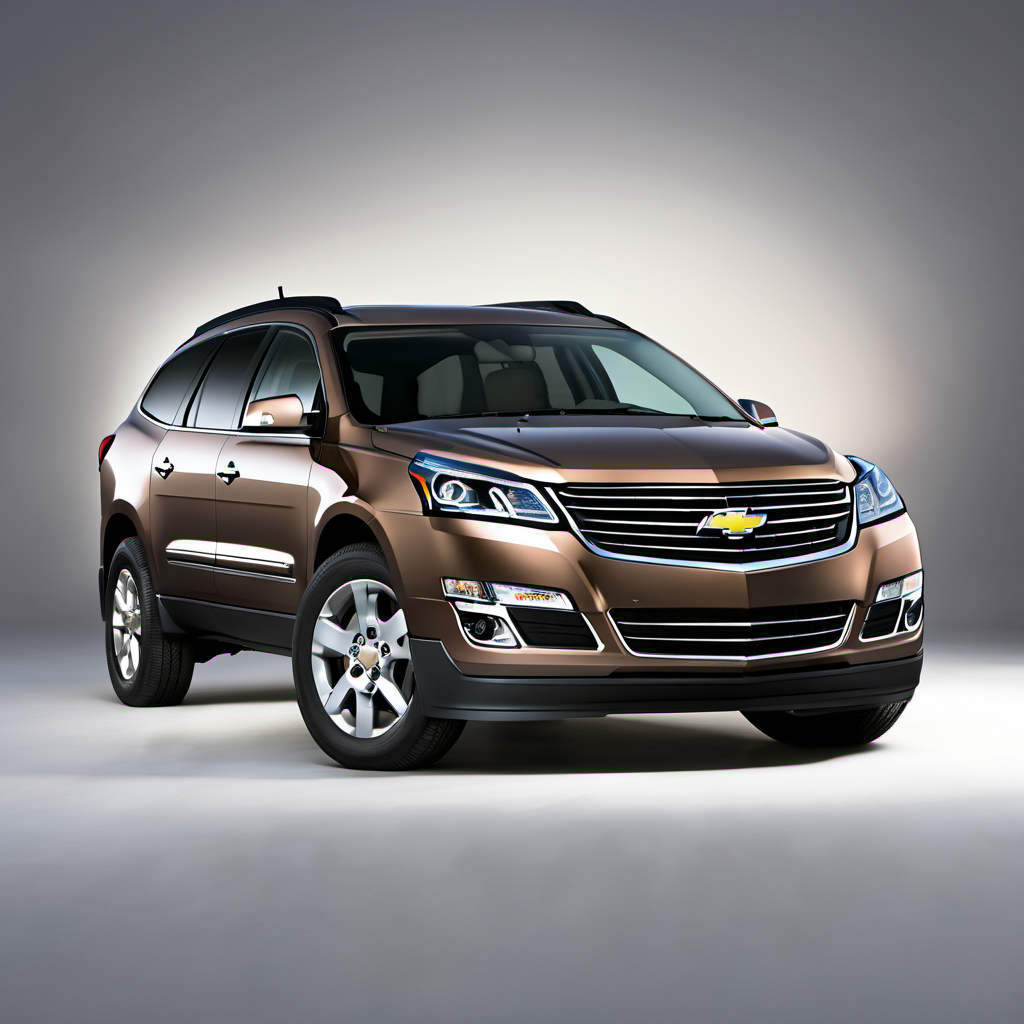
2014 Chevrolet Traverse SUV

2014 Chevrolet

TraverseSUV

3.6L V6 SIDI · SUV

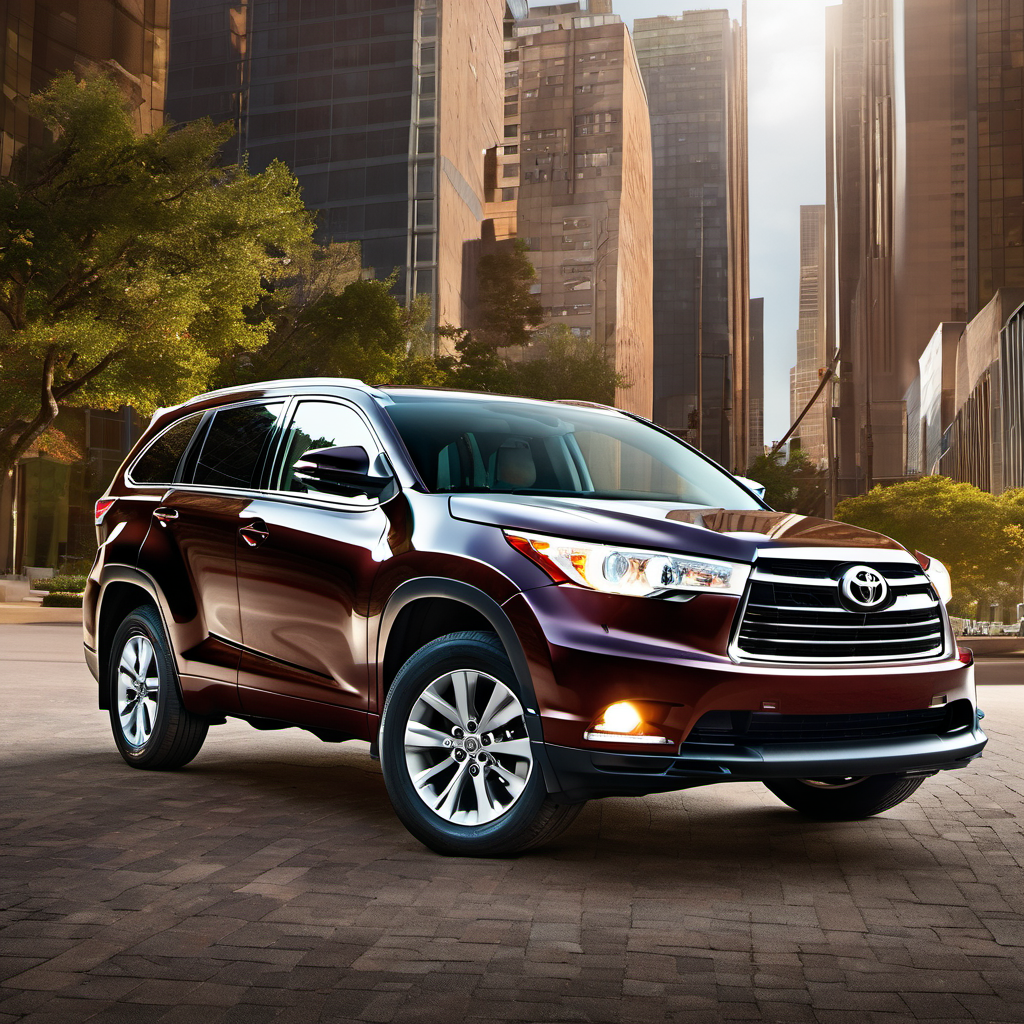
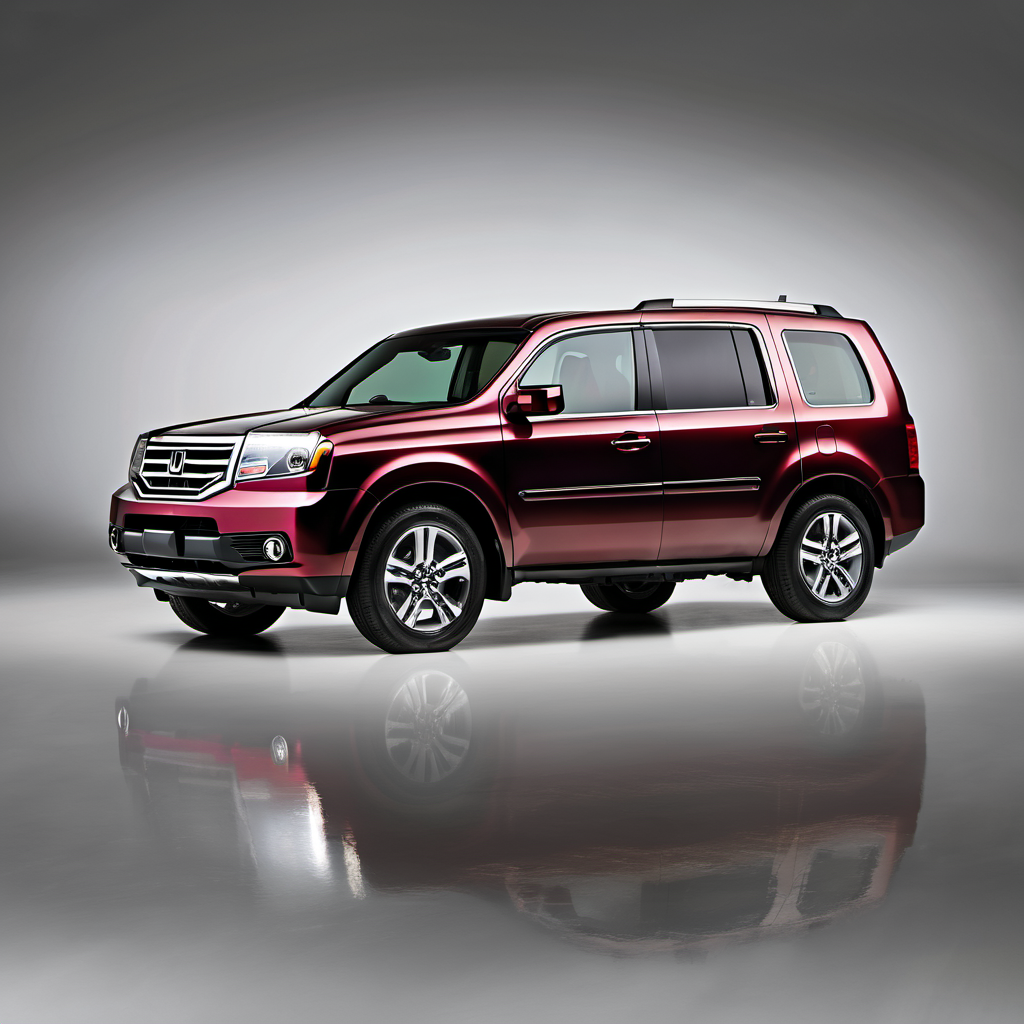
The 2014 Chevrolet Traverse is a three-row, unibody crossover SUV built on GM's Lambda platform and powered exclusively by the 3.6L V6. It seats up to eight and competes directly with the Ford Explorer, Toyota Highlander, and Honda Pilot. For families needing maximum passenger capacity and cargo flexibility without stepping up to a full-size SUV, the Traverse delivers a comfortable ride and genuinely usable third-row space. By 2014, the Traverse was in the final years of its first generation (2009–2017), which means the known early quirks had been addressed but the platform was aging. GM improved transmission and timing chain durability over the early-model years, but the 3.6L's VVT system and timing chain setup remain the primary long-term concern. AWD models have added confidence on Wisconsin winter roads but introduce a front differential and transfer case to maintain. Fuel economy is the Traverse's biggest weakness — expect real-world numbers close to the EPA estimates or slightly below in city driving. Owners who stay on top of oil changes and catch the timing chain early routinely push these past 200k miles. Those who don't often face expensive engine work before 150k.

Reliability
3/5
Verified data
Specs shown for Traverse AWD — the most common configuration. Other trims may vary in engine, drivetrain, or fuel economy. Sign in to see your vehicle's exact specs.
Engine
[object Object]
Drivetrain
AWD
Fuel
Gasoline
MPG
15 city / 22 hwy / 17 combined
Seats
8
Doors
4
Body
SUV
MSRP
$31,390

Overview

AI-curated

The 2014 Chevrolet Traverse is a three-row, unibody crossover SUV built on GM's Lambda platform and powered exclusively by the 3.6L V6. It seats up to eight and competes directly with the Ford Explorer, Toyota Highlander, and Honda Pilot. For families needing maximum passenger capacity and cargo flexibility without stepping up to a full-size SUV, the Traverse delivers a comfortable ride and genuinely usable third-row space. By 2014, the Traverse was in the final years of its first generation (2009–2017), which means the known early quirks had been addressed but the platform was aging. GM improved transmission and timing chain durability over the early-model years, but the 3.6L's VVT system and timing chain setup remain the primary long-term concern. AWD models have added confidence on Wisconsin winter roads but introduce a front differential and transfer case to maintain. Fuel economy is the Traverse's biggest weakness — expect real-world numbers close to the EPA estimates or slightly below in city driving. Owners who stay on top of oil changes and catch the timing chain early routinely push these past 200k miles. Those who don't often face expensive engine work before 150k.

Known for
  • Spacious three-row interior with genuine adult room in the third row
  • Smooth, composed highway ride for a crossover its size
  • 3.6L V6 power — adequate towing and confident merging
  • Strong resale and parts availability as a high-volume GM platform
Best for
  • Families needing seven or eight seats without a minivan
  • Midwest buyers who want AWD capability for winter without going full truck-based
  • High-mileage commuters who maintain their vehicle consistently
  • Budget-conscious buyers shopping the used three-row segment
Watch for
  • Timing chain wear and VVT solenoid issues on the 3.6L, especially with infrequent oil changes
  • Transmission shudder or early failure if fluid has never been changed
  • Power liftgate and sunroof drain failures leading to interior water intrusion
  • Excessive oil consumption on higher-mileage engines

Common issues by mileage

6 known

Transmission Shudder / Torque Converter Failure

medium
Typically appears
90–160k mi
Estimated repair
$400 – $3,500

Power Liftgate Strut / Motor Failure

high
Typically appears
60–120k mi
Estimated repair
$200 – $600

Oxygen Sensor / O2 Heater Circuit Fault

medium
Typically appears
80–130k mi
Estimated repair
$150 – $450

Excessive Engine Oil Consumption

medium
Typically appears
100–180k mi
Estimated repair
$0 – $2,000

Sunroof Drain Clog / Interior Water Intrusion

medium
Typically appears
50–120k mi
Estimated repair
$100 – $500

Maintenance schedule

  1. 1
    Every 5,000 miles or 6 months — do not rely solely on the oil life monitor on a used vehicle Engine oil and filter change

    The 3.6L's timing chain tensioners and VVT solenoids are lubricated by engine oil. Degraded or low oil is the #1 cause of the most expensive repair on this engine. Use full synthetic 5W-30.

  2. 2
    Every 45,000 miles on a used vehicle regardless of 'lifetime fluid' claims Transmission fluid change

    GM's Dexron VI fluid degrades under real-world load and heat. Fresh fluid is cheap insurance against the torque converter shudder this transmission is known for.

  3. 3
    Every 60,000 miles Spark plug replacement

    The 3.6L has 6 plugs in tight quarters — labor adds up. Doing all six on schedule prevents misfires and the secondary damage they cause to ignition coils.

  4. 4
    Every 5 years or 100,000 miles Coolant system flush

    Degraded coolant becomes acidic and attacks the water pump impeller and radiator plastic tanks. Both are expensive repairs on this engine.

  5. 5
    Every 3 years Brake fluid flush

    Brake fluid absorbs moisture over time, lowering its boiling point. Wisconsin road salt also accelerates corrosion in the brake hydraulics.

  6. 6
    Every spring Sunroof drain cleaning

    Debris from Wisconsin winters and fall leaves plugs the drain tubes. Blocked drains route water into the headliner and onto electrical components.

  7. 7
    Every 2–3 weeks during winter road salt season Undercarriage wash and inspection

    Lake Geneva roads are heavily salted. Salt accelerates rust on brake lines, fuel lines, and suspension components — a safety issue, not just cosmetic.

  8. 8
    Every 45,000 miles Transfer case fluid change (AWD models)

    Neglected transfer case fluid leads to noisy, rough AWD engagement and premature wear on an expensive component.

Always defer to the manufacturer's service manual for warranty-mandated intervals.

Cost of ownership

Annual maintenance
$600 – $1,400
Fuel
At 17 MPG combined and ~15,000 miles/year, expect roughly $1,800–$2,200/year in fuel at Midwest gas prices. AWD and stop-and-go commuting push toward the higher end.
Insurance
Typically $1,100–$1,600/year for a 2014 Traverse in Wisconsin for a standard driver profile — mid-range for the three-row crossover segment.

The Traverse is inexpensive to own when maintenance is current and nothing major breaks. The catch is that the two most common failures — timing chain and transmission — are both $1,000+ jobs. Budget for those proactively through fluid discipline and you'll likely avoid them. A neglected example can easily run $3,000–$5,000 in deferred repairs in the first year of ownership.

Seasonal care

Lake Geneva, WI
Winter
  • Switch to a full synthetic 5W-30 if not already used — it flows immediately at sub-zero temps and protects the VVT solenoids on cold starts, which is when most timing chain wear occurs.
  • Test the battery every October. The 3.6L starter draws significant current; a marginal battery that starts fine in September will fail at -10°F. Replace anything below 500 CCA or more than 4 years old.
  • Fill the washer fluid reservoir with a rated -20°F or colder concentrate — Lake Geneva winters regularly hit those temps and standard fluid will freeze in the lines.
  • Flush the cooling system if overdue — a proper 50/50 antifreeze mix protects to -34°F; a diluted or old mix can fail and cause freeze damage to the engine block.
  • Rinse the undercarriage every 2–3 weeks during salt season, paying attention to the rear brake line routing where the Traverse is known to rust prematurely.
  • Check tire pressure weekly in cold weather — pressure drops roughly 1 PSI per 10°F drop. Under-inflated tires reduce AWD effectiveness and increase stopping distances on ice.
Summer
  • Inspect the A/C system before the first heat wave — the Traverse's cabin is large and the compressor works hard; a weak refrigerant charge will not keep up on a 90°F Wisconsin day with a full load of passengers.
  • Check tire pressure — summer heat inflates pressure above the door placard spec. Over-inflation reduces contact patch and handling on hot pavement.
  • Clear sunroof drains in late spring after pollen and seed debris accumulate — this is the highest-risk season for interior water damage.
  • Inspect the serpentine belt and tensioner — heat accelerates rubber degradation, and a belt failure will strand you and potentially overheat the engine.
  • Check engine coolant level and condition — the 3.6L runs warm under load and low or degraded coolant leads to overheating, which is catastrophic on this aluminum-block engine.

Comparable vehicles

If you're shopping for one

Red flags
  • Any active check engine light related to P0012, P0015, P0022, or P0025 — these indicate VVT/timing issues that may require immediate engine work.
  • Evidence of oil changes beyond 7,500-mile intervals in the service history — the 3.6L does not tolerate neglect.
  • Transmission that hesitates, shudders at highway speeds, or slips between gears — budget for a full rebuild if buying anyway.
  • Rust perforations on the frame, subframe, or brake lines — a Wisconsin-specific concern that can make the vehicle unsafe or uneconomical to repair.
  • No documented service history on a vehicle over 80,000 miles — assume the worst-case maintenance scenario and price accordingly.
What to inspect
  • Pull the oil filler cap and check for sludge or a milky residue — either signals chronically late oil changes, which directly predicts timing chain and VVT damage.
  • With the engine warm and at idle, listen for a rattling or ticking from the front of the engine on startup — timing chain noise is a major red flag and repair is imminent.
  • Request a transmission fluid check — dark brown or burnt-smelling fluid means the service has been skipped and the torque converter is at risk.
  • Test the power liftgate through its full cycle at least three times — motors and struts fail frequently and a replacement is $200–$600.
  • Check all four wheel wells and the undercarriage for rust, especially the rear brake lines and subframe mounting points — Lake Geneva area vehicles may already have significant salt damage.
  • Run the A/C and look for hesitation or warm air — a weak charge or failing compressor clutch is common and A/C service adds $150–$400.
  • Look at the headliner above the sunroof for water stains — evidence of a clogged drain that has already caused damage.
AI profile generated 20 days ago · claude-sonnet-4-6 · v2.