VVT Cam Phaser / Oil Control Solenoid Failure (Pentastar V6)
high- Typically appears
- 60–120k mi
- Estimated repair
- $800 – $2,800
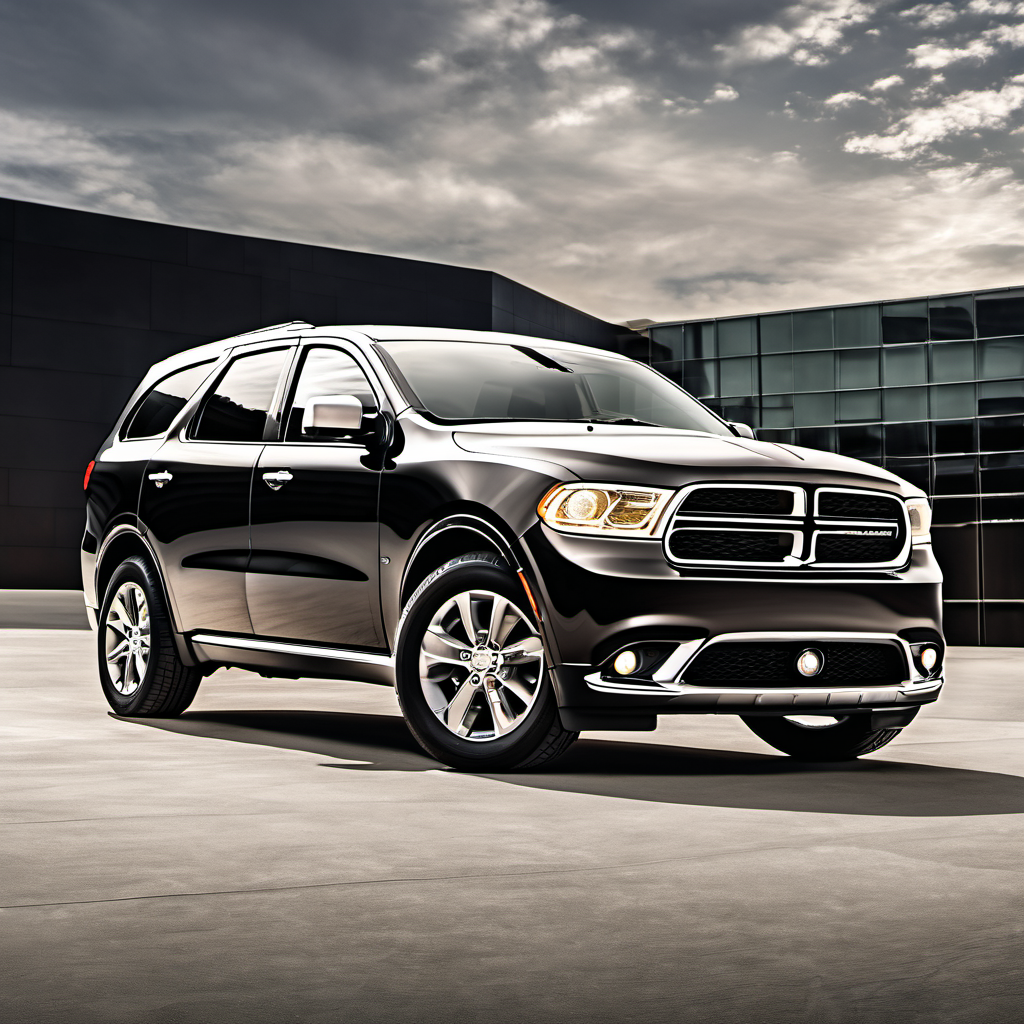
2014 Dodge
3.6L V6 Pentastar · SUV
The 2014 Dodge Durango is a third-generation, unibody, three-row SUV built on the same platform as the Jeep Grand Cherokee. Dodge repositioned the Durango as a genuine family hauler with car-like ride manners, available AWD, and — uniquely in its class — standard third-row seating across most trims. The 3.6L Pentastar V6 is the volume engine; the 5.7L HEMI V8 adds serious towing muscle (up to 7,400 lbs) and is the choice for buyers who regularly pull trailers. For the 2014 model year Dodge refined the interior with the Uconnect 8.4-inch touchscreen system, which received high marks for usability. Ride quality is genuinely comfortable for a three-row SUV, and the optional AWD system handles Wisconsin winters capably. Fuel economy with the V6 is reasonable for the class, though the V8 will cost you at the pump. This generation has a mixed reliability record. The Pentastar V6 and HEMI V8 are proven engines, but the variable valve timing (VVT) system — specifically the cam phasers and oil control solenoids — is a known pain point if oil changes are deferred. Buyers and owners should treat oil change intervals seriously on this engine family.
The 2014 Dodge Durango is a third-generation, unibody, three-row SUV built on the same platform as the Jeep Grand Cherokee. Dodge repositioned the Durango as a genuine family hauler with car-like ride manners, available AWD, and — uniquely in its class — standard third-row seating across most trims. The 3.6L Pentastar V6 is the volume engine; the 5.7L HEMI V8 adds serious towing muscle (up to 7,400 lbs) and is the choice for buyers who regularly pull trailers. For the 2014 model year Dodge refined the interior with the Uconnect 8.4-inch touchscreen system, which received high marks for usability. Ride quality is genuinely comfortable for a three-row SUV, and the optional AWD system handles Wisconsin winters capably. Fuel economy with the V6 is reasonable for the class, though the V8 will cost you at the pump. This generation has a mixed reliability record. The Pentastar V6 and HEMI V8 are proven engines, but the variable valve timing (VVT) system — specifically the cam phasers and oil control solenoids — is a known pain point if oil changes are deferred. Buyers and owners should treat oil change intervals seriously on this engine family.
The Pentastar V6 VVT system depends on clean oil for cam phaser and solenoid operation. Extended intervals are the #1 cause of expensive VVT failures on this engine.
FCA marks the 8-speed 'lifetime filled' but upper-Midwest driving conditions (temperature swings, towing) degrade fluid. Servicing it proactively is cheap insurance against a $3,000+ rebuild.
Wisconsin cold snaps cause belts to harden and crack faster. A belt failure leaves you stranded and can cause accessory damage.
The Pentastar's rear bank plugs are awkward to access; many shops skip them. All six should be replaced together to maintain even combustion.
Brake fluid absorbs moisture over time, lowering boiling point. Critical on a 4,800+ lb SUV doing winter driving in Wisconsin.
OAT coolant degrades in freeze-thaw cycles. Flush and refill to maintain freeze protection well below -34°F for Wisconsin winters.
Road salt in Lake Geneva area attacks brake lines, exhaust, and suspension. Catching early rust saves hundreds over full brake line replacement.
Cold-cranking demand on the 3.6L or 5.7L in sub-zero temps is high. A battery showing 70% or less capacity should be replaced before January hits.
Always defer to the manufacturer's service manual for warranty-mandated intervals.
The Durango is a mid-cost SUV to own when well-maintained. Routine service (oil, trans fluid, brakes) is the bulk of annual spend on a healthy example. The big bill risk is VVT system work ($800–$2,800) if oil changes were skipped by a prior owner, or TIPM replacement ($500–$1,400). Budget an extra $500–$1,000/yr on a used example with unknown service history until you've verified the key items are in good shape.
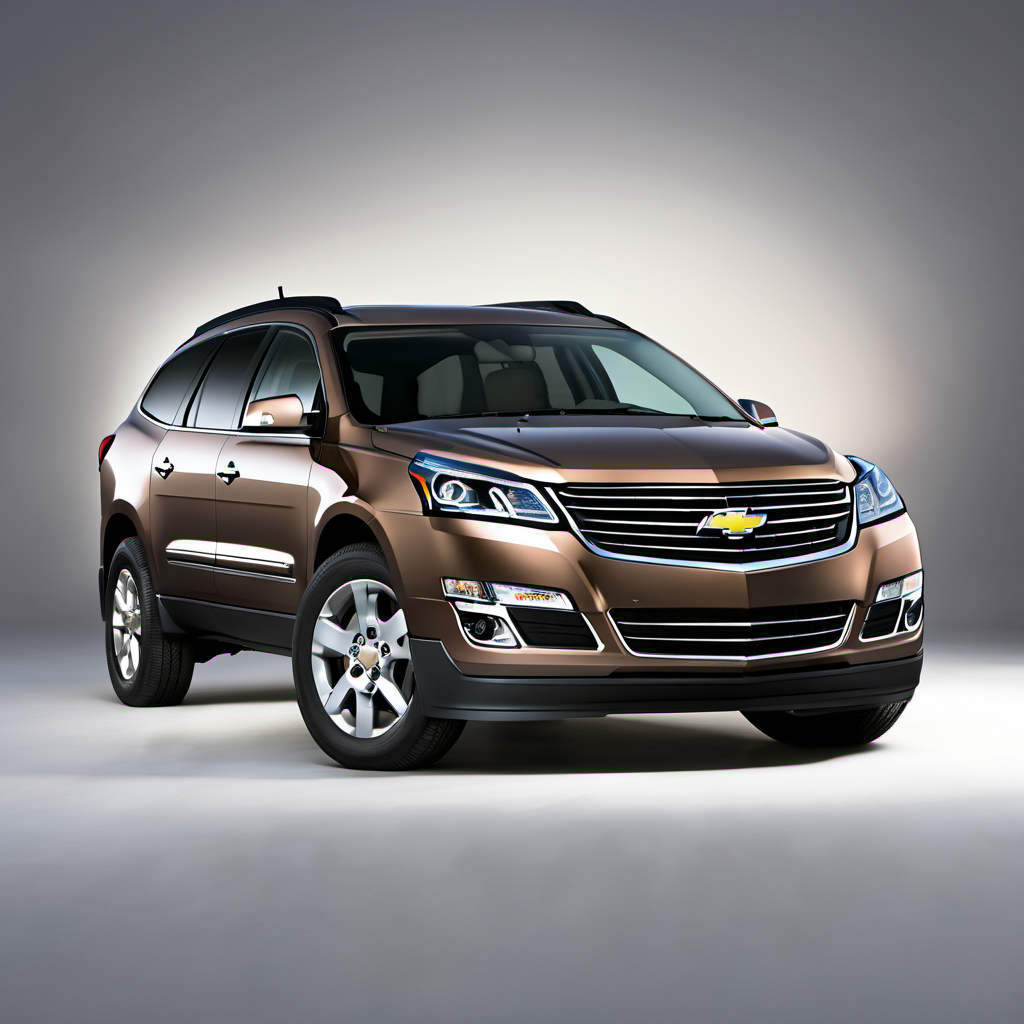
Three-row crossover SUV at a similar price point; more car-like but lower tow rating. Better reliability reputation for this model year, but less performance.
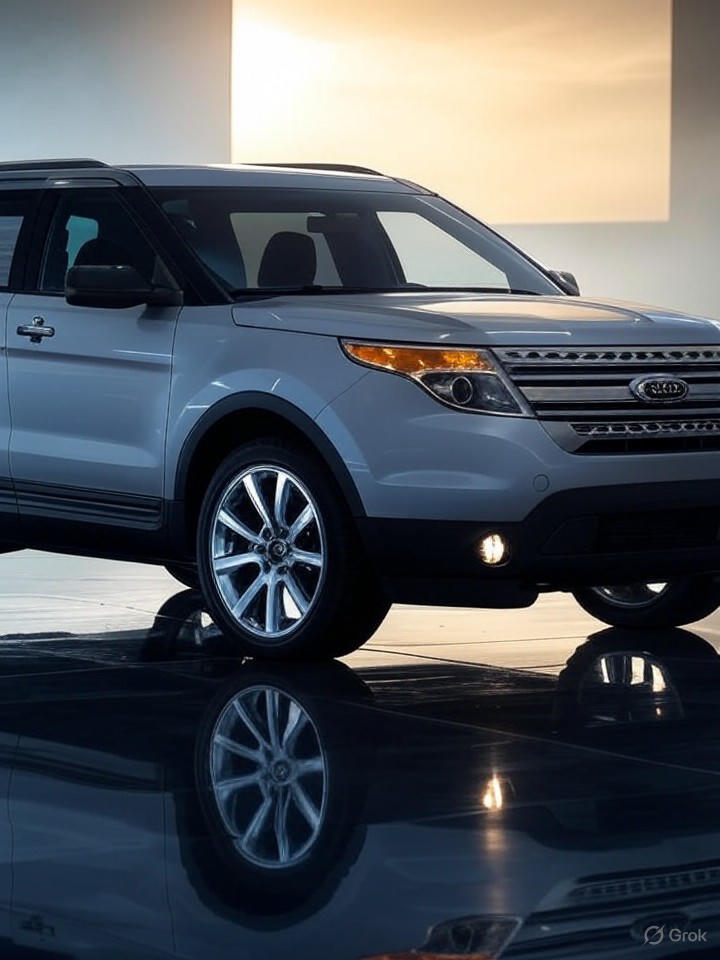
Direct three-row competitor with available AWD, similar pricing, and strong resale. EcoBoost engines offer decent fuel economy; more refined interior on higher trims.
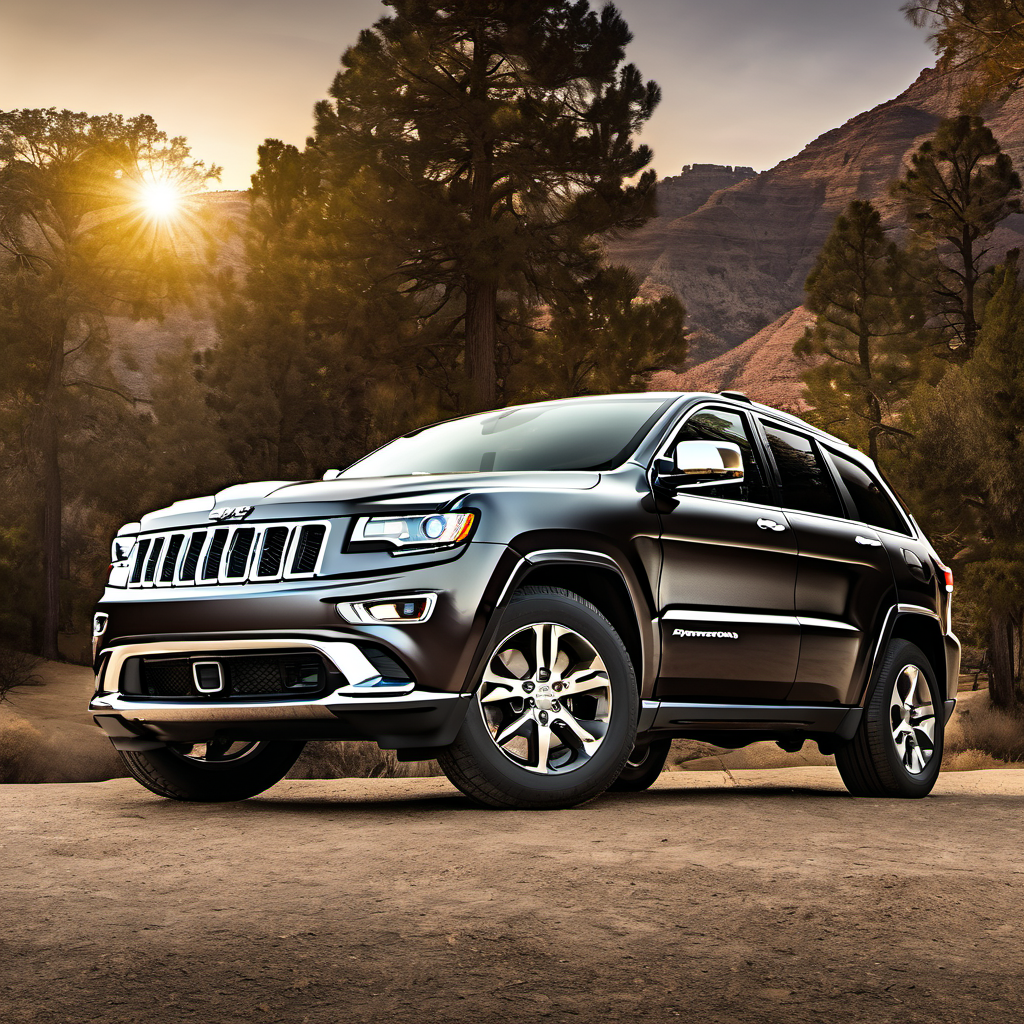
Same platform, same engines, similar driving feel — but only two rows. Choose the Grand Cherokee if you don't need the third row and want a slightly smaller footprint.
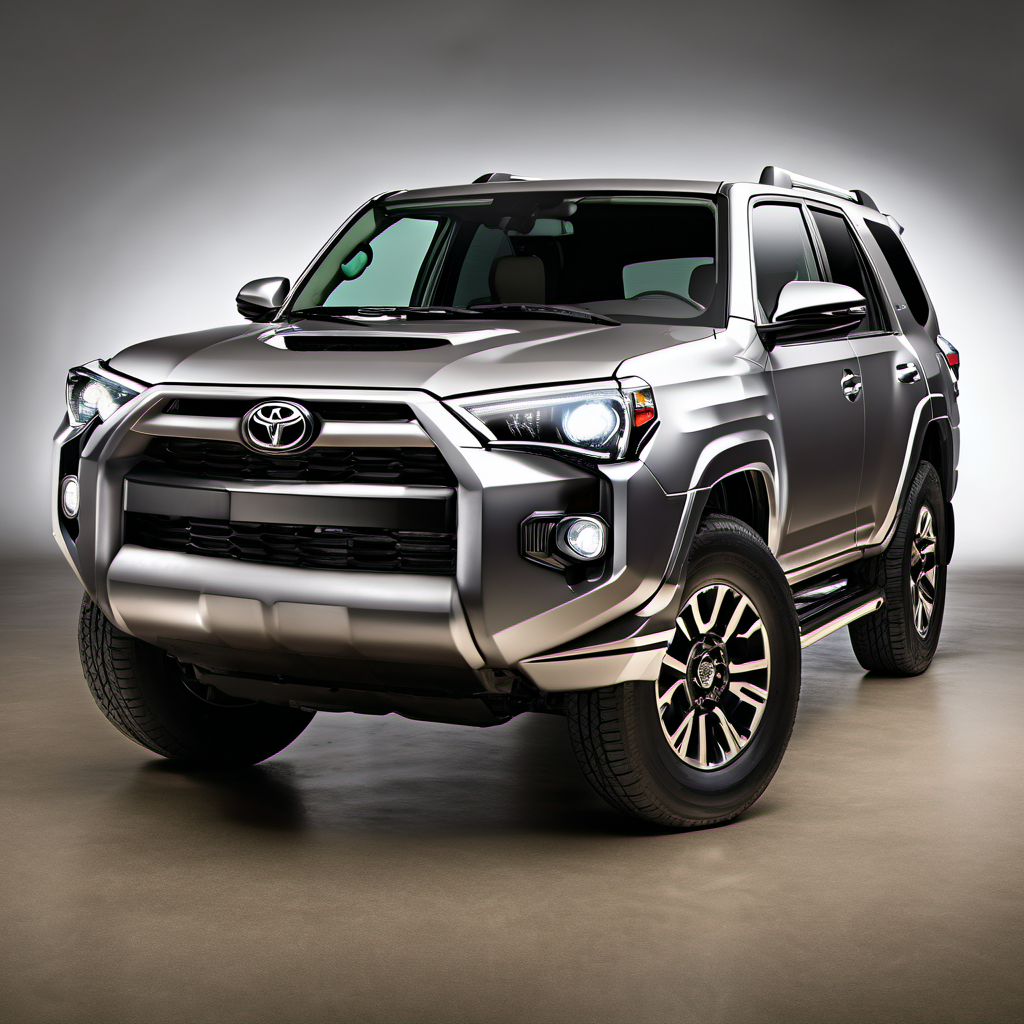
Body-on-frame vs. Durango's unibody, so ride is rougher — but the 4Runner is legendary for longevity and resists Wisconsin rust better. Good choice if off-road or extreme durability matters most.