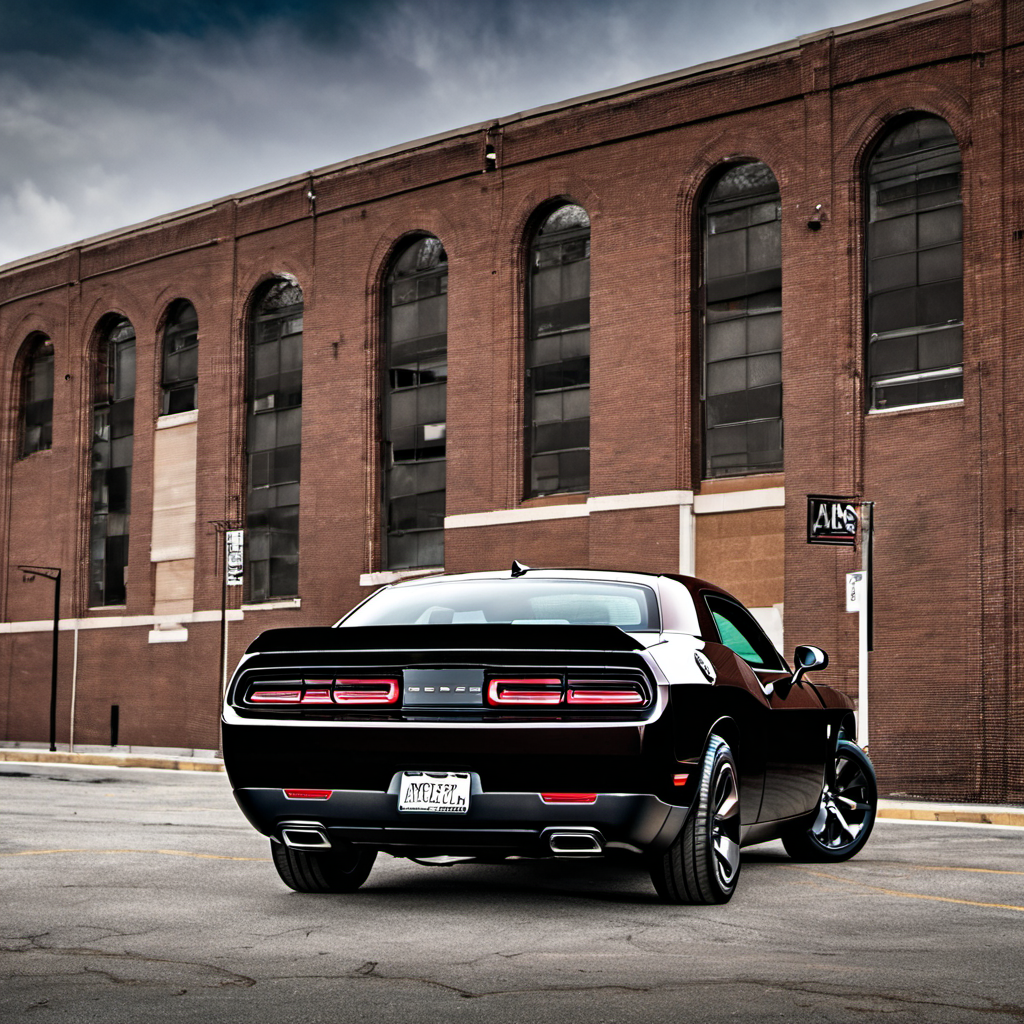
2014 Dodge Challenger Coupe
Popular pick

2014 Dodge

ChallengerCoupe

3.6L V6 Pentastar · Coupe

The 2014 Dodge Challenger is a retro-styled rear-wheel-drive muscle car built on Chrysler's LX platform. In V6 (SXT) trim it's the everyday-friendly entry point into the Challenger lineup — competent highway cruiser, comfortable two-door, and still visually unmistakable. It's a big, heavy coupe with more emphasis on straight-line presence than nimble cornering. The 3.6L Pentastar V6 is one of FCA's better modern engines, producing around 305 hp and pairing with a smooth 8-speed automatic. Real-world fuel economy is respectable for the class. The cabin is roomy for front occupants but tight in the rear, as expected for a muscle coupe. As a used buy, the Challenger V6 is generally affordable to own. The main watch-outs are VVT oil maintenance, rust on a 10-year-old Wisconsin car, and the usual wear items on a vehicle that may have been driven enthusiastically.

Reliability
3/5
Verified data
Specs shown for Challenger — the most common configuration. Other trims may vary in engine, drivetrain, or fuel economy. Sign in to see your vehicle's exact specs.
Engine
[object Object]
Drivetrain
RWD/Rear-Wheel Drive
Fuel
Gasoline
MPG
18 city / 27 highway
Seats
5
Doors
2
Body
Coupe
MSRP
$26,995

Overview

AI-curated

The 2014 Dodge Challenger is a retro-styled rear-wheel-drive muscle car built on Chrysler's LX platform. In V6 (SXT) trim it's the everyday-friendly entry point into the Challenger lineup — competent highway cruiser, comfortable two-door, and still visually unmistakable. It's a big, heavy coupe with more emphasis on straight-line presence than nimble cornering. The 3.6L Pentastar V6 is one of FCA's better modern engines, producing around 305 hp and pairing with a smooth 8-speed automatic. Real-world fuel economy is respectable for the class. The cabin is roomy for front occupants but tight in the rear, as expected for a muscle coupe. As a used buy, the Challenger V6 is generally affordable to own. The main watch-outs are VVT oil maintenance, rust on a 10-year-old Wisconsin car, and the usual wear items on a vehicle that may have been driven enthusiastically.

Known for
  • Bold retro styling that turns heads
  • Smooth, capable 3.6L Pentastar V6
  • Surprisingly comfortable long-distance cruiser
  • Large, heavy platform — noticeably bigger than rivals
  • Strong parts availability as a mainstream FCA product
Best for
  • Daily drivers who want style without V8 running costs
  • Highway commuters who prioritize comfort over sport handling
  • Buyers wanting muscle-car looks on a budget
  • Anyone who does most driving in a straight line
Watch for
  • RWD is a genuine liability in Wisconsin winters without proper tires
  • VVT system is sensitive to oil change intervals — skipped changes cause expensive problems
  • Rear seat and trunk access are tight for a daily-use family car
  • Heavier curb weight means higher tire and brake wear costs than comparably sized cars
  • 10-year-old examples are prime age for rust on the floor pans and wheel wells

Common issues by mileage

6 known

TIPM (Totally Integrated Power Module) electrical faults

medium
Typically appears
60–150k mi
Estimated repair
$400 – $1,200

Oxygen sensor / O2 heater circuit failure

medium
Typically appears
80–130k mi
Estimated repair
$150 – $400

Underbody / floor pan rust (Wisconsin road salt)

high
Typically appears
Any mileage on 10+ year old WI car
Estimated repair
$300 – $2,000

8-speed automatic transmission shudder or harsh shifts

low
Typically appears
80–150k mi
Estimated repair
$150 – $600

Maintenance schedule

  1. 1
    Every 5,000–6,000 miles (do NOT stretch to OLM full 10k on a used example) Engine oil & filter change

    The Pentastar's VVT system relies on clean, full-pressure oil. Sludged oil is the #1 cause of cam timing codes (P001x, P002x). On a used car with unknown history, shorten the interval.

  2. 2
    Every 45,000 miles or if fluid is dark/burnt-smelling Transmission fluid service

    FCA rates this as 'lifetime' fluid but that leads to shift complaints and converter shudder. Drain-and-fill at 45k intervals keeps the 8-speed running smoothly.

  3. 3
    Every 30,000 miles Spark plug replacement

    The Pentastar V6 uses platinum plugs. Neglected plugs cause misfires, rough idle, and put extra load on coil packs.

  4. 4
    Every 5 years or 100,000 miles Coolant flush

    OAT coolant degrades over time. Neglected coolant causes water pump and thermostat housing failures.

  5. 5
    Every 2–3 years Brake fluid flush

    Hygroscopic brake fluid absorbs moisture over Wisconsin winters, lowering boiling point and accelerating caliper corrosion.

  6. 6
    Every brake pad replacement Inspect and lubricate rear brake calipers

    Rear calipers on the Challenger are prone to sticking, especially on vehicles driven in salt. Seized calipers cause rapid rear pad and rotor wear.

  7. 7
    Every spring (after winter season) Inspect underbody, floor pans, and wheel wells for rust

    At 10 years old and Wisconsin-operated, this car has seen significant road salt exposure. Early rust catch = surface treatment; ignored rust = structural repair bills.

  8. 8
    Every 15,000–20,000 miles Air filter replacement

    A clogged air filter robs the Pentastar of performance and fuel economy. Quick and inexpensive to replace.

Always defer to the manufacturer's service manual for warranty-mandated intervals.

Cost of ownership

Annual maintenance
$600 – $1,200
Fuel
At 22 mpg combined and ~12,000 miles/year, expect roughly $1,600–$2,000/year at current Wisconsin gas prices. Premium fuel is not required — 87 octane is fine for the V6.
Insurance
Muscle coupes carry a modest insurance premium over sedans. Expect $1,200–$1,800/year for a typical adult driver in the Lake Geneva area, depending on driving record and coverage level.

The V6 Challenger sits in a sweet spot — you get the looks without V8 fuel and maintenance costs. Annual maintenance for a well-kept example runs $600–$1,200 at an independent shop. Budget extra in the first year of ownership to catch up on deferred maintenance items (trans fluid, plugs, brake fluid) that are common on used examples. Rust remediation is a wildcard on WI cars and could add $300–$2,000 depending on severity.
Seasonal care

Lake Geneva, WI
Winter
  • Swap to a dedicated set of winter tires — this is non-negotiable on a RWD car in Wisconsin. All-season tires are not sufficient in snow and ice.
  • Test the battery before the first hard freeze. Cold-cranking demand on a 3.6L V6 in sub-zero temps will kill a marginal battery fast.
  • Use winter-rated washer fluid (rated to at least -20°F). The standard fluid in the reservoir will freeze in Lake Geneva winters.
  • Check tire pressure weekly in winter — pressure drops ~1 PSI for every 10°F temperature drop, and underinflated tires worsen already-limited traction.
  • Flush brake fluid if it hasn't been done recently — moisture-laden fluid performs poorly in extreme cold and accelerates caliper rust.
  • After each significant snow event, rinse the underbody at a coin wash to remove road salt, particularly around the floor pans and wheel wells.
Summer
  • Check tire pressure in the morning before driving — summer heat causes pressure to rise and overinflated tires reduce traction and wear unevenly.
  • Inspect the A/C system before summer hits. The manual A/C on the SXT trim is straightforward but refrigerant loss is common on a 10-year-old car.
  • Dark paint colors (common on Challengers) absorb significant heat — check coolant level and watch for temperature gauge creep in stop-and-go traffic.
  • Inspect serpentine belt and tensioner — heat accelerates belt degradation and a failure leaves you stranded.
  • Check wiper blades — UV exposure degrades rubber quickly in summer, and you want them ready before fall rain season.

Comparable vehicles

If you're shopping for one

Red flags
  • Any cam timing DTCs (P0012, P0015, P0022, P0025) without a documented fix — indicates chronic oil neglect.
  • Rust perforation on floor pans or structural frame rails — walk away unless priced to account for full repair.
  • Evidence of engine oil sludge when you pull the oil cap or dipstick — means the VVT system has likely been damaged.
  • TIPM-related electrical gremlins (multiple unrelated warning lights, intermittent no-start) — budget $400–$1,200 minimum to resolve.
  • Mismatched or very worn rear tires on a RWD car — indicates hard driving or burnout abuse; inspect rear differential and suspension.
What to inspect
  • Pull up P001x and P002x cam timing codes — if present on a used example, ask for oil change history and budget for VVT solenoid or oil control valve service.
  • Check the TIPM for erratic behavior: random warning lights, wipers or fuel pump acting up, accessories cycling on their own — classic TIPM fault signs.
  • Crawl under the car and inspect the floor pans, rocker panels, and rear subframe mounting points for rust perforation — critical on any Wisconsin car from this era.
  • Test drive in Sport mode: any transmission shudder, harsh downshifts, or hesitation at light throttle points to deferred trans fluid service.
  • Inspect rear brake calipers for sticking — feel for uneven braking pull and check if rear pads are more worn than fronts.
  • Check that the Uconnect 8.4 touchscreen is fully functional — repairs/replacements can run $300–$700.
AI profile generated 21 days ago · claude-sonnet-4-6 · v2.