VVT / Camshaft Timing Solenoid Failure (3.6L Pentastar)
high- Typically appears
- 60–120k mi
- Estimated repair
- $150 – $600
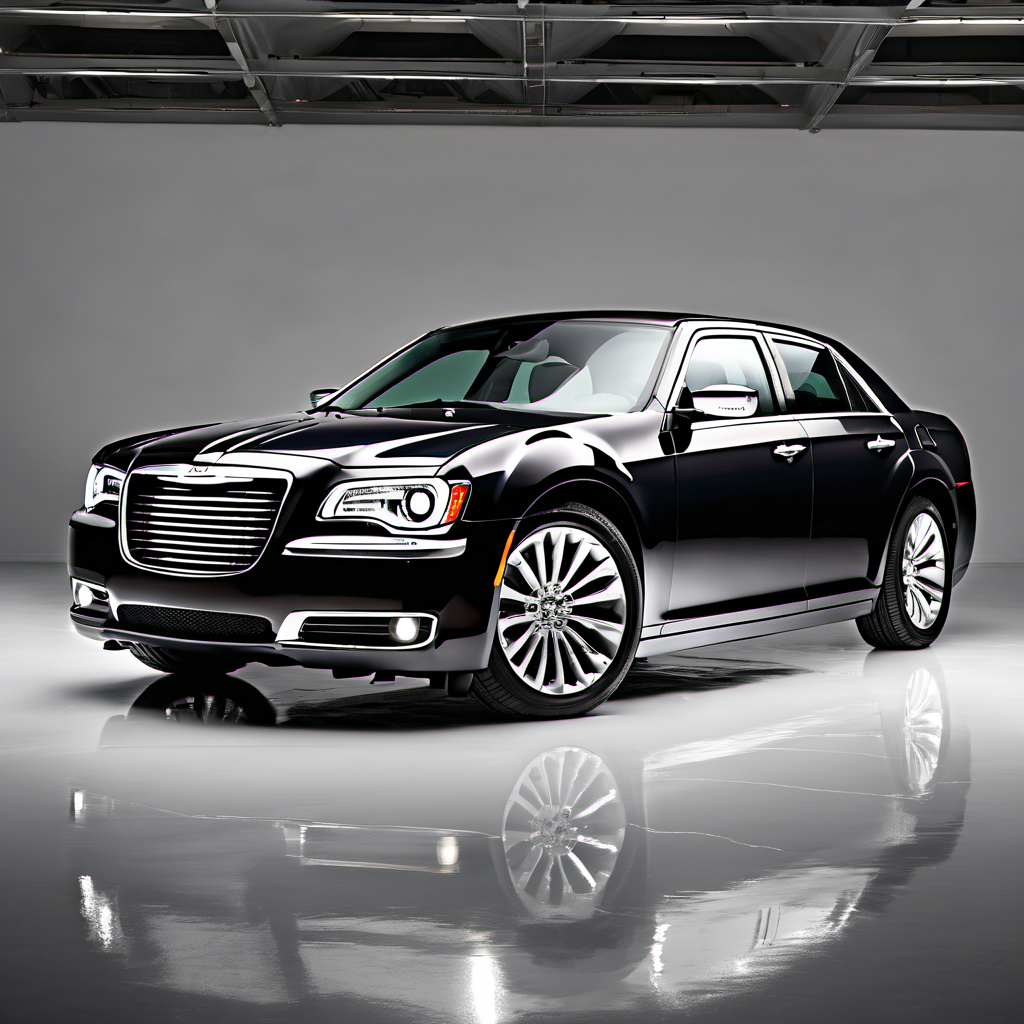
2014 Chrysler
3.6L V6 Pentastar · Sedan
The 2014 Chrysler 300 is a full-size rear-wheel-drive sedan that punches well above its price point in terms of interior refinement and road presence. Built on Chrysler's LX platform, it offers a genuine American luxury experience — wide stance, rear-wheel-drive handling, and a roomy cabin — at a fraction of what German competitors cost new. The second-generation 300 (2011–2023) cleaned up the styling and added meaningful tech upgrades including the Uconnect infotainment system, which remains one of the better interfaces of its era. The base 3.6L Pentastar V6 is a proven, strong engine that most owners keep well past 150,000 miles without major drama. The optional 5.7L HEMI V8 delivers serious performance and is similarly durable when maintained. The 8-speed automatic introduced in this generation is smooth and fuel-efficient, though it requires attention to transmission fluid intervals that many owners overlook. As a used buy, the 300 is compelling value — you get a lot of car for the money. The flip side is that parts and labor for luxury-adjacent features (air suspension on some trims, electronics, HVAC blend doors) can get expensive fast. Buy one that has been maintained, and it will serve you well in Wisconsin winters provided you address the RWD limitations with a proper set of winter tires.
The 2014 Chrysler 300 is a full-size rear-wheel-drive sedan that punches well above its price point in terms of interior refinement and road presence. Built on Chrysler's LX platform, it offers a genuine American luxury experience — wide stance, rear-wheel-drive handling, and a roomy cabin — at a fraction of what German competitors cost new. The second-generation 300 (2011–2023) cleaned up the styling and added meaningful tech upgrades including the Uconnect infotainment system, which remains one of the better interfaces of its era. The base 3.6L Pentastar V6 is a proven, strong engine that most owners keep well past 150,000 miles without major drama. The optional 5.7L HEMI V8 delivers serious performance and is similarly durable when maintained. The 8-speed automatic introduced in this generation is smooth and fuel-efficient, though it requires attention to transmission fluid intervals that many owners overlook. As a used buy, the 300 is compelling value — you get a lot of car for the money. The flip side is that parts and labor for luxury-adjacent features (air suspension on some trims, electronics, HVAC blend doors) can get expensive fast. Buy one that has been maintained, and it will serve you well in Wisconsin winters provided you address the RWD limitations with a proper set of winter tires.
The 3.6L Pentastar's VVT system relies on oil pressure and cleanliness. Sludged oil is the number-one cause of P0012/P0015/P0022/P0025 camshaft timing codes and solenoid failures.
The 8-speed ZF automatic is smooth when fluid is fresh. Degraded fluid causes shudder, harsh shifts, and ultimately costly valve body or clutch pack damage.
Fouled plugs stress ignition coils. Coil failures are common on high-mileage Pentastar engines and replacing plugs proactively is cheap insurance.
Underbody exposure to Wisconsin road salt accelerates steel brake line corrosion. Catching a soft or pitted line early prevents a dangerous failure.
Degraded coolant becomes acidic and attacks the aluminum components of the Pentastar, including the water pump and head gasket surfaces.
Cold-cranking demand in Wisconsin sub-zero temps is brutal. The 300's electrical system has numerous modules that draw parasitic current — a marginal battery will fail at the worst time.
RWD sedans on all-season tires are genuinely dangerous on Lake Geneva roads in January. A dedicated winter tire set transforms the car's winter usability.
Tiny screens on the VVT solenoids clog with sludge and trigger camshaft timing codes. On a used vehicle with unknown oil history, inspect these at first opportunity.
Always defer to the manufacturer's service manual for warranty-mandated intervals.
The 300 is an affordable car to buy used but sits in a middle zone for ownership costs — cheaper than a true luxury sedan but more expensive than a Camry or Accord when something breaks. Budget for electronics and HVAC repairs as the car ages. Regular oil and transmission fluid changes are your best investment to avoid the big-ticket repairs.
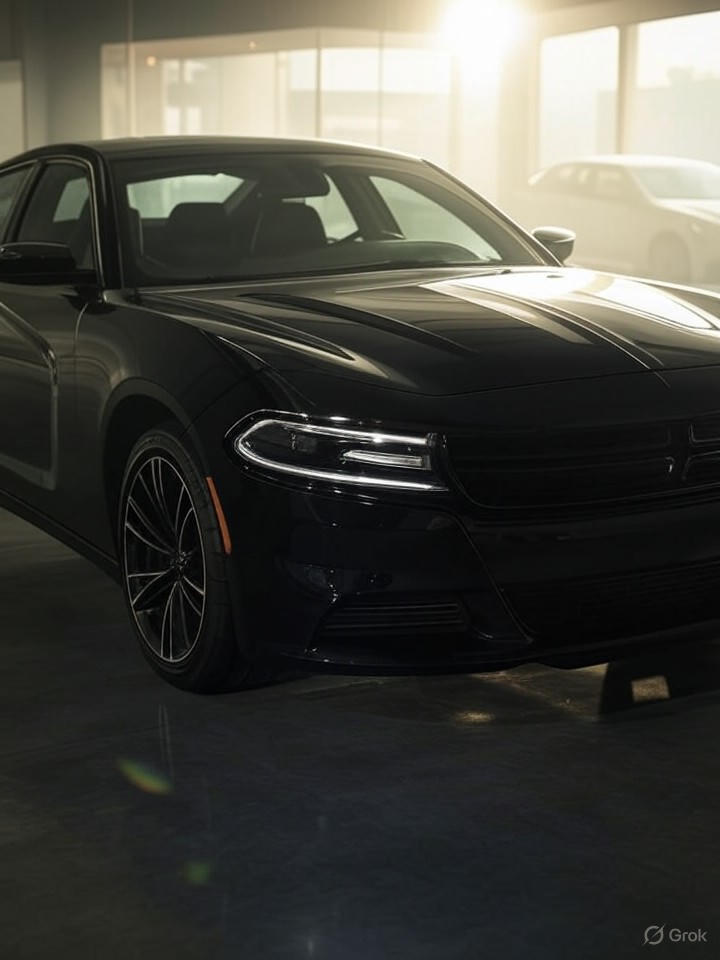
Same LX platform, same engine choices, same price range — the Charger is essentially a 4-door sport version of the 300. If you want more aggressive styling and don't need the 300's quieter ride character, the Charger is the natural alternative.
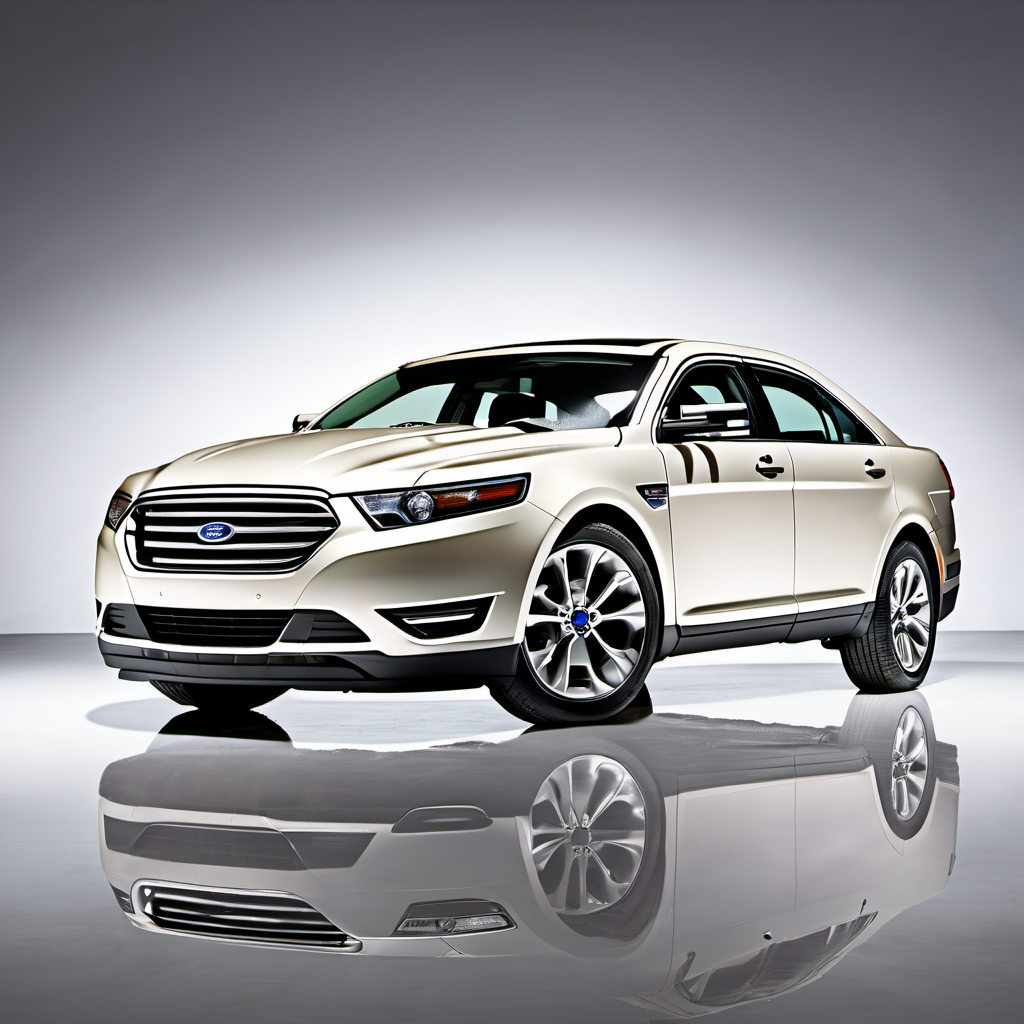
Full-size American sedan with similar interior space and highway comfort. Available in AWD (a real winter advantage over the RWD 300), though it lacks the 300's visual drama and V8 option.
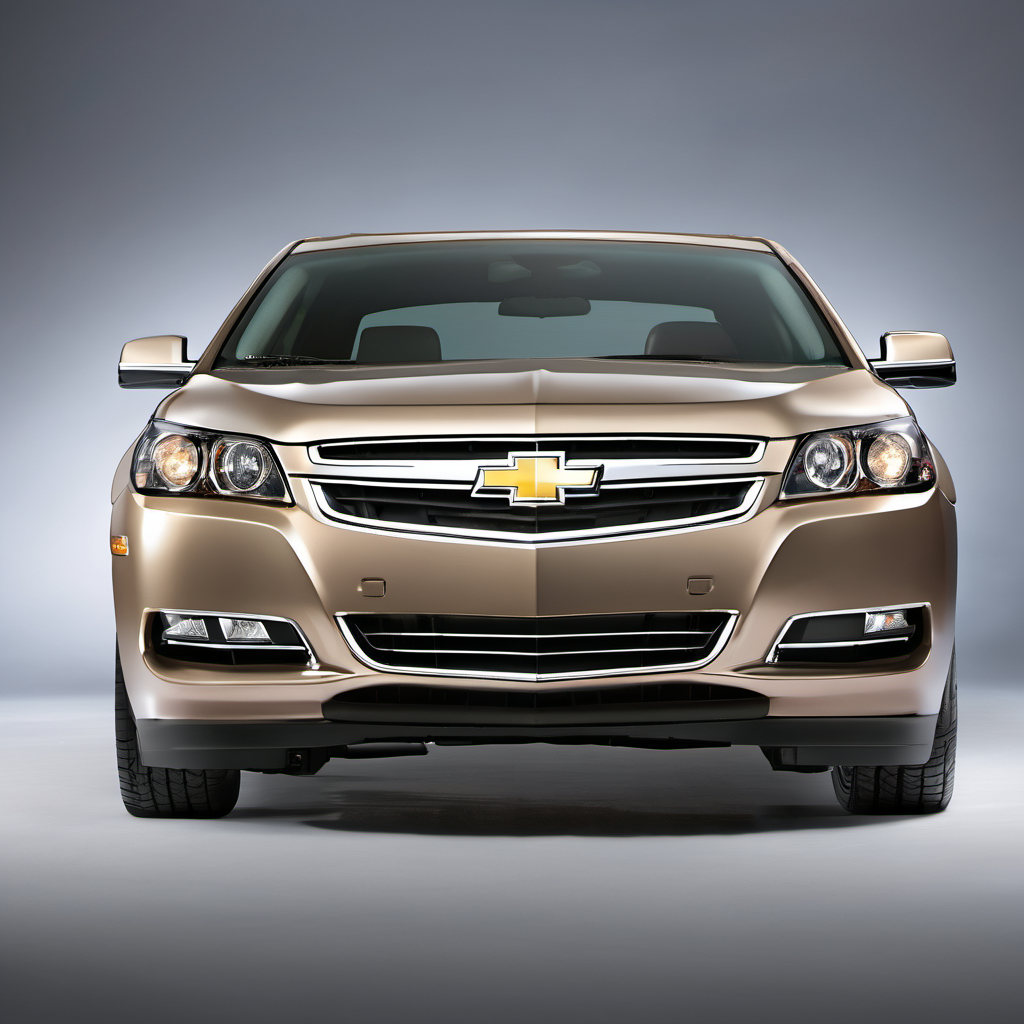
Redesigned in 2014, the Impala is a legitimate competitor — similarly roomy, well-finished, and well-priced used. FWD only, which is a winter plus but a handling minus. Generally considered slightly more reliable on electronics.

A direct RWD luxury-sedan alternative at a similar used price point. More refined interior, comparable powertrains, better electronics reliability. Less road presence but stronger reliability scores.