VVT / CVVT oil control valve sludge and timing faults (2.0T)
high- Typically appears
- 50–120k mi
- Estimated repair
- $300 – $900

2014 Hyundai
3.8L V6 · Coupe
The 2014 Hyundai Genesis Coupe is the second-generation (BK2) version of Hyundai's rear-wheel-drive sports coupe, which ran from 2013 through 2016. By 2014, Hyundai had ironed out most of the first-gen's rough edges, delivering a genuinely rear-wheel-drive sports car with a choice of a 2.0T turbocharged four or a 3.8L V6 — both mounted in a front-engine, RWD layout on a platform shared with no other Hyundai product of its era. It was aimed squarely at budget-conscious enthusiasts who wanted a sporty, driver-focused coupe without paying Mustang or Camaro money. The Genesis Coupe earned a loyal following for its sharp steering, capable suspension tuning, and available limited-slip differential. The 3.8L V6 in particular is a strong performer — 348 hp and a soundtrack to match. The 2.0T is more economical but requires consistent premium-fuel and oil-change discipline to stay healthy. Either way, this is a driver's car first and a daily driver second — trunk space is modest, rear seating is tight, and fuel economy is nothing to brag about. By 2014 the Genesis Coupe was a known quantity with a solid enthusiast community and good parts availability. It's an honest sports car value, but used examples attract enthusiast owners who may have pushed the car hard — inspection history matters a lot here.
The 2014 Hyundai Genesis Coupe is the second-generation (BK2) version of Hyundai's rear-wheel-drive sports coupe, which ran from 2013 through 2016. By 2014, Hyundai had ironed out most of the first-gen's rough edges, delivering a genuinely rear-wheel-drive sports car with a choice of a 2.0T turbocharged four or a 3.8L V6 — both mounted in a front-engine, RWD layout on a platform shared with no other Hyundai product of its era. It was aimed squarely at budget-conscious enthusiasts who wanted a sporty, driver-focused coupe without paying Mustang or Camaro money. The Genesis Coupe earned a loyal following for its sharp steering, capable suspension tuning, and available limited-slip differential. The 3.8L V6 in particular is a strong performer — 348 hp and a soundtrack to match. The 2.0T is more economical but requires consistent premium-fuel and oil-change discipline to stay healthy. Either way, this is a driver's car first and a daily driver second — trunk space is modest, rear seating is tight, and fuel economy is nothing to brag about. By 2014 the Genesis Coupe was a known quantity with a solid enthusiast community and good parts availability. It's an honest sports car value, but used examples attract enthusiast owners who may have pushed the car hard — inspection history matters a lot here.
The 2.0T is sludge-prone with infrequent or conventional-oil changes. Short intervals are the single biggest thing you can do to preserve the engine and VVT system.
Sludge deposits on the OCV screens are the root cause of most VVT timing codes. Cleaning them proactively is far cheaper than replacing actuators.
Factory iridium plugs last well but worn plugs stress the coils and reduce power. Important on a high-compression engine like the 3.8L V6.
RWD cars with an LSD need clean diff fluid to protect the clutch pack. Many used Genesis Coupes have never had this done.
Moisture absorption in brake fluid is accelerated on a car driven hard. Degraded fluid raises boiling point risk, especially on track or spirited use.
The rear multi-link suspension handles well when tight but bushing wear is common and causes noticeable handling degradation. Cheap bushings on modded cars may need earlier replacement.
The 2.0T runs hot under boost. A failing thermostat or low coolant can quickly lead to overheating damage.
Wisconsin road grit and salt spray clog filters faster than manufacturer intervals assume. Dirty air filters hurt both economy and turbo health.
Always defer to the manufacturer's service manual for warranty-mandated intervals.
Day-to-day costs are manageable if maintenance is kept current, but the Genesis Coupe can bite hard when deferred work piles up — VVT repairs, turbo work, or rear suspension jobs can each run $500–$1,500 at an independent shop. Used examples that have been modified or tracked can rack up repairs faster. Budget conservatively if you don't know the service history.

V6 and GT trims overlap the Genesis Coupe on price and mission. More aftermarket support, more dealer coverage, but FWD-biased reputation unfair — both are RWD sports coupes.

Similar RWD coupe segment, comparable power with the V6 trim, similar insurance profile. Heavier than the Genesis Coupe but strong powertrain reputation.

Direct rival in the lightweight RWD coupe space. Less power but sharper handling and better all-weather credibility. More practical for Wisconsin winters with winter tires.
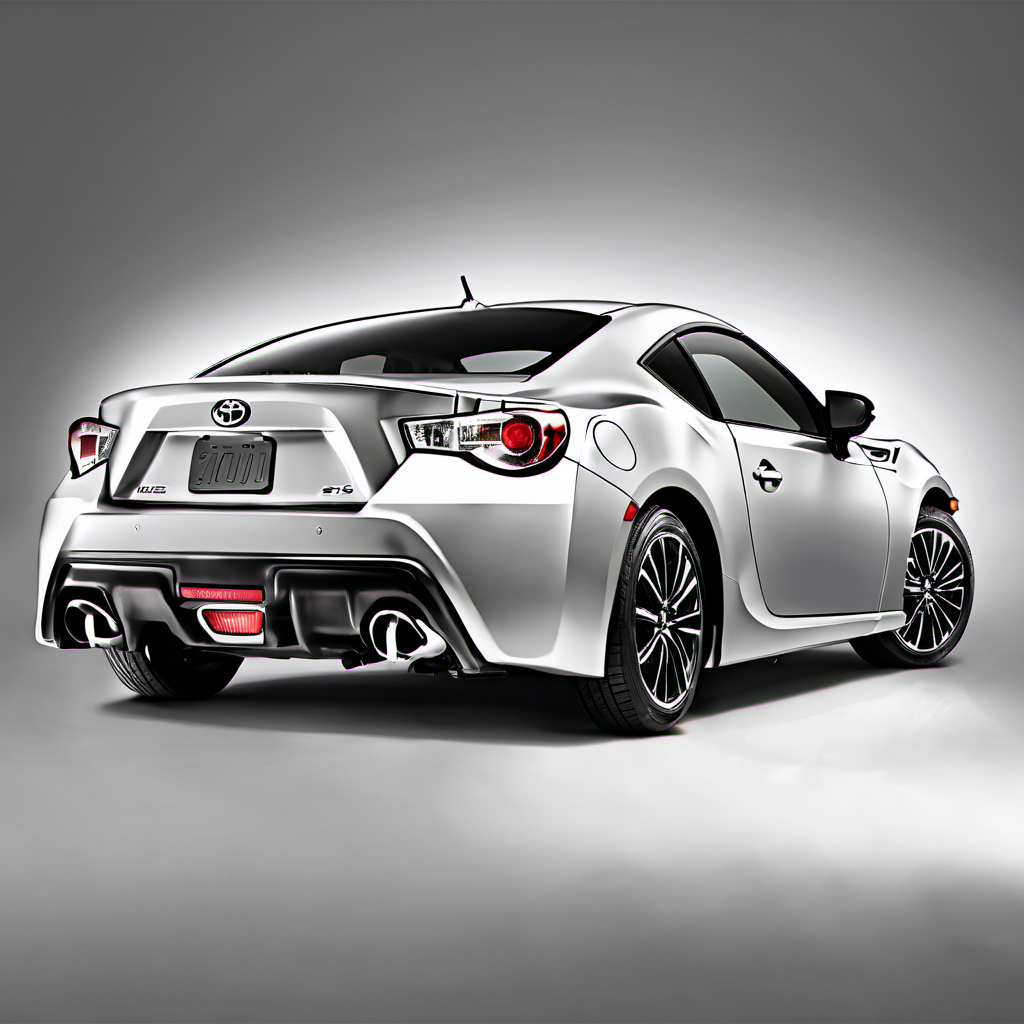
Badge-twin to the BRZ; same platform, same strengths and weaknesses. Often slightly cheaper used, strong driver community, easier on tires than the Genesis.