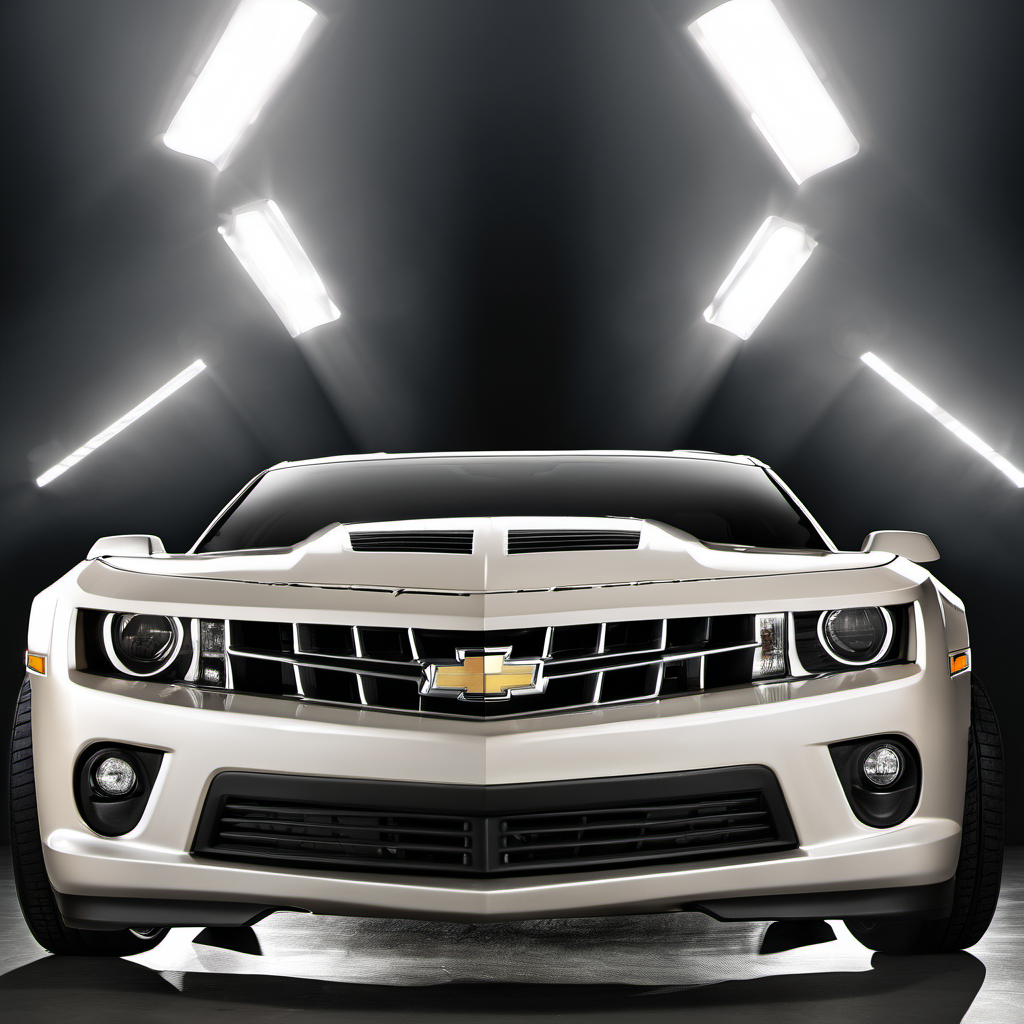
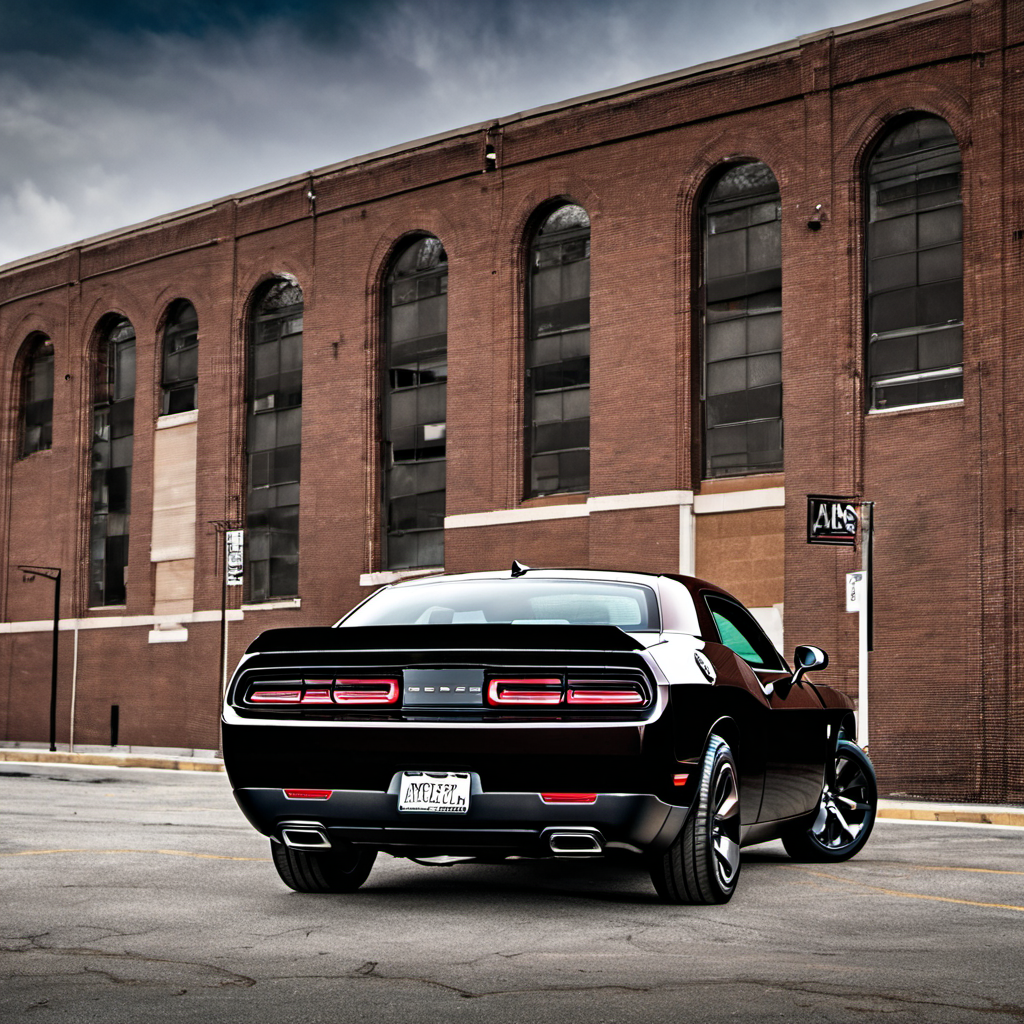
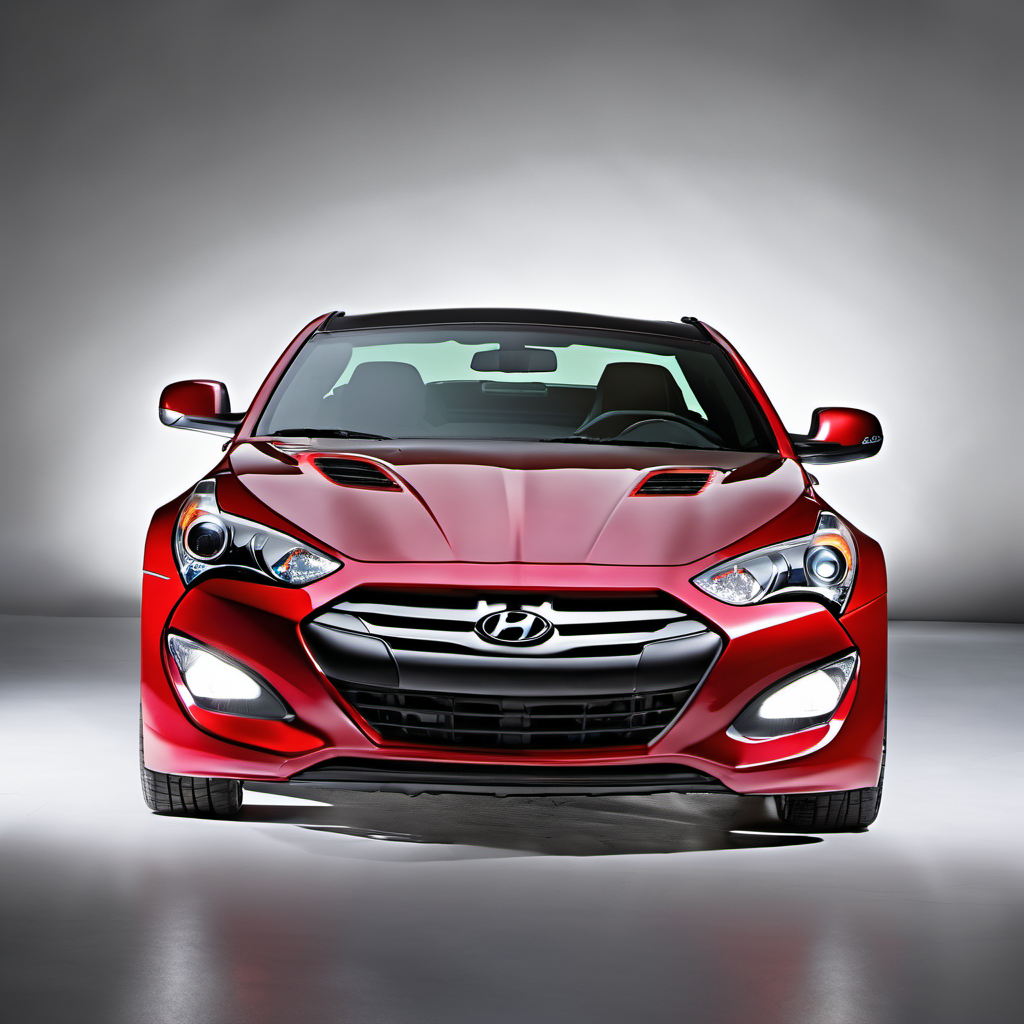
2014 Chevrolet Camaro Coupe

2014 Chevrolet

CamaroCoupe

3.6L V6 · Coupe

The 2014 Chevrolet Camaro Coupe is the fifth-generation Camaro in its fourth model year, sitting on GM's Zeta-based platform. It was offered with a 3.6L V6, a 6.2L V8 (SS), and a turbocharged 2.0L I4 (LS/LT), covering a wide range of buyers from daily-driver to weekend muscle car. The fifth-gen Camaro earned a reputation for strong, entertaining performance but drew criticism for its heavy curb weight, limited outward visibility, and a cramped rear seat that's really only usable for cargo or very short trips. By 2014, GM had addressed a number of early fifth-gen teething issues, making it one of the more sorted years of the generation. The V8 SS remains the enthusiast pick, but the V6 delivers respectable fuel economy and strong performance for its class. All trims share the same basic structure and long-term concerns. For a Lake Geneva driver, keep in mind this car sits low, the wide body collects road salt aggressively, and the factory summer-performance tires on SS models are completely unusable in Wisconsin winters. Plan for a dedicated winter tire set or a second set of wheels if you intend to drive this year-round.

Reliability
3/5
Verified data
Specs shown for Camaro — the most common configuration. Other trims may vary in engine, drivetrain, or fuel economy. Sign in to see your vehicle's exact specs.
Engine
[object Object]
Drivetrain
RWD
Fuel
Gasoline
MPG
17 city / 28 hwy / 21 combined
Seats
4
Doors
2
Body
Coupe
MSRP
$26,705

Overview

AI-curated

The 2014 Chevrolet Camaro Coupe is the fifth-generation Camaro in its fourth model year, sitting on GM's Zeta-based platform. It was offered with a 3.6L V6, a 6.2L V8 (SS), and a turbocharged 2.0L I4 (LS/LT), covering a wide range of buyers from daily-driver to weekend muscle car. The fifth-gen Camaro earned a reputation for strong, entertaining performance but drew criticism for its heavy curb weight, limited outward visibility, and a cramped rear seat that's really only usable for cargo or very short trips. By 2014, GM had addressed a number of early fifth-gen teething issues, making it one of the more sorted years of the generation. The V8 SS remains the enthusiast pick, but the V6 delivers respectable fuel economy and strong performance for its class. All trims share the same basic structure and long-term concerns. For a Lake Geneva driver, keep in mind this car sits low, the wide body collects road salt aggressively, and the factory summer-performance tires on SS models are completely unusable in Wisconsin winters. Plan for a dedicated winter tire set or a second set of wheels if you intend to drive this year-round.

Known for
  • Strong V8 and V6 powertrain performance
  • Aggressive retro-muscle styling
  • Heavy curb weight for its class
  • Poor outward visibility due to thick pillars and high beltline
  • Entertaining rear-wheel-drive handling
Best for
  • Enthusiasts wanting affordable American muscle
  • Weekend/fair-weather drivers
  • Buyers who prioritize driving feel over practicality
  • Highway commuters (V6 fuel economy is decent)
Watch for
  • Factory performance tires are not winter-capable — budget for a winter set
  • Low ground clearance makes deep snow or rutted roads a problem
  • Rear seat is nearly unusable for adult passengers
  • Blind spots are severe — backup camera is strongly advised
  • V8 models consume premium fuel and can average low teens in city driving

Common issues by mileage

6 known

Active Fuel Management (AFM) Lifter Failure (V8 only)

high
Typically appears
60–120k mi
Estimated repair
$1,800 – $4,500

Oxygen Sensor / Heater Circuit Failure

medium
Typically appears
60–100k mi
Estimated repair
$150 – $400

HVAC Blower Motor and Blend Door Actuator Failure

medium
Typically appears
40–80k mi
Estimated repair
$200 – $600

Power Steering Assist Noise / Intermediate Shaft Clunk

high
Typically appears
30–70k mi
Estimated repair
$150 – $500

Rear Differential Fluid Degradation / Whine

medium
Typically appears
45–90k mi
Estimated repair
$100 – $350

Maintenance schedule

  1. 1
    Every 5,000–7,500 miles or 6 months — do NOT rely solely on the oil life monitor Engine oil change with full-synthetic 5W-30

    The 3.6L V6 and especially the 6.2L V8 with AFM are sensitive to oil degradation. Sticking to a mileage-based interval, not just the monitor, helps prevent lifter and camshaft actuator failures.

  2. 2
    Every 45,000 miles Transmission fluid change (automatic)

    GM's 6-speed automatics in performance applications run hotter than average. Fresh fluid keeps shifts crisp and prevents premature clutch pack wear.

  3. 3
    Every 45,000 miles, or sooner if tracked or driven hard Rear differential fluid change

    The limited-slip rear differential (SS models) requires the correct friction-modifier fluid. Old fluid leads to chatter and whine, especially in cold Wisconsin winters.

  4. 4
    Every 60,000 miles (iridium plugs) Spark plug replacement

    Worn plugs stress the ignition coils, which are a known weak point on the 3.6L. Replacing on schedule is cheaper than replacing coils.

  5. 5
    Every 2 years regardless of mileage Brake fluid flush

    Performance braking generates heat that accelerates brake fluid moisture absorption. This is especially important if the car is driven spiritedly.

  6. 6
    Every 30,000 miles or at any sign of clunk/rattle on turns Inspect and lubricate steering intermediate shaft

    The intermediate shaft is a known noise source on fifth-gen Camaros. Early lubrication prevents the clunk from developing into a more expensive rack replacement.

  7. 7
    Every 5 years or 150,000 miles (DEX-COOL) Coolant system inspection and flush

    DEX-COOL has a long service life but should be tested annually for pH. Degraded coolant corrodes the water pump and intake manifold gaskets on the 3.6L.

  8. 8
    Monthly during winter months; thorough inspection each spring Undercarriage wash and inspection for rust

    Lake Geneva roads are heavily salted. The Camaro's low-slung underbody — brake lines, subframe, exhaust — are all exposed. Catching rust early saves significant money.

Always defer to the manufacturer's service manual for warranty-mandated intervals.

Cost of ownership

Annual maintenance
$600 – $1,400
Fuel
V6: ~$1,800–$2,200/yr at mixed driving and regular 87 octane. V8 SS: ~$2,500–$3,200/yr and requires 91+ octane premium — budget accordingly.
Insurance
Expect higher-than-average rates for a rear-wheel-drive performance coupe. Annual premiums commonly run $1,400–$2,200 depending on driver age, record, and coverage level in Wisconsin.

The Camaro is affordable to buy used but not cheap to own. Fuel (especially V8), insurance, and tires (high-performance sizes aren't cheap) all push the total cost of ownership above average for its price class. A dedicated winter tire set is a near-necessity in Lake Geneva — figure $600–$1,000 for a set mounted on steel wheels. Keep up with oil changes religiously and the drivetrain will reward you with longevity.
Seasonal care

Lake Geneva, WI
Winter
  • Install a dedicated winter tire set before first snow — factory performance tires on SS models have no cold-weather traction below 40°F and are dangerous on snow/ice
  • Use a battery maintainer or trickle charger if the car sits for more than a week; cold starts on a marginal battery stress the starter and charging system
  • Flush and refill washer fluid reservoir with -20°F or colder rated fluid — Lake Geneva winters regularly hit those temps
  • Apply a coat of wax or paint sealant in late fall to protect against road salt; pay special attention to rocker panels and wheel wells
  • Wash the undercarriage every 2 weeks during salting season — the low ride height means the entire underside is bathed in brine
  • Check tire pressure weekly — pressure drops roughly 1 PSI for every 10°F drop in temperature, and under-inflated tires reduce traction significantly
Summer
  • Inspect A/C system refrigerant charge and cabin filter before hot weather — the Camaro's large glass area and dark interior heat-soak quickly
  • Check tire pressure in the morning before driving — heat can raise pressure several PSI above cold spec, causing uneven wear and reduced grip on performance tires
  • Inspect coolant level and concentration; the 3.6L runs warm in stop-and-go traffic and a weak cooling system will show it in summer
  • Check brake pads and rotors if the car sees any spirited driving — summer driving seasons and track days accelerate wear dramatically on performance-spec pads

Comparable vehicles

If you're shopping for one

Red flags
  • Any salvage or rebuilt title — the Camaro's blind spots make it accident-prone, and structural repairs on a unibody performance car are a hard pass
  • Evidence of track use (helmet hook in rear, brake dust staining on inner wheels, worn brake pads at low mileage)
  • Oil change intervals that were stretched beyond 7,500 miles — the AFM V8 particularly punishes neglect with expensive lifter failures
  • Tires mismatched front-to-rear in brand or size — often masks alignment or suspension damage
  • Codes P0026–P0029 (VVT solenoid range/performance) on a cold pull — these suggest internal oil passage sludging and potential bigger engine work ahead
What to inspect
  • Pull codes before purchase — VVT actuator and O2 sensor codes (P0012, P0015, P0022, P0025) on a used example suggest deferred oil changes or sludge
  • Check for oil consumption: ask the seller if oil is added between changes and look for a blueish tinge in exhaust on startup (V8 AFM engines especially)
  • Inspect the intermediate steering shaft for clunk by slowly turning the wheel back and forth at idle in a parking lot
  • Look for rear differential fluid leaks at the pinion seal and axle seals — common and messy if ignored
  • Check all four corners for uneven tire wear, which can indicate alignment issues from curb strikes or suspension wear
  • Test the A/C and all powered accessories — HVAC blend door and blower issues are common and annoying to fix
AI profile generated 21 days ago · claude-sonnet-4-6 · v2.