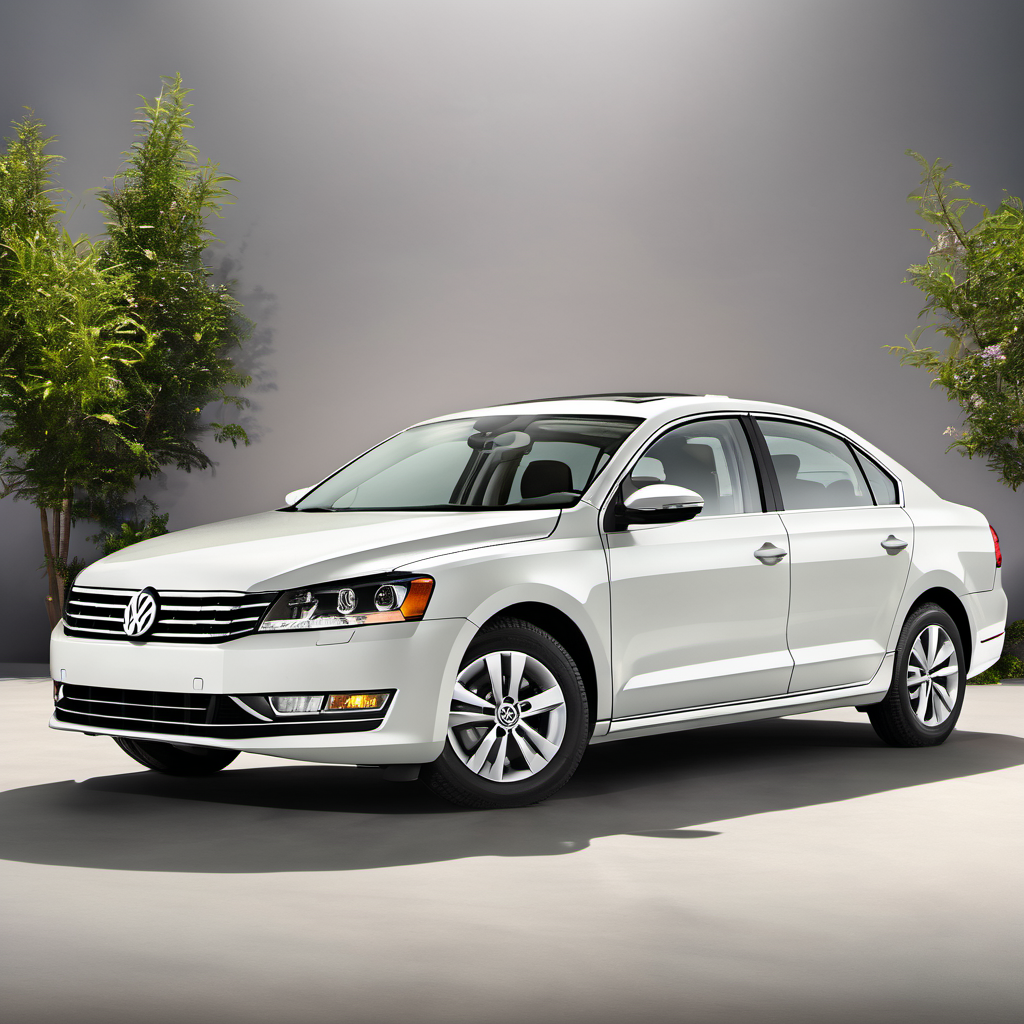
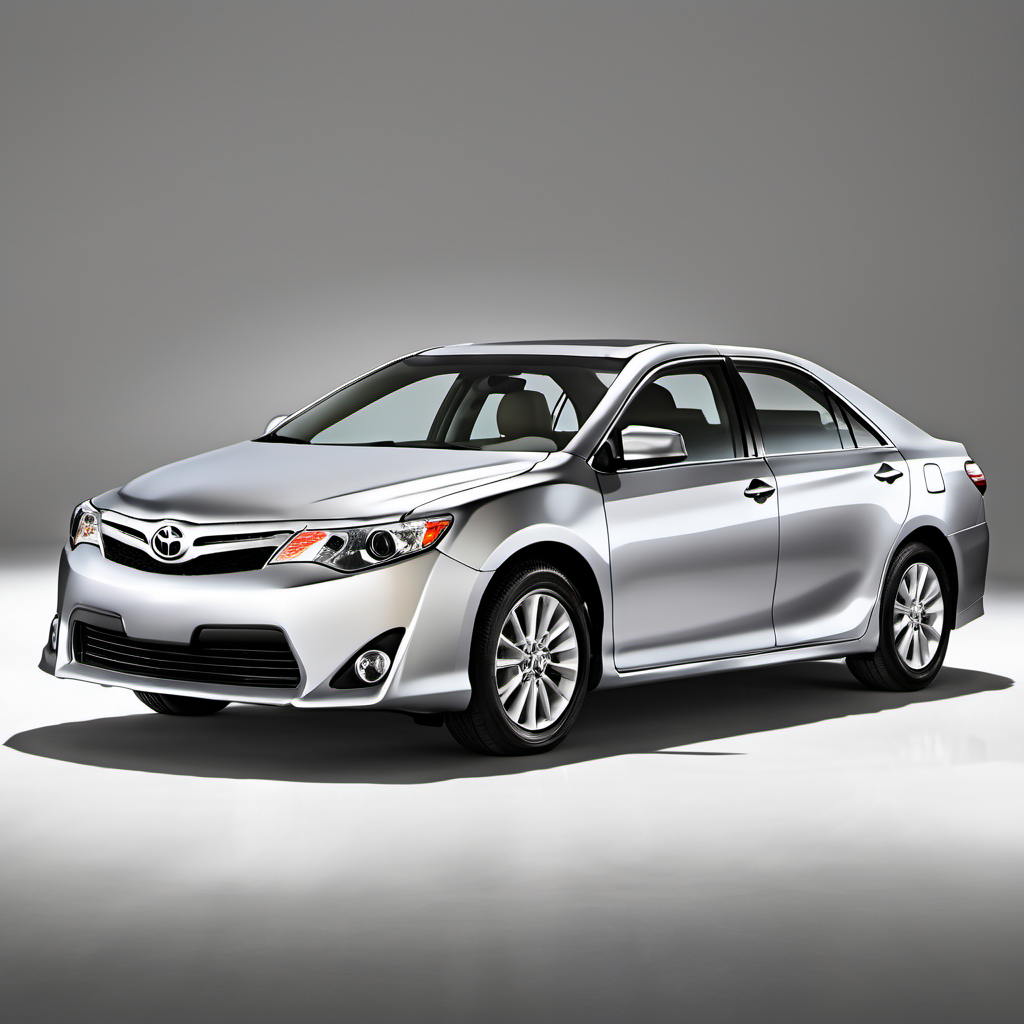
2013 Volkswagen Passat Sedan

2013 Volkswagen

PassatSedan

2.5L I5 · Sedan

The 2013 Volkswagen Passat is the second model year of the NMS (New Midsize Sedan) generation — a version of the Passat specifically engineered and built in Chattanooga, Tennessee for the North American market. Compared to its European sibling, this Passat is longer, wider, and more focused on value and interior space, making it one of the roomiest midsize sedans in its class for the money. The NMS Passat came with two main engine choices: a 2.5L inline-5 gasoline engine paired with a 5-speed automatic or 5-speed manual, and the legendary 2.0L TDI diesel with a 6-speed DSG dual-clutch or 6-speed manual. A 3.6L VR6 was available in top trims. The TDI was particularly popular for its excellent fuel economy and highway cruising ability, though it was later caught up in the 2015–2016 Dieselgate emissions scandal. As a used buy, the gasoline 2.5L is the low-drama, lower-cost option. The TDI offers exceptional efficiency but adds complexity — and potential emissions compliance headaches if software was not properly updated. Either way, buyers should expect German-car ownership costs: higher than a Camry or Accord, but manageable if routine maintenance is kept up and problems caught early.

Reliability
3/5
Verified data
Specs shown for Passat — the most common configuration. Other trims may vary in engine, drivetrain, or fuel economy. Sign in to see your vehicle's exact specs.
Engine
[object Object]
Drivetrain
FWD
Fuel
Gasoline
MPG
22 city / 32 hwy / 26 combined
Seats
5
Doors
4
Body
Sedan
MSRP
$21,895

Overview

AI-curated

The 2013 Volkswagen Passat is the second model year of the NMS (New Midsize Sedan) generation — a version of the Passat specifically engineered and built in Chattanooga, Tennessee for the North American market. Compared to its European sibling, this Passat is longer, wider, and more focused on value and interior space, making it one of the roomiest midsize sedans in its class for the money. The NMS Passat came with two main engine choices: a 2.5L inline-5 gasoline engine paired with a 5-speed automatic or 5-speed manual, and the legendary 2.0L TDI diesel with a 6-speed DSG dual-clutch or 6-speed manual. A 3.6L VR6 was available in top trims. The TDI was particularly popular for its excellent fuel economy and highway cruising ability, though it was later caught up in the 2015–2016 Dieselgate emissions scandal. As a used buy, the gasoline 2.5L is the low-drama, lower-cost option. The TDI offers exceptional efficiency but adds complexity — and potential emissions compliance headaches if software was not properly updated. Either way, buyers should expect German-car ownership costs: higher than a Camry or Accord, but manageable if routine maintenance is kept up and problems caught early.

Known for
  • Cavernous interior and trunk for the segment
  • Refined highway ride and solid build quality
  • Exceptional diesel (TDI) fuel economy when properly maintained
  • Feature-rich cabin at a competitive price point for the era
Best for
  • Highway commuters and road-trip families
  • Buyers wanting near-luxury interior space without luxury pricing
  • Diesel fans seeking 40+ MPG highway in a full-size-feeling sedan
  • Owners comfortable with independent European-car service
Watch for
  • DSG (dual-clutch) transmission service neglect leading to shudder and failure
  • TDI emissions software update status — confirm before buying
  • Timing chain tensioner wear on the 2.5L five-cylinder
  • Oil sludge risk if oil change intervals were stretched

Common issues by mileage

6 known

Timing chain tensioner wear (2.5L I5)

medium
Typically appears
80–130k mi
Estimated repair
$600 – $1,200

DSG dual-clutch transmission shudder / hesitation (TDI models)

high
Typically appears
40–80k mi
Estimated repair
$300 – $900

Variable valve timing (VVT) solenoid failure

medium
Typically appears
60–110k mi
Estimated repair
$250 – $600

Oxygen / lambda sensor heater circuit failure

medium
Typically appears
80–150k mi
Estimated repair
$200 – $500

Power window regulator failure

high
Typically appears
60–120k mi
Estimated repair
$200 – $450

Water pump and thermostat failure (2.5L I5)

medium
Typically appears
70–120k mi
Estimated repair
$400 – $800

Maintenance schedule

  1. 1
    Every 5,000–7,500 miles (do NOT stretch to the 10k OLM interval on a used example) Engine oil and filter change — use VW 502.00-spec full synthetic only

    Oil sludge from extended intervals is a documented killer of the 2.5L five-cylinder. Used cars with unknown histories should default to 5k intervals.

  2. 2
    Every 40,000 miles DSG transmission fluid service (TDI and VR6 models)

    VW's 'lifetime' fluid claim is not realistic. Neglected DSG fluid causes shudder, hard shifts, and eventual mechatronic unit failure — an expensive repair.

  3. 3
    Every 40,000–50,000 miles Automatic transmission fluid change (2.5L with 5-speed auto)

    The Aisin 5-speed is reliable but benefits from regular fluid changes; burnt fluid accelerates clutch pack wear.

  4. 4
    At 80,000 miles or if P0012/P0015 codes appear Timing chain and tensioner inspection

    Tensioner wear can allow chain slack, causing timing retard codes and, if ignored, engine damage.

  5. 5
    Every 60,000 miles or at first sign of temperature fluctuation Coolant system service (water pump and thermostat)

    Plastic water pump impellers and thermostats are common failure points; proactive replacement prevents overheating.

  6. 6
    Every 15,000–20,000 miles or annually Cabin air filter replacement

    Wisconsin roads kick up road grime year-round; a clogged filter strains the blower motor and reduces defroster effectiveness.

  7. 7
    Every 2 years regardless of mileage Brake fluid flush

    VW specifies a 2-year interval. Moisture-saturated brake fluid lowers boiling point — a real risk when braking on hilly winter roads.

  8. 8
    Every 40,000 miles Spark plug replacement (2.5L I5)

    The five-cylinder requires NGK or equivalent OEM-spec plugs. Extended wear causes misfires and increased stress on ignition coils.

Always defer to the manufacturer's service manual for warranty-mandated intervals.

Cost of ownership

Annual maintenance
$700 – $1,500
Fuel
Gasoline 2.5L: roughly $1,800–$2,400/year at typical Wisconsin commute mileage (~15k mi) and mid-grade pump prices. TDI diesel: roughly $1,400–$1,900/year for similar mileage.
Insurance
Typically $1,000–$1,500/year for a 2013 Passat in southeastern Wisconsin for a driver with a clean record; varies significantly by zip code and driving history.

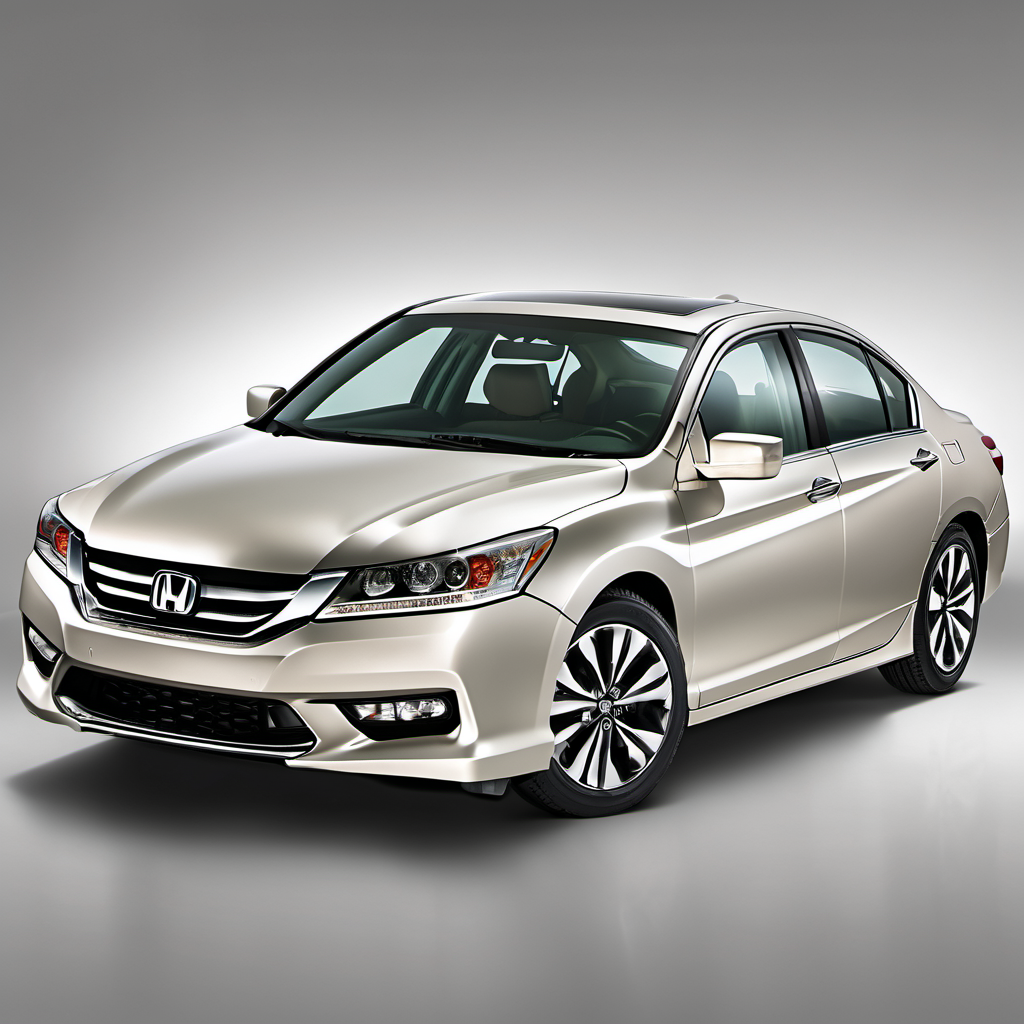
The 2013 Passat costs more to maintain than a Camry or Accord of the same vintage — expect to use VW-spec fluids and pay slightly more for parts. Keep up with oil changes and DSG service and the costs stay manageable ($700–$1,200 in a good year). A deferred-maintenance catch-up year — timing chain, water pump, sensors — can push costs to $2,000–$3,500. Budget accordingly when buying used.
Seasonal care

Lake Geneva, WI
Winter
  • Switch to a full synthetic 0W-40 or 5W-40 VW 502.00-spec oil before temperatures drop below 0°F — cold-start protection is critical for the timing chain tensioner.
  • Test and replace the battery proactively if it's over 3 years old; the Passat's electronics draw is high and a weak battery causes cascading module faults in sub-zero temps.
  • Use a TOP-TIER winter-rated washer fluid rated to at least -30°F — the Lake Geneva area sees stretches well below 0°F and a frozen washer line is a visibility hazard.
  • Inspect and replace wiper blades with winter-rated beam blades; the Passat's large windshield needs full coverage in wet snow.
  • Check underbody and wheel well liner condition — road salt accumulates in these areas and accelerates rust on suspension components and brake lines.
  • If the car sits outside, consider a battery tender or block heater on the coldest nights to ease cold starts and protect the DSG mechatronic unit.
Summer
  • Check tire pressure monthly — pressure drops roughly 1 PSI for every 10°F of temperature change; underinflated tires in summer heat increase blowout risk.
  • Inspect the A/C system refrigerant level and cabin filter before June; the Passat's automatic climate control masks low refrigerant until performance drops noticeably.
  • Watch coolant temperature closely on long highway runs — a failing water pump or thermostat will show up as temperature creep first.
  • Flush brake fluid if it hasn't been done in 2 years; summer towing or hilly driving on degraded fluid is a safety concern.
  • Check that the sunroof drain channels are clear — clogged drains dump water into the cabin and can damage the ECU and interior electronics.

Comparable vehicles

If you're shopping for one

Red flags
  • Any cam timing DTC (P0012, P0015, P0022, P0025) in the code history — investigate the timing chain before buying.
  • TDI with no DSG service record and over 50k miles — budget $400–$600 for immediate service and inspect for transmission damage.
  • Coolant that's dark brown or smells burnt — indicates water pump failure or head gasket stress.
  • Any signs of oil leaks around the valve cover or front of the engine — gaskets and seals are common age items that add up quickly.
  • VR6 models with high miles and no record of spark plug or ignition coil replacement — a full ignition tune-up is $400–$700 at an independent shop.
What to inspect
  • Request the full service history — look specifically for oil change receipts every 5,000–7,500 miles. Gaps are a red flag for sludge risk.
  • Confirm TDI emissions recall completion status via VIN at the NHTSA website before buying any diesel example.
  • Test the DSG by driving in stop-and-go traffic — shudder at low speeds or hesitation from a standstill indicates overdue fluid service or mechatronic wear.
  • Operate every power window three full cycles; regulators fail frequently and replacement is $200–$450 per door.
  • Check the sunroof drain function and look for water stains on the headliner or A-pillar trim — a sure sign of clogged drains.
  • Have a scanner pulled on any used example — look specifically for cam timing codes (P0012, P0015) which can signal timing chain or VVT solenoid trouble.
AI profile generated 22 days ago · claude-sonnet-4-6 · v2.