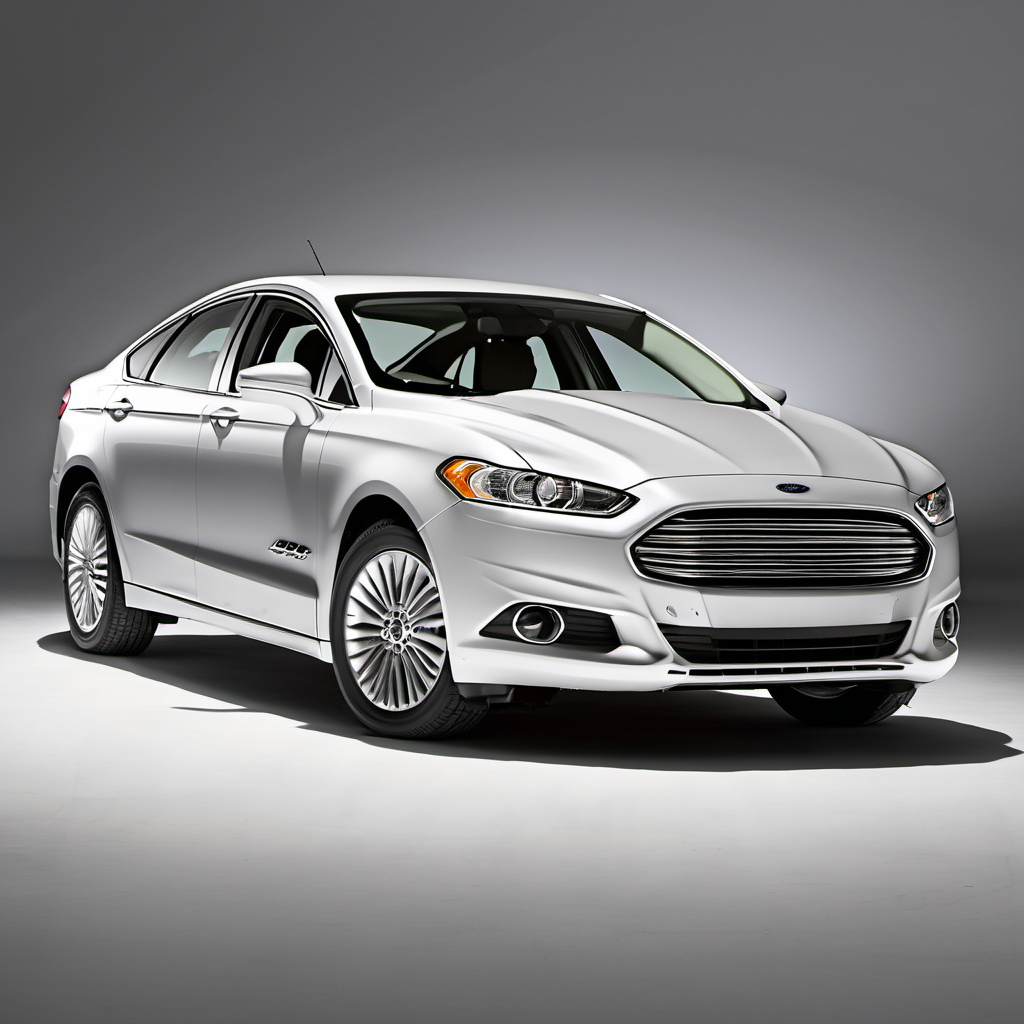
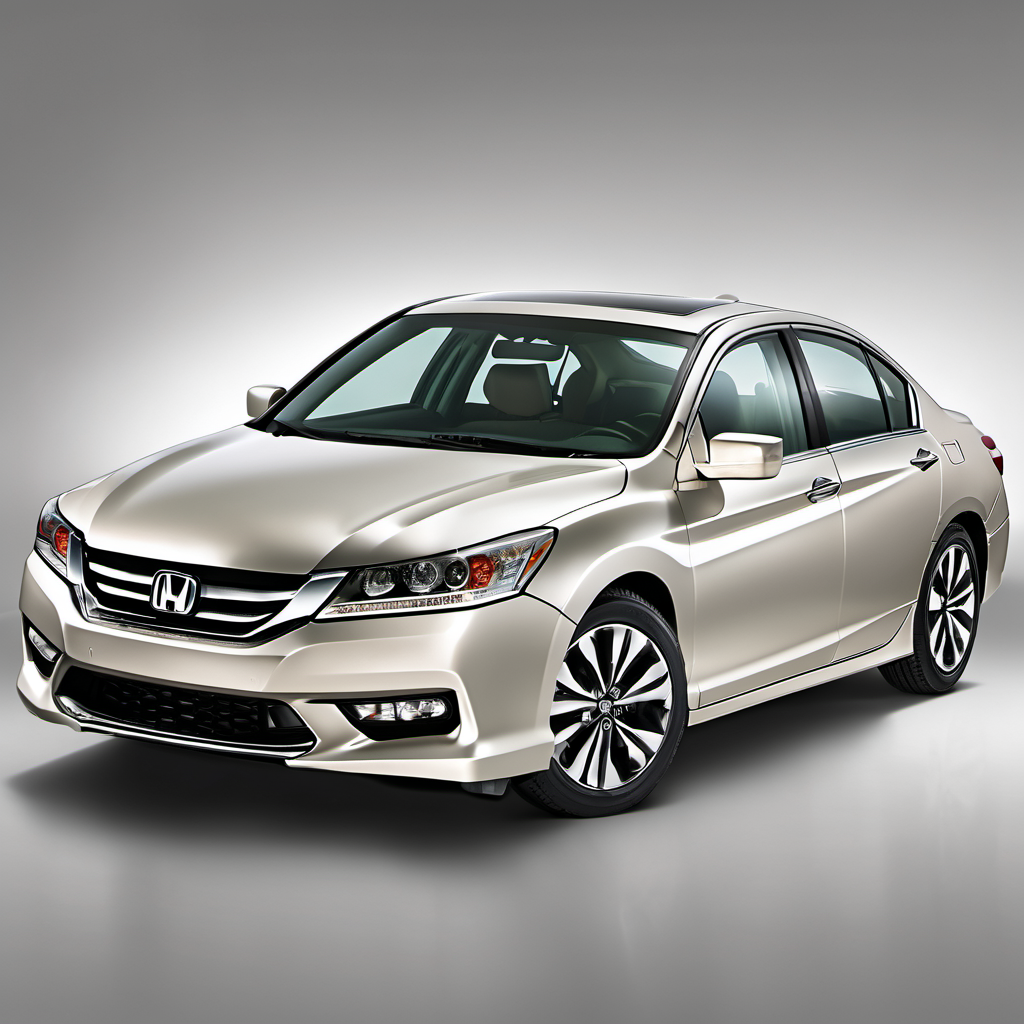
2013 Ford Fusion Sedan

2013 Ford

FusionSedan

Sedan

The 2013 Ford Fusion was a complete redesign — a significant leap forward in style, technology, and efficiency over the previous generation. It arrived with a range of EcoBoost and naturally aspirated engines, a genuinely handsome European-influenced body, and competitive fuel economy that made it a top seller in the midsize sedan class. The 2.0L EcoBoost four-cylinder is the volume engine on this generation, pairing a direct-injection turbocharged setup with Ford's twin-independent variable cam timing (Ti-VCT) to deliver strong mid-range torque and decent highway economy. The tradeoff is a powertrain that demands regular oil changes and attention to VCT system health. For a Lake Geneva daily driver, the Fusion checks the right boxes: comfortable highway manners, decent trunk space, and an affordable parts ecosystem. FWD variants handle Wisconsin winters acceptably with a proper set of snow tires, and the cabin is well-insulated for cold mornings.

Reliability
3/5
Verified data
Specs shown for Fusion Hybrid FWD — the most common configuration. Other trims may vary in engine, drivetrain, or fuel economy. Sign in to see your vehicle's exact specs.
Engine
[object Object]
Drivetrain
FWD
Fuel
Gasoline
MPG
43 city / 39 hwy / 41 combined
Seats
Doors
Body
Midsize Cars

Overview

AI-curated

The 2013 Ford Fusion was a complete redesign — a significant leap forward in style, technology, and efficiency over the previous generation. It arrived with a range of EcoBoost and naturally aspirated engines, a genuinely handsome European-influenced body, and competitive fuel economy that made it a top seller in the midsize sedan class. The 2.0L EcoBoost four-cylinder is the volume engine on this generation, pairing a direct-injection turbocharged setup with Ford's twin-independent variable cam timing (Ti-VCT) to deliver strong mid-range torque and decent highway economy. The tradeoff is a powertrain that demands regular oil changes and attention to VCT system health. For a Lake Geneva daily driver, the Fusion checks the right boxes: comfortable highway manners, decent trunk space, and an affordable parts ecosystem. FWD variants handle Wisconsin winters acceptably with a proper set of snow tires, and the cabin is well-insulated for cold mornings.

Known for
  • Stylish, near-Aston-Martin front-end design for its era
  • Strong turbocharged 2.0L EcoBoost with responsive power delivery
  • Competitive fuel economy in the midsize segment
  • Good highway comfort and composed handling
  • Wide parts and service availability across the U.S.
Best for
  • Daily commuters wanting style without premium pricing
  • Highway-heavy drivers who value fuel economy
  • Families needing a practical, comfortable four-door
  • Budget-conscious buyers who want a near-luxury feel
Watch for
  • VCT/VVT system sludging when oil changes are skipped — costly repair
  • Door latch failures (subject to NHTSA investigations on this generation)
  • MyFord Touch infotainment glitches and slow response
  • Turbo coolant hose and intercooler condensation issues on 2.0L EcoBoost
  • Rust on underbody and brake lines from road salt exposure

Common issues by mileage

6 known

VCT/Cam Phaser Sludging & Timing Faults

high
Typically appears
60–120k mi
Estimated repair
$800 – $2,200

VCT Solenoid Circuit Failure

medium
Typically appears
50–100k mi
Estimated repair
$150 – $450

Turbocharger Bypass Valve Fault

medium
Typically appears
70–120k mi
Estimated repair
$200 – $600

Oxygen Sensor / Heater Circuit Failure

medium
Typically appears
80–130k mi
Estimated repair
$150 – $400

Door Latch Failure (interior release cable)

high
Typically appears
40–100k mi
Estimated repair
$100 – $350

MyFord Touch / SYNC Module Malfunction

medium
Typically appears
Any mileage
Estimated repair
$200 – $900

Maintenance schedule

  1. 1
    Every 5,000 miles or 6 months — do not stretch to Ford's OLM recommendation on the EcoBoost Engine oil & filter change (full synthetic 5W-30)

    The 2.0L EcoBoost Ti-VCT system is highly sensitive to oil quality and cleanliness. Sludge buildup in the cam phaser passages is the #1 cause of expensive timing-related failures on this engine. Frequent changes are cheap insurance.

  2. 2
    Every 60,000 miles Spark plug replacement

    Ford specifies 100k, but worn plugs on a direct-injection turbo cause misfires and stress the ignition coils. Replacing at 60k is cost-effective preventive maintenance.

  3. 3
    Every 15,000–20,000 miles or annually Cabin air filter replacement

    Wisconsin road grit and salt dust clog the cabin filter quickly. A dirty filter strains the HVAC blower motor and degrades defrost performance — critical in winter.

  4. 4
    Every 60,000 miles or 5 years Coolant system inspection & flush

    The EcoBoost turbo puts extra thermal stress on the cooling system. Check coolant hose condition and top-of-engine hose connections — these are a known weak spot on the 2.0L.

  5. 5
    Every 60,000 miles Transmission fluid change (6-speed auto)

    Ford markets this as a 'lifetime' fill, but in real-world use, especially with stop-and-go driving, fluid degrades. An independent shop flush at 60k extends transmission life noticeably.

  6. 6
    Every 2 years regardless of mileage Brake fluid flush

    Hygroscopic brake fluid absorbs moisture over time. In Wisconsin's freeze-thaw cycles, degraded fluid raises the risk of brake fade and internal corrosion in the ABS module.

  7. 7
    Every spring and after heavy salt season Underbody wash & brake line inspection

    Lake Geneva roads get heavily salted. The Fusion's steel brake lines and underbody are vulnerable to accelerated corrosion. Flushing road salt off the undercarriage and catching early rust saves major money down the road.

  8. 8
    Every fall (before temperatures drop below 20°F) Battery load test

    The Fusion's electrical load — heated seats, defrost, SYNC, blower — is significant. A battery that passes a basic voltage test in summer can fail a cold-crank test in January. Replace proactively if the battery is over 4 years old.

Always defer to the manufacturer's service manual for warranty-mandated intervals.

Cost of ownership

Annual maintenance
$600 – $1,200
Fuel
At 26 MPG combined and ~15,000 miles/year, expect roughly $1,800–$2,200/year at current Midwest gas prices. Highway-heavy drivers will do better.
Insurance
Typically $1,100–$1,500/year for a 2013 Fusion in the Lake Geneva area for a standard driver profile. Rates vary significantly by driving record and coverage level.

The Fusion is a relatively affordable midsize to own when maintenance is kept up. Routine costs are modest. The risks are the big-ticket items: a neglected VCT system can run $1,500–$2,200 at an independent shop, and door latch issues are almost a 'when, not if' on high-mileage examples. Budget for those proactively and ownership costs stay reasonable.
Seasonal care

Lake Geneva, WI
Winter
  • Swap to dedicated winter tires by mid-November — FWD helps in light snow but winter tires are the real safety upgrade on icy Wisconsin roads.
  • Test the battery every fall with a proper load test; replace if it's 4+ years old or showing any weakness before sub-zero temps arrive.
  • Use a winter-grade washer fluid rated to at least -20°F; the Fusion's low hood line means salt spray hits the windshield constantly on salted roads.
  • Check door latch mechanisms in fall — cold temperatures make already-weakened latch cables brittle and more prone to snapping.
  • Flush the undercarriage at a touchless car wash every 1–2 weeks during active salt season to slow brake line and subframe corrosion.
  • Allow 30–60 seconds of idle time on very cold starts (below 10°F) to let oil circulate through the VCT passages before driving away.
Summer
  • Check tire pressure monthly — every 10°F of temperature rise adds roughly 1 PSI, which can push already-firm tires over the recommended max.
  • Inspect the A/C system for refrigerant leaks and proper cooling before the first heat wave; the Fusion's cabin heats up fast when parked.
  • Check the turbo intercooler and charge piping for cracking or loose clamps — heat cycling over Wisconsin winters can weaken rubber couplers.
  • Inspect coolant hoses, especially the upper turbo feed hoses, for softness, swelling, or cracking before summer highway trips.
  • Test the cabin air filter and replace if dirty — a clogged filter makes the A/C work harder and reduces defrost airflow.

Comparable vehicles

If you're shopping for one

Red flags
  • Any cam timing DTC (P0012, P0015) in history — potential engine internals damage from oil sludge.
  • Evidence of overheating: white residue on oil cap, milky oil, or coolant loss with no visible external leak.
  • Rusted or patched brake lines — immediate safety concern and potentially expensive full replacement.
  • Missing service records combined with high mileage (100k+) on the EcoBoost — too much risk with the VCT system.
  • Inoperative door latches on more than one door — signals the latch issue was never addressed and may be systemic.
What to inspect
  • Pull a full oil change history — even one long gap can mean VCT/cam phaser sludge damage. Ask for receipts.
  • With the engine warm at idle, listen for a rattling or ticking noise at the front of the engine — a classic sign of cam phaser wear.
  • Test every door latch from both inside and outside; a sticky or non-releasing interior handle is a TSB-covered failure that many owners ignore.
  • Scan for stored or pending DTCs before purchase, especially P0012/P0015 and any VCT-related codes.
  • Check the infotainment screen for dead zones, slow response, or rebooting — MyFord Touch repairs can be expensive.
  • Inspect the undercarriage, especially the rear brake lines and fuel lines, for rust. In Wisconsin cars this is a pass/fail item.
  • Look for coolant residue or white staining near the turbo inlet hoses and on top of the engine — signs of a weeping coolant hose.
AI profile generated 4 days ago · claude-sonnet-4-6 · v2.