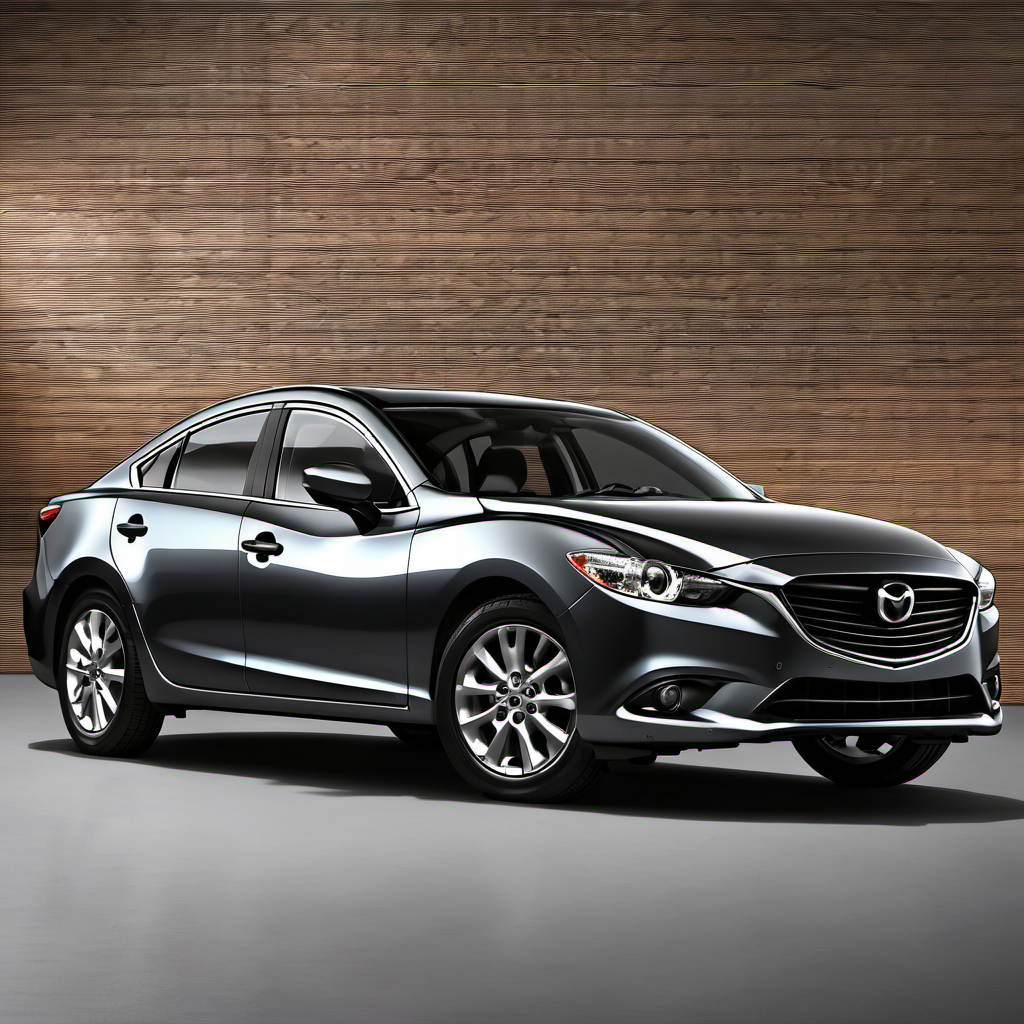
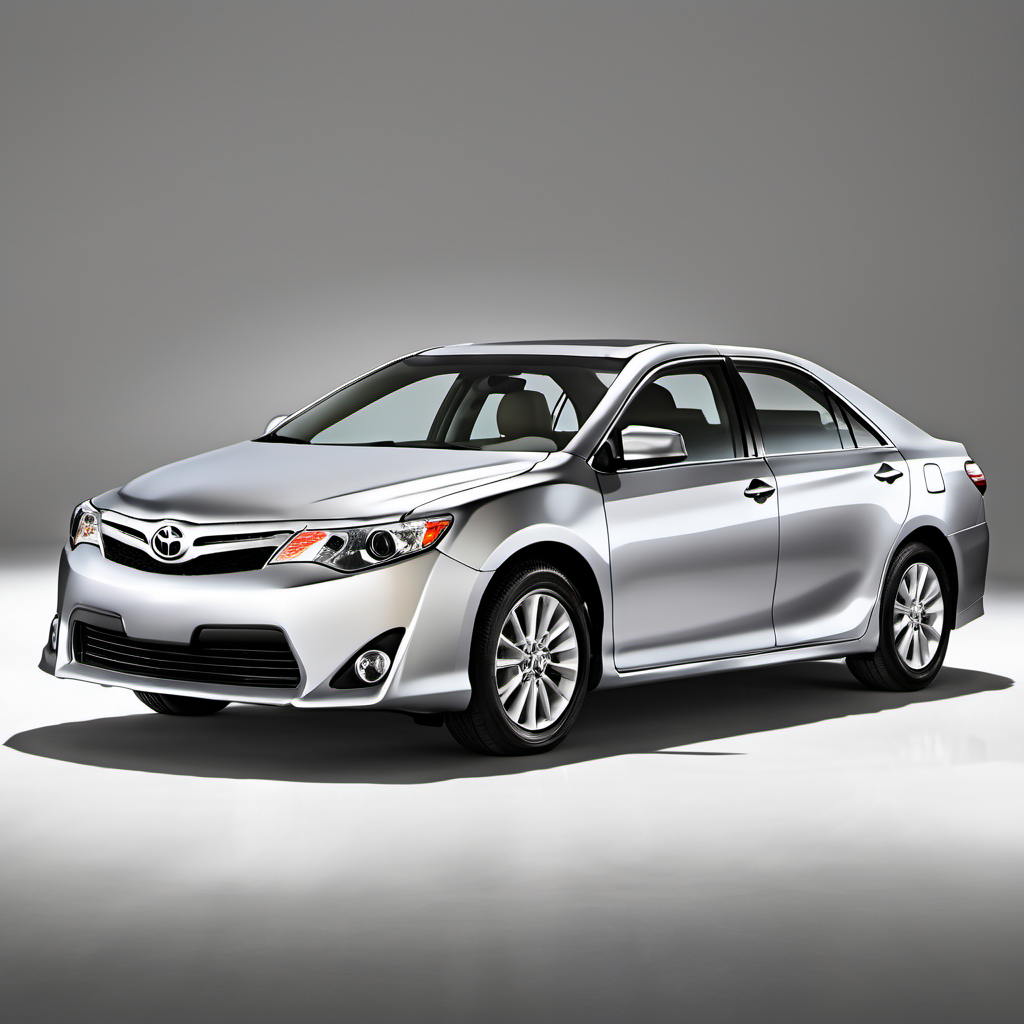
2013 MAZDA MAZDA6 Sedan

2013 MAZDA

MAZDA6Sedan

2.5L I4 · Sedan

The 2013 Mazda6 is the final model year of the third-generation (GH) platform before Mazda completely redesigned the car for 2014. It's a mid-size front-wheel-drive sedan that punches above its class for driving engagement — the 2.5L four-cylinder is peppy and reasonably fuel-efficient, the chassis is taut, and interior quality is a step up from the competition at this price point. At a decade-plus of age now, a well-maintained 2013 Mazda6 is genuinely solid transportation. Mazda earned a reputation for building cars that age gracefully when oil changes are kept up. The VVT system (Mazda calls it S-VT) is the main mechanical watch-out on higher-mileage cars — neglected oil changes will surface as camshaft timing codes. For Lake Geneva drivers, this car handles Wisconsin winters adequately on a good set of winter tires. It's FWD with reasonable ground clearance, though the low-ish front fascia can collect snow. Road-salt corrosion on the undercarriage is a real concern on any car this age in the upper Midwest — inspect carefully before buying.

Reliability
4/5
Verified data
Engine
2.5L I4
Drivetrain
FWD
Fuel
Gasoline
MPG
22 city / 32 hwy / 26 combined
Seats
5
Doors
4
Body
Sedan
MSRP
$21,490

Overview

AI-curated

The 2013 Mazda6 is the final model year of the third-generation (GH) platform before Mazda completely redesigned the car for 2014. It's a mid-size front-wheel-drive sedan that punches above its class for driving engagement — the 2.5L four-cylinder is peppy and reasonably fuel-efficient, the chassis is taut, and interior quality is a step up from the competition at this price point. At a decade-plus of age now, a well-maintained 2013 Mazda6 is genuinely solid transportation. Mazda earned a reputation for building cars that age gracefully when oil changes are kept up. The VVT system (Mazda calls it S-VT) is the main mechanical watch-out on higher-mileage cars — neglected oil changes will surface as camshaft timing codes. For Lake Geneva drivers, this car handles Wisconsin winters adequately on a good set of winter tires. It's FWD with reasonable ground clearance, though the low-ish front fascia can collect snow. Road-salt corrosion on the undercarriage is a real concern on any car this age in the upper Midwest — inspect carefully before buying.

Known for
  • Sharp, engaging handling for a mid-size sedan
  • Durable 2.5L four-cylinder engine with proper maintenance
  • Above-average interior quality for its class and era
  • Good long-term reliability when oil changes are not neglected
  • Competitive fuel economy in the mid-size segment
Best for
  • Daily commuters who want a fun-to-drive family sedan
  • Buyers seeking lower running costs than European alternatives
  • Drivers who prioritize handling and steering feel
  • Budget-conscious buyers wanting a reliable used sedan
Watch for
  • VVT/S-VT system is sensitive to oil change intervals — skipped services cause expensive cam timing problems
  • Road-salt undercarriage corrosion on Wisconsin examples
  • Transmission fluid often neglected on used examples; causes shift quality issues
  • Infotainment and electrical gremlins on high-mileage units
  • Check for rust on the rear wheel arches and frame subpoints on older examples

Common issues by mileage

6 known

VVT/S-VT Solenoid Failure (Cam Timing Codes)

high
Typically appears
80–150k mi
Estimated repair
$150 – $600

Oxygen Sensor / Heater Circuit Failure

medium
Typically appears
90–150k mi
Estimated repair
$150 – $350

Automatic Transmission Shift Hesitation / Harsh Shifts

medium
Typically appears
70–130k mi
Estimated repair
$100 – $400

Rear Wheel Arch and Undercarriage Rust (Salt-Belt Cars)

high
Typically appears
60–120k mi
Estimated repair
$300 – $1,500

Front Strut and Sway Bar Link Wear

medium
Typically appears
80–120k mi
Estimated repair
$200 – $700

Maintenance schedule

  1. 1
    Every 5,000 miles or 6 months — do NOT stretch to 7,500+ mi on this engine Engine oil and filter change

    The S-VT variable valve timing system has tight oil passages. Sludge from extended intervals is the #1 cause of expensive cam timing failures and P0012/P0015 codes.

  2. 2
    Every 45,000–60,000 miles Automatic transmission fluid exchange

    Mazda spec is a full drain-and-fill, not a flush. Most used examples have neglected this; a fresh fluid exchange dramatically improves shift quality and longevity.

  3. 3
    Every 60,000 miles Spark plug replacement

    Iridium plugs are OEM spec. Worn plugs increase misfire risk and stress the ignition coils.

  4. 4
    Every 60,000 miles or 5 years Coolant flush

    Degraded coolant accelerates corrosion in the aluminum engine block and water pump — critical in Wisconsin's freeze-thaw cycles.

  5. 5
    Every 2 years regardless of mileage Brake fluid flush

    Brake fluid is hygroscopic; Wisconsin humidity and salt exposure accelerate moisture absorption, lowering the boiling point and promoting caliper corrosion.

  6. 6
    Every spring after winter season Undercarriage wash and inspection

    Salt accumulation on Lake Geneva roads accelerates rust on the subframe, rear beam, and brake lines. Catching surface rust early is far cheaper than structural repairs.

  7. 7
    Every 30,000 miles or as needed Air filter replacement

    A clogged filter affects fuel trim and can contribute to rough idle and reduced power, especially in cold-start conditions.

  8. 8
    Inspect at 80,000 miles, replace if cam timing codes appear VVT solenoid screen cleaning or replacement

    The oil control valve screens for the S-VT solenoids can clog with sludge. Cleaning or replacing them is inexpensive and can prevent a much costlier actuator replacement.

Always defer to the manufacturer's service manual for warranty-mandated intervals.

Cost of ownership

Annual maintenance
$500 – $1,000
Fuel
At 26 MPG combined and ~15,000 miles/year, expect roughly $1,700–$2,100/year at current upper-Midwest gas prices. Premium is not required — regular 87 octane is fine.
Insurance
Typically $900–$1,400/year for full coverage in southern Wisconsin for a driver with a clean record, depending on age and coverage level. Lower than average for the mid-size segment.

The 2013 Mazda6 is one of the more affordable mid-size sedans to own. Parts are widely available and not expensive. Annual maintenance at an independent shop runs $500–$1,000 for routine services. Budget an additional $500–$1,500 in years where suspension wear items or VVT-related work comes due. Avoid the temptation to stretch oil change intervals — that single habit is what separates a $500/year car from a $3,000/year car on this engine.
Seasonal care

Lake Geneva, WI
Winter
  • Switch to a dedicated winter tire set — the OEM all-seasons lose grip rapidly below 20°F, and Lake Geneva roads see significant ice and packed snow.
  • Check battery health every fall. The 2.5L starter draws significant current; a battery showing 450 CCA or below should be replaced before temperatures drop.
  • Use a winter-grade washer fluid rated to at least -20°F. The standard reservoir will freeze with summer fluid during Wisconsin cold snaps.
  • Inspect and treat exposed brake lines and fuel lines for rust each fall — salt splash attacks bare metal quickly on cars this age.
  • Keep the gas tank at least half full in extreme cold to reduce condensation in the fuel system and prevent fuel line freeze.
  • After snowstorms, clear snow from the front bumper and lower grille area — packed snow can block airflow to the radiator and restrict the front fascia.
Summer
  • Check tire pressure every few weeks — for every 10°F rise in temperature, pressure increases ~1 PSI; over-inflation increases wear and reduces traction.
  • Inspect the A/C system in spring before heat arrives. The 2013 Mazda6 A/C is reliable but refrigerant loss is common on cars this age.
  • Flush coolant if overdue — a neglected cooling system is at higher risk of overheating during sustained highway driving in July/August heat.
  • Check wiper blade condition; UV and winter use degrade rubber quickly and summer thunderstorms demand a clear windshield.

Comparable vehicles

If you're shopping for one

Red flags
  • Any active cam timing codes (P0012, P0015) combined with evidence of infrequent oil changes — walk away or price in a potential VVT actuator job ($800–$1,500).
  • Brown or sludgy oil on the dipstick — indicates chronic oil change neglect; the engine internals may already be compromised.
  • Visible rust perforation on the undercarriage, subframe, or rear beam — structural rust repair on a $8,000–$12,000 car is rarely economical.
  • Transmission that slips, hesitates, or clunks on light throttle — may indicate a worn unit that service alone won't fix.
  • Check engine light that reappears shortly after being cleared — a seller who clears codes before a test drive is a red flag.
What to inspect
  • Pull a live scan for pending/stored codes before purchase — P0012/P0015 cam timing codes indicate oil maintenance neglect and potential VVT actuator damage.
  • Check underneath for rust on the rear suspension beam, subframe mounting points, and brake lines — salt-belt cars this age can be seriously compromised.
  • Verify transmission fluid condition and color (should be pink/red, not brown or burnt-smelling) — fluid neglect is common on used examples.
  • Test A/C performance and listen for compressor noise on startup.
  • Inspect the rear wheel arches closely for bubbling paint or flaking — this is where rust typically starts on GH-platform Mazdas.
AI profile generated 4 days ago · claude-sonnet-4-6 · v2.