VTC Actuator Rattle on Cold Start
high- Typically appears
- 60–150k mi
- Estimated repair
- $200 – $600
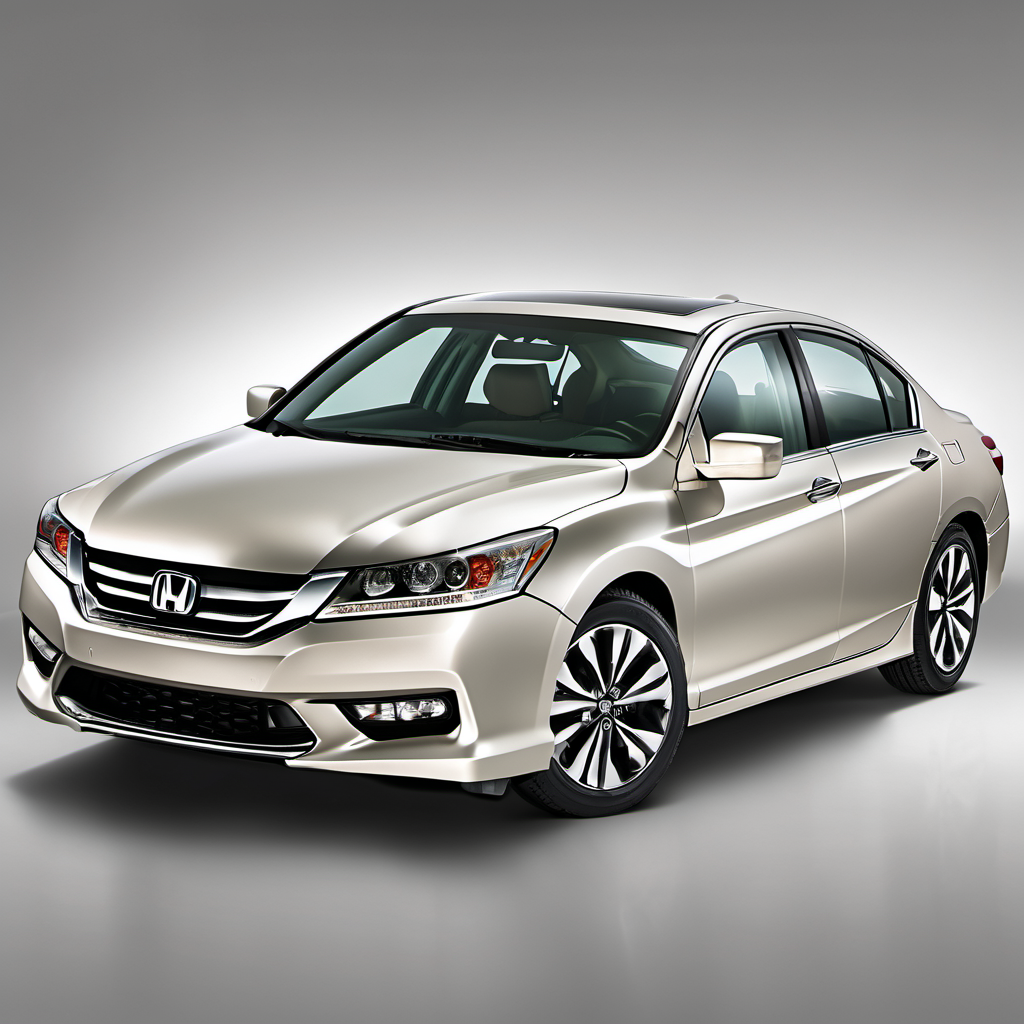
2013 Honda
Sedan
The 2013 Honda Accord Sedan is the ninth-generation Accord, a complete redesign that brought sharper styling, a lighter platform, and a standard 2.4L Earth Dreams four-cylinder engine paired with a CVT or 6-speed manual. It was an immediate sales success and earned widespread praise from automotive press and owners alike for its balance of comfort, efficiency, and reliability. For a midsize family sedan, the 9th-gen Accord hits most of the right marks: roomy back seat, a usable trunk, a composed highway ride, and fuel economy that regularly exceeds EPA estimates on the highway. The base 2.4L four is smooth and adequately powerful for everyday driving, and the CVT keeps the engine in its sweet spot without feeling overly drony at highway speeds. Over a decade of real-world ownership data confirms this generation holds up well. With diligent oil changes and attention to the VTC actuator (the single most important maintenance item on this engine), six-figure mileage is routine. It's a sensible buy new or used, provided you check the oil change history carefully.
The 2013 Honda Accord Sedan is the ninth-generation Accord, a complete redesign that brought sharper styling, a lighter platform, and a standard 2.4L Earth Dreams four-cylinder engine paired with a CVT or 6-speed manual. It was an immediate sales success and earned widespread praise from automotive press and owners alike for its balance of comfort, efficiency, and reliability. For a midsize family sedan, the 9th-gen Accord hits most of the right marks: roomy back seat, a usable trunk, a composed highway ride, and fuel economy that regularly exceeds EPA estimates on the highway. The base 2.4L four is smooth and adequately powerful for everyday driving, and the CVT keeps the engine in its sweet spot without feeling overly drony at highway speeds. Over a decade of real-world ownership data confirms this generation holds up well. With diligent oil changes and attention to the VTC actuator (the single most important maintenance item on this engine), six-figure mileage is routine. It's a sensible buy new or used, provided you check the oil change history carefully.
The VTC actuator and valve train depend on clean, fresh oil. Honda's Maintenance Minder may allow longer intervals, but in Wisconsin stop-and-go and cold-start conditions, 5k miles is the practical limit to prevent actuator rattle and sludge buildup.
CVT fluid degrades with heat cycling. 'Lifetime fill' is marketing; independent shop owners regularly see CVT shudder cured by a fluid change. Use Honda HMMF or Honda-equivalent only — off-brand CVT fluids cause shudder.
Wisconsin roads kick up road dust and salt mist. A clogged cabin filter reduces A/C and heat performance and stresses the blower motor.
Gravel and debris on Wisconsin roads accelerate filter loading. A dirty filter hurts fuel economy on the 2.4L.
Brake fluid is hygroscopic — it absorbs moisture from air. Wet fluid reduces boiling point and corrodes ABS components from the inside. Wisconsin humidity and temperature swings accelerate moisture uptake.
Factory iridium plugs are rated for 100k miles. Waiting longer risks plugs seizing in the aluminum head on high-mileage engines, turning a $120 job into a $400+ repair.
Honda Blue (OAT) coolant loses its anti-corrosion additives over time. Degraded coolant corrodes aluminum engine components and the heater core — the heater core is especially important in a Wisconsin winter.
Lake Geneva roads are heavily salted. Salt packs into frame rails, suspension joints, and brake lines. An annual underbody rinse at a touchless car wash and a visual inspection for rust bubbling catches problems before they become structural.
Always defer to the manufacturer's service manual for warranty-mandated intervals.
The 2013 Accord 4-cylinder is one of the cheaper midsize sedans to own. Maintenance costs are low when kept on schedule. The main financial risk is a neglected CVT — a replacement runs $3,000–$5,000 at an independent shop — so confirming fluid service history on any used example is money well spent.
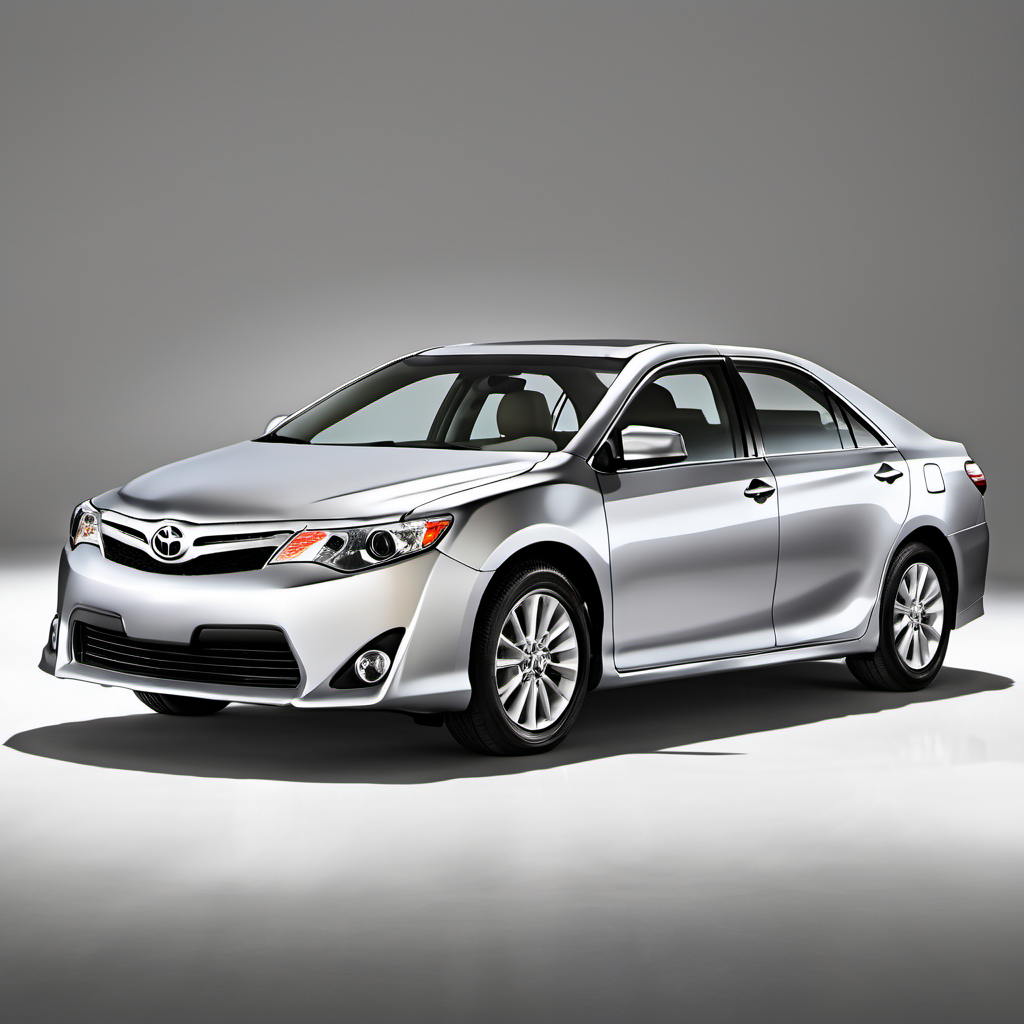
Direct midsize sedan competitor with a similar 2.5L four-cylinder, comparable fuel economy, and a strong reliability record. Slightly softer ride, less driver-focused, but arguably an even longer proven track record of high-mileage durability.
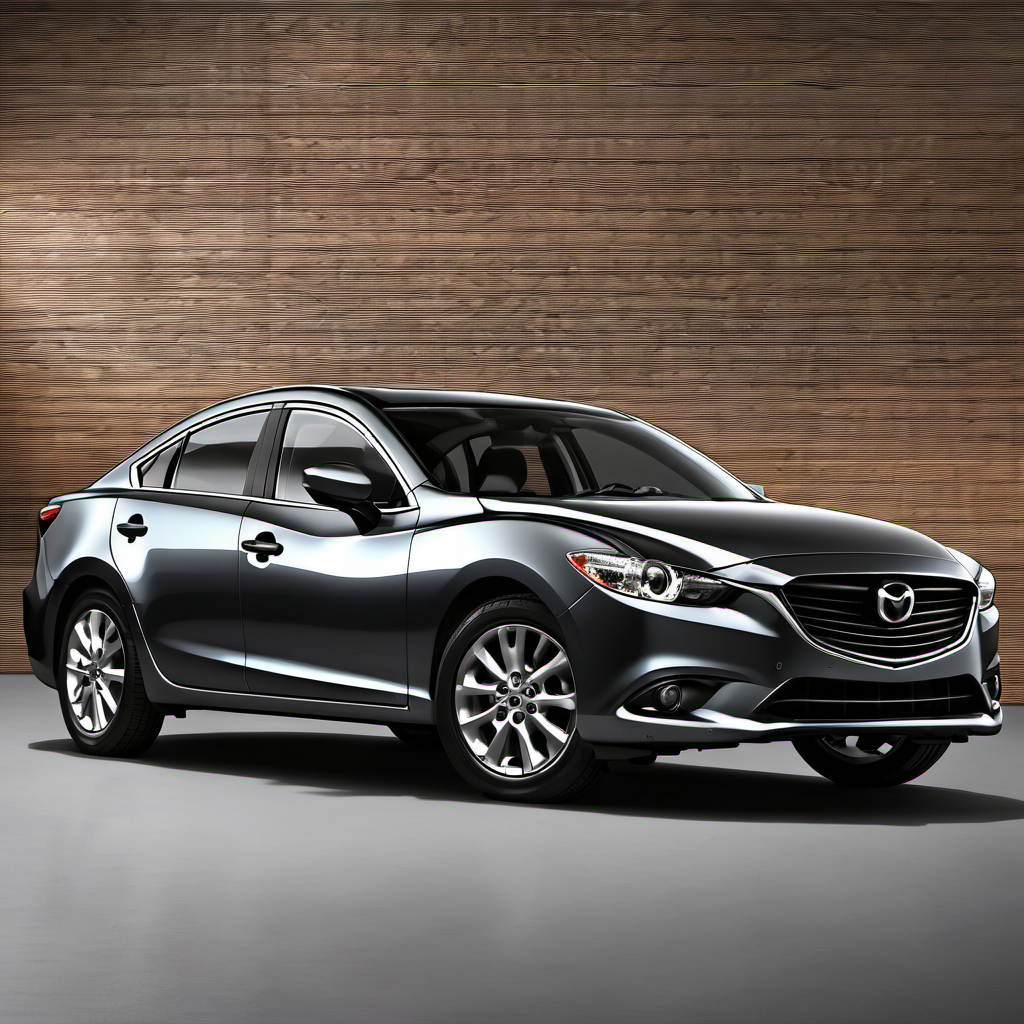
All-new for 2014 but the 2013 Mazda6 offers similar pricing and a more engaging driving experience. SkyActiv engine is genuinely efficient and bulletproof. Smaller back seat than the Accord but sharper dynamics.
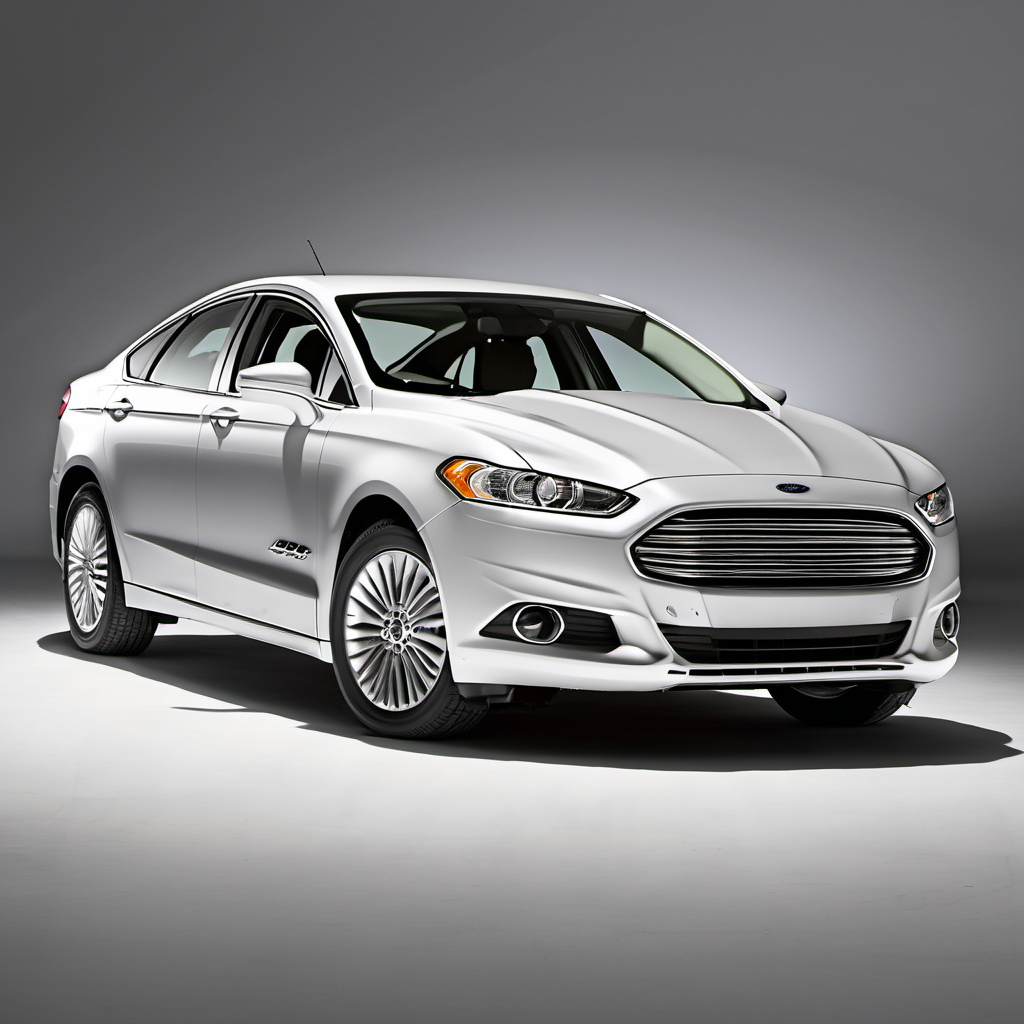
Strong styling, comfortable ride, and available AWD — a notable advantage over the FWD-only Accord for Wisconsin winters. EcoBoost engines carry more complexity, but the 2.5L base is straightforward. Interior quality lags the Accord slightly.
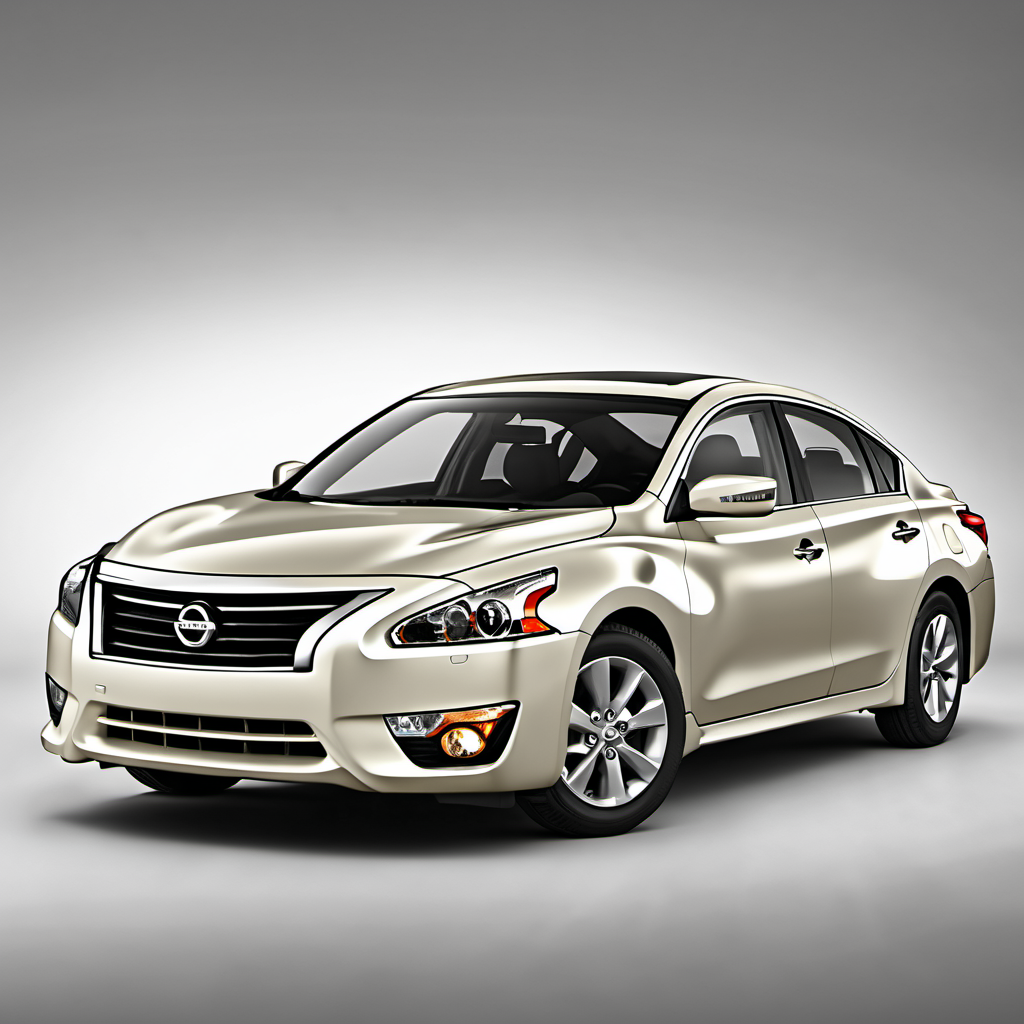
Similar price point and FWD CVT drivetrain combination. The Altima's CVT has a weaker reliability reputation than Honda's unit. Best fuel economy in class from the 2.5L four, but interior materials and long-term reliability trail the Accord.