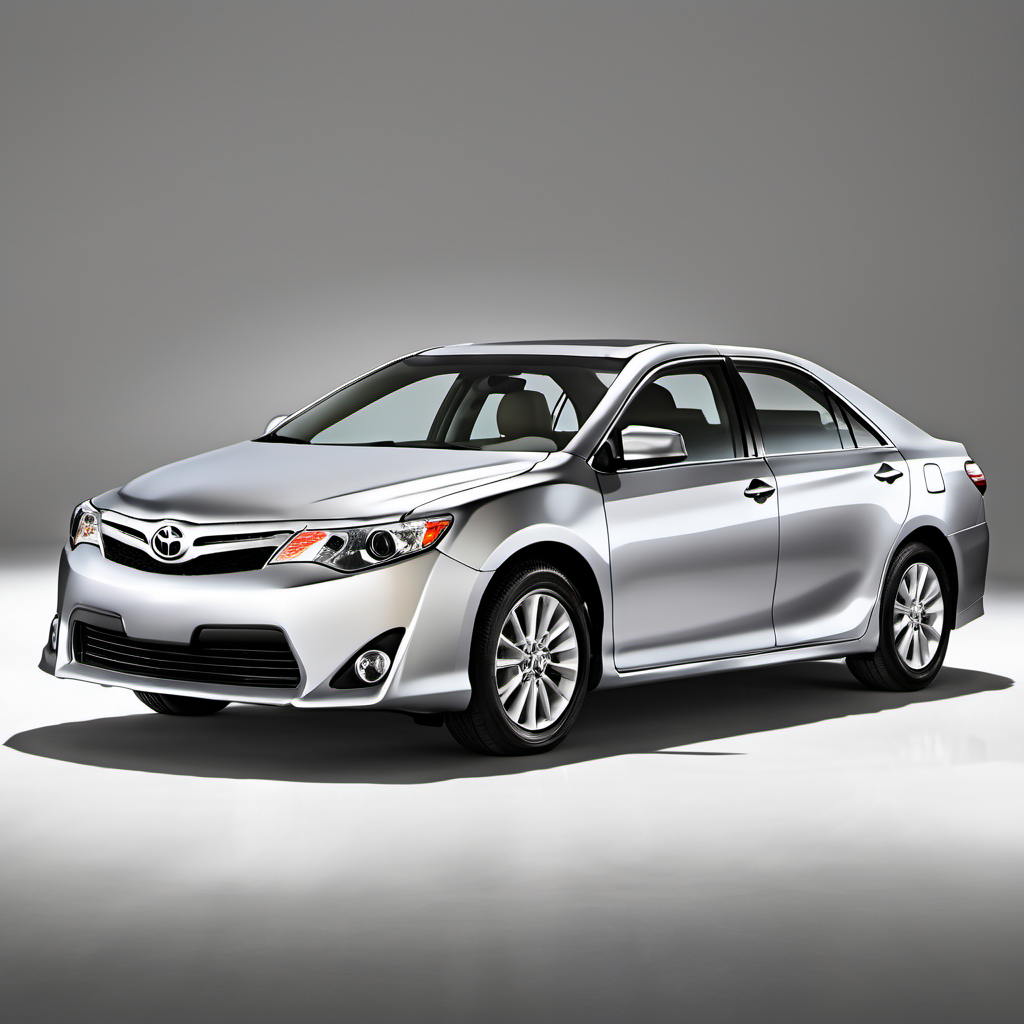
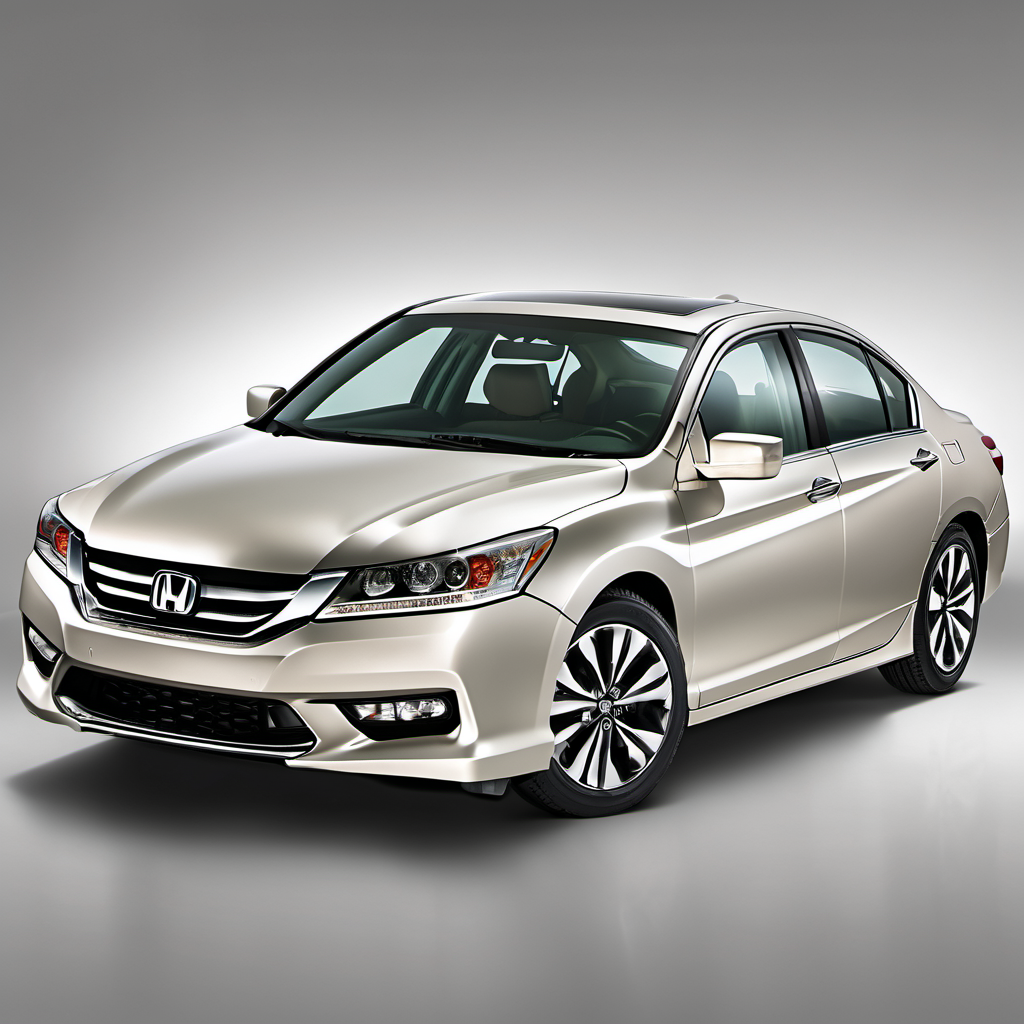
2013 Toyota Camry Sedan

2013 Toyota

CamrySedan

Sedan

The 2013 Toyota Camry is the eighth-generation (XV50) version of America's best-selling sedan, a title it has held for well over a decade. Refreshed in 2012, this generation brought a sharper exterior, a quieter cabin, and improved fuel economy while keeping the Camry's core promise: a practical, spacious midsize sedan that rewards you with low drama and high miles. The 2.5L four-cylinder is the volume engine, pairing respectable fuel economy (28 mpg combined) with enough power for everyday driving. The six-speed automatic is smooth and rarely causes trouble. Interior quality is a step up from the previous generation — soft-touch surfaces, a sensible layout, and enough rear-seat legroom to seat adults comfortably. For Lake Geneva commuters and families, the Camry makes a strong case: it's easy to maintain, parts are cheap and available everywhere, and well-cared-for examples routinely cross 200,000 miles without major surgery. It's not exciting, but it's genuinely dependable.

Reliability
4/5
Verified data
Specs shown for Camry — the most common configuration. Other trims may vary in engine, drivetrain, or fuel economy. Sign in to see your vehicle's exact specs.
Engine
[object Object]
Drivetrain
FWD
Fuel
Gasoline
MPG
25 city / 34 hwy / 28 combined
Seats
Doors
Body
Midsize Cars

Overview

AI-curated

The 2013 Toyota Camry is the eighth-generation (XV50) version of America's best-selling sedan, a title it has held for well over a decade. Refreshed in 2012, this generation brought a sharper exterior, a quieter cabin, and improved fuel economy while keeping the Camry's core promise: a practical, spacious midsize sedan that rewards you with low drama and high miles. The 2.5L four-cylinder is the volume engine, pairing respectable fuel economy (28 mpg combined) with enough power for everyday driving. The six-speed automatic is smooth and rarely causes trouble. Interior quality is a step up from the previous generation — soft-touch surfaces, a sensible layout, and enough rear-seat legroom to seat adults comfortably. For Lake Geneva commuters and families, the Camry makes a strong case: it's easy to maintain, parts are cheap and available everywhere, and well-cared-for examples routinely cross 200,000 miles without major surgery. It's not exciting, but it's genuinely dependable.

Known for
  • Exceptional long-term reliability with proper maintenance
  • Roomy, comfortable cabin for a midsize sedan
  • Low cost of ownership and widely available parts
  • Smooth, refined ride quality
  • Strong resale value
Best for
  • Daily commuters who want low-stress ownership
  • Families needing a dependable second or primary car
  • High-mileage drivers who prioritize economy over excitement
  • First-time used-car buyers seeking proven reliability
Watch for
  • Oil consumption on the 2AR-FE 2.5L (some owners report 1 qt per 1,000–2,000 mi)
  • VVT-i system faults when oil changes are skipped — can cause expensive cam phaser damage
  • Premature brake pad and rotor wear reported by many owners
  • Interior plastics can creak and rattle as the car ages
  • Airbag inflator recall history — verify all open recalls are closed before buying

Common issues by mileage

6 known

Excessive oil consumption (2AR-FE 2.5L engine)

high
Typically appears
30k–100k mi
Estimated repair
$100 – $600

VVT-i cam phaser / oil control valve fault

medium
Typically appears
60k–150k mi
Estimated repair
$250 – $900

Premature brake rotor warping and pad wear

high
Typically appears
20k–60k mi
Estimated repair
$200 – $500

Oxygen / A/F sensor heater circuit failure

medium
Typically appears
80k–150k mi
Estimated repair
$150 – $400

Interior rattles and dashboard creaking

medium
Typically appears
40k–100k mi
Estimated repair
$0 – $150

Power steering noise / electric motor whine (EPS)

low
Typically appears
50k–120k mi
Estimated repair
$300 – $900

Maintenance schedule

  1. 1
    Every 5,000 miles or 6 months — do NOT stretch to 10k on this engine Engine oil and filter change

    The 2AR-FE is prone to oil consumption and VVT-i sludge. Shorter intervals prevent cam phaser damage and keep the variable valve timing system clean. Use 0W-20 full synthetic as specified.

  2. 2
    Every fill-up or at least monthly Check and top off oil level

    Given documented oil consumption on this engine, running low between changes is a real risk. Low oil accelerates wear on the VVT-i system and bearings.

  3. 3
    Every 60,000 miles Transmission fluid change

    Toyota rates the U260E as 'sealed,' but upper Midwest driving (cold starts, stop-and-go) degrades fluid. A drain-and-fill at 60k extends transmission life significantly.

  4. 4
    Every 2 years regardless of mileage Brake fluid flush

    Brake fluid is hygroscopic. Wisconsin winters with constant temperature swings accelerate moisture absorption, which lowers boiling point and can promote internal caliper corrosion.

  5. 5
    Every 100,000 miles or 5 years (Super Long Life coolant) Coolant flush

    Toyota SLLC is long-lived but should not be mixed with other types. Degraded coolant accelerates corrosion in the aluminum head and radiator.

  6. 6
    Every 20,000–25,000 miles Cabin and engine air filter replacement

    Wisconsin road salt, grit, and agricultural dust clog filters faster than the factory interval suggests. A plugged cabin filter strains the blower motor.

  7. 7
    Every 5,000 miles (with each oil change) Tire rotation

    FWD puts extra wear on the front tires. Rotating consistently evens out wear and avoids early replacements.

  8. 8
    Every fall before winter season Battery load test

    Lead-acid batteries lose significant cold cranking amps below 0°F. A battery that tests marginal in October will likely fail in a Lake Geneva January.

Always defer to the manufacturer's service manual for warranty-mandated intervals.

Cost of ownership

Annual maintenance
$400 – $900
Fuel
At 28 mpg combined and ~15,000 miles/year, expect roughly $1,500–$1,900/year at $2.80–$3.50/gal regular unleaded.
Insurance
Typically $900–$1,400/year for a 2013 Camry in southern Wisconsin for a driver with a clean record, depending on coverage level and insurer.

The Camry is one of the cheaper midsize sedans to own long-term. Parts are plentiful and inexpensive, independent shops know this car cold, and the 2.5L four-cylinder avoids the complexity of the V6. The main budget wildcard is the oil consumption issue — if a used example has been neglected, a VVT-i repair or cam phaser replacement can run $500–$900. Budget for brakes every 30–40k miles as they wear faster than the reliability reputation implies.
Seasonal care

Lake Geneva, WI
Winter
  • Test and replace the battery if it's 4+ years old before temperatures drop below 10°F — cold cranking capacity drops sharply and the Camry's electrical draw is not trivial.
  • Switch to full winter wiper blades rated for ice; the standard blades ice up quickly in Wisconsin freezing rain and leave dangerous blind spots.
  • Fill washer fluid reservoir with -25°F or colder rated fluid only — summer fluid will freeze in the lines and crack the pump or reservoir.
  • Check tire tread depth and consider dedicated winter tires; FWD helps in acceleration but does nothing for braking on ice — winter rubber makes a significant safety difference.
  • Apply an underbody rinse every 2–3 weeks during salting season; pay special attention to the rear subframe, suspension arms, and brake lines, which are known to corrode on older Camrys in salt-belt states.
  • Use 0W-20 full synthetic oil year-round — it flows immediately at cold starts, protecting the VVT-i system during those critical first seconds of a sub-zero start.
Summer
  • Check tire pressure monthly — tires gain roughly 1 PSI for every 10°F increase in temperature and overinflation accelerates center-tread wear on hot pavement.
  • Inspect and recharge the A/C system if cooling is weak; the 2013 Camry's cabin heats up quickly and a marginally performing A/C system is very noticeable on humid Wisconsin summer days.
  • Check coolant level and condition — summer heat combined with any small leak can push the engine toward overheating, which is hard on the aluminum head.
  • Inspect the cabin air filter before heavy summer use; pollen and road debris from spring accumulate quickly and reduce A/C airflow efficiency.

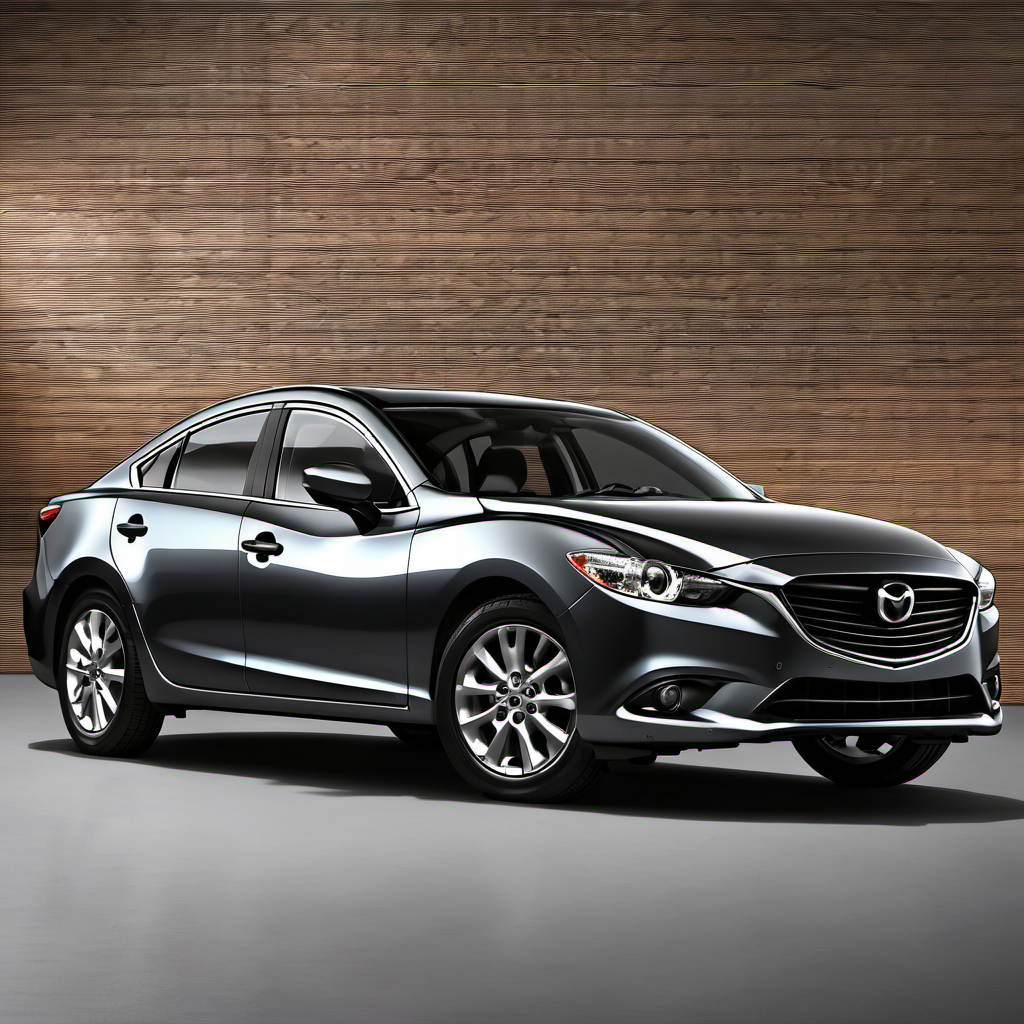
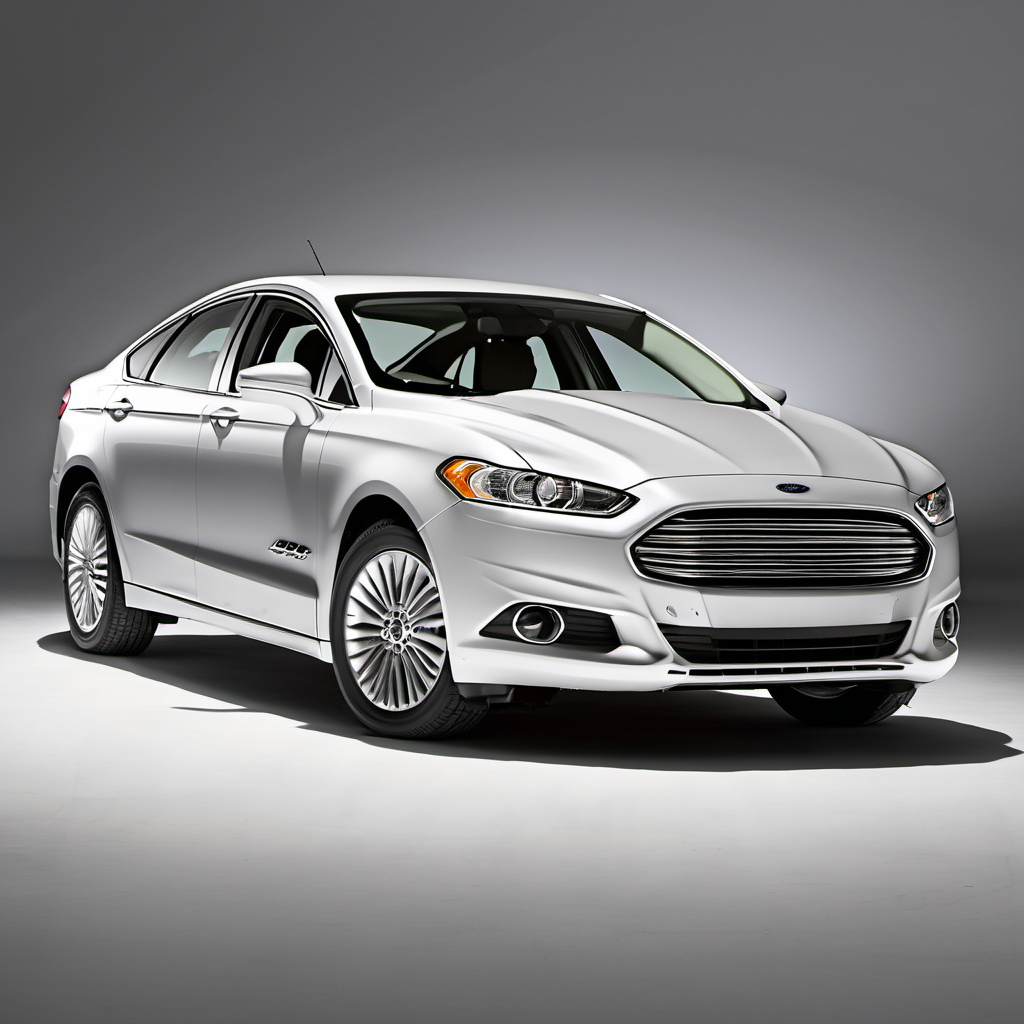
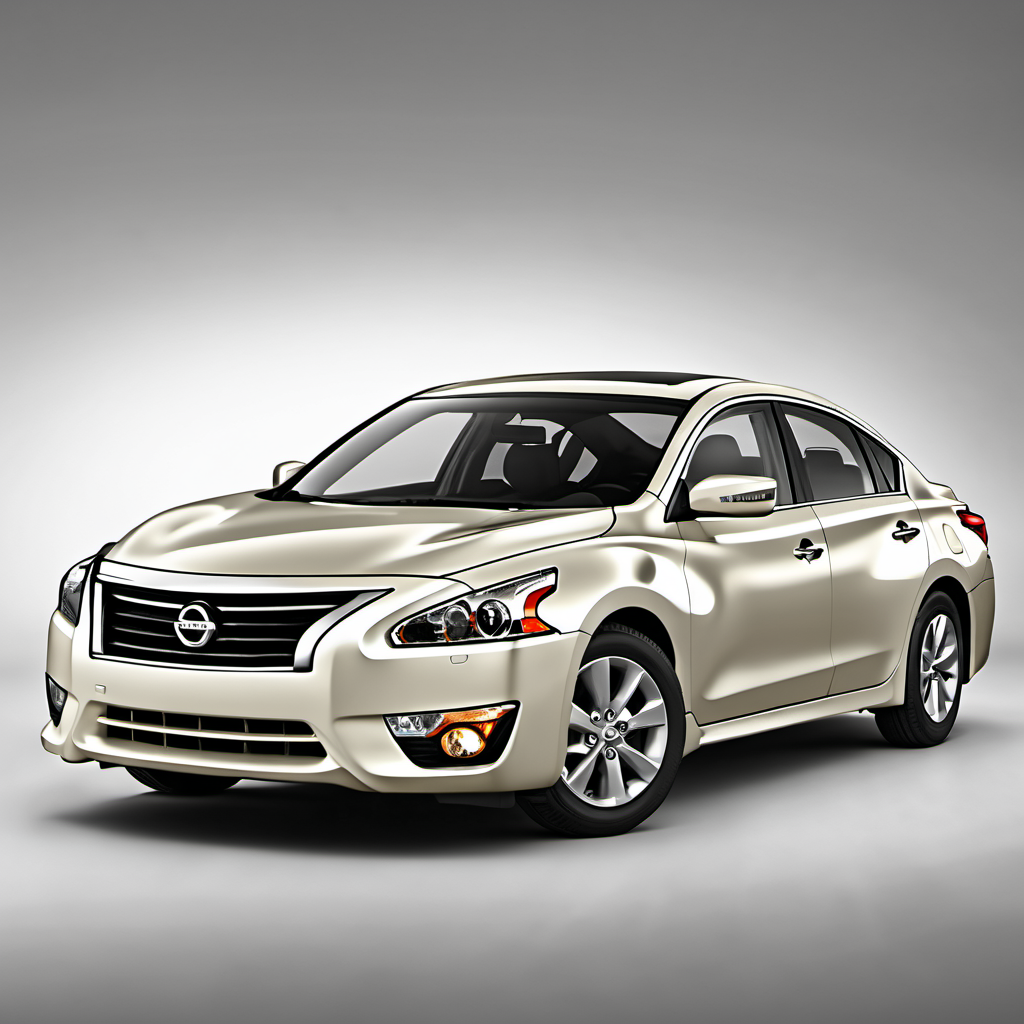
Comparable vehicles

If you're shopping for one

Red flags
  • Any active cam timing DTC (P0012, P0015) combined with a high-mileage, oil-starved history — repair cost may exceed the car's value.
  • Evidence of coolant in oil (milky residue on dipstick or oil cap) — points to a head gasket or worse.
  • Rust-through on the rear subframe or brake lines — structural repairs in this area are expensive and sometimes not worth doing on an older car.
  • Odometer inconsistency or missing service records on a high-mileage example — oil change history is critical on this engine.
  • Airbag warning light on, or any unresolved airbag-related recall — do not drive until resolved.
What to inspect
  • Pull the oil cap and dipstick — look for thick, dark, or sludgy oil which signals neglected oil changes and possible VVT-i damage.
  • Check the oil level cold before startup; if it's a quart or more low on a maintained car, the oil consumption issue is active.
  • Scan for DTCs before purchase — P0012 or P0026 codes indicate VVT-i/cam phaser problems that can be costly to resolve.
  • Test the A/C and heater thoroughly; blower motor resistor failures are not uncommon on high-mileage examples.
  • Inspect the undercarriage for rust on the rear subframe, brake lines, and suspension arms — salt-belt cars from Wisconsin, Illinois, or Minnesota can have significant corrosion by 80k miles.
  • Check all four brake rotors for deep grooves or heat cracks; rotor warping is common and often deferred by previous owners.
  • Verify all open NHTSA recalls (especially airbag inflator) are closed — some 2013 Camrys were subject to Takata airbag recalls and should not be purchased until confirmed remedied.
AI profile generated 4 days ago · claude-sonnet-4-6 · v2.