VVT-i Oil Control Valve / Camshaft Timing — Sludge-Related
medium- Typically appears
- 80–150k mi
- Estimated repair
- $150 – $600
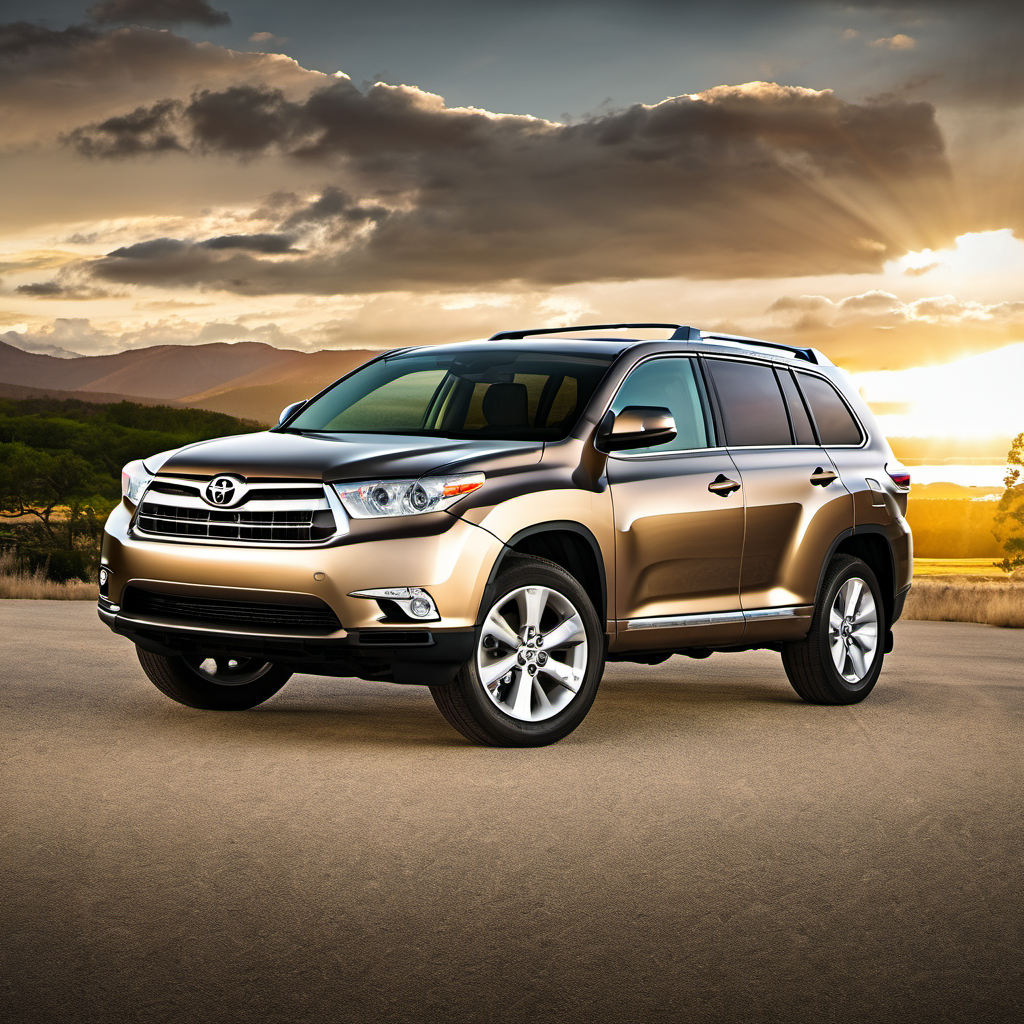
2013 Toyota
3.5L V6 (2GR-FE) · SUV
The 2013 Toyota Highlander is a second-generation (XU40 platform) mid-size, three-row crossover SUV that hit a sweet spot between car-like comfort and genuine family utility. Powered by Toyota's proven 3.5L 2GR-FE V6 paired to a 5-speed automatic, it delivers smooth, confident power without the complexity of newer 8- and 10-speed units. AWD is available and common in the upper Midwest. This generation Highlander earned a strong reputation for long-term durability. It is not the flashiest vehicle in the segment, but owners consistently report high mileage without major mechanical drama when basic maintenance is kept up. Interior space is generous for three rows, though third-row legroom is tight for adults. The 2013 model year is one of the last of the second generation before a full redesign in 2014, which means parts are mature, well-understood, and widely available at independent shops. For a used buyer, this is generally a low-risk choice — provided the VVT-i system and oil change history have been respected.
The 2013 Toyota Highlander is a second-generation (XU40 platform) mid-size, three-row crossover SUV that hit a sweet spot between car-like comfort and genuine family utility. Powered by Toyota's proven 3.5L 2GR-FE V6 paired to a 5-speed automatic, it delivers smooth, confident power without the complexity of newer 8- and 10-speed units. AWD is available and common in the upper Midwest. This generation Highlander earned a strong reputation for long-term durability. It is not the flashiest vehicle in the segment, but owners consistently report high mileage without major mechanical drama when basic maintenance is kept up. Interior space is generous for three rows, though third-row legroom is tight for adults. The 2013 model year is one of the last of the second generation before a full redesign in 2014, which means parts are mature, well-understood, and widely available at independent shops. For a used buyer, this is generally a low-risk choice — provided the VVT-i system and oil change history have been respected.
The 2GR-FE's VVT-i system is the most oil-sensitive component on this vehicle. Dirty or low oil causes sludge in the narrow oil passages feeding the camshaft actuators. This is the single most important maintenance item on this Highlander.
A restricted air filter affects fuel trim and can contribute to rough idle. Easy DIY job on this engine.
Toyota's WS fluid is 'lifetime' rated at the factory, but real-world use in towing or cold climates degrades it faster. Fresh fluid at 60k protects the already-durable 5-speed automatic.
Degraded coolant accelerates water pump wear and can cause head gasket issues on extended neglect. Use Toyota pink SLLC or a compatible long-life coolant.
Iridium plugs are factory spec. Delaying past 90k can cause plugs to seize in the aluminum heads — replace on time to avoid a costly extraction job.
Dark, burned-smelling PS fluid accelerates rack seal wear. Given the known rack leak issue on this generation, keeping fluid clean is cheap insurance.
Moisture absorption in brake fluid lowers its boiling point. Wisconsin's winter salt exposure also increases corrosion risk in the ABS hydraulic unit.
Salt roads in Lake Geneva and across Wisconsin aggressively attack brake lines, fuel lines, and suspension fasteners. Catching early rust on brake lines saves you from a roadside failure.
Always defer to the manufacturer's service manual for warranty-mandated intervals.
The 2013 Highlander is an economical SUV to own over time. Routine maintenance costs are moderate, parts are affordable and widely available, and the drivetrain rarely surprises you with large unplanned bills when oil changes are kept current. The biggest financial risks are a neglected VVT-i system (which can escalate quickly) and power steering rack replacement. Budget $800–$1,200/year for routine upkeep on a well-maintained example; add a contingency fund for struts and rack if mileage exceeds 120k.
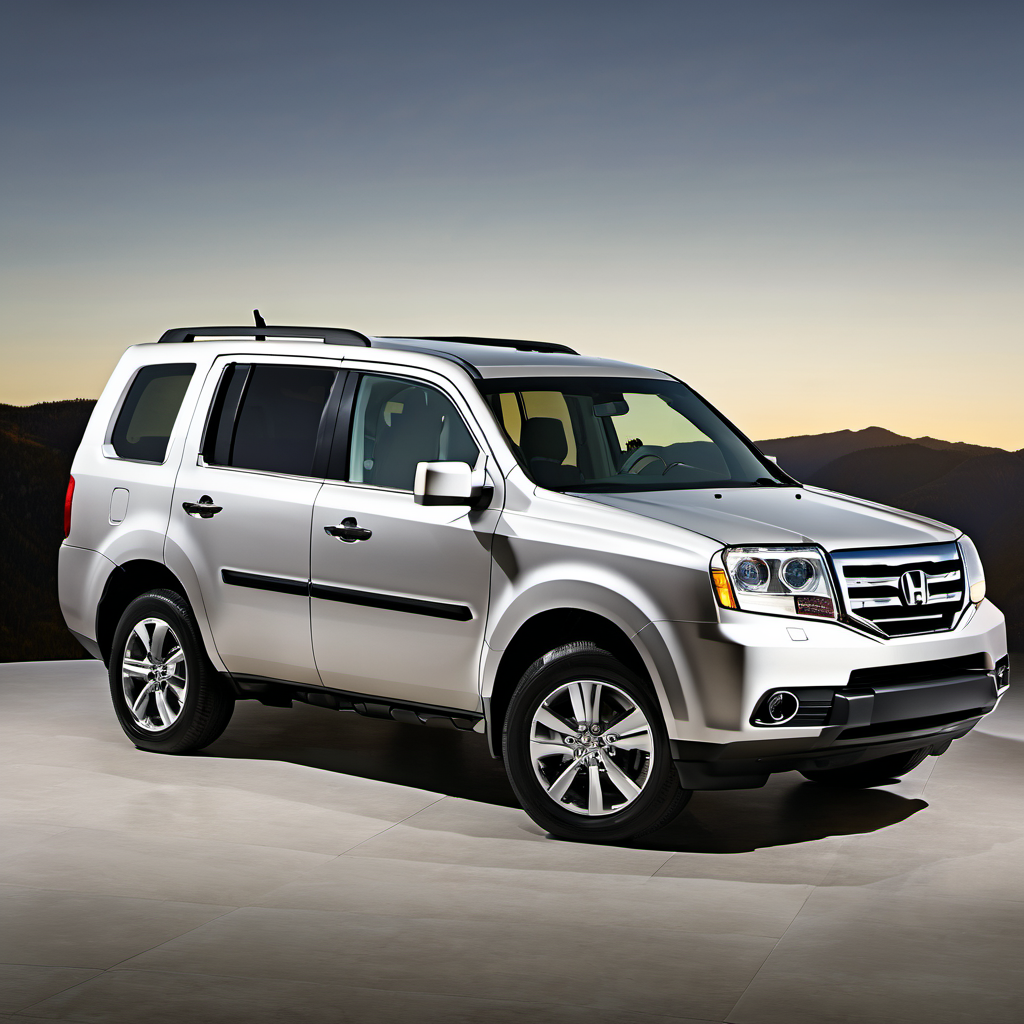
Nearly identical mission — three-row mid-size crossover, similar price range, comparable reliability reputation. The Pilot has more third-row legroom; the Highlander has a smoother powertrain.
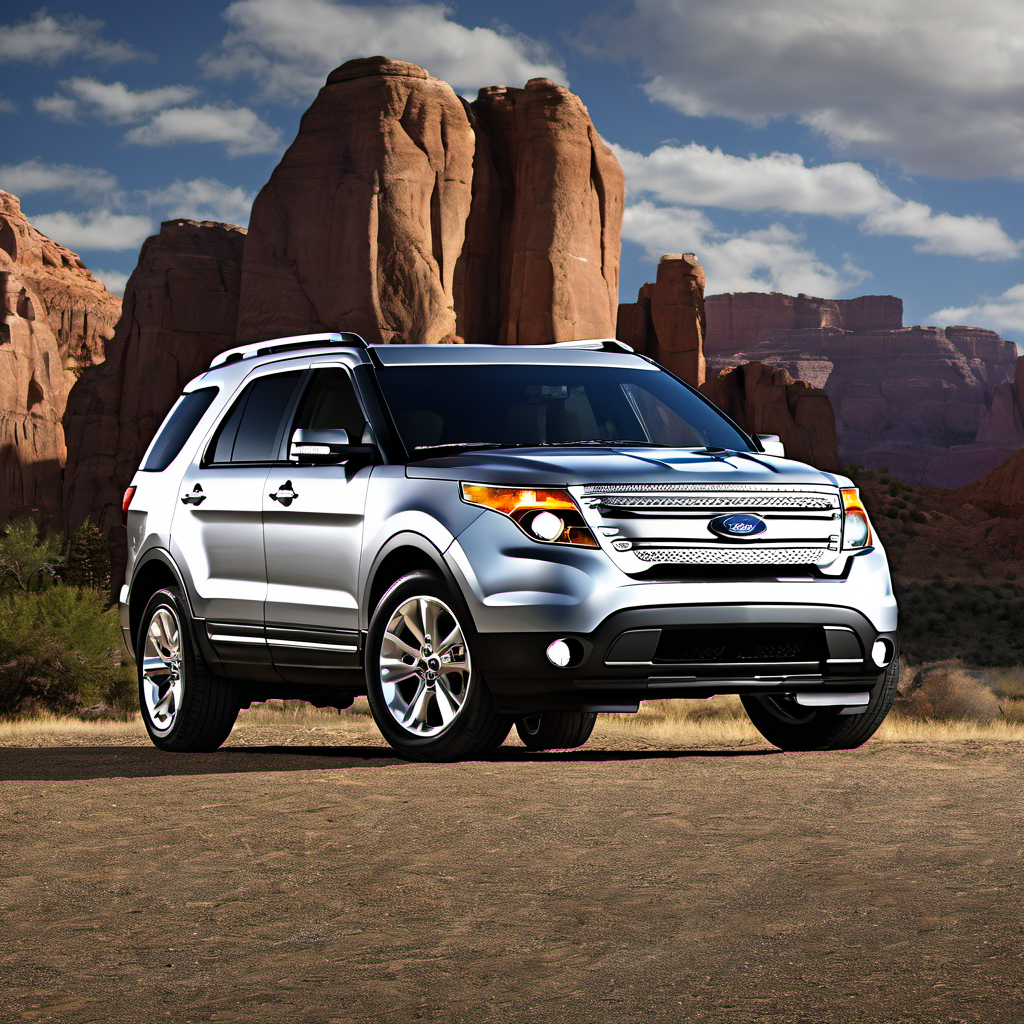
Direct segment competitor with more available trim levels and a turbocharged EcoBoost 4-cylinder option. Slightly higher long-term maintenance costs than the Highlander; more interior technology features for the era.
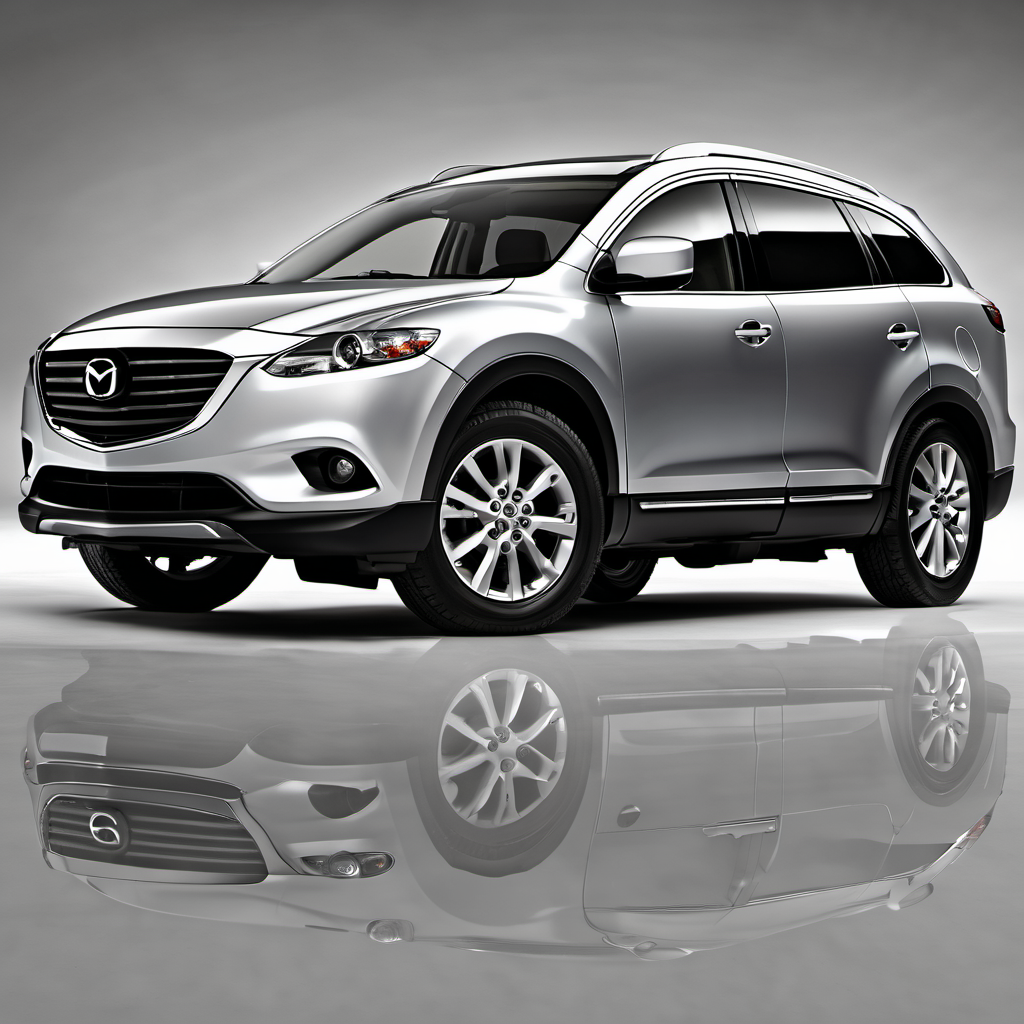
Three-row crossover with a sportier driving feel and competitive reliability. Slightly smaller cargo area; stronger on fuel economy. A good alternative for buyers who want a more engaging drive.
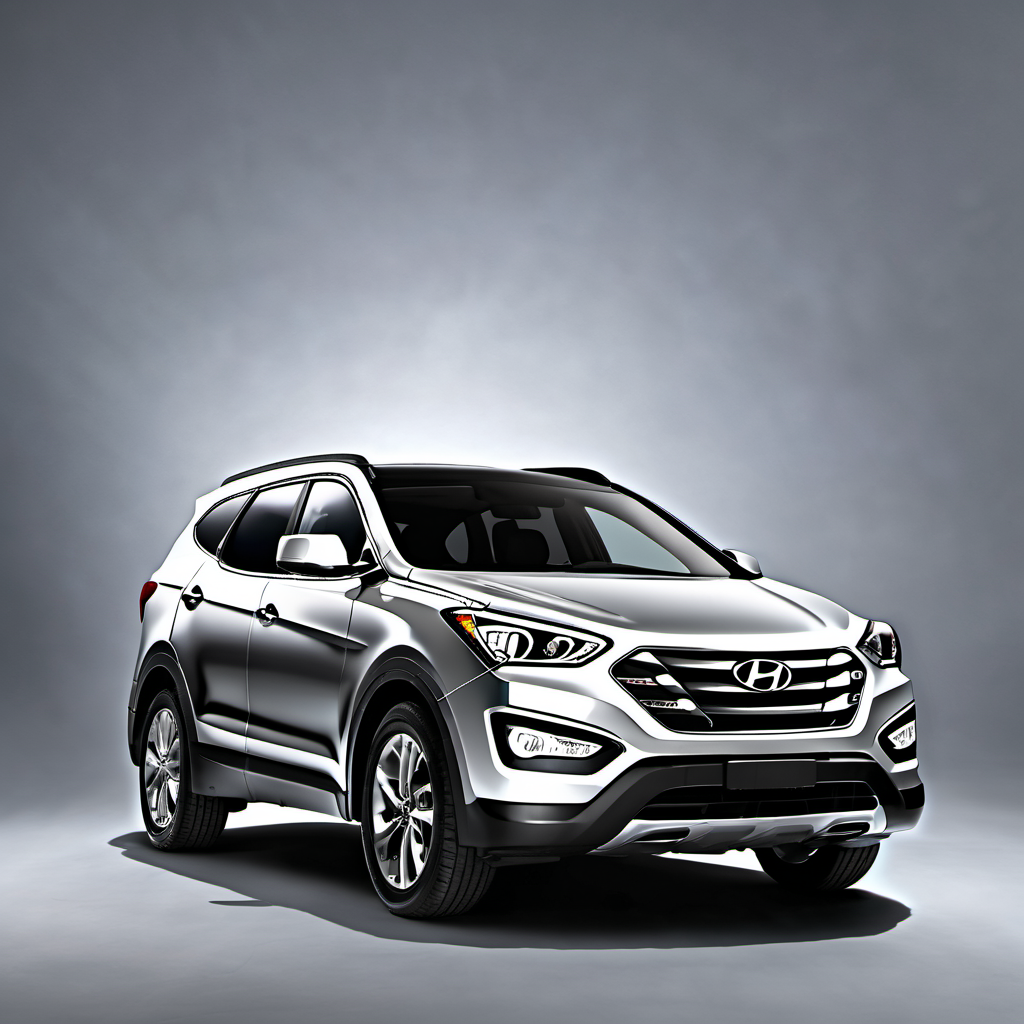
Lower purchase price for similar three-row utility. Longer factory warranty coverage helps used buyers; reliability and resale are not quite at Highlander levels but the gap has narrowed significantly on this generation.