EcoBoost 2.0L Oil Consumption & Carbon Buildup on Intake Valves
high- Typically appears
- 50–120k mi
- Estimated repair
- $300 – $900
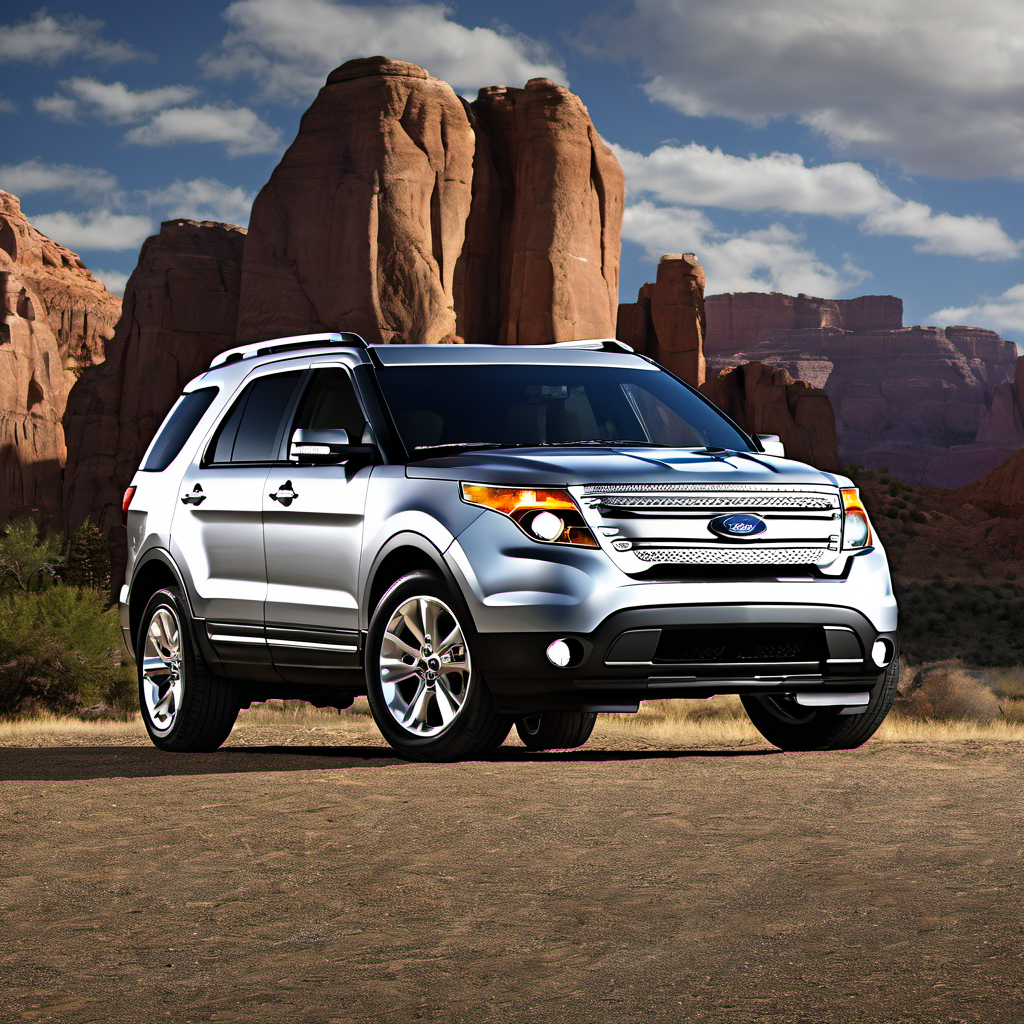
2013 Ford
SUV
The 2013 Ford Explorer is a three-row, five-door midsize SUV built on a unibody car platform — a major departure from the truck-based body-on-frame Explorers of the past. Ford repositioned it as a crossover with carlike ride quality and better fuel economy while keeping seating for up to seven. The 2013 model year sits in the middle of the second-generation redesign (2011–2015), with minor refinements over the launch year. The base engine is a 2.0L turbocharged EcoBoost four-cylinder, shared with the FWD configuration here. It delivers reasonable power for around-town use, though it can feel strained when fully loaded or towing. The optional 3.5L V6 and 3.5L EcoBoost V6 were more popular with buyers needing more performance or towing capability. This generation Explorer has a mixed reliability reputation. Owners report solid bones and a comfortable interior, but a handful of recurring issues — particularly around the EcoBoost engine's oil consumption, the PTU/rear differential on AWD models, and exhaust fume intrusion — make careful inspection non-negotiable when buying used.
The 2013 Ford Explorer is a three-row, five-door midsize SUV built on a unibody car platform — a major departure from the truck-based body-on-frame Explorers of the past. Ford repositioned it as a crossover with carlike ride quality and better fuel economy while keeping seating for up to seven. The 2013 model year sits in the middle of the second-generation redesign (2011–2015), with minor refinements over the launch year. The base engine is a 2.0L turbocharged EcoBoost four-cylinder, shared with the FWD configuration here. It delivers reasonable power for around-town use, though it can feel strained when fully loaded or towing. The optional 3.5L V6 and 3.5L EcoBoost V6 were more popular with buyers needing more performance or towing capability. This generation Explorer has a mixed reliability reputation. Owners report solid bones and a comfortable interior, but a handful of recurring issues — particularly around the EcoBoost engine's oil consumption, the PTU/rear differential on AWD models, and exhaust fume intrusion — make careful inspection non-negotiable when buying used.
The 2.0L EcoBoost is highly sensitive to oil quality. Extended intervals or conventional oil accelerate carbon buildup and VCT solenoid wear. Don't stretch to the OIL LIFE monitor's maximum on a used example.
A clogged air filter stresses the turbo and reduces EcoBoost efficiency noticeably. Lake Geneva road conditions include dusty summer gravel — check annually.
Ford specifies 100k intervals but the EcoBoost benefits from fresh plugs at 60k given its higher combustion pressures. Worn plugs worsen carbon buildup symptoms.
Turbocharged engines run hotter and are harder on coolant. Check for signs of weeping from hose connections and the thermostat housing.
Ford lists this as 'lifetime' but independent shops see transmission wear accelerate past 100k on units with original fluid. A $150–200 fluid service is cheap insurance.
Wisconsin road salt accelerates brake system corrosion. Fresh fluid prevents moisture buildup in the ABS modulator and calipers.
Road salt is extremely aggressive in Lake Geneva. Check exhaust manifold-to-pipe flanges (common fume entry point), floor pan seams, and subframe mounting points annually.
The EcoBoost's stop-start-style electrical demands and sub-zero Wisconsin winters kill marginal batteries fast. A weak battery also causes SYNC/MyFord Touch gremlins.
Always defer to the manufacturer's service manual for warranty-mandated intervals.
The 2013 Explorer FWD 2.0L is a moderately affordable vehicle to run if you stay on top of oil changes and catch small issues early. The EcoBoost engine rewards disciplined maintenance and punishes neglect. Budget toward the higher end of the maintenance range for any example over 80k miles. A deferred-maintenance example can produce $2,000–$4,000 in catch-up repairs quickly.
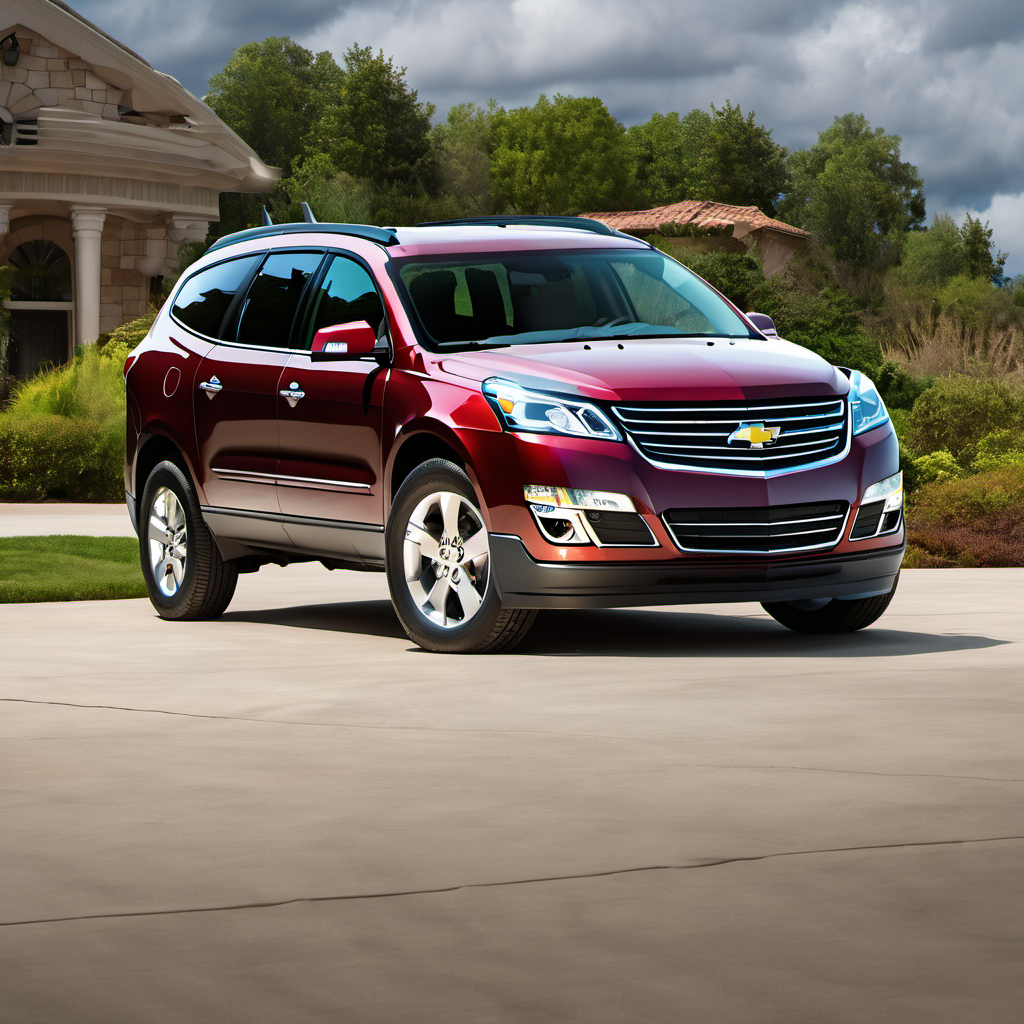
Same three-row midsize crossover segment, similar price point, larger interior. The 3.6L V6 is less finicky than the EcoBoost 2.0L and has a stronger reliability track record for this era.
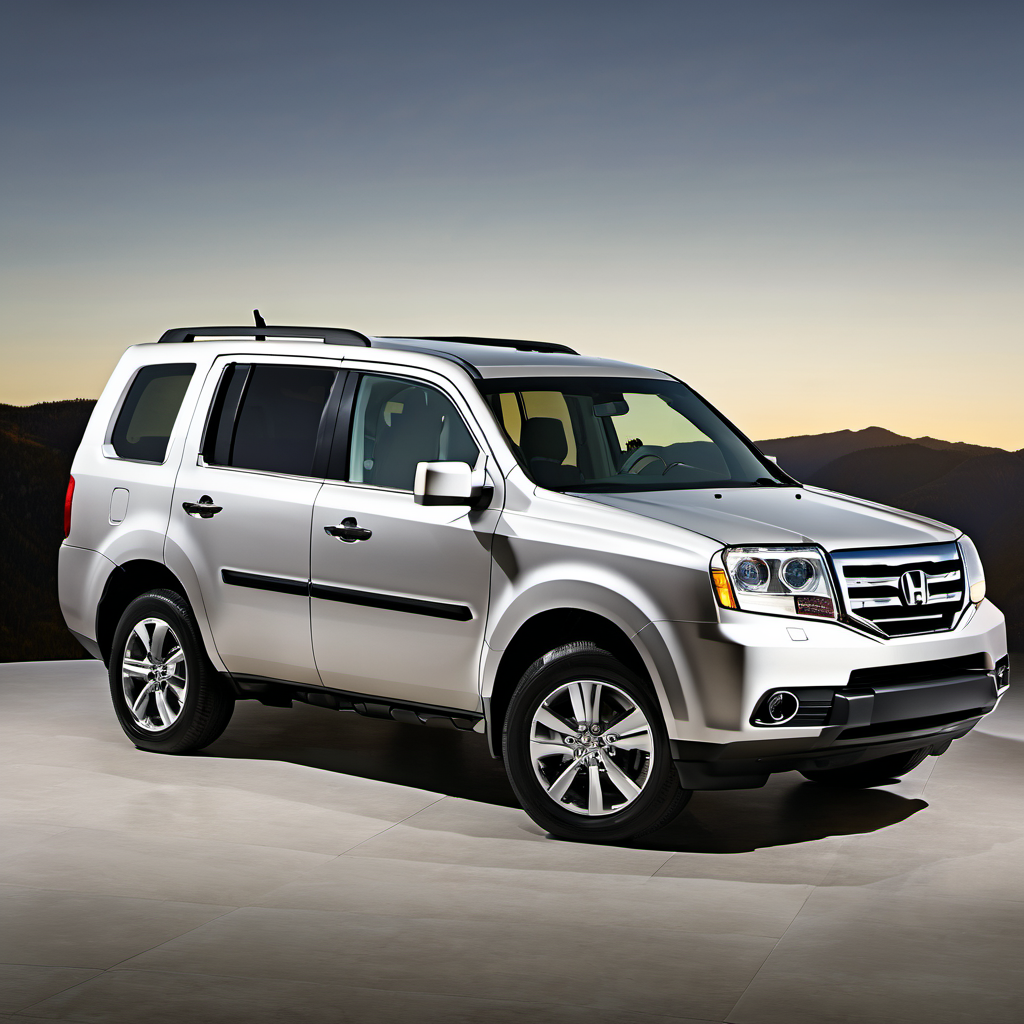
Comparable three-row family SUV with Honda's 3.5L V6. Slightly less refined on the highway but substantially more reliable with lower long-term ownership costs.
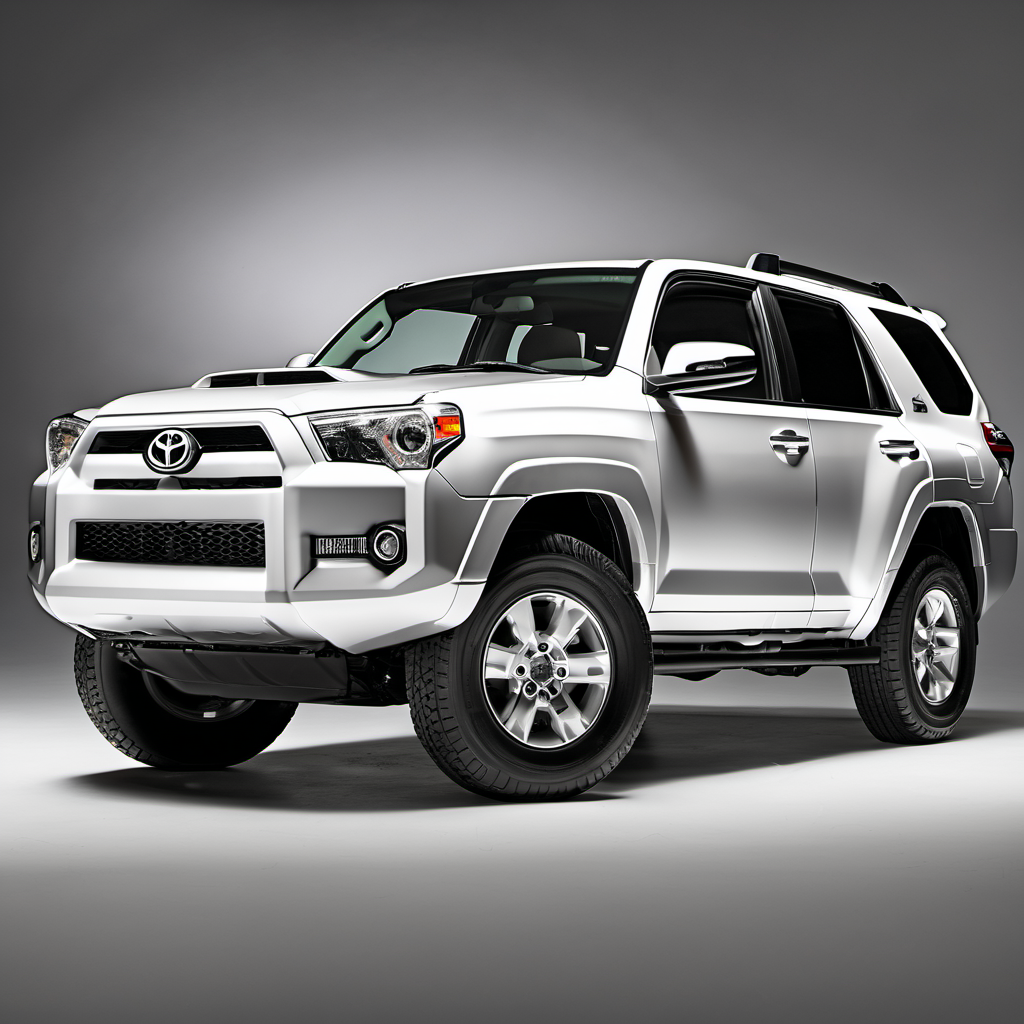
If you want three-row capability and long-term durability, the 4Runner's body-on-frame V6 routinely exceeds 250k miles. Less car-like to drive but significantly more dependable.
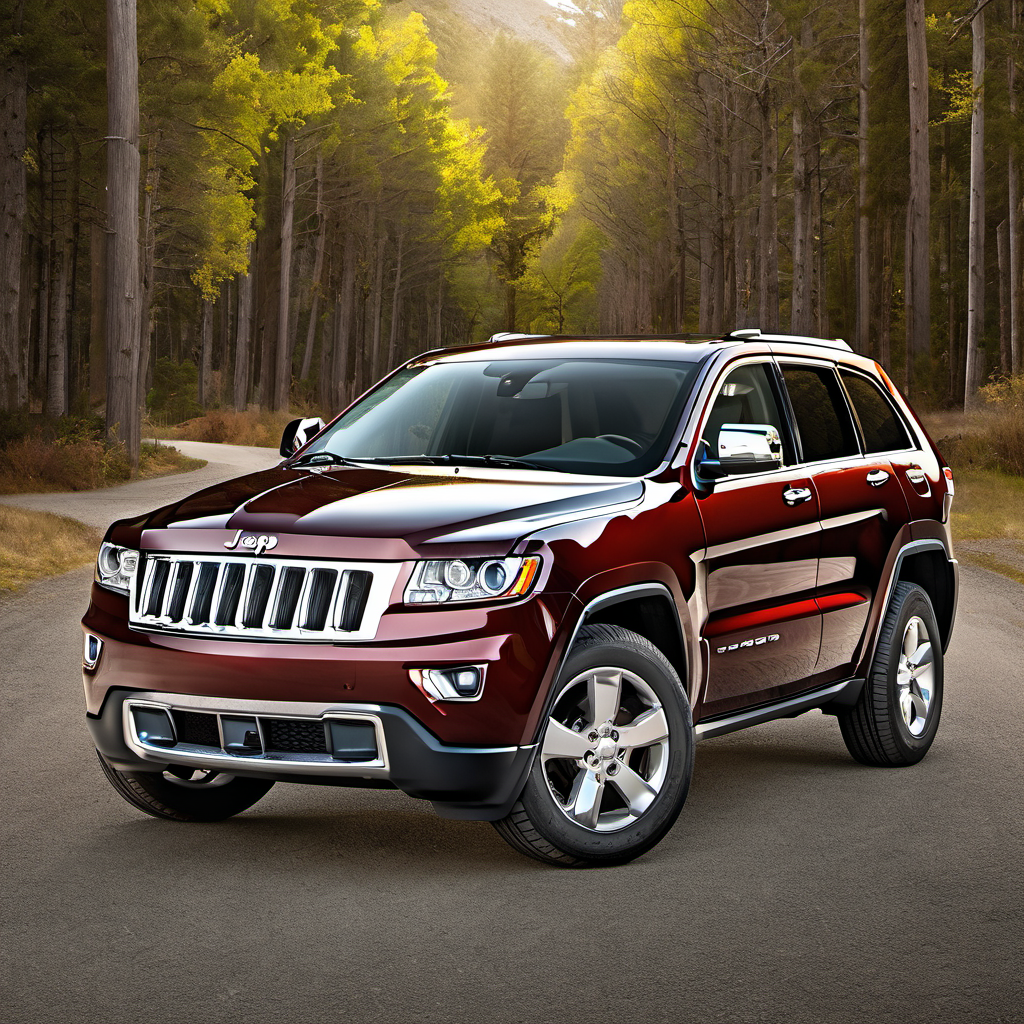
Two-row alternative in a similar price range with strong V6 and V8 options, better off-road chops, and comparable towing. A good alternative if you don't need the third row.