VCM Oil Consumption & Cylinder Misfire
high- Typically appears
- 60–150k mi
- Estimated repair
- $150 – $900
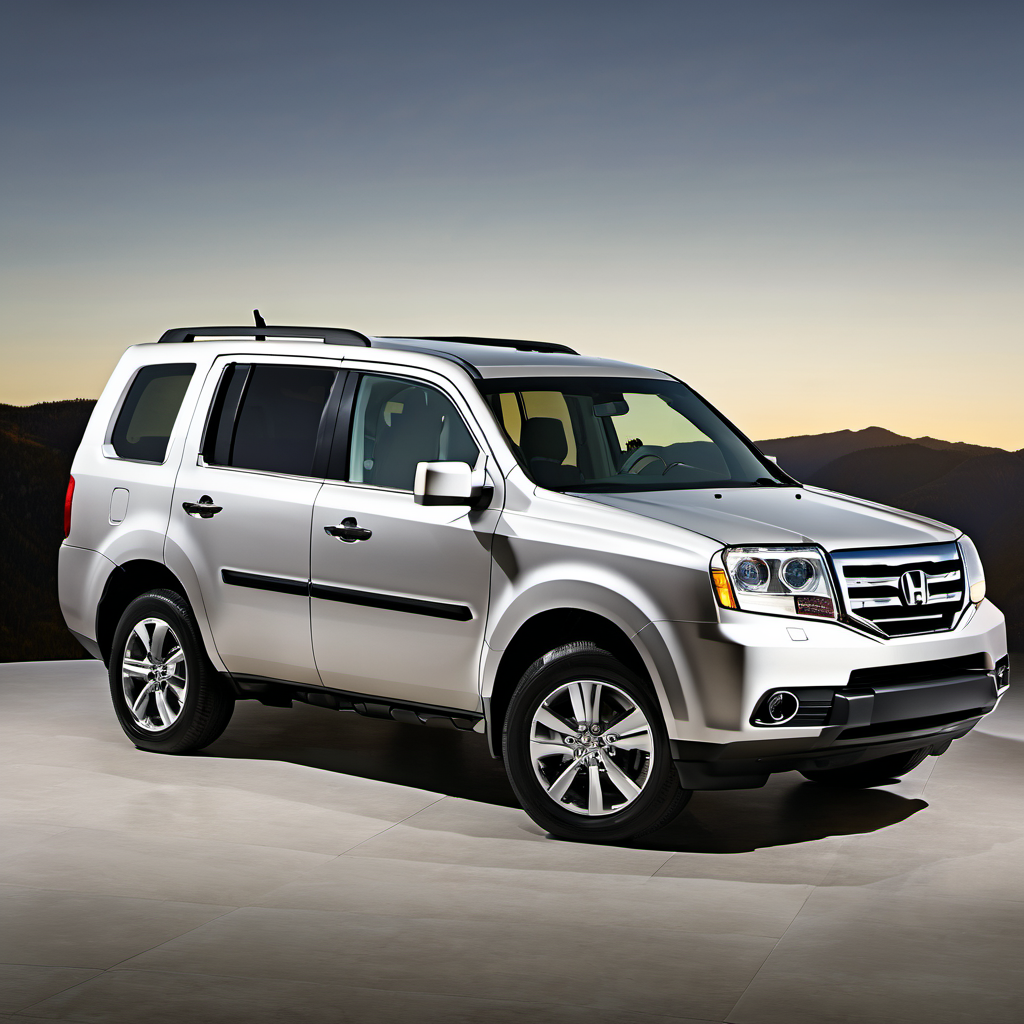
2013 Honda
SUV
The 2013 Honda Pilot is a three-row, eight-passenger midsize SUV riding on the second generation of Honda's Pilot platform (2009–2015). It's built around the proven 3.5L V6 and a 5-speed automatic, packaged in a family-friendly body with a flat-folding third row, generous cargo room, and a reputation for durability that keeps used examples in high demand. This generation earned strong marks for interior practicality and powertrain longevity. The ride is car-like for a body-on-frame-style crossover, and fuel economy is competitive for a true three-row SUV. The biggest ownership nuisance is the VCM (Variable Cylinder Management) system, which deactivates cylinders under light loads and is tied to a pattern of oil consumption and misfires across this engine family. For Wisconsin families, the FWD model is perfectly capable in light-to-moderate snow with good all-season tires; buyers who need serious winter traction should consider the AWD variant. With normal care and oil changes, well-maintained examples regularly cross 200k miles.
The 2013 Honda Pilot is a three-row, eight-passenger midsize SUV riding on the second generation of Honda's Pilot platform (2009–2015). It's built around the proven 3.5L V6 and a 5-speed automatic, packaged in a family-friendly body with a flat-folding third row, generous cargo room, and a reputation for durability that keeps used examples in high demand. This generation earned strong marks for interior practicality and powertrain longevity. The ride is car-like for a body-on-frame-style crossover, and fuel economy is competitive for a true three-row SUV. The biggest ownership nuisance is the VCM (Variable Cylinder Management) system, which deactivates cylinders under light loads and is tied to a pattern of oil consumption and misfires across this engine family. For Wisconsin families, the FWD model is perfectly capable in light-to-moderate snow with good all-season tires; buyers who need serious winter traction should consider the AWD variant. With normal care and oil changes, well-maintained examples regularly cross 200k miles.
VCM accelerates ring glazing when oil degrades. Do not stretch to Honda Maintenance Minder's maximum — in Wisconsin winters with short cold-start trips, oil degrades faster than mileage reflects.
Prevents torque converter shudder and extends transmission life. Use only Honda-spec fluid — aftermarket substitutes are a leading cause of shudder on this platform.
VCM oil consumption can foul plugs early. Inspect at 60k if you've had oil consumption; replace no later than 90k regardless.
Glycol-based brake fluid absorbs moisture. Wisconsin road salt promotes caliper corrosion, and degraded fluid lowers the boiling point — both risks are elevated here.
Early replacement is far cheaper than timing chain damage. A quick cold-start listen each fall is the easiest early-warning check.
Lake Geneva roads see heavy salting. Check brake lines, fuel lines, subframe, and power steering rack for corrosion before winter sets in.
Dusty summer road conditions and debris accumulation reduce airflow and HVAC performance. Cabin filter also affects defroster efficiency in winter.
Honda's long-life coolant degrades past this point. Mixing coolant types can cause silicate dropout and water pump damage.
Always defer to the manufacturer's service manual for warranty-mandated intervals.
The Pilot is one of the more cost-effective three-row SUVs to own. Routine maintenance runs $600–$1,200/yr at an independent shop when nothing major is due. Budget an extra $500–$1,500 every few years for transmission fluid service, spark plugs, and sensor replacements. The main budget risk is a VCM-related engine repair or transmission rebuild above 150k miles, which can run $2,000–$4,500 — mostly avoidable with disciplined oil changes and ATF service.
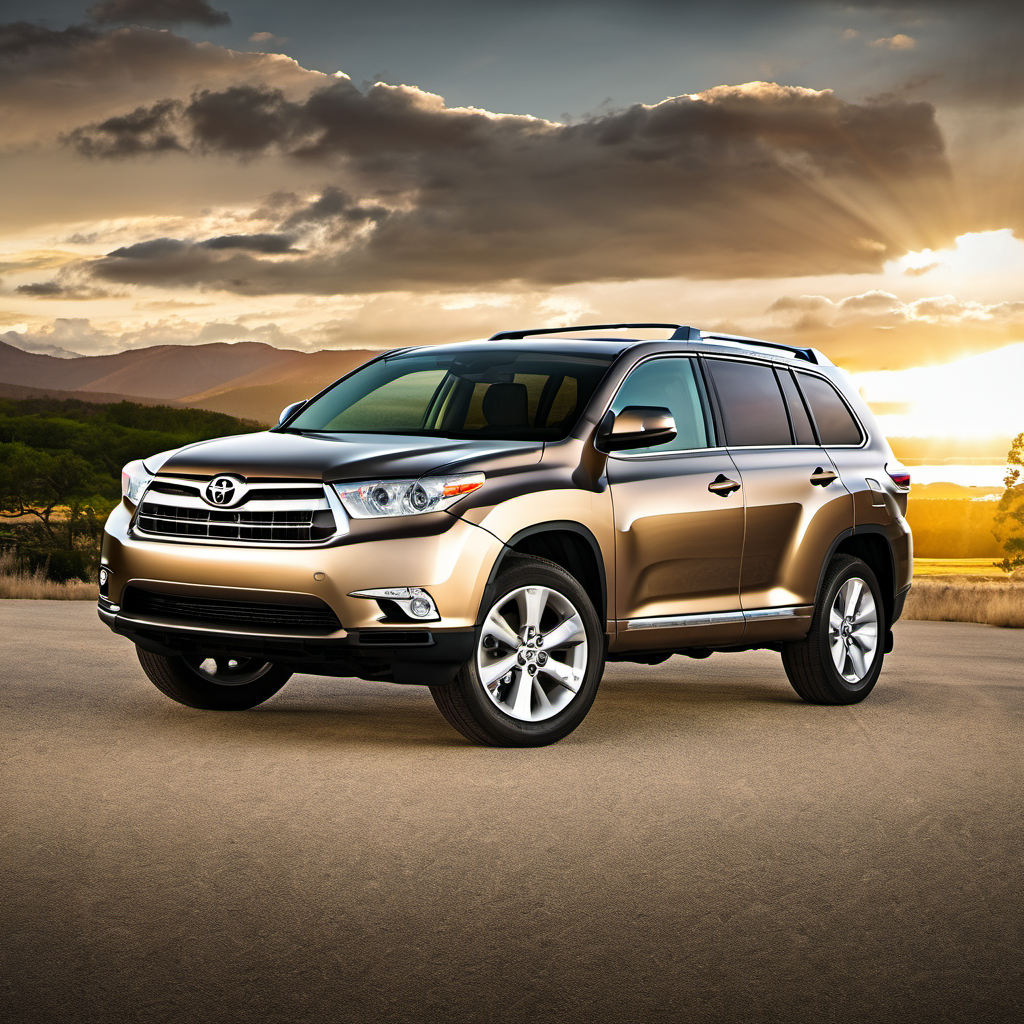
Direct three-row midsize SUV rival. Slightly smaller third row but arguably stronger long-term reliability reputation. Similar price range on the used market.

Three-row crossover at a similar used price point. More modern suspension feel but a weaker reliability track record — particularly the EcoBoost engines and PTU on AWD models.

Three-row crossover with a more driver-focused feel and comparable passenger capacity. Narrower cabin but praised for driving dynamics; strong reliability.
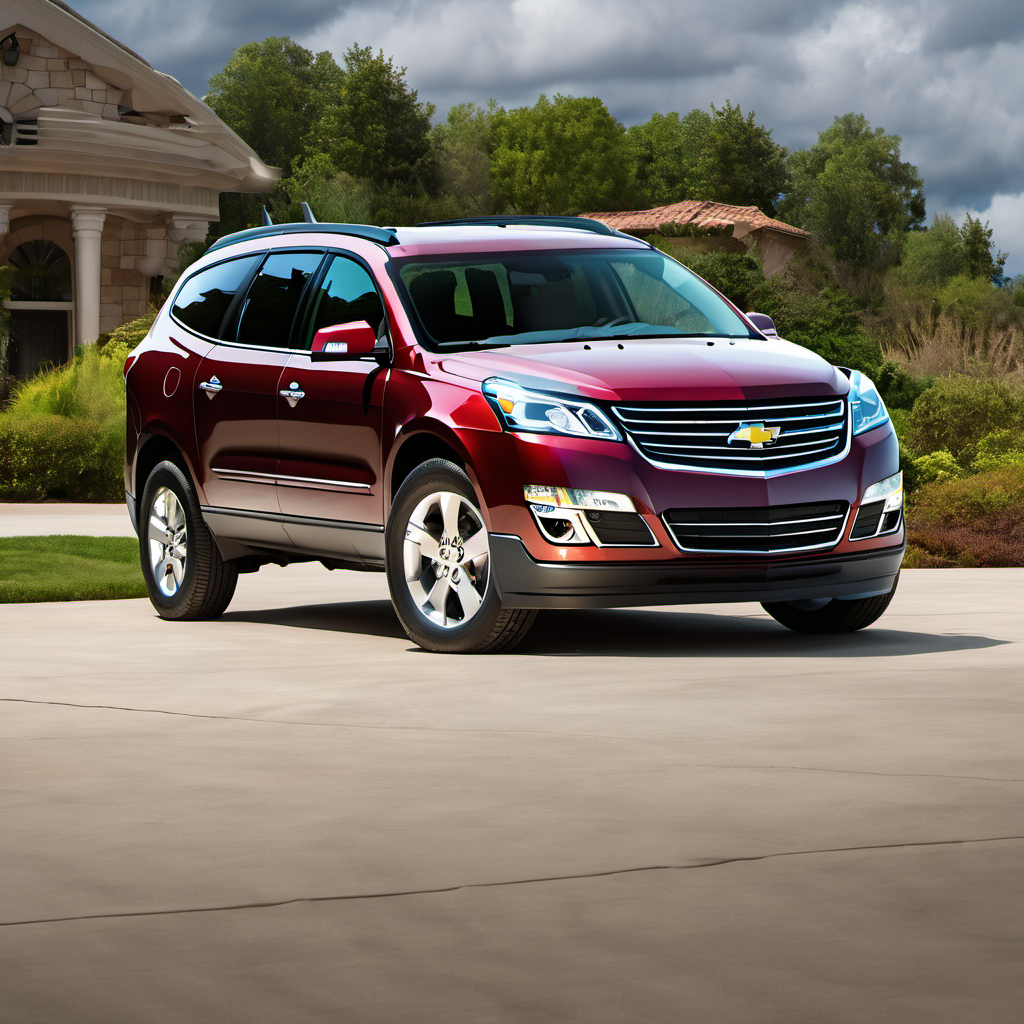
Larger interior and more cargo space than the Pilot. The 3.6L V6 is capable but the Traverse has higher reported repair frequency; lower used price reflects that.