VVT System Sludge / Timing Over-Retard Faults
high- Typically appears
- 60–130k mi
- Estimated repair
- $400 – $1,800
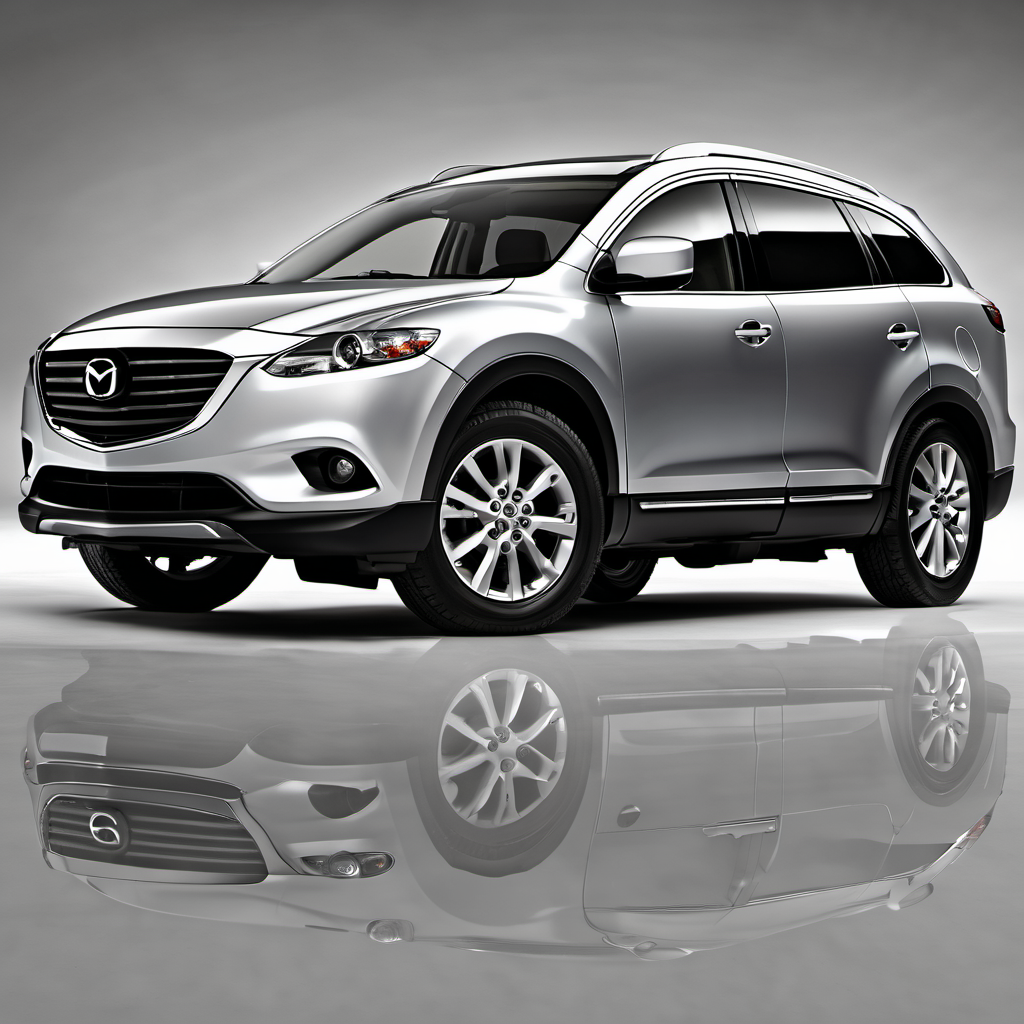
2013 MAZDA
SUV
The 2013 Mazda CX-9 is a three-row, seven-passenger crossover SUV built on a Ford-derived platform and powered by Mazda's 3.7L Cyclone V6. It was the largest vehicle in Mazda's lineup at the time and targeted families who wanted car-like driving dynamics without stepping into a traditional minivan or full-size SUV. Mazda tuned the CX-9 to handle more crisply than most competitors in its class, giving it a reputation as the 'driver's crossover' in the three-row segment. The 2013 model year sits in the first-generation CX-9 run (2007–2015) and represents a mature, well-sorted version of that platform. Standard equipment includes a 6-speed automatic transmission, and most examples sold were front-wheel drive, though AWD was available. Interior quality and driving refinement are strong suits; fuel economy is a consistent complaint given the large-displacement naturally aspirated engine. As a used buy, the CX-9 holds up well mechanically when maintained, but the V6's variable valve timing (VVT) system is the system to watch. Sludge from infrequent oil changes is the single biggest reliability killer on this engine. Buyers who can confirm a clean oil-change history are getting a solid family hauler.
The 2013 Mazda CX-9 is a three-row, seven-passenger crossover SUV built on a Ford-derived platform and powered by Mazda's 3.7L Cyclone V6. It was the largest vehicle in Mazda's lineup at the time and targeted families who wanted car-like driving dynamics without stepping into a traditional minivan or full-size SUV. Mazda tuned the CX-9 to handle more crisply than most competitors in its class, giving it a reputation as the 'driver's crossover' in the three-row segment. The 2013 model year sits in the first-generation CX-9 run (2007–2015) and represents a mature, well-sorted version of that platform. Standard equipment includes a 6-speed automatic transmission, and most examples sold were front-wheel drive, though AWD was available. Interior quality and driving refinement are strong suits; fuel economy is a consistent complaint given the large-displacement naturally aspirated engine. As a used buy, the CX-9 holds up well mechanically when maintained, but the V6's variable valve timing (VVT) system is the system to watch. Sludge from infrequent oil changes is the single biggest reliability killer on this engine. Buyers who can confirm a clean oil-change history are getting a solid family hauler.
The VVT system's actuators and solenoids are the most expensive components on this engine and the most sensitive to oil quality. Full synthetic 5W-20 is required. Sludge buildup from long intervals is the #1 cause of expensive engine repairs on this vehicle.
Mazda officially lists a 'lifetime' fill but independent shops in high-mileage climates see significantly longer transmission life with periodic fluid service. The 6-speed automatic is durable but benefits from clean fluid.
Degraded coolant accelerates water pump corrosion — a known weak point on the 3.7L. Flush and refill with Mazda-spec long-life coolant.
The 3.7L V6 uses iridium plugs rated for 60k. Worn plugs stress the ignition coils and can trigger misfires. Changing all six at once avoids labor duplication.
AWD-equipped CX-9s have an active torque-coupling rear differential that is easily neglected. Burned fluid leads to shudder and premature failure. Confirm service history on any used AWD example.
Hygroscopic brake fluid absorbs moisture over time, lowering boiling point and promoting caliper and ABS modulator corrosion — especially in Wisconsin's wet winters.
Lake Geneva roads are heavily salted. Annual spring inspection of brake lines, fuel lines, suspension hardware, and subframe mounting points catches rust before it becomes structural.
Frequently overlooked but important for HVAC efficiency. A clogged cabin filter strains the blower motor and degrades A/C and defrost performance.
Always defer to the manufacturer's service manual for warranty-mandated intervals.
The CX-9 is a mid-range ownership cost vehicle when maintained. Routine service is straightforward and independent-shop friendly. The risk is a neglected VVT system — one deferred-maintenance engine repair can run $1,500–$2,500 and erase years of savings. Verify oil change history before purchase and stay on a strict 5k oil change schedule and the CX-9 is economical to own.

Same segment, three-row crossover, similar price range. More powertrain options (including EcoBoost 4-cyl) but historically more electrical and PowerShift-related issues. Stronger parts availability given Ford's volume.
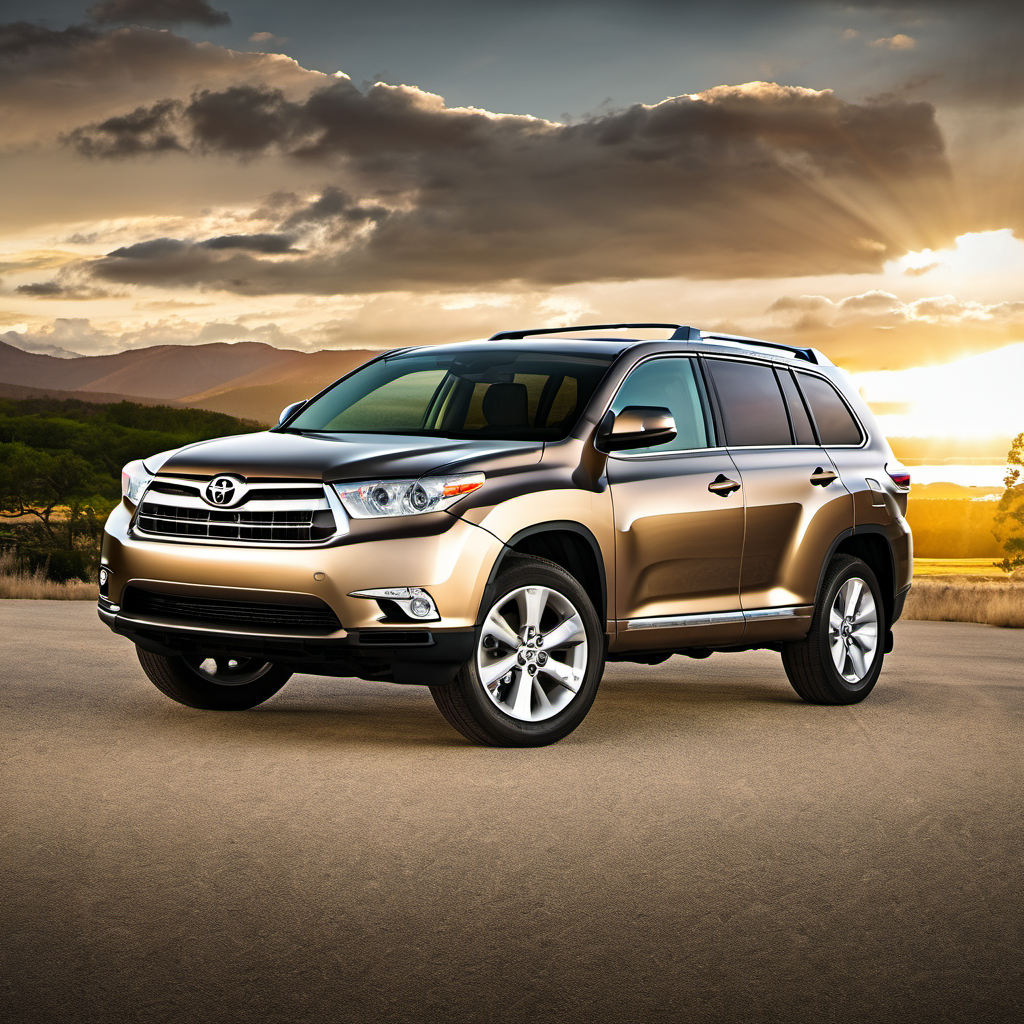
Three-row crossover with a stronger long-term reliability reputation. Less engaging to drive than the CX-9 but easier to find with documented service history and parts are widely available in Wisconsin.
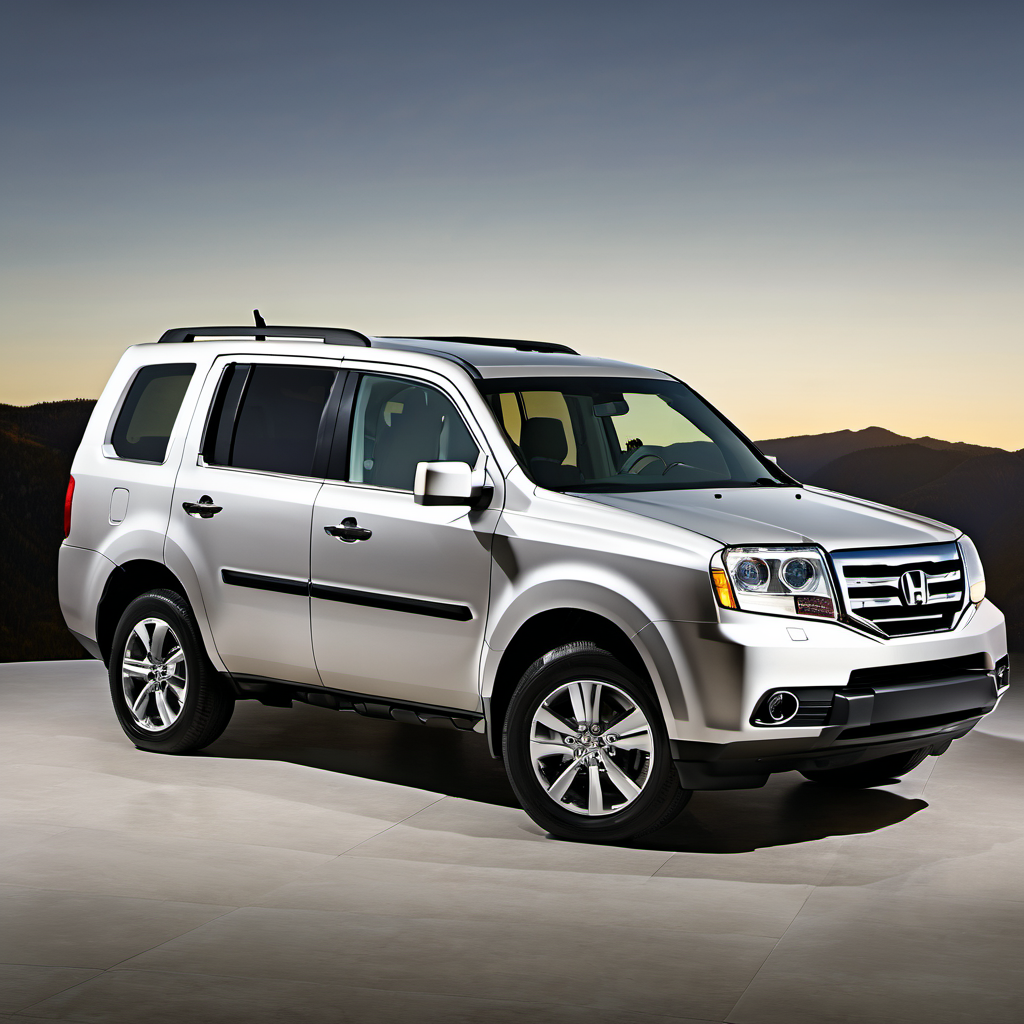
Direct three-row crossover competitor. Honda's 3.5L V6 is arguably more robust than the Mazda 3.7L in terms of VVT sensitivity. Less driver-focused feel but excellent long-term dependability track record.

Lower entry price for a three-row crossover with similar space. Reliability is decent for the era but resale and parts ecosystem are weaker. A budget-conscious alternative if the CX-9's price point is a stretch.