Theta II 2.4L Engine Oil Consumption / Rod Bearing Wear
high- Typically appears
- 60–120k mi
- Estimated repair
- $2,500 – $7,500
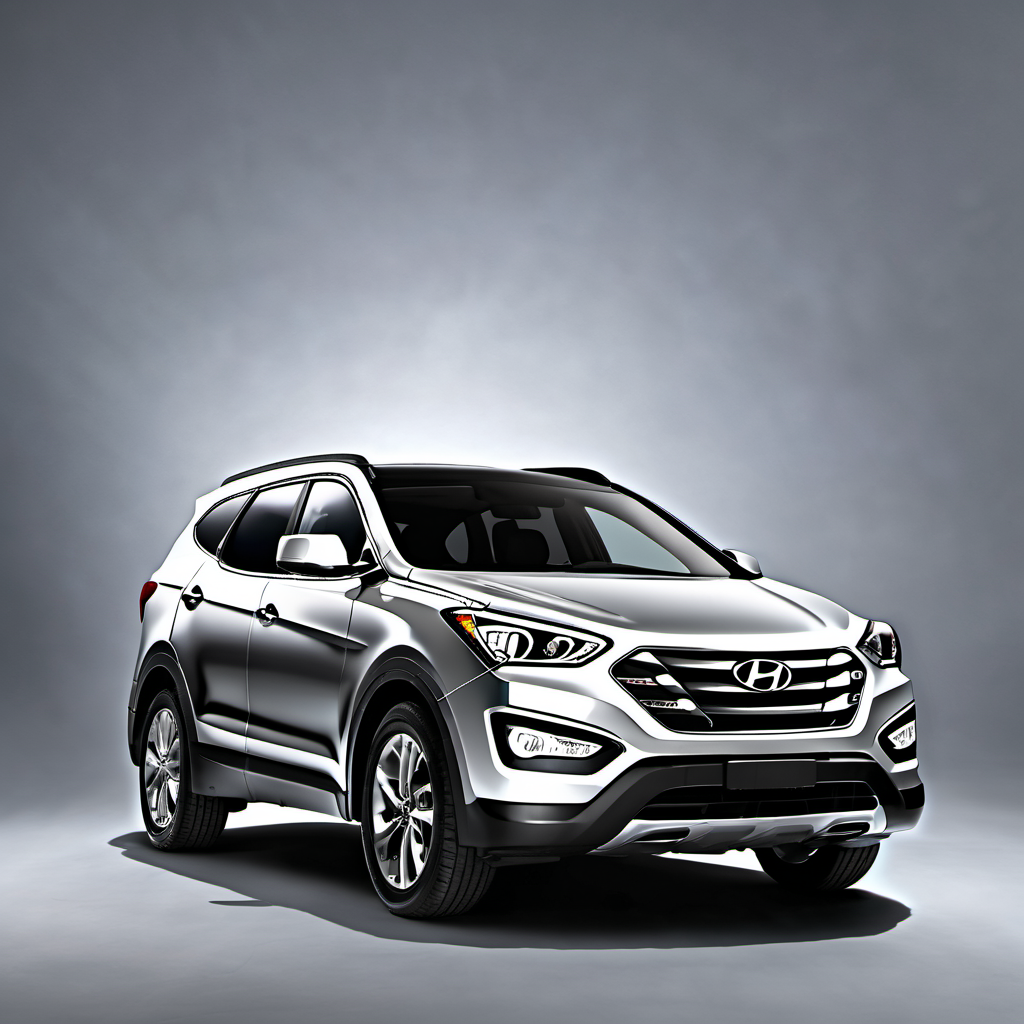
2013 Hyundai
SUV
The 2013 Hyundai Santa Fe marked a full redesign for Hyundai's mid-size SUV, splitting into two distinct models: the standard 5-passenger Santa Fe Sport and the longer 7-passenger Santa Fe. This entry covers the Sport (5-passenger) variant with the 2.4L naturally aspirated four-cylinder — the volume seller of the lineup. It brought a noticeably more car-like ride than the outgoing model, a well-appointed interior for the price, and competitive fuel economy in the compact crossover class. Hyundai had genuinely closed the quality gap with Japanese competitors by the 2013 model year, and the Santa Fe Sport reflects that. Build quality is solid, the cabin is quiet for the segment, and the powertrain is smooth if unspectacular. The 2.4L engine is shared across several Hyundai/Kia products and has a reasonable track record, though it shares a known weakness with that family around oil consumption and connecting rod bearing wear when maintenance is deferred. For Lake Geneva-area buyers, the FWD version handles light snow adequately with good winter tires, but AWD is worth seeking out for anyone who drives on unplowed roads or deals with significant lake-effect accumulation. Rust protection on this generation is better than older Hyundais but still requires attention given Wisconsin's road salt.
The 2013 Hyundai Santa Fe marked a full redesign for Hyundai's mid-size SUV, splitting into two distinct models: the standard 5-passenger Santa Fe Sport and the longer 7-passenger Santa Fe. This entry covers the Sport (5-passenger) variant with the 2.4L naturally aspirated four-cylinder — the volume seller of the lineup. It brought a noticeably more car-like ride than the outgoing model, a well-appointed interior for the price, and competitive fuel economy in the compact crossover class. Hyundai had genuinely closed the quality gap with Japanese competitors by the 2013 model year, and the Santa Fe Sport reflects that. Build quality is solid, the cabin is quiet for the segment, and the powertrain is smooth if unspectacular. The 2.4L engine is shared across several Hyundai/Kia products and has a reasonable track record, though it shares a known weakness with that family around oil consumption and connecting rod bearing wear when maintenance is deferred. For Lake Geneva-area buyers, the FWD version handles light snow adequately with good winter tires, but AWD is worth seeking out for anyone who drives on unplowed roads or deals with significant lake-effect accumulation. Rust protection on this generation is better than older Hyundais but still requires attention given Wisconsin's road salt.
The 2.4L Theta II has a documented oil consumption and bearing wear issue. Frequent oil changes are the single most effective way to protect the engine and keep the CVVT system clean.
Some Theta II engines consume up to a quart per 1,000 miles. Running low accelerates bearing wear dramatically. Keep a quart in the cargo area.
Hyundai lists longer intervals but the 6-speed automatic benefits from fresh fluid to prevent valve body wear and shift hesitation, especially with Wisconsin temperature cycling.
Direct-injection engines can develop carbon buildup on intake valves; keeping ignition in peak shape reduces misfires that worsen the problem.
Wisconsin roads kick up significant road dust, salt, and debris. A clogged cabin filter strains the blower motor and reduces defroster effectiveness in winter.
Brake fluid absorbs moisture over time. Wisconsin winter salt accelerates corrosion in brake lines and calipers; fresh fluid lowers that risk.
This generation Santa Fe can rust at the rear wheel arches and subframe mounting points. Flushing road salt from the undercarriage is cheap insurance against expensive body and structural repairs.
Clogged panoramic sunroof drains are a known issue. A blocked drain routes water into the headliner, A-pillar trim, and potentially the floor — causing mold and electrical damage.
Always defer to the manufacturer's service manual for warranty-mandated intervals.
The 2013 Santa Fe Sport is an affordable vehicle to run when it's healthy. Routine maintenance is inexpensive and parts are widely available. The big financial wildcard is the Theta II engine — an oil-starved or bearing-worn engine can mean a $3,000–$7,500 repair bill or a replacement engine. Budget accordingly, especially on higher-mileage used examples. Rust remediation is the other creeping cost specific to Wisconsin ownership.
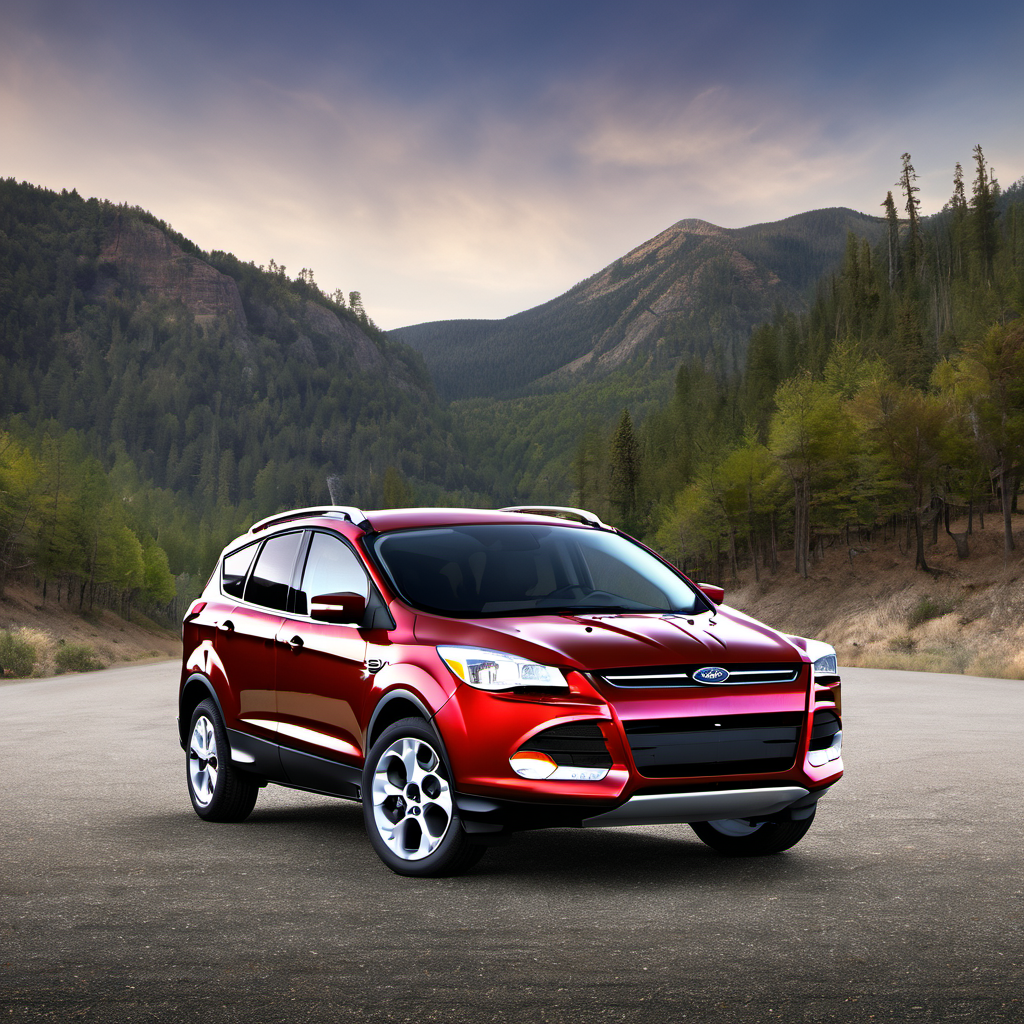
Similar footprint, price, and mission as a 5-passenger FWD/AWD crossover. The 1.6L EcoBoost offers more punch but has its own engine reliability concerns; the 2.5L base engine is the more comparable powertrain.
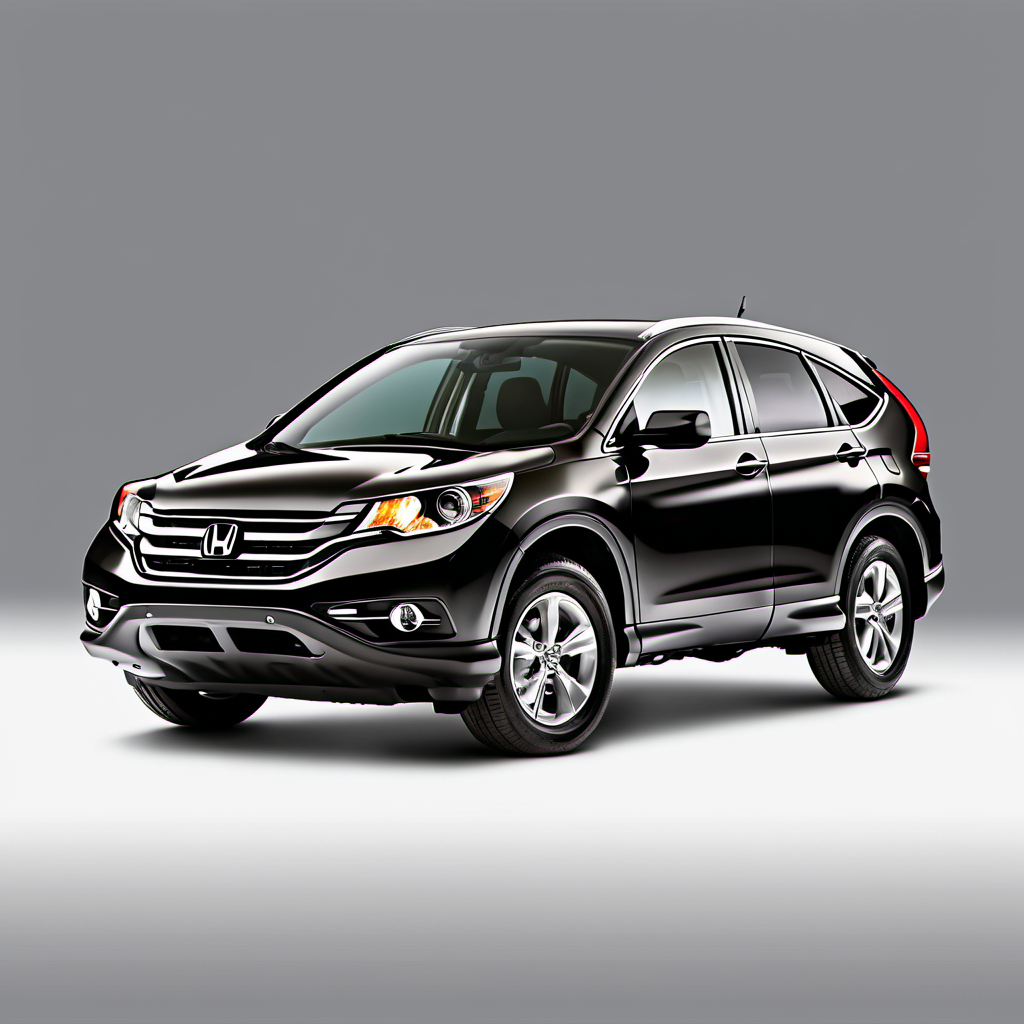
Top competitor in the compact crossover segment. The CR-V is slightly smaller inside but has a stronger long-term reliability reputation and better resale value.
The redesigned 2013 RAV4 directly targets the same buyer. Toyota's reliability edge is real, though the Santa Fe Sport offers more interior space and features per dollar.
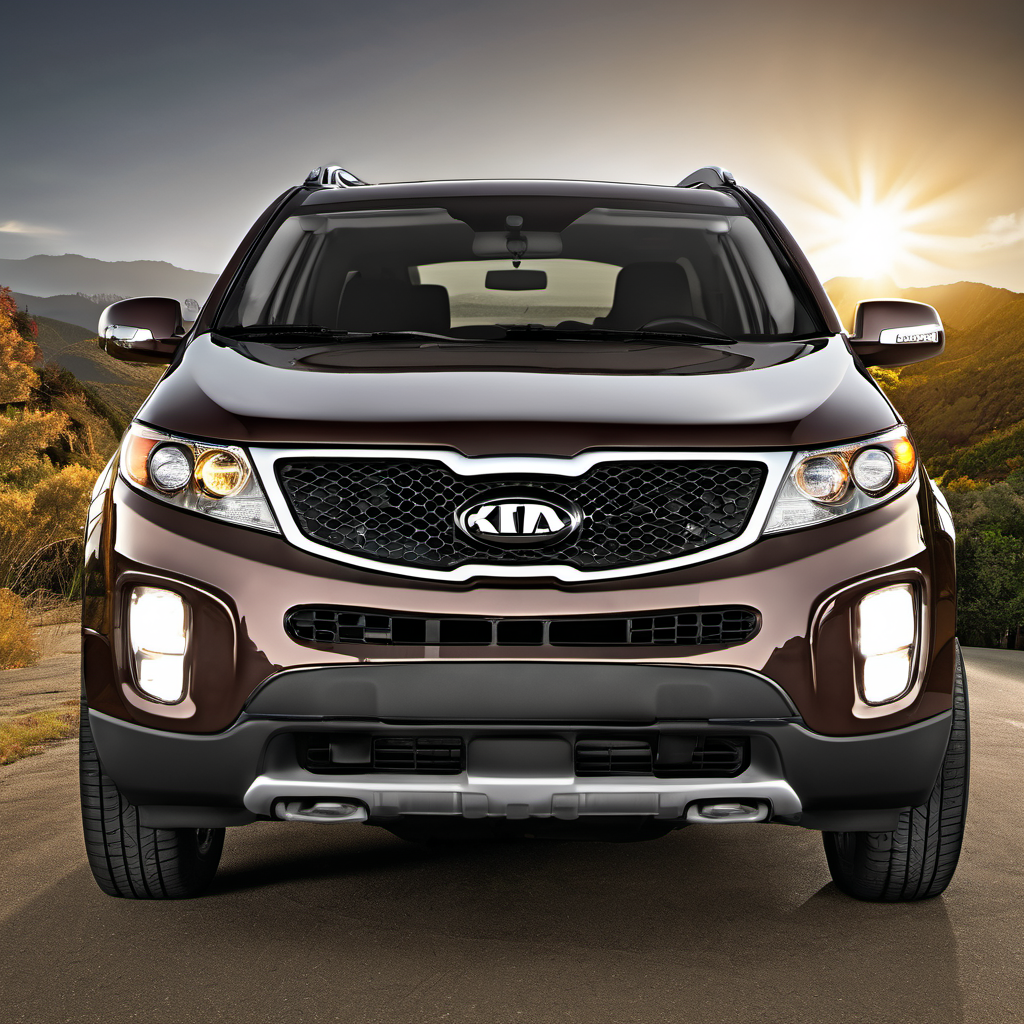
Platform sibling under the Hyundai/Kia umbrella — shares the same Theta II 2.4L engine and 6-speed automatic. Nearly identical ownership profile, so the same maintenance discipline applies.