VVT Cam Phaser / Oil Control Valve Failure
high- Typically appears
- 80–150k mi
- Estimated repair
- $400 – $1,200
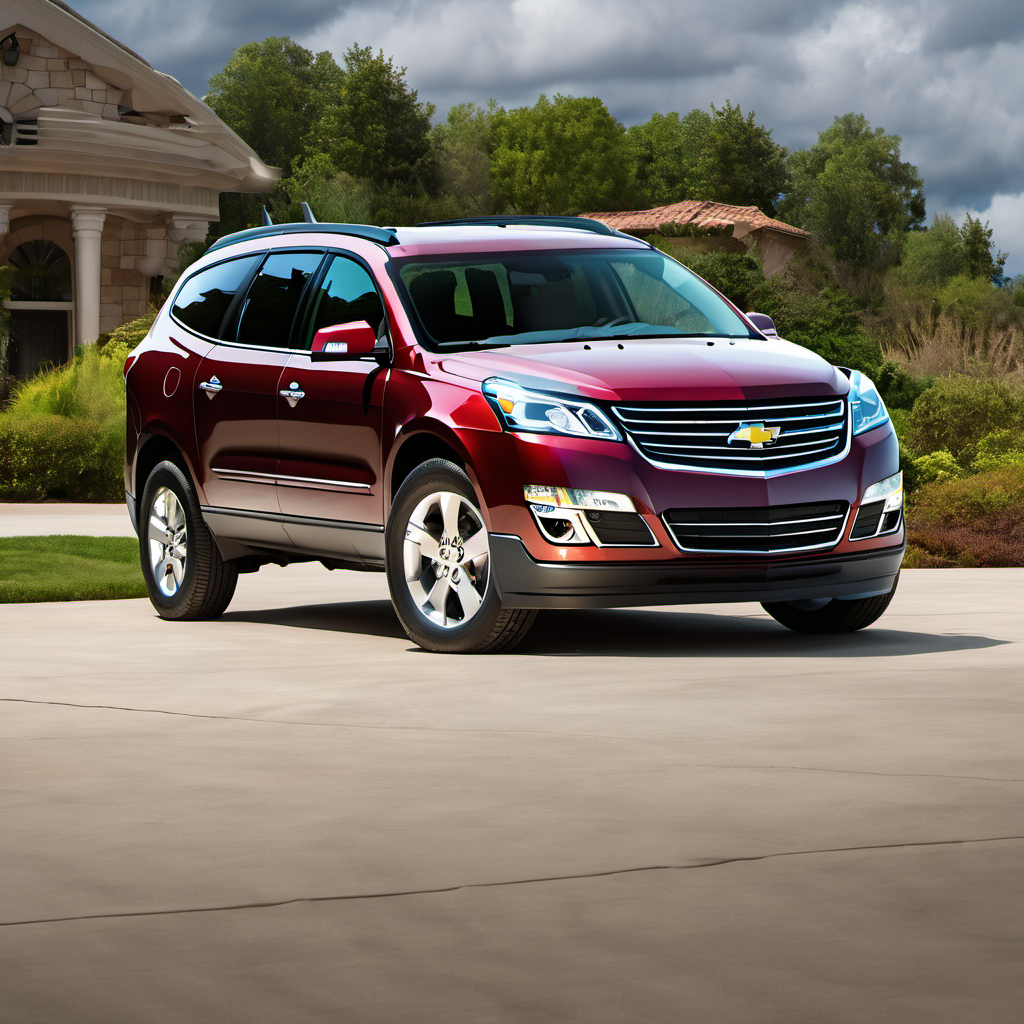
2013 Chevrolet
3.6L V6 · SUV
The 2013 Chevrolet Traverse is a three-row, full-size crossover SUV built on GM's Lambda platform and assembled in the United States. It slots into Chevrolet's lineup as the largest car-based SUV, offering seating for up to eight passengers and a family-friendly interior at a price point well below truck-based competitors. The sole powertrain is a 3.6L LLT V6 paired with a 6-speed automatic, sending power to the front wheels in standard configuration or all four wheels via an available AWD system. The Traverse earned a strong reputation for interior space and everyday practicality — it hauls a full family plus cargo without feeling cramped. Fuel economy is mediocre for the class, and the LLT V6's variable valve timing system has well-documented oil-related maintenance demands that owners must stay on top of. Neglect here is the single biggest factor separating a Traverse that runs to 200k from one that needs an engine at 120k. For buyers looking at a used example around Lake Geneva, the AWD models handle Wisconsin winters noticeably better than FWD, and rust inspection of the underbody and rear wheel arches is critical on any high-mileage Wisconsin-registered vehicle.
The 2013 Chevrolet Traverse is a three-row, full-size crossover SUV built on GM's Lambda platform and assembled in the United States. It slots into Chevrolet's lineup as the largest car-based SUV, offering seating for up to eight passengers and a family-friendly interior at a price point well below truck-based competitors. The sole powertrain is a 3.6L LLT V6 paired with a 6-speed automatic, sending power to the front wheels in standard configuration or all four wheels via an available AWD system. The Traverse earned a strong reputation for interior space and everyday practicality — it hauls a full family plus cargo without feeling cramped. Fuel economy is mediocre for the class, and the LLT V6's variable valve timing system has well-documented oil-related maintenance demands that owners must stay on top of. Neglect here is the single biggest factor separating a Traverse that runs to 200k from one that needs an engine at 120k. For buyers looking at a used example around Lake Geneva, the AWD models handle Wisconsin winters noticeably better than FWD, and rust inspection of the underbody and rear wheel arches is critical on any high-mileage Wisconsin-registered vehicle.
The LLT V6's VVT system and timing chain tensioners are lubricated by engine oil. This is the single most important maintenance item on this vehicle. Using full synthetic and keeping short intervals dramatically reduces the risk of the two most expensive repairs (cam phasers and timing chain).
GM's 'lifetime' fluid claim is optimistic for high-cycle family use. Fresh fluid at this interval prevents shudder and harsh shifts and extends torque converter life.
Small screens on the VVT solenoids clog with sludge and cause timing faults. Cleaning them during an oil service is cheap preventive care that can avoid a $400–$1,200 repair.
Road salt aggressively attacks steel brake lines on the underside of this vehicle. Catching surface rust early allows for inexpensive treatment; a failed line is a brake loss event.
The 3.6L runs warm when working hard (towing, full load). Degraded coolant raises the risk of water pump and thermostat failures, and reduces freeze protection for Wisconsin winters.
Cold cranking a 3.6L V6 at sub-zero temperatures demands a healthy battery. A marginal battery that passes a summer test will often fail its first -10°F morning.
Catching a cracked actuator before it fully breaks costs far less than diagnosing an intermittent clicking complaint on a three-zone system with the dash apart.
Lake Geneva roads carry heavy brine and salt all winter. A thorough flush of wheel wells, frame rails, and brake line runs after winter prevents the cumulative rust damage that shortens Traverse lifespans in the upper Midwest.
Always defer to the manufacturer's service manual for warranty-mandated intervals.
A well-maintained 2013 Traverse is a reasonable cost-of-ownership vehicle as long as the engine oil schedule is followed religiously. Routine annual maintenance (oil changes, brakes, tires, filters) runs $600–$900/year. If VVT solenoids, a timing chain job, or transmission work is needed, a single year can spike to $1,500–$3,000. Budget for brake line inspection and possible replacement on any Wisconsin example over 80k miles.
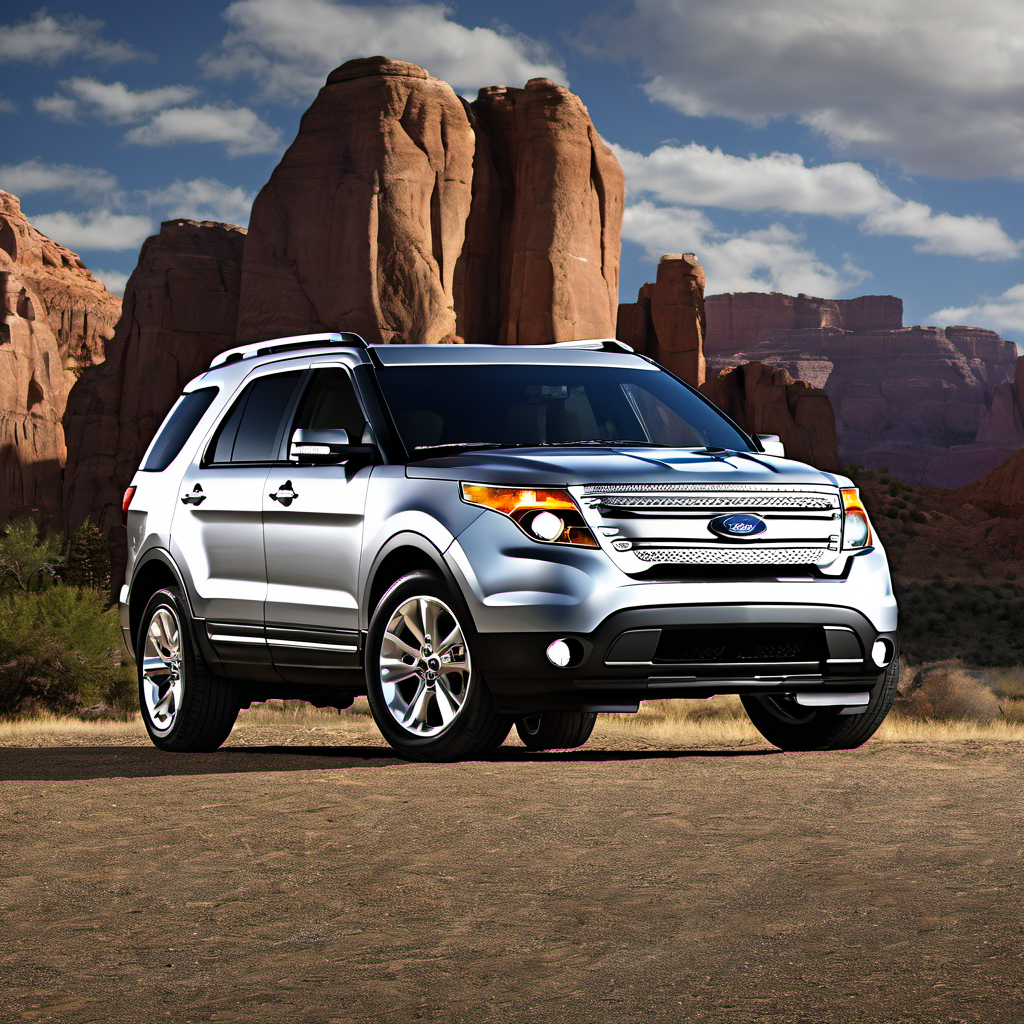
Direct competitor in the three-row family crossover segment. The Explorer offers available AWD, a turbocharged 4-cylinder option, and a more car-like driving feel, but shares the Traverse's reputation for VVT-related engine maintenance demands.
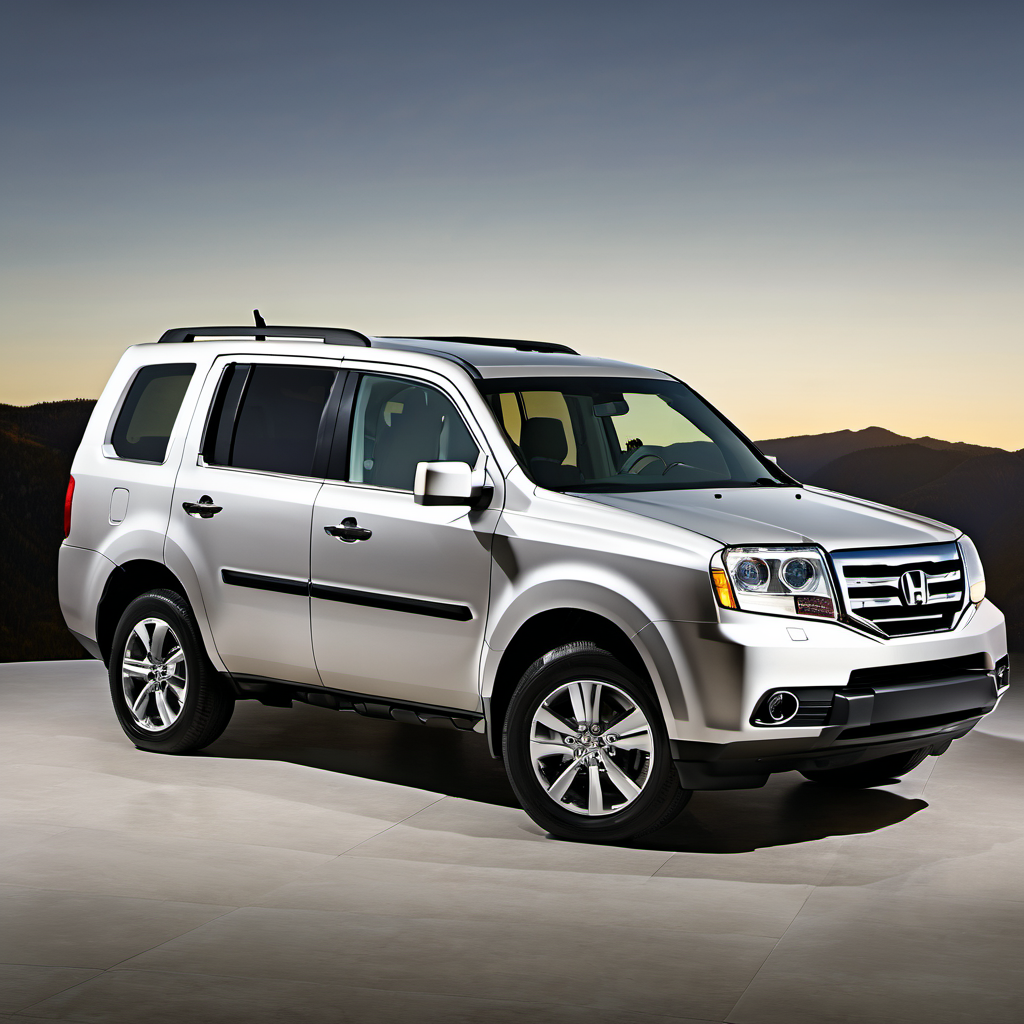
Strong reliability reputation, three-row seating, and a proven V6. Generally commands a higher used price than the Traverse but tends to have fewer expensive engine maintenance surprises.
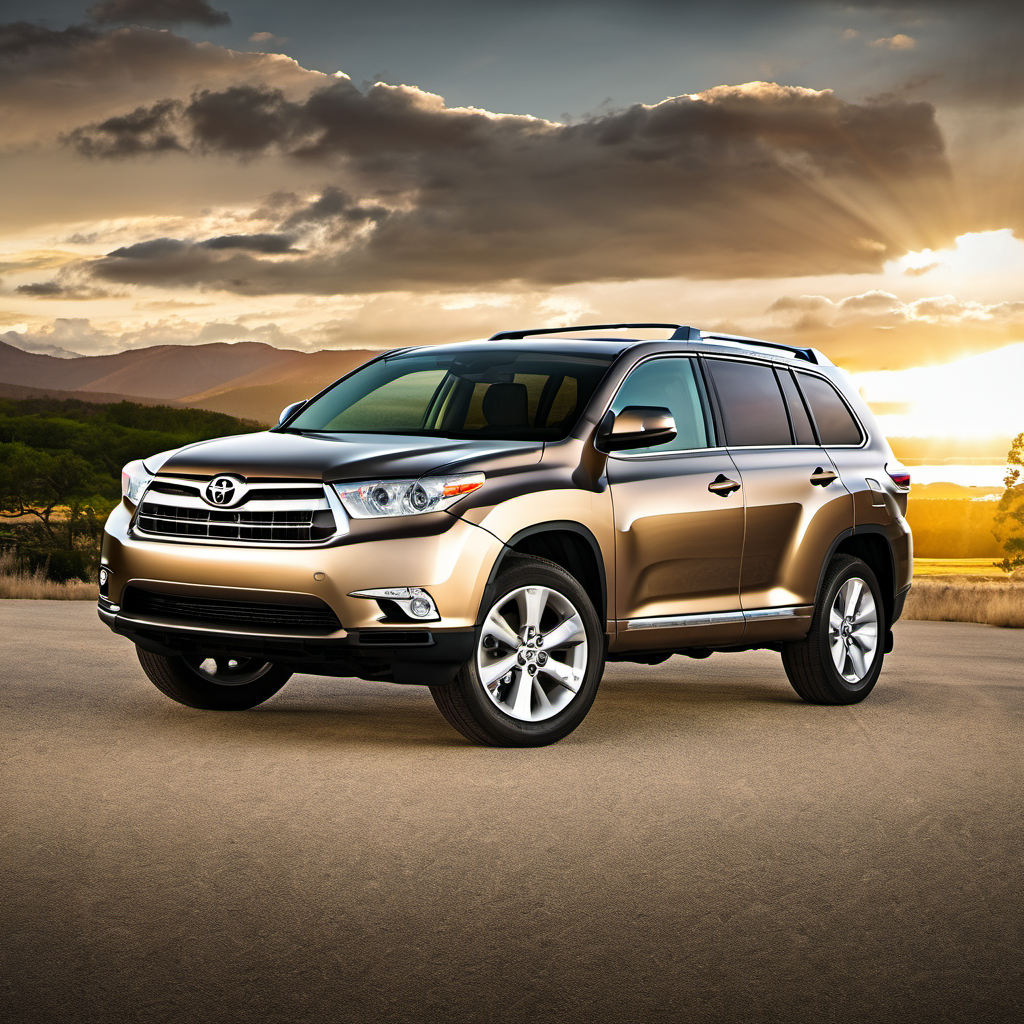
Premium three-row crossover with Toyota's long-term reliability advantage. Higher price used, but lower risk of major powertrain expense over time. Worth the premium if budget allows.
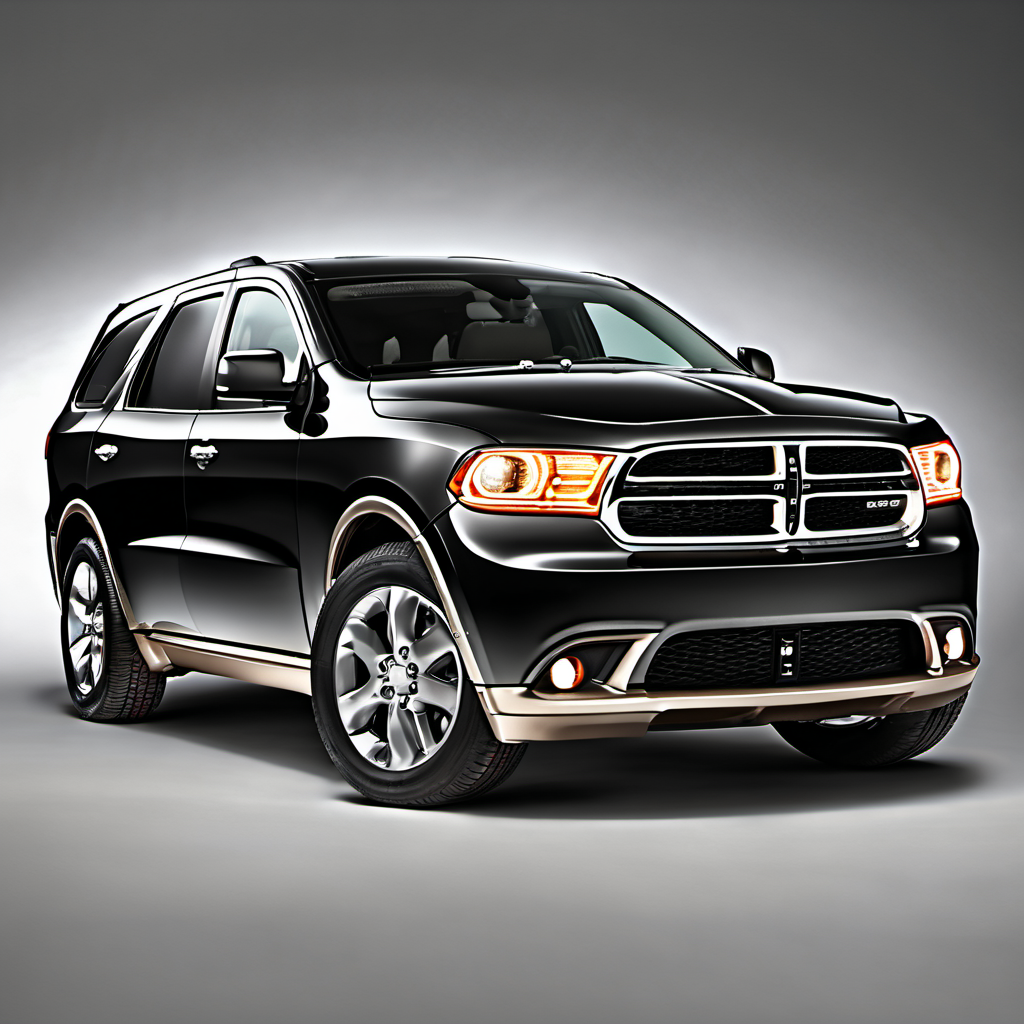
Comparable three-row capacity with available V8 and stronger towing. Less car-like than the Traverse; slightly higher ownership costs, but a legitimate alternative for buyers who need maximum tow rating.