HEMI MDS Lifter Failure
medium- Typically appears
- 80–150k mi
- Estimated repair
- $2,500 – $5,500
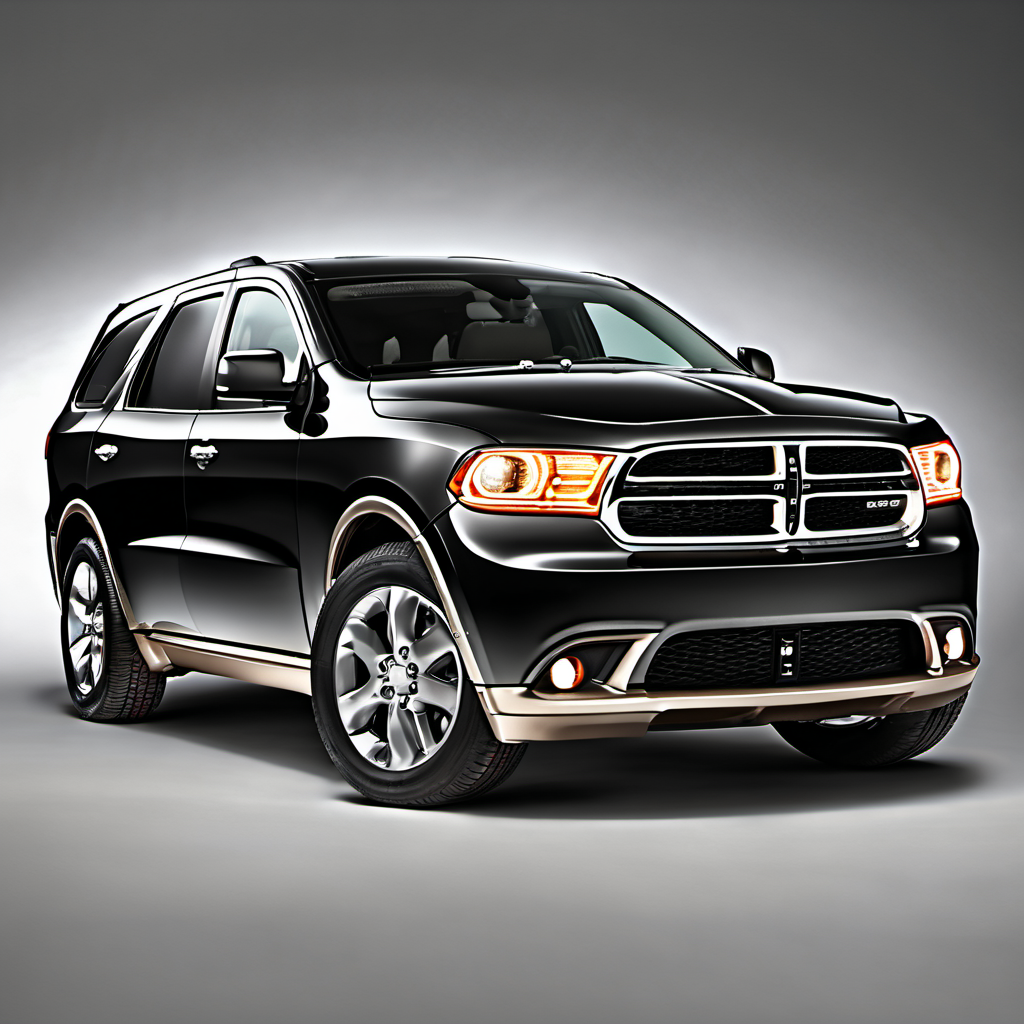
2013 Dodge
SUV
The 2013 Dodge Durango is a three-row, body-on-frame-derived mid-size SUV built on Chrysler's LX/LC platform, shared with the Jeep Grand Cherokee. This generation (2011–2013) brought the Durango back from a hiatus and was well-received for its interior space, available V8 power, and towing capability. The 5.7L HEMI V8 in this particular example is the go-to engine for those who need real muscle — 360 hp and up to 6,200 lbs of towing capacity when properly equipped. Driving the base rear-wheel-drive configuration gives you slightly better highway fuel economy but limits all-weather traction — a meaningful consideration in the Lake Geneva area. Most buyers in the upper Midwest opt for AWD, so if you're looking at a used RWD example, find out why the previous owner chose that config. The interior seats up to seven and the third row, while snug for adults, is genuinely usable for kids. At this age, the 2013 Durango is entering the phase where deferred maintenance and wear items start to add up. The HEMI's cylinder deactivation system (MDS) and the VVT (variable valve timing) hardware are the two systems most worth scrutinizing on any used example. Budget accordingly and this is a capable, roomy truck-based SUV that rewards attentive ownership.
The 2013 Dodge Durango is a three-row, body-on-frame-derived mid-size SUV built on Chrysler's LX/LC platform, shared with the Jeep Grand Cherokee. This generation (2011–2013) brought the Durango back from a hiatus and was well-received for its interior space, available V8 power, and towing capability. The 5.7L HEMI V8 in this particular example is the go-to engine for those who need real muscle — 360 hp and up to 6,200 lbs of towing capacity when properly equipped. Driving the base rear-wheel-drive configuration gives you slightly better highway fuel economy but limits all-weather traction — a meaningful consideration in the Lake Geneva area. Most buyers in the upper Midwest opt for AWD, so if you're looking at a used RWD example, find out why the previous owner chose that config. The interior seats up to seven and the third row, while snug for adults, is genuinely usable for kids. At this age, the 2013 Durango is entering the phase where deferred maintenance and wear items start to add up. The HEMI's cylinder deactivation system (MDS) and the VVT (variable valve timing) hardware are the two systems most worth scrutinizing on any used example. Budget accordingly and this is a capable, roomy truck-based SUV that rewards attentive ownership.
The MDS lifters and VVT cam phasers are oil-pressure dependent. Clean oil is the single best thing you can do to prevent the most expensive failures on this engine.
The W5A580 5-speed is durable but runs hot under towing loads. Fresh fluid keeps shift quality crisp and prevents heat-related wear.
Sludge buildup on the solenoid screens is the #1 cause of cam timing codes. Cleaning is cheap; ignoring it leads to phaser replacement.
Road salt in Wisconsin aggressively attacks bare steel brake lines and suspension components. Catch surface rust early before it becomes a safety issue.
HOAT coolant degrades over time. Low coolant protection in a Wisconsin winter can crack the block or head on a cold start.
The HEMI runs 16 plugs (two per cylinder). Worn plugs increase misfires and stress the ignition coils. Budget for a full set replacement — it's a notable labor job.
Cold cranking a 5.7L V8 at sub-zero temps puts extreme demand on the battery. A battery that tests marginal in September will likely fail in January.
Even on the RWD model, inspect the rear differential. Worn gear oil accelerates ring and pinion wear, especially under towing loads.
Always defer to the manufacturer's service manual for warranty-mandated intervals.
The 2013 Durango with the 5.7L is not a cheap vehicle to own — fuel alone is a significant line item, and the HEMI's MDS system means one deferred repair can run $3,000–$5,000+. For an owner who stays current on oil changes and addresses small codes promptly, annual upkeep runs $800–$1,600 in routine maintenance. Budget a separate repair reserve for the known HEMI and electrical issues, especially as mileage climbs past 80k.
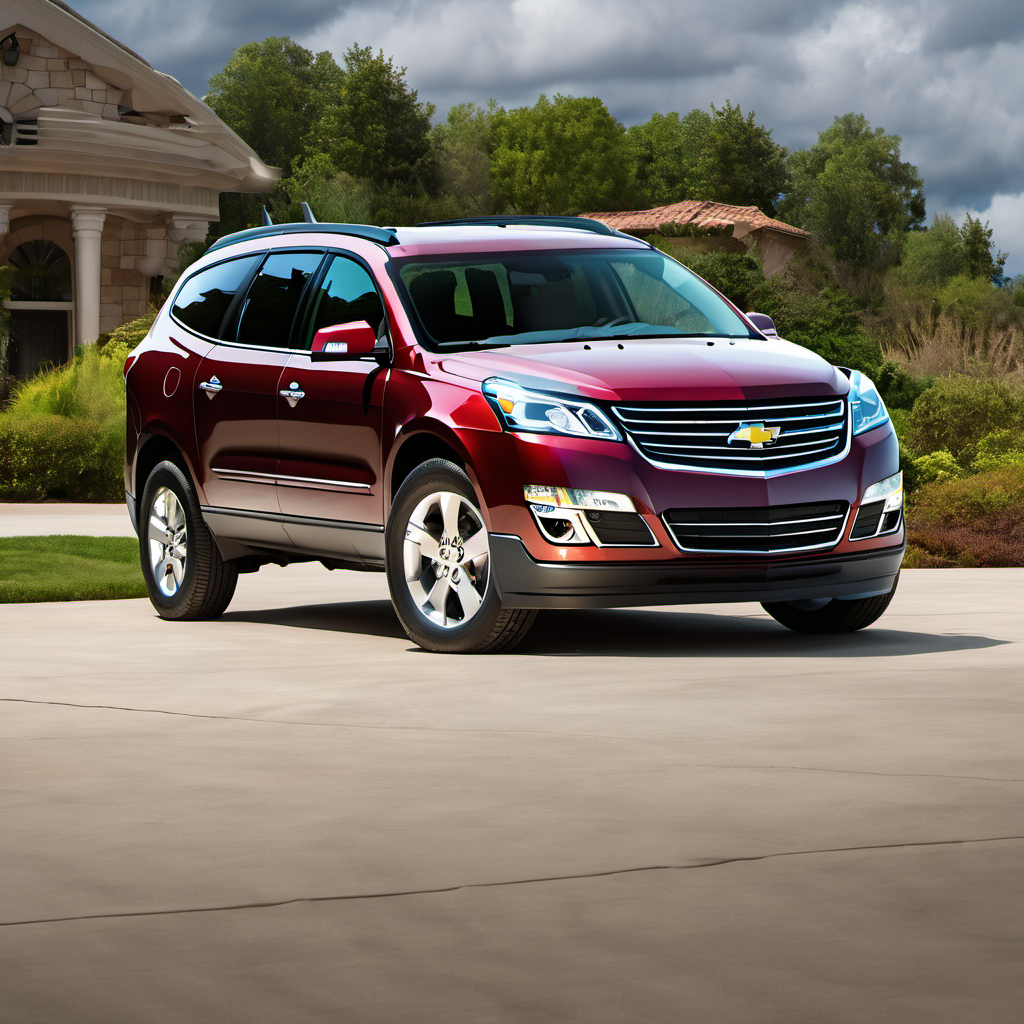
Three-row mid-size SUV at a similar price point. FWD/AWD based, more fuel efficient, but less towing capacity and no V8 option. Better real-world reliability scores than the Durango for this year.
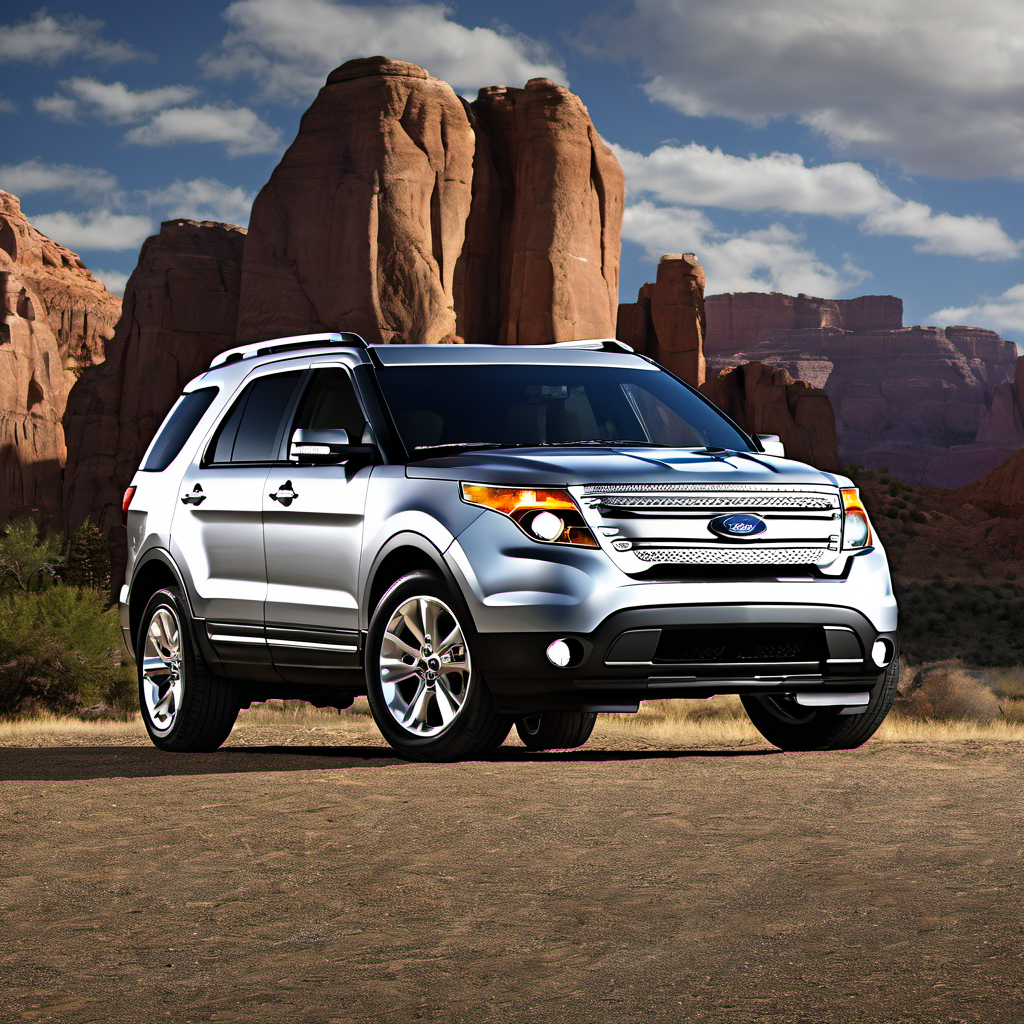
Direct competitor in the three-row mid-size SUV space. Unibody construction, more car-like feel, stronger reliability record. Available with EcoBoost V6 for better efficiency, though towing falls short of the HEMI.
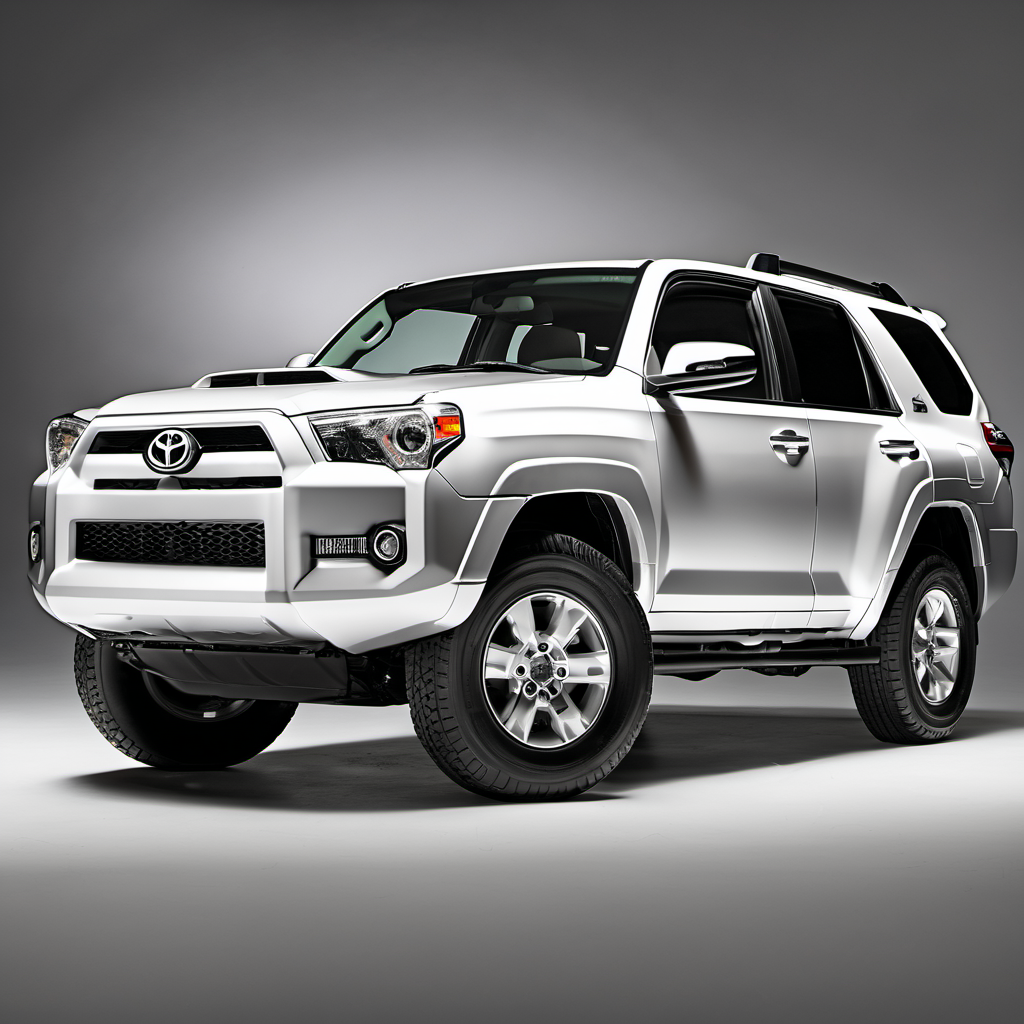
Body-on-frame construction like the Durango, strong V6, excellent long-term reliability. Only seats five but holds value exceptionally well and is a proven platform in harsh climates.
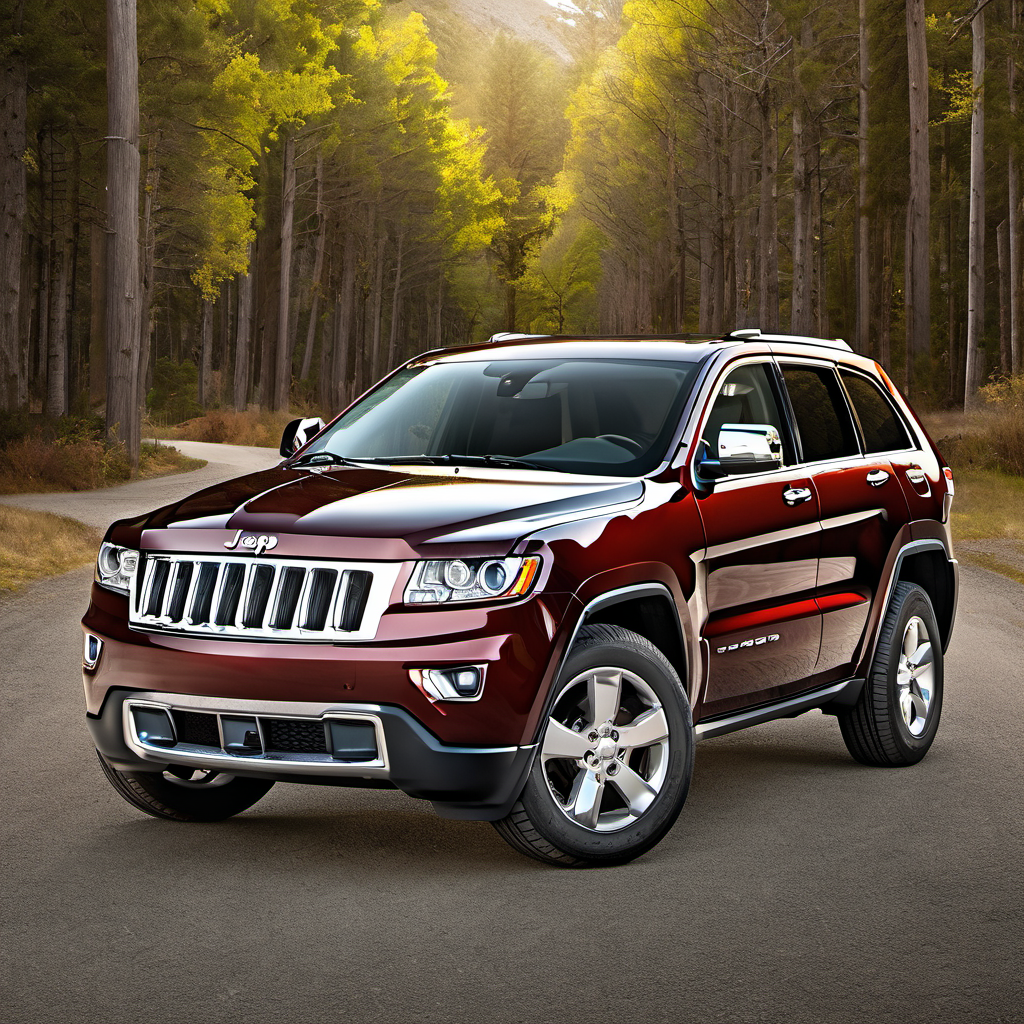
Shares the same LX/LC platform and 5.7L HEMI as the Durango. Two-row only, but comes standard with AWD in most trims and has a more refined interior. Parts and shop knowledge fully overlap.