VCT Solenoid / Phaser Failure (2.5L & 3.0L)
high- Typically appears
- 80–130k mi
- Estimated repair
- $150 – $600
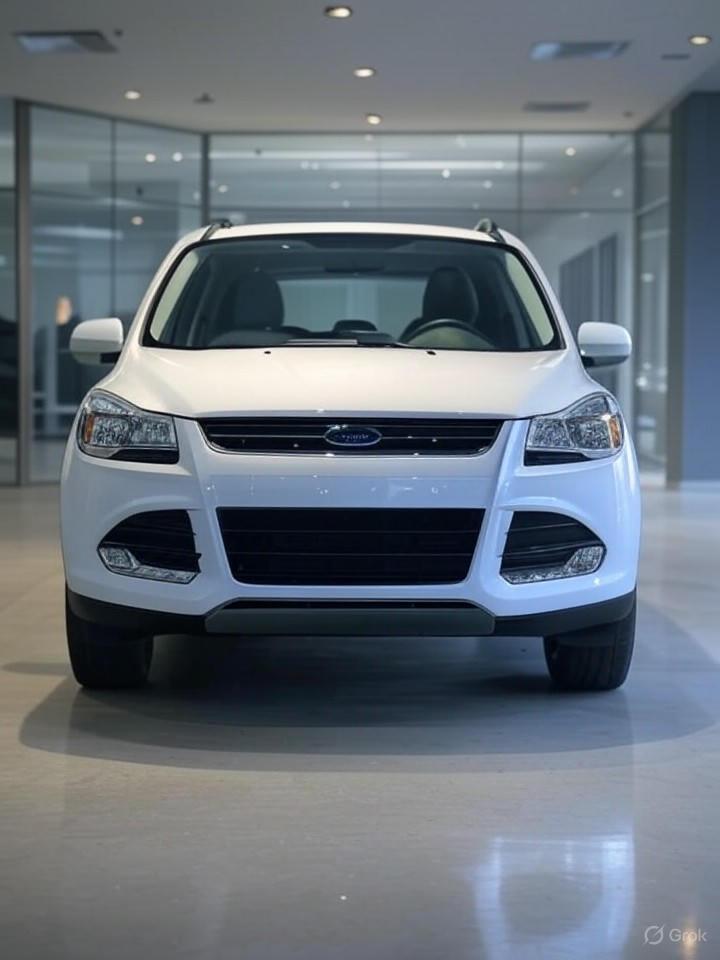
2011 Ford
2.5L I4 · SUV
The 2011 Ford Escape is a compact SUV that was a staple of Ford's lineup throughout the 2000s and into the early 2010s. Built on a shared platform with the Mazda Tribute, it offered a practical, car-based ride with available all-wheel drive — a combination that made it popular with families and commuters alike. By 2011 it was in the final stretch of its second generation, meaning the platform was well-understood but also showing its age compared to newer crossovers. Power came from either a 2.5L four-cylinder or an optional 3.0L V6, both paired to a six-speed automatic. The 2.5L four is the more common find and delivers adequate everyday performance with reasonable fuel economy. The V6 adds punch but costs more at the pump and more in maintenance long-term. At this age, the 2011 Escape is well into high-mileage territory on most examples. Rust is a real concern in Wisconsin — inspect the subframe, rockers, and rear wheel wells before buying. Overall it's a capable, straightforward crossover for everyday driving, but buyers should go in with eyes open on its known trouble spots.
The 2011 Ford Escape is a compact SUV that was a staple of Ford's lineup throughout the 2000s and into the early 2010s. Built on a shared platform with the Mazda Tribute, it offered a practical, car-based ride with available all-wheel drive — a combination that made it popular with families and commuters alike. By 2011 it was in the final stretch of its second generation, meaning the platform was well-understood but also showing its age compared to newer crossovers. Power came from either a 2.5L four-cylinder or an optional 3.0L V6, both paired to a six-speed automatic. The 2.5L four is the more common find and delivers adequate everyday performance with reasonable fuel economy. The V6 adds punch but costs more at the pump and more in maintenance long-term. At this age, the 2011 Escape is well into high-mileage territory on most examples. Rust is a real concern in Wisconsin — inspect the subframe, rockers, and rear wheel wells before buying. Overall it's a capable, straightforward crossover for everyday driving, but buyers should go in with eyes open on its known trouble spots.
The VCT phasers and solenoids are oil-pressure operated. Dirty or low oil is the #1 cause of VCT codes and phaser rattle on these engines. Don't stretch intervals.
Ford's 'lifetime' fluid claim doesn't hold up well in real-world use. Fresh Mercon LV fluid helps prevent shudder and extends converter life on high-mileage examples.
Especially critical on the 3.0L V6. Degraded coolant accelerates gasket wear and can lead to expensive overheating damage.
Road salt attacks the subframe mounting points and rear control arm brackets. Catching rust early with surface treatment buys years; ignoring it results in a failed safety inspection or worse.
Worn plugs cause misfires that can be misread as VCT or O2 sensor issues. Plugs are affordable insurance on a high-mileage Escape.
A clogged air filter reduces fuel economy noticeably and can cause rough idle on the 2.5L four.
Brake fluid absorbs moisture over time, which lowers its boiling point and accelerates caliper corrosion — a real issue in Wisconsin's salt environment.
Cold temperatures make weatherstripping brittle and liftgate struts weak. A door that won't seal properly lets in cold air and moisture, accelerating interior rust.
Always defer to the manufacturer's service manual for warranty-mandated intervals.
The 2011 Escape is one of the cheaper compact SUVs to own at this age — parts are plentiful and labor is straightforward. Annual maintenance stays manageable if you stay on top of oil changes and catch rust early. The big wildcard is a VCT system repair or transmission job, either of which can push a single-year cost into the $1,500–$2,500 range. Avoid the 3.0L V6 if cost predictability matters to you.
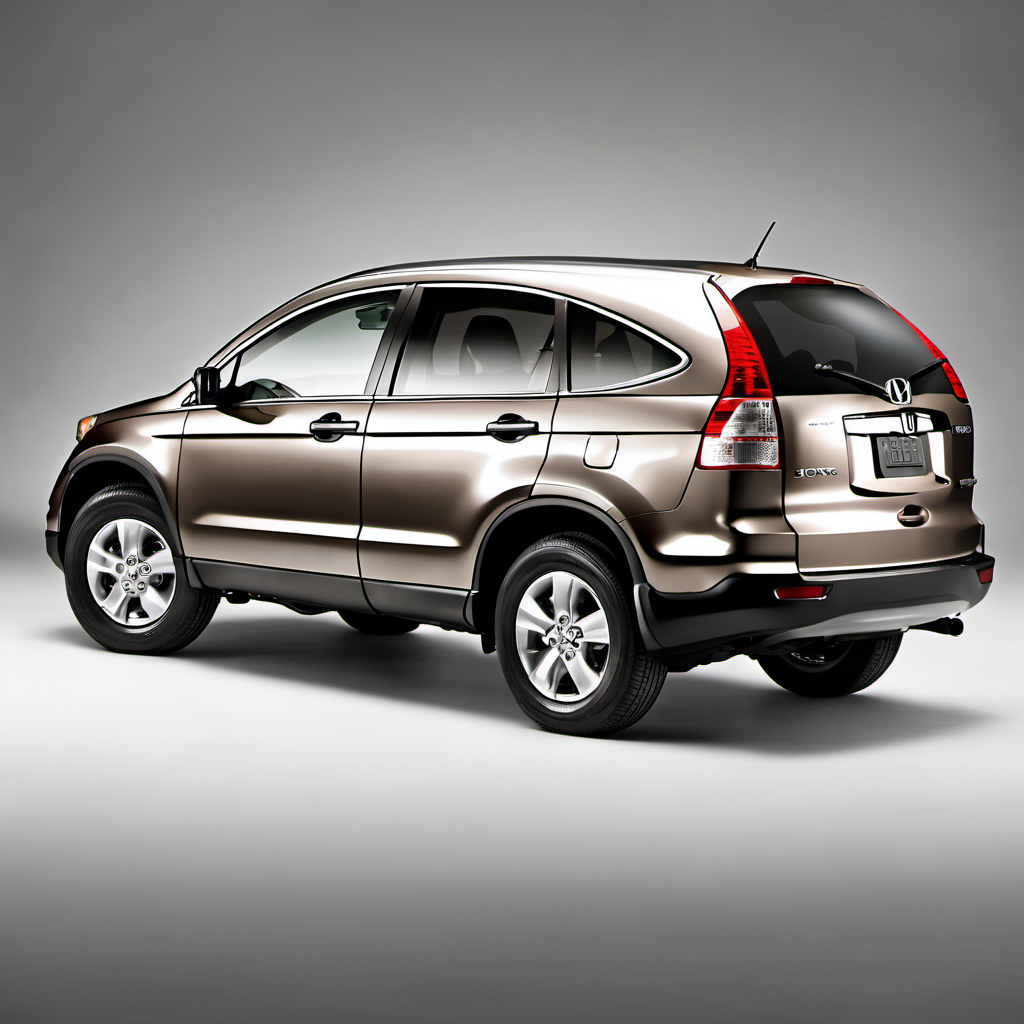
Same compact SUV segment, similar price point used, and arguably better long-term reliability — especially with Honda's real-time AWD system. Easier to find rust-free examples from drier states.
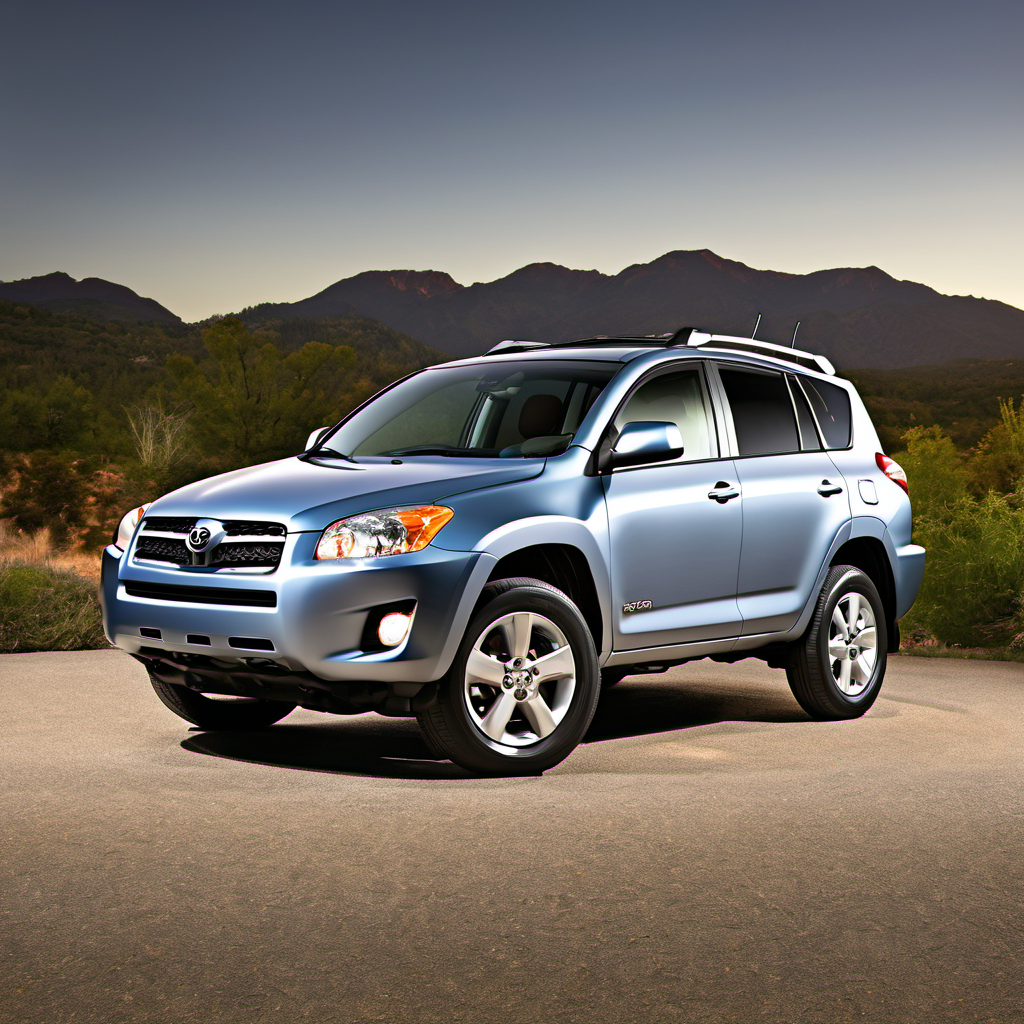
A direct segment rival with a stronger reliability track record, particularly on the drivetrain. Slightly boxier cargo layout but same commuter/family mission. Parts are widely available.
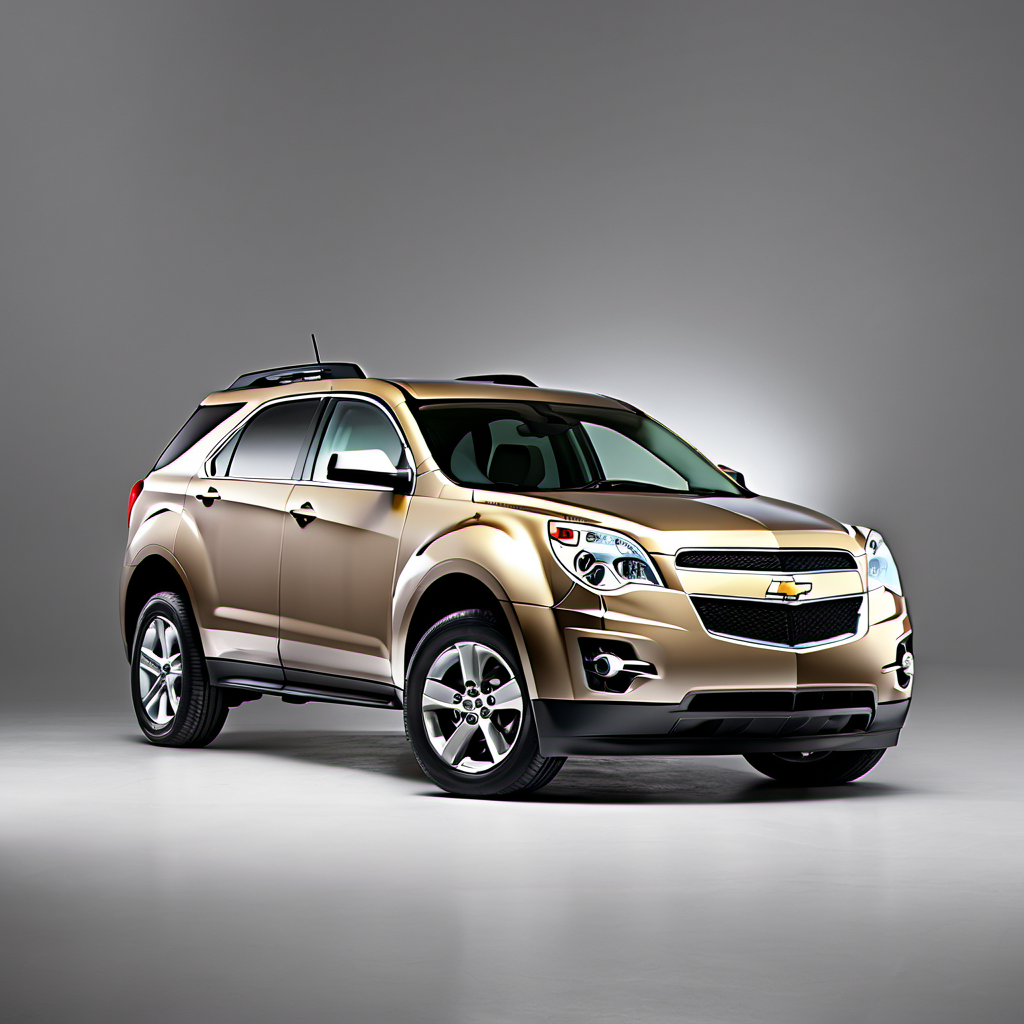
Newer platform (2010 redesign), roomier interior, and a more modern feel than the aging Escape. Watch out for 2.4L timing chain and oil consumption issues on early Equinox models.
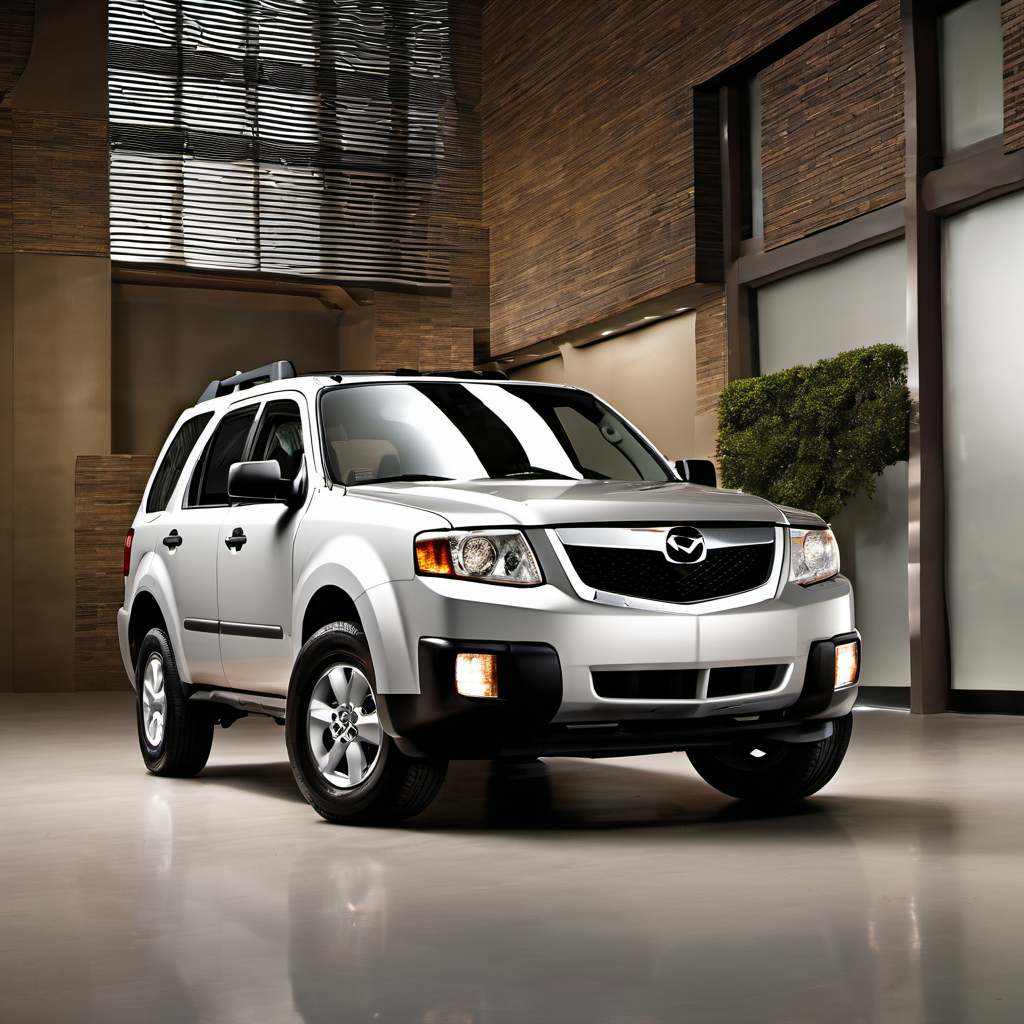
Shares the same platform and most mechanicals as the Escape. Can be a good deal if priced lower, but parts cross-reference easily. Slightly less common, so resale support is thinner.