VTC Actuator Cold-Start Rattle
high- Typically appears
- 60–150k mi
- Estimated repair
- $200 – $450
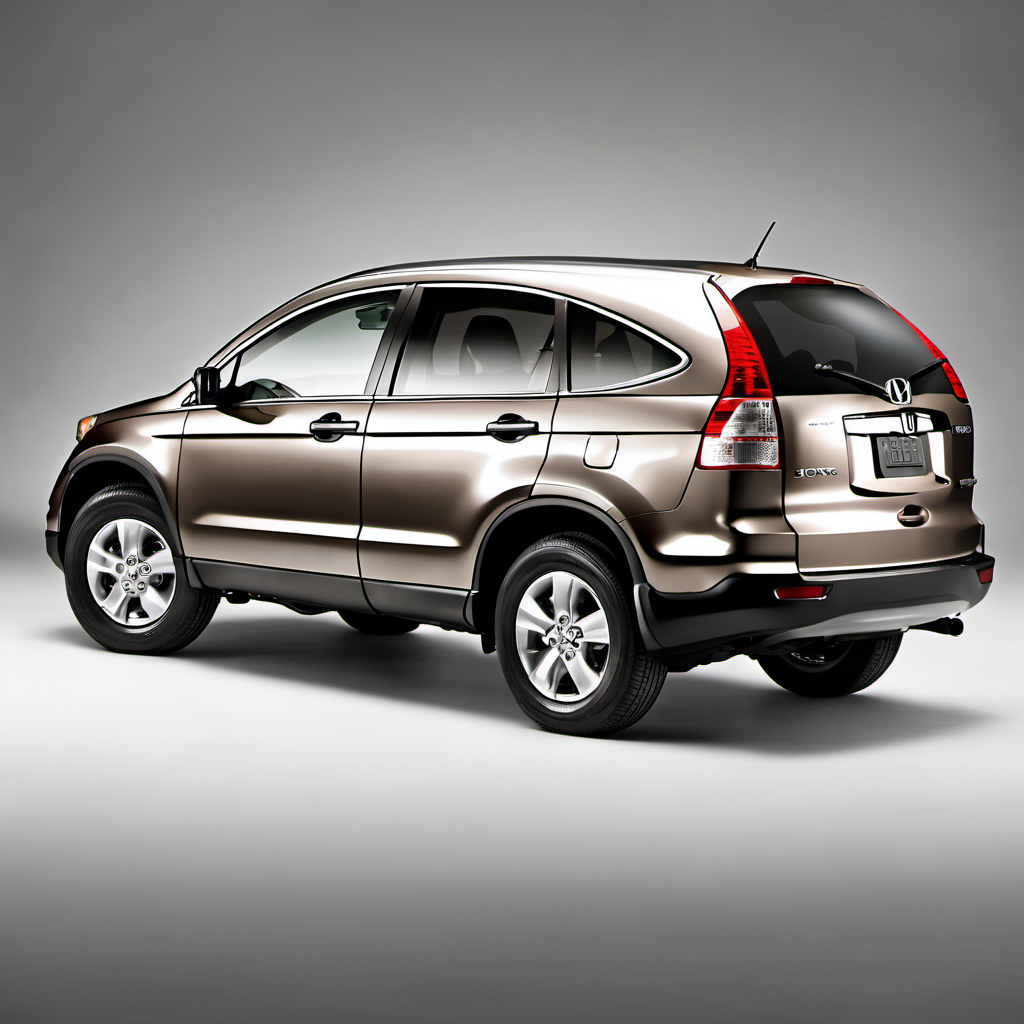
2011 Honda
2.4L I4 · SUV
The 2011 Honda CR-V is a third-generation (2007–2011) compact crossover SUV built at Honda's East Liberty, Ohio plant. It earned a reputation for being one of the most practical, reliable compact SUVs of its era — easy to drive, fuel-efficient for its class, and genuinely spacious for a vehicle its size. The 2011 model year is the final year of the third generation, and Honda worked out most of the early-gen kinks by this point, making it one of the stronger years to buy used. Power comes from Honda's proven K24Z6 2.4L inline-four paired with a 5-speed automatic. It won't win drag races, but it delivers confident daily-driving performance and durability that owners routinely push past 200,000 miles. The Real Time AWD system is on-demand rather than full-time, which helps fuel economy but means it's light-duty off-road — think snowy Wisconsin roads, not rock crawling. The interior is a CR-V hallmark: flat-folding rear seats, a high roofline, and a flat cargo floor make it one of the most usable small SUVs regardless of the era. Visibility is excellent and the driving position is upright and comfortable. If you're looking at a used one, a well-maintained example is about as close to a sure thing as used-car shopping gets.
The 2011 Honda CR-V is a third-generation (2007–2011) compact crossover SUV built at Honda's East Liberty, Ohio plant. It earned a reputation for being one of the most practical, reliable compact SUVs of its era — easy to drive, fuel-efficient for its class, and genuinely spacious for a vehicle its size. The 2011 model year is the final year of the third generation, and Honda worked out most of the early-gen kinks by this point, making it one of the stronger years to buy used. Power comes from Honda's proven K24Z6 2.4L inline-four paired with a 5-speed automatic. It won't win drag races, but it delivers confident daily-driving performance and durability that owners routinely push past 200,000 miles. The Real Time AWD system is on-demand rather than full-time, which helps fuel economy but means it's light-duty off-road — think snowy Wisconsin roads, not rock crawling. The interior is a CR-V hallmark: flat-folding rear seats, a high roofline, and a flat cargo floor make it one of the most usable small SUVs regardless of the era. Visibility is excellent and the driving position is upright and comfortable. If you're looking at a used one, a well-maintained example is about as close to a sure thing as used-car shopping gets.
The K24Z6 is sensitive to oil quality. Old or degraded oil accelerates VTC actuator and OCV solenoid wear — the two most common failure points on this engine. Use Honda-recommended 0W-20 full synthetic, especially for Wisconsin winters.
Neglected rear diff fluid is the #1 cause of AWD judder and binding on CR-Vs. Use Honda Dual Pump Fluid II only. This is a cheap service that prevents an expensive repair.
Honda's 5-speed automatic responds well to regular fluid maintenance. Use Honda ATF-Z1 or DW-1. The transmission is generally reliable, but dirty fluid shortens its life.
OEM-spec iridium plugs last 90k miles but should be inspected at 60k. Worn plugs reduce fuel economy and can cause misfires that stress the catalytic converter.
Honda's blue coolant degrades over time. Old coolant becomes acidic and attacks the radiator, water pump, and heater core — expensive components. Keep it fresh.
Wisconsin sub-zero starts put maximum strain on a battery. A battery that passes a warm-weather test can fail at -10°F. Replace any battery older than 4 years proactively.
Summer-grade washer fluid freezes in the reservoir and lines. Lake Geneva winter temps regularly hit -15°F or below. Freeze damage to the washer pump is an avoidable repair.
Salt accumulates all winter in wheel wells, frame rails, and around brake lines. A thorough undercarriage flush and inspection every spring is the best defense against the rust issues known to affect this generation in the Midwest.
Always defer to the manufacturer's service manual for warranty-mandated intervals.
The CR-V is one of the cheaper compact SUVs to own over time. Routine maintenance is straightforward, parts are widely available, and independent shops can handle virtually all service. The main cost wildcards are AC compressor failure ($700–$1,400), VTC actuator replacement ($200–$450), and rust repair if the undercarriage has been neglected. A well-documented example with recent fluid services is worth paying a premium for.
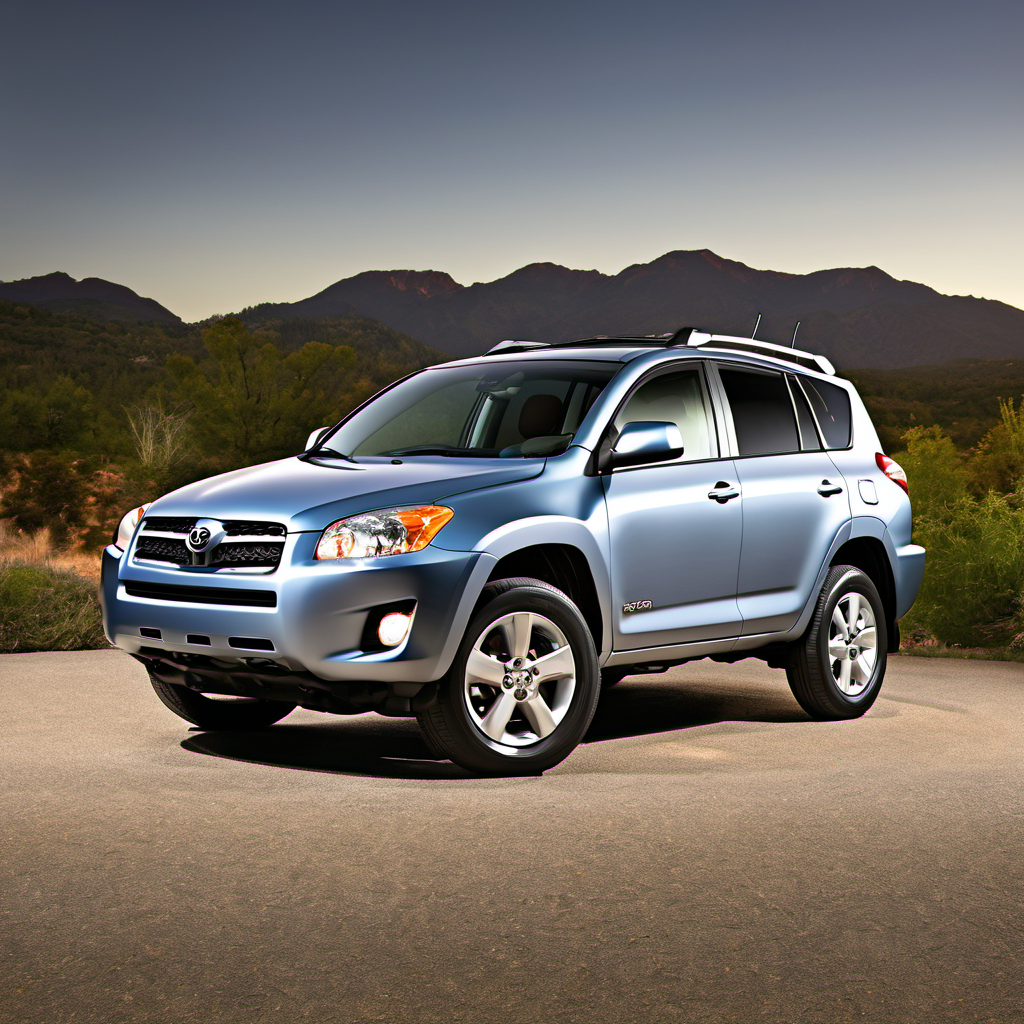
Direct segment rival with similar pricing, AWD option, and comparable reliability. The RAV4 offers a V6 option for more power but slightly worse fuel economy. Both are strong long-term ownership choices.
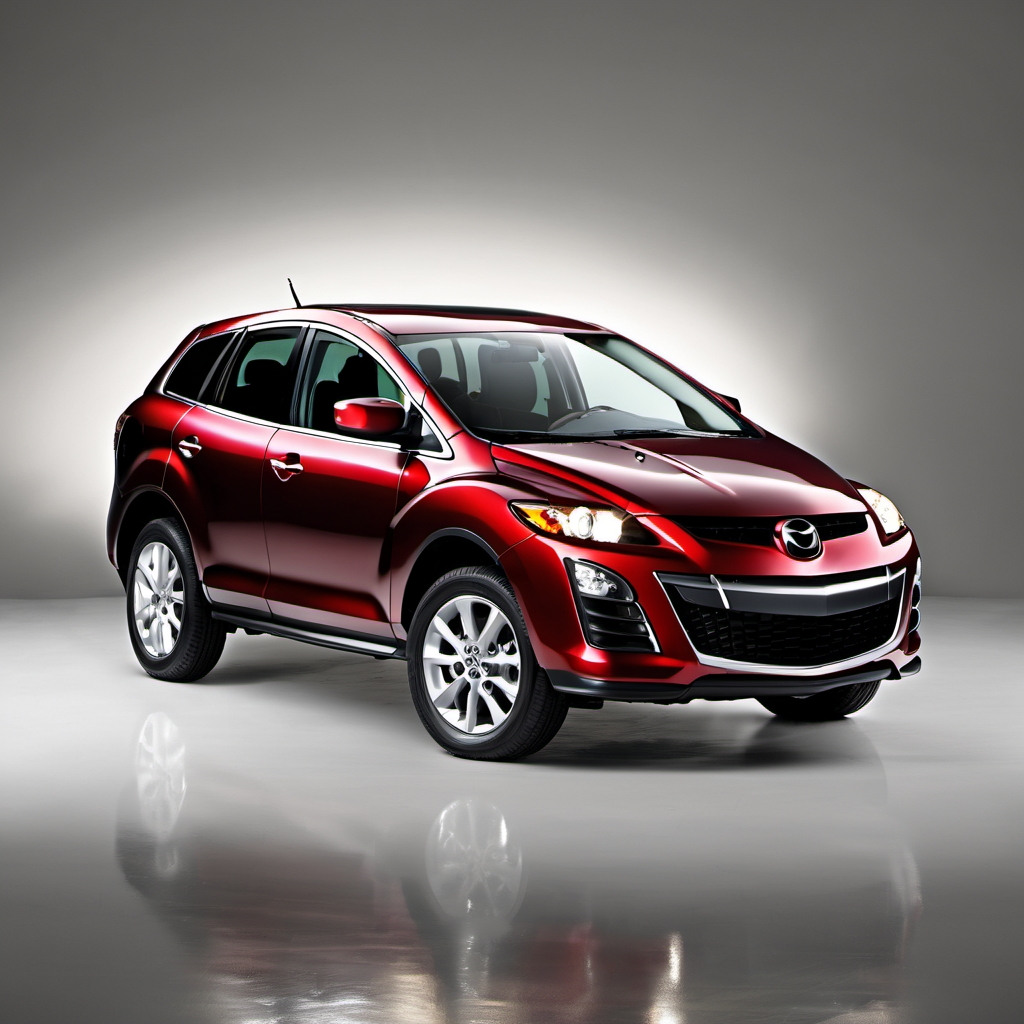
Similar size and price point with a sportier driving feel. The turbocharged 2.3L engine is quicker but requires premium fuel and has higher maintenance costs than the CR-V's naturally aspirated K24.
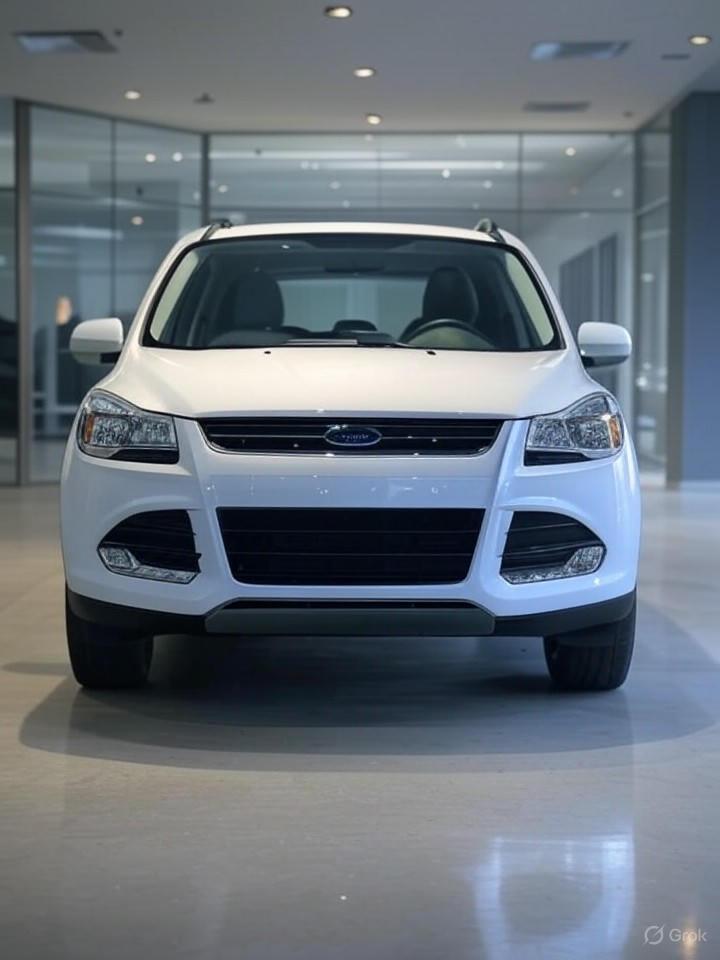
Closely matched in size, price, and AWD capability. The Escape V6 offers more power; the 4-cyl models are roughly equivalent to the CR-V in performance. Less polished interior but widely serviced.
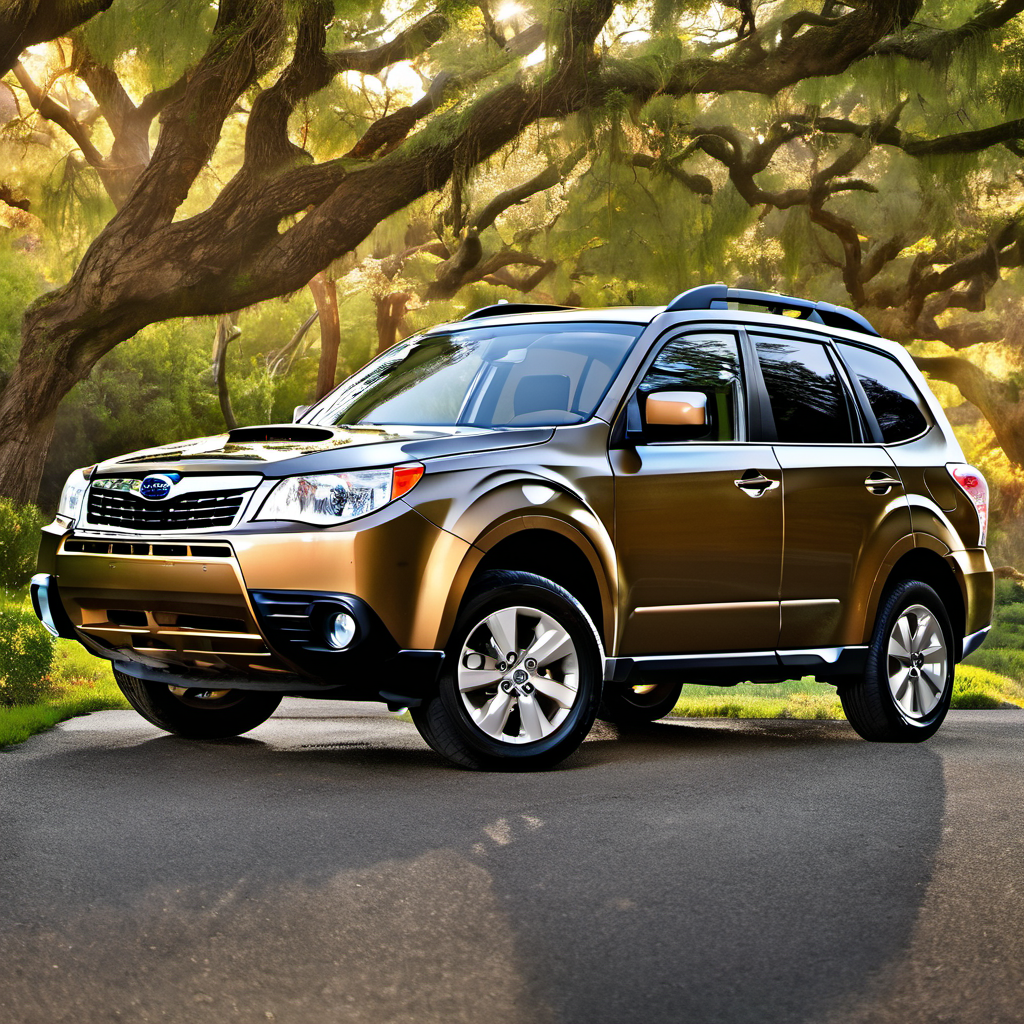
Standard symmetrical AWD gives the Forester an edge in true winter traction. Slightly taller and more capable in deep snow. Head gasket concerns on older examples but the 2011 model year is largely past that issue.