2.4L Engine Oil Consumption
high- Typically appears
- 30–100k mi
- Estimated repair
- $1,200 – $4,500
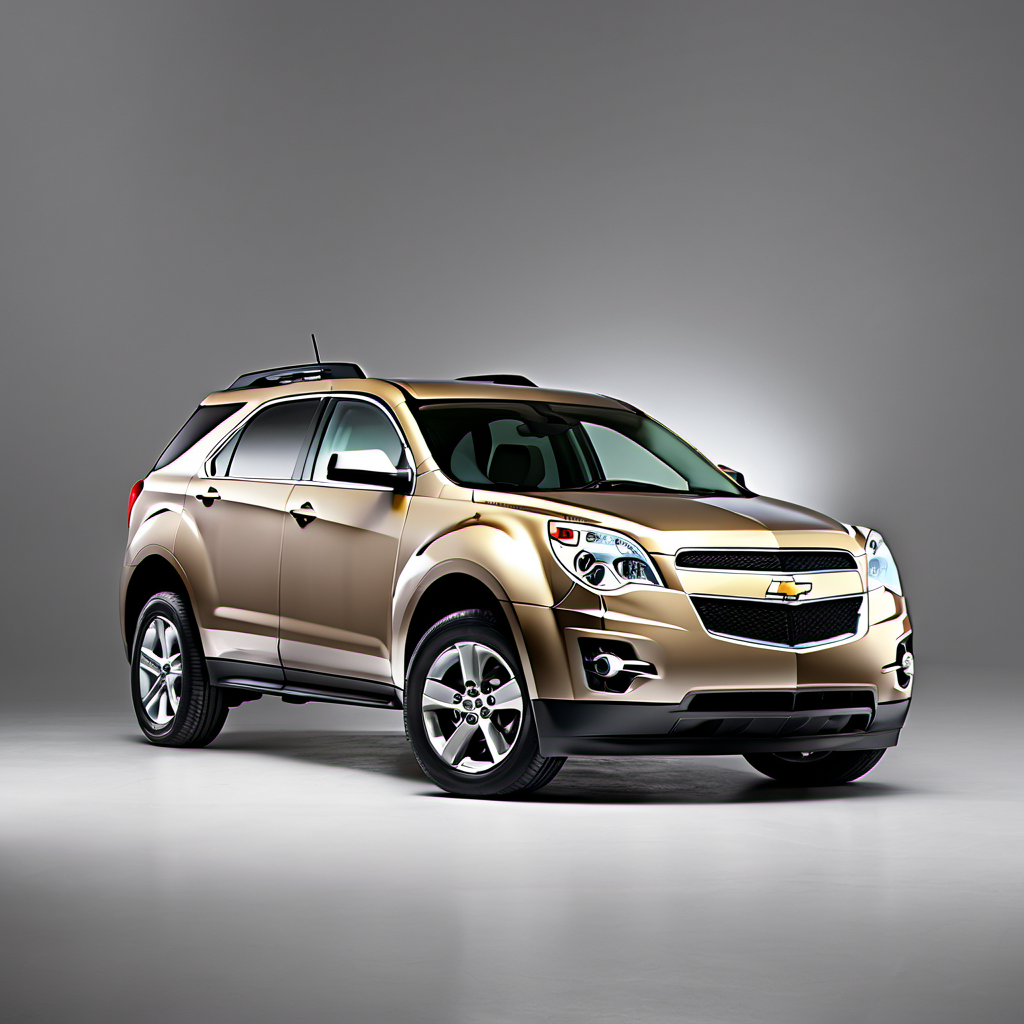
2011 Chevrolet
2.4L I4 Ecotec · SUV
The 2011 Chevrolet Equinox is a second-generation (2010–2017) compact crossover SUV built on GM's Theta Premium platform. It was a significant redesign from the first-gen model, bringing a much cleaner interior, better fuel economy, and a more car-like ride. It competed squarely with the Toyota RAV4, Honda CR-V, and Ford Escape, and sold well enough that used examples are plentiful and affordable today. Most 2011 Equinoxes came with the 2.4L Ecotec four-cylinder, which offered surprisingly good highway fuel economy (32 mpg) for a crossover of this size. A 3.0L V6 was also available for buyers who wanted more pull. All-wheel drive was optional, making it a reasonable year-round vehicle in Wisconsin—though the AWD system is on-demand rather than full-time, so it's no substitute for a set of dedicated winter tires. The 2011 model year sits squarely in the middle of the second-gen run. It benefits from the first-year bugs of the 2010 being largely sorted, but shares a well-documented issue with the 2.4L engine consuming excessive oil. If you're shopping a used example, the oil consumption problem is the single most important thing to verify before you buy.
The 2011 Chevrolet Equinox is a second-generation (2010–2017) compact crossover SUV built on GM's Theta Premium platform. It was a significant redesign from the first-gen model, bringing a much cleaner interior, better fuel economy, and a more car-like ride. It competed squarely with the Toyota RAV4, Honda CR-V, and Ford Escape, and sold well enough that used examples are plentiful and affordable today. Most 2011 Equinoxes came with the 2.4L Ecotec four-cylinder, which offered surprisingly good highway fuel economy (32 mpg) for a crossover of this size. A 3.0L V6 was also available for buyers who wanted more pull. All-wheel drive was optional, making it a reasonable year-round vehicle in Wisconsin—though the AWD system is on-demand rather than full-time, so it's no substitute for a set of dedicated winter tires. The 2011 model year sits squarely in the middle of the second-gen run. It benefits from the first-year bugs of the 2010 being largely sorted, but shares a well-documented issue with the 2.4L engine consuming excessive oil. If you're shopping a used example, the oil consumption problem is the single most important thing to verify before you buy.
The 2.4L is known to consume oil between changes. Running a quart or more low accelerates timing chain wear and VVT damage. Catching it early is the single most important thing you can do for this engine.
GM's OLM algorithm may push to 7,500+ miles, but given the oil consumption issue and VVT sensitivity, tighter changes with full synthetic protect the timing system and reduce consumption rate.
A stretched chain or worn actuator caught early is a $900–1,400 job. Ignored, it becomes a short-block. Listen for a metallic rattle in the first 5 seconds of cold start.
The internal water pump is a failure point. A pressure test and visual inspection for coolant weeping around the front of the engine can catch early pump seal failure before it contaminates oil.
The 2.4L uses iridium plugs rated for 100k miles, but oil consumption and carbon buildup can foul them earlier. Fresh plugs support clean combustion and reduce carbon accumulation on valves.
Wisconsin road grit and seasonal debris clog filters faster than in dryer climates. A clogged engine filter also reduces power and can worsen fuel economy noticeably on the 2.4L.
Brake fluid absorbs moisture over time. In Wisconsin's temperature swings, degraded fluid lowers the boiling point and can cause spongy pedal feel. Critical given the freeze/thaw cycles.
The rear coupling unit on AWD models is often neglected. Fresh fluid protects the clutch pack and prevents shudder on engagement, especially important as temperatures drop and the system works harder.
Always defer to the manufacturer's service manual for warranty-mandated intervals.
The Equinox is inexpensive to buy used, and routine maintenance costs are moderate. However, the 2.4L engine's oil consumption issue can turn a cheap crossover into an expensive one fast — a timing chain job or short-block replacement can easily exceed the vehicle's market value on a high-mileage example. Budget on the high end of the maintenance range if you're not checking oil regularly or if you've bought an unknown-history vehicle. A pre-purchase inspection by a shop familiar with this engine is money very well spent.
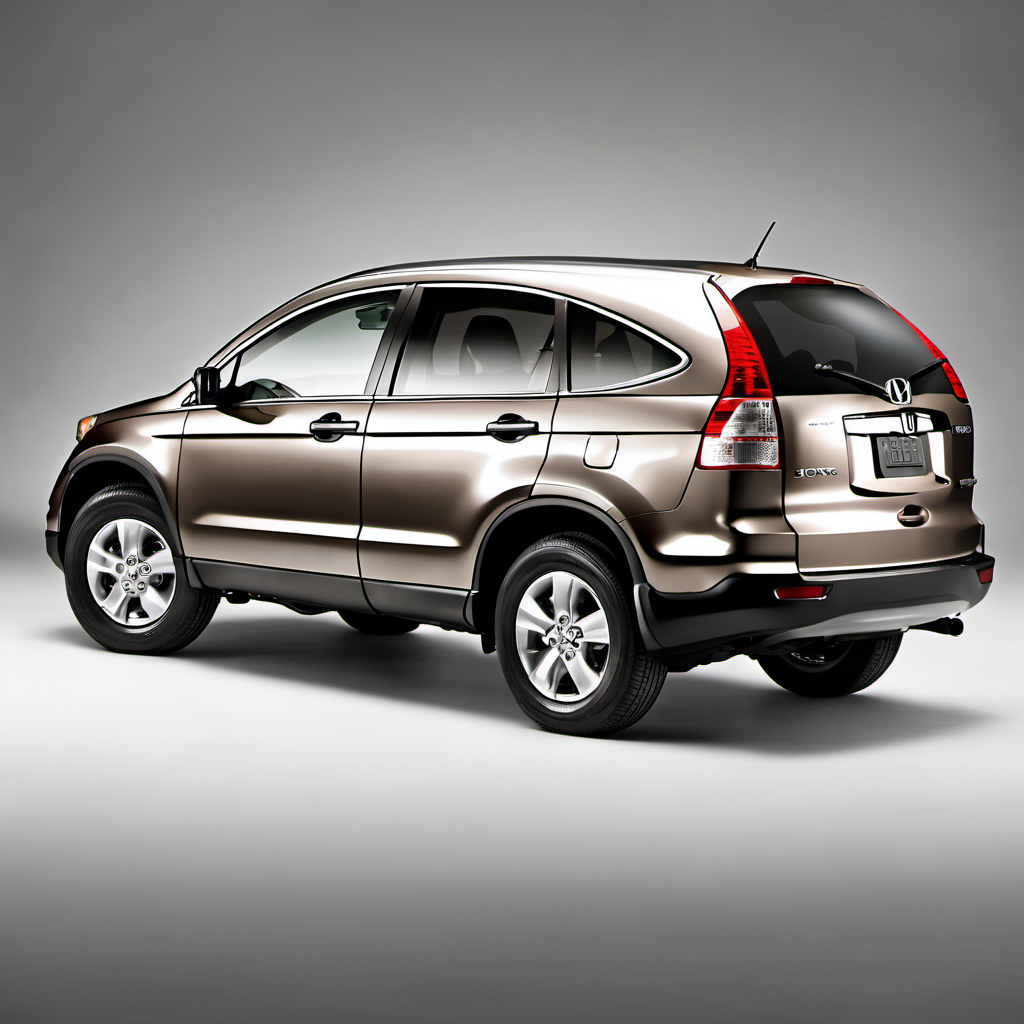
Similar size, similar price used, but the CR-V's 2.4L engine has a far stronger reliability record and no oil consumption problem. Slightly less interior room, but a much safer used buy.
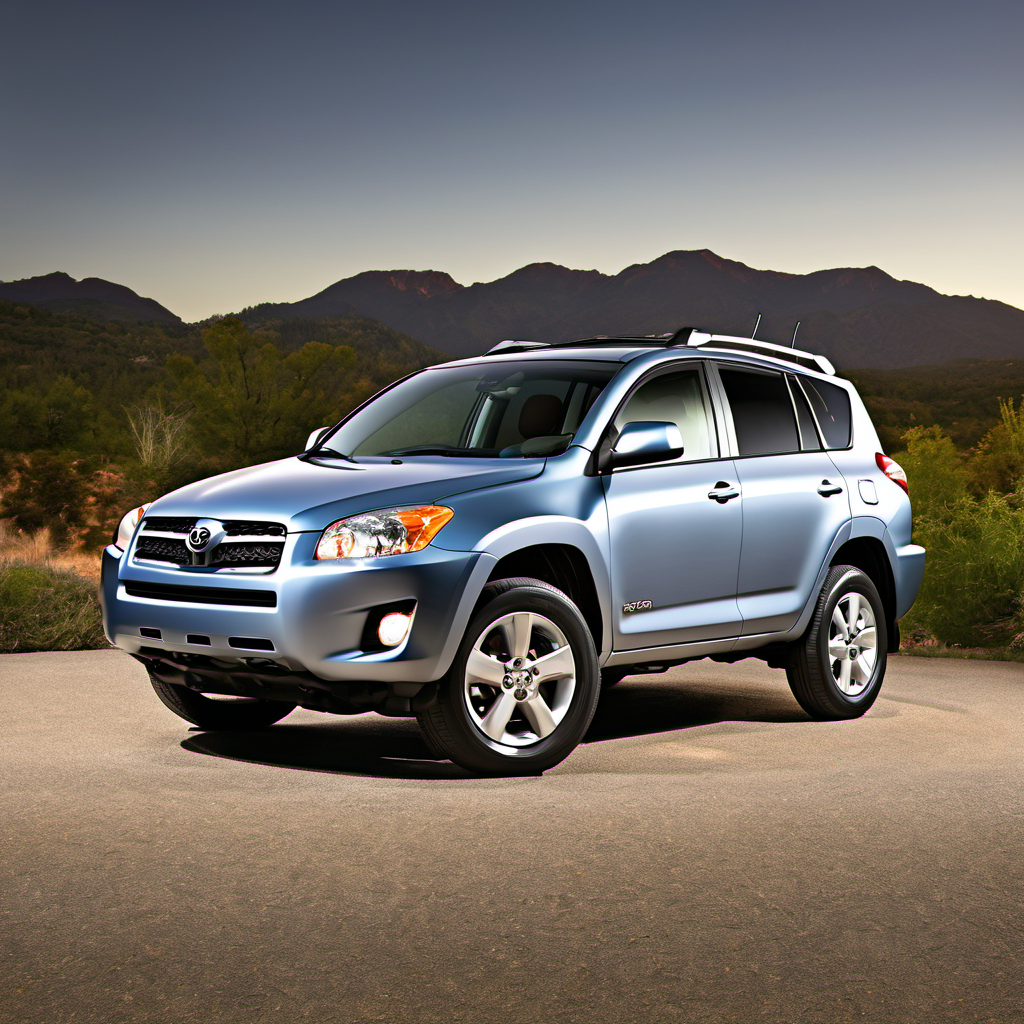
The RAV4 matches the Equinox on interior space and AWD availability. Its 2.5L engine is bulletproof by comparison. Typically costs a bit more used for exactly that reason.

The outgoing first-gen Escape is cheaper used and has the proven Duratec 2.5L four-cylinder. Smaller interior than the Equinox, but far less engine drama. Good parts availability.
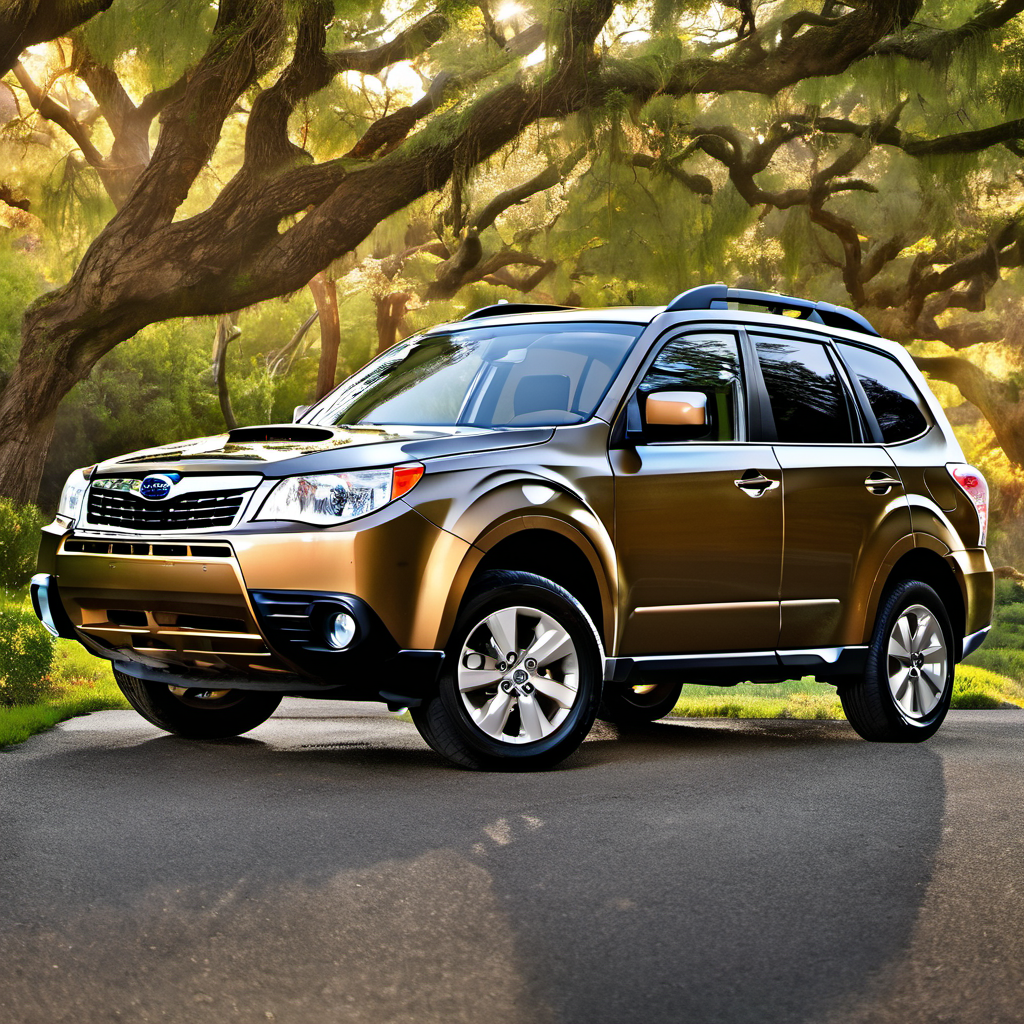
Standard AWD, not optional, and Subaru's symmetrical all-wheel drive is a genuine winter advantage in Wisconsin. Watch for head gasket history on the 2.5L EJ engine, but overall a strong alternative.