Coolant leaks — intake manifold gaskets and thermostat housing
high- Typically appears
- 80–130k mi
- Estimated repair
- $250 – $550
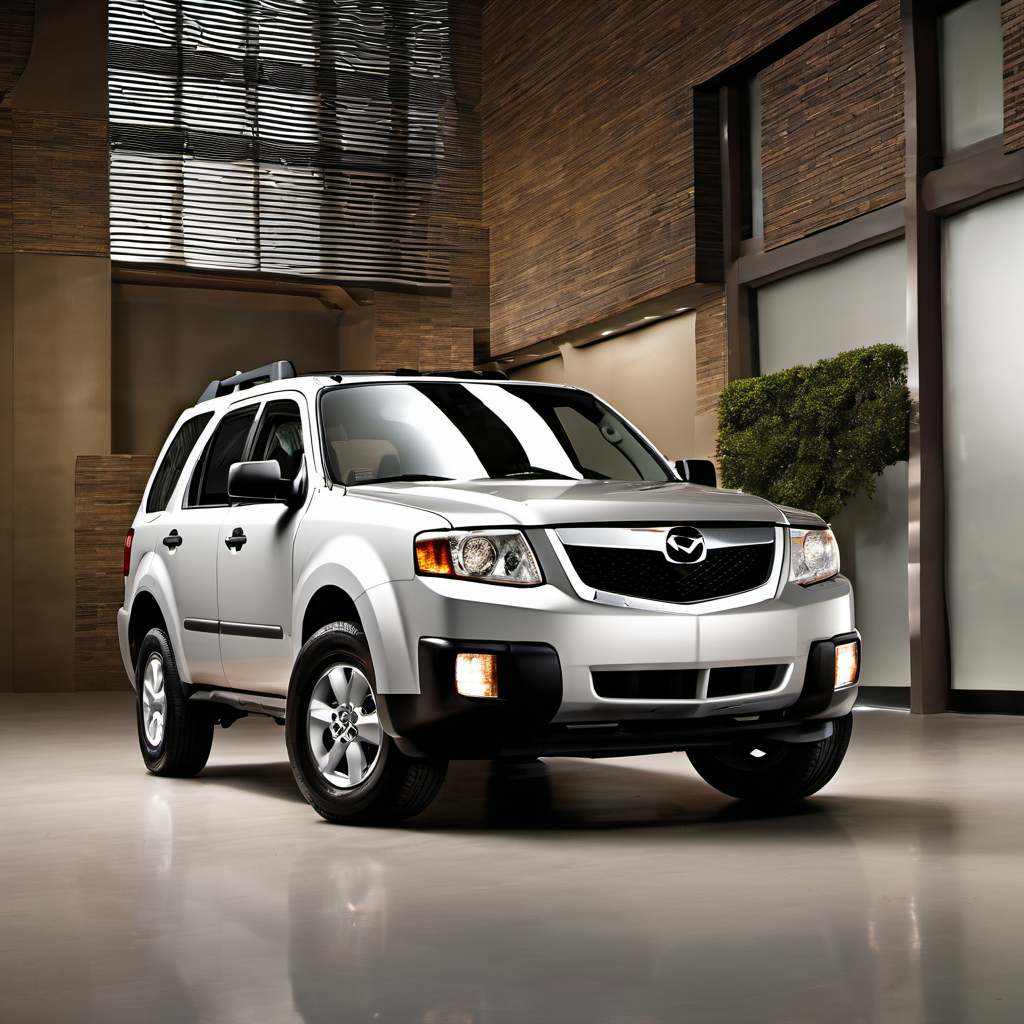
2011 MAZDA
SUV
The 2011 Mazda Tribute is a compact SUV that shares its platform and most of its mechanicals with the Ford Escape and Mercury Mariner — all three were built on the same Ford CD2 platform. By 2011, the Tribute was in its final model year, and Mazda made only modest updates over its 10-year run. It offers a practical two-row cabin, decent cargo space for its class, and available all-wheel drive, though this FWD example opts for the more fuel-efficient front-drive setup. This particular Tribute is equipped with the 3.0L Duratec V6, which is a proven Ford-sourced engine shared across the Escape/Mariner lineup. It's flexible-fuel capable (E85 compatible) and delivers adequate power for daily driving and light highway use. The 6-speed automatic transmission pairs reasonably well with the V6 for a 2011-era compact SUV. As a 2011 model — the last year of the Tribute's production — parts availability is tied closely to the Ford Escape ecosystem, which is a genuine advantage. Ford Escape parts are plentiful and affordable, keeping maintenance costs lower than you'd expect for an orphaned model. That said, this is now a 13-plus-year-old vehicle, and buyers should scrutinize rust, suspension wear, and transmission condition carefully.
The 2011 Mazda Tribute is a compact SUV that shares its platform and most of its mechanicals with the Ford Escape and Mercury Mariner — all three were built on the same Ford CD2 platform. By 2011, the Tribute was in its final model year, and Mazda made only modest updates over its 10-year run. It offers a practical two-row cabin, decent cargo space for its class, and available all-wheel drive, though this FWD example opts for the more fuel-efficient front-drive setup. This particular Tribute is equipped with the 3.0L Duratec V6, which is a proven Ford-sourced engine shared across the Escape/Mariner lineup. It's flexible-fuel capable (E85 compatible) and delivers adequate power for daily driving and light highway use. The 6-speed automatic transmission pairs reasonably well with the V6 for a 2011-era compact SUV. As a 2011 model — the last year of the Tribute's production — parts availability is tied closely to the Ford Escape ecosystem, which is a genuine advantage. Ford Escape parts are plentiful and affordable, keeping maintenance costs lower than you'd expect for an orphaned model. That said, this is now a 13-plus-year-old vehicle, and buyers should scrutinize rust, suspension wear, and transmission condition carefully.
The 3.0L V6 relies on clean oil for VCT solenoid function. Sludge from extended intervals is a direct cause of camshaft timing codes (P0012, P0015, P0022, P0025). Use the viscosity specified on the oil cap.
Degraded coolant accelerates gasket and housing corrosion on the Duratec V6. Inspect thermostat housing and intake manifold sealing surfaces at each flush.
Ford/Mazda's 'lifetime' fluid rating assumes ideal conditions. On a vehicle this age, fresh fluid extends clutch pack life and reduces harsh shift complaints.
Wisconsin road salt corrodes steel brake lines from the outside in. Catch soft spots or pinhole rust before they become a brake failure. Budget for eventual line replacement.
The 3.0L V6 uses iridium plugs. Letting them go beyond 75–80k makes them prone to seizing in the aluminum head, turning a $200 job into a $600+ repair.
Low fluid accelerates rack seal and pump wear. Look for reddish fluid around the high-pressure hose fittings — a common early leak point.
Cold cranking amps drop sharply below 0°F. A battery that passes a summer test can still leave you stranded at a Lake Geneva winter. Test before November.
A clogged cabin filter stresses the blower motor and reduces defroster effectiveness — both matter on a Wisconsin winter commute.
Always defer to the manufacturer's service manual for warranty-mandated intervals.
The Tribute's biggest ownership advantage is parts interchangeability with the Ford Escape — you can source most mechanical components affordably. Annual maintenance on a well-kept example runs $600–$900, but budget $1,200–$1,400 in years when brake lines, suspension bushings, or cooling system work comes due. Rust remediation is the wildcard on salt-belt vehicles and can push costs higher.

Essentially the same vehicle — same platform, same engines, same transmission. Parts are more abundant and typically cheaper. The Escape is the direct mechanical twin of the Tribute.
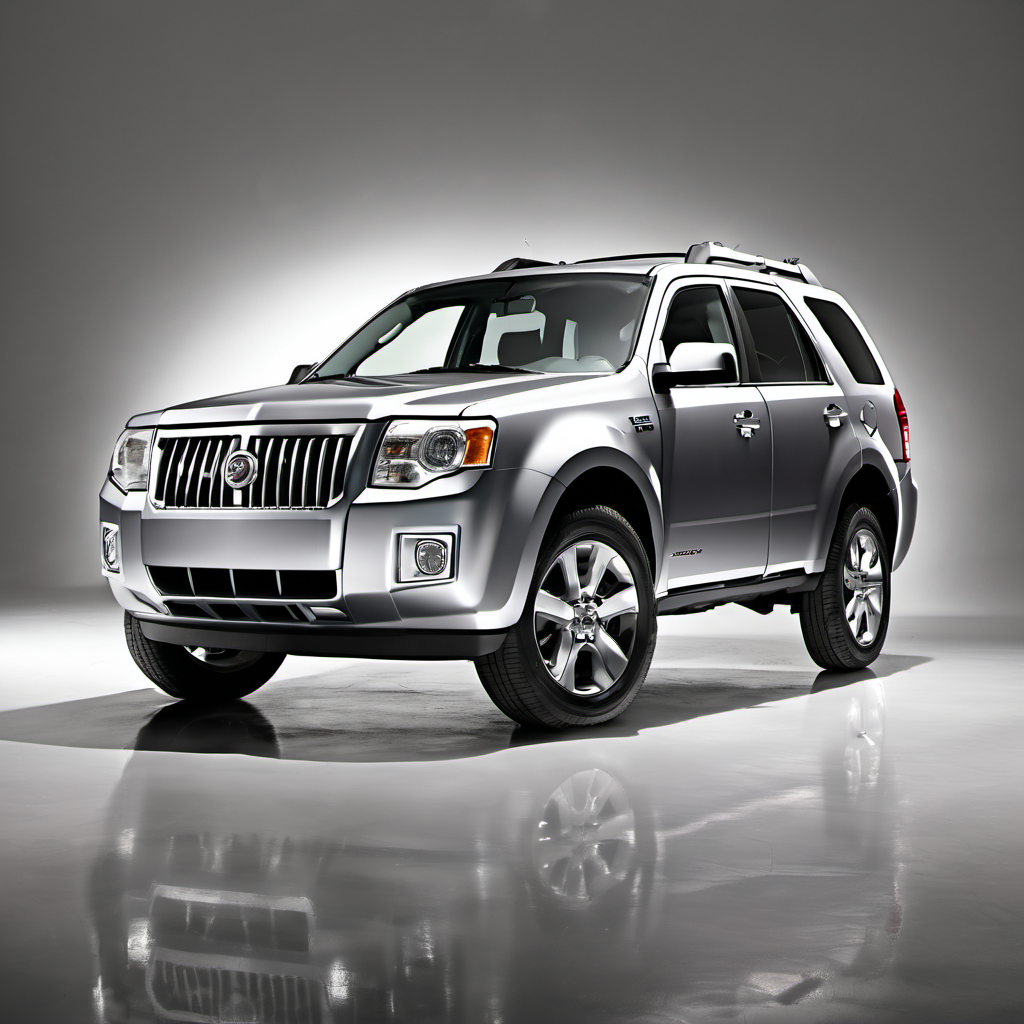
Third sibling on the same Ford CD2 platform. Also discontinued, but shares all drivetrain and most body components with the Tribute and Escape.
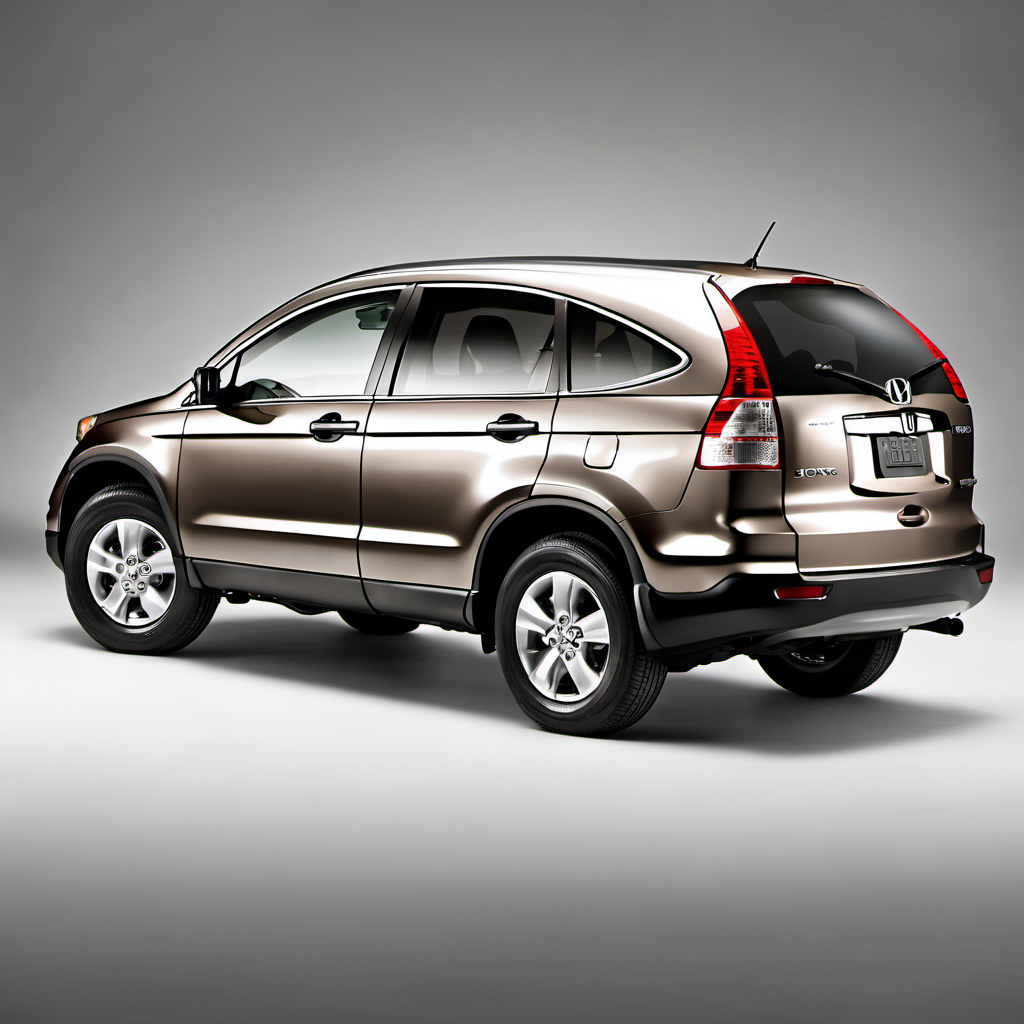
Same compact SUV segment, similar pricing used. Generally scores higher on long-term reliability and rust resistance, and holds value better.
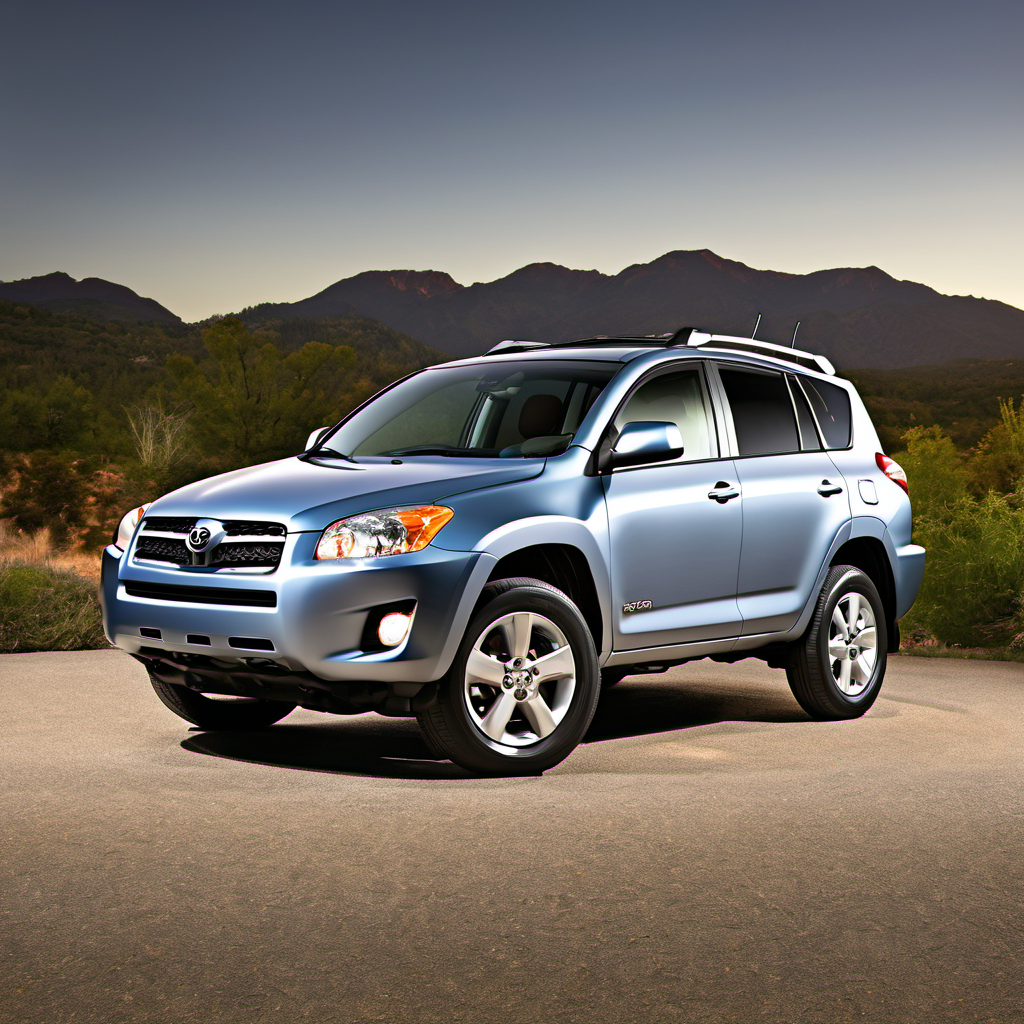
Direct competitor in the compact SUV space. Typically commands a higher used price but offers better long-term durability and stronger resale value.