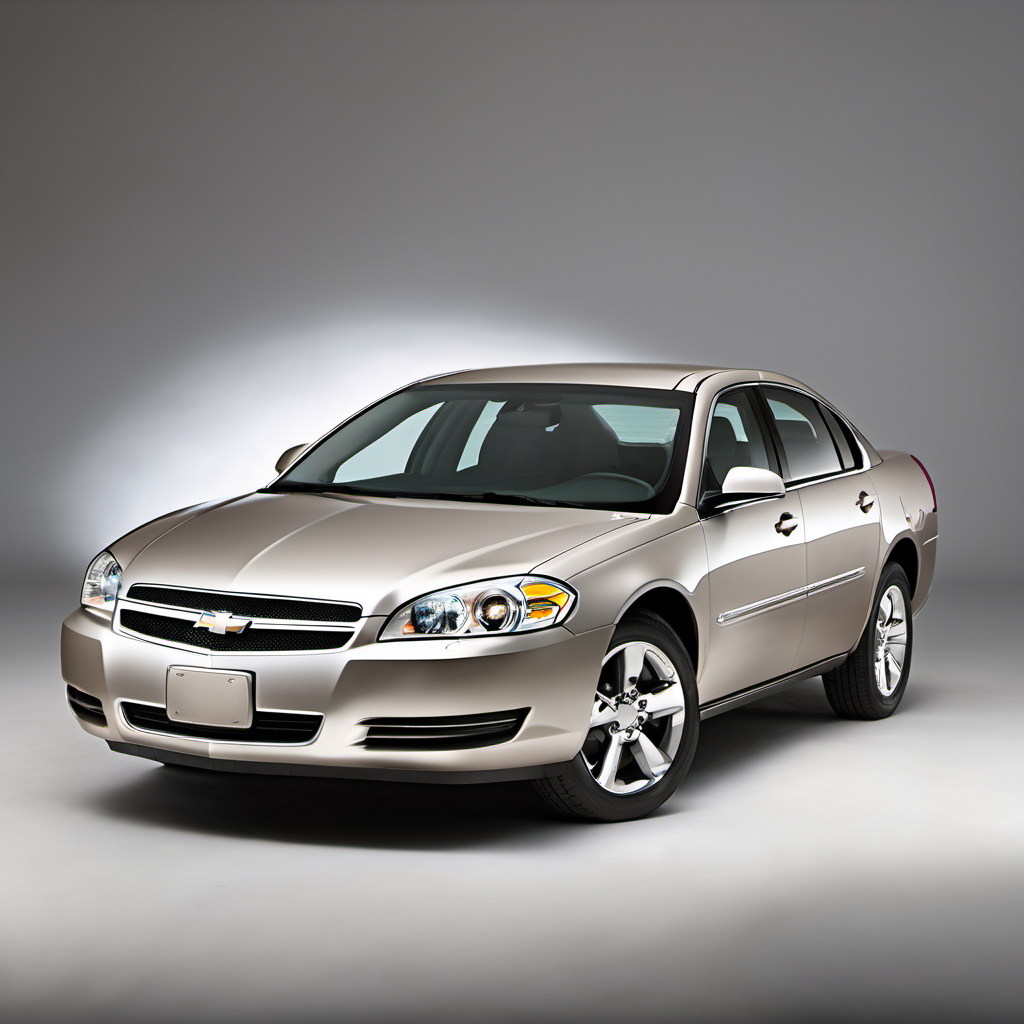
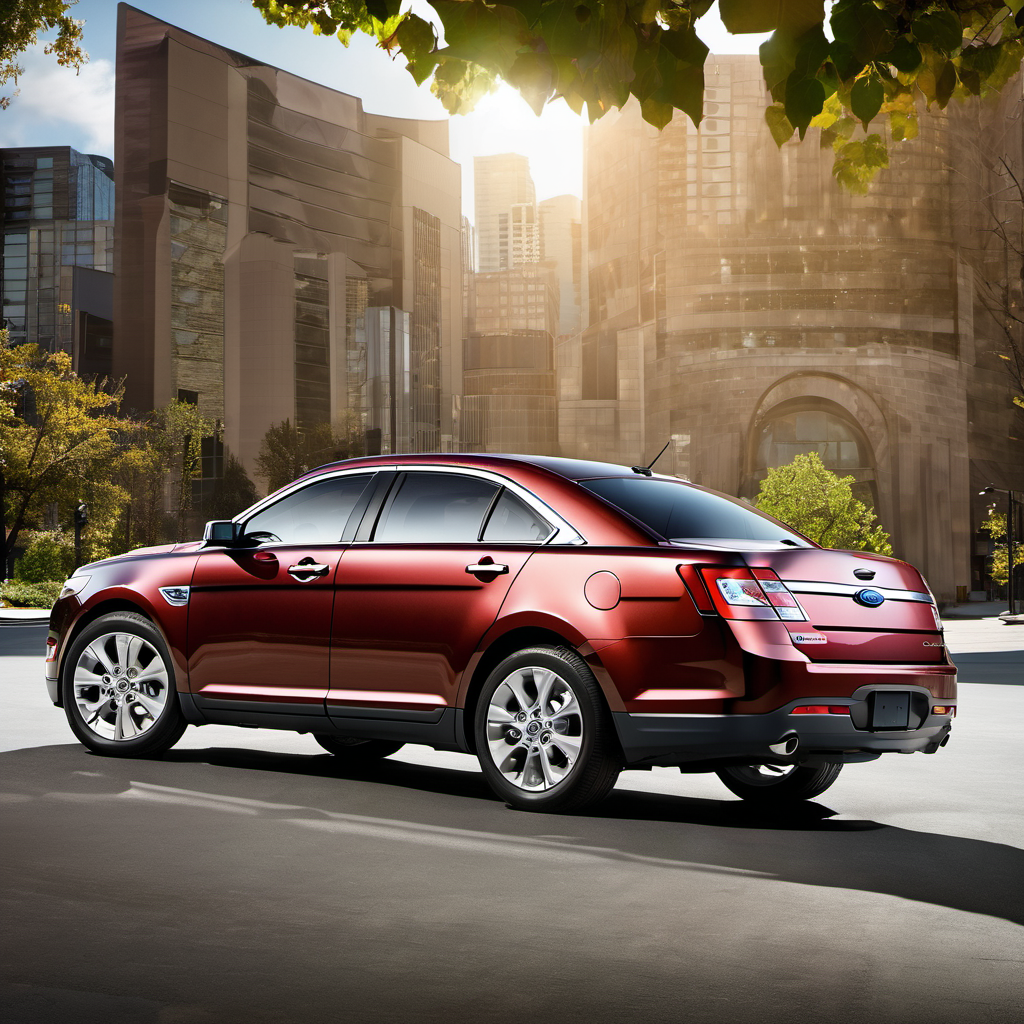
2011 Chevrolet Impala Sedan

2011 Chevrolet

ImpalaSedan

3.5L V6 · Sedan

The 2011 Chevrolet Impala is a full-size front-wheel-drive sedan that had been in production in its ninth generation since 2006. By 2011 it was a mature, familiar platform — comfortable, roomy, and easy to work on — but also showing its age against newer competitors. It was a staple of rental fleets and family garages alike, which means used examples often have high-cycle use histories. The base engine is the 3.5L V6, with the 3.9L V6 available on higher trims. Both are generally durable, though the 3.5L in particular has a long service record in GM vehicles. The 4-speed automatic (3.9L) or 6-speed automatic (3.5L) are straightforward to service. Fuel economy is adequate for the class but not a highlight. By 2011 GM had addressed many of the earlier 9th-gen gremlins, making this a reasonably solid year. Rust from Wisconsin salt exposure is the biggest long-term enemy of these cars, and the passlock/theft-deterrent system can be a headache on older examples.

Reliability
3/5
Verified data
Specs shown for Impala — the most common configuration. Other trims may vary in engine, drivetrain, or fuel economy. Sign in to see your vehicle's exact specs.
Engine
[object Object]
Drivetrain
FWD
Fuel
Gasoline
MPG
18 city / 29 hwy / 22 combined
Seats
6
Doors
4
Body
Sedan
MSRP
$24,995

Overview

AI-curated

The 2011 Chevrolet Impala is a full-size front-wheel-drive sedan that had been in production in its ninth generation since 2006. By 2011 it was a mature, familiar platform — comfortable, roomy, and easy to work on — but also showing its age against newer competitors. It was a staple of rental fleets and family garages alike, which means used examples often have high-cycle use histories. The base engine is the 3.5L V6, with the 3.9L V6 available on higher trims. Both are generally durable, though the 3.5L in particular has a long service record in GM vehicles. The 4-speed automatic (3.9L) or 6-speed automatic (3.5L) are straightforward to service. Fuel economy is adequate for the class but not a highlight. By 2011 GM had addressed many of the earlier 9th-gen gremlins, making this a reasonably solid year. Rust from Wisconsin salt exposure is the biggest long-term enemy of these cars, and the passlock/theft-deterrent system can be a headache on older examples.

Known for
  • Large, comfortable cabin with generous rear-seat room
  • Smooth, quiet ride well-suited to highway cruising
  • Straightforward V6 powertrains with good parts availability
  • Popularity as a fleet/rental vehicle — high-mileage examples are common on the used market
Best for
  • Buyers wanting a spacious, affordable used full-size sedan
  • Highway commuters prioritizing ride comfort over fuel economy
  • Owners who prefer simple, well-documented V6 drivetrains
  • Budget-conscious buyers needing a roomy family car
Watch for
  • Underbody and rocker panel rust — especially critical in Wisconsin salt country
  • High-mileage fleet/rental histories driving up wear on drivetrain and interior
  • Passlock security system faults causing no-start conditions
  • Intake manifold gasket seepage on the 3.5L and 3.9L V6 engines

Common issues by mileage

6 known

Intake Manifold Gasket Seepage

high
Typically appears
80–150k mi
Estimated repair
$350 – $650

Oxygen Sensor / O2 Sensor Heater Circuit Failure

medium
Typically appears
80–140k mi
Estimated repair
$100 – $300

Passlock Theft-Deterrent System No-Start

medium
Typically appears
60–150k mi
Estimated repair
$50 – $300

Rocker Panel and Underbody Rust

high
Typically appears
60k+ mi (age/climate dependent)
Estimated repair
$500 – $3,000

Power Steering Rack Leak or Failure

medium
Typically appears
100–160k mi
Estimated repair
$500 – $1,100

Maintenance schedule

  1. 1
    Every 5,000–7,500 miles (use 5W-30 full synthetic) Engine oil and filter change

    The 3.5L/3.9L V6 camshaft actuator solenoids and VVT passages are oil-pressure dependent — clean oil directly prevents the most common DTC codes on this engine. Don't stretch intervals.

  2. 2
    Every 60,000 miles or 5 years, whichever comes first Coolant system inspection and flush

    Degraded coolant accelerates intake manifold gasket failure — the top repair cost item on this engine family. Use GM-approved Dex-Cool and check for milky residue on the oil cap at every oil change.

  3. 3
    Every 45,000–50,000 miles under normal conditions Transmission fluid change

    GM's 'lifetime' fluid claim is optimistic. Regular changes extend the 6-speed automatic life significantly, especially in cars with any towing or hilly highway use.

  4. 4
    Every 60,000 miles or at signs of cracking/glazing Serpentine belt and tensioner inspection

    Belt failure strands the car and can damage accessories. Tensioner wear is common in this mileage range.

  5. 5
    Every 2–3 years regardless of mileage Brake fluid flush

    Wisconsin winters expose brake components to heavy contamination. Moisture-saturated fluid lowers boiling point and accelerates internal caliper and ABS module corrosion.

  6. 6
    Every fall before winter; touch-up as needed Underbody rust inspection and treatment

    Salt exposure is the Impala's biggest long-term enemy in Wisconsin. Focus on rocker panels, subframe mounting points, and brake line routing — these are the structural and safety-critical areas.

  7. 7
    Every 60,000 miles (iridium/platinum plugs) Spark plug replacement

    Worn plugs on V6 engines can mimic misfire codes and cause rough idle. Access on the rear bank is tight — address them on schedule to avoid more involved labor later.

  8. 8
    Every fall, especially after age 3 years Battery load test

    Sub-zero Wisconsin starts demand a strong battery. A marginal battery that starts fine in September will often fail in January. Have it load-tested before the first hard freeze.

Always defer to the manufacturer's service manual for warranty-mandated intervals.

Cost of ownership

Annual maintenance
$500 – $1,100
Fuel
At ~22 MPG combined and Wisconsin average fuel prices, expect roughly $1,800–$2,200/year for 12,000–15,000 miles of driving.
Insurance
Generally low to moderate — full-size sedans are inexpensive to insure. Expect $900–$1,400/year for a typical adult driver with good history.

The Impala is one of the cheaper full-size sedans to own day-to-day. Parts are abundant, labor is straightforward, and nothing on this car requires special tooling or dealer-only software for routine work. The main cost wildcard is rust remediation if the car has been driven hard through Wisconsin winters without treatment — that can turn a $400 fix into a $2,000+ repair quickly.
Seasonal care

Lake Geneva, WI
Winter
  • Load-test the battery every October — the 3.5L/3.9L V6 draws significant cranking current in sub-zero temperatures and a borderline battery will fail.
  • Switch to a full synthetic 5W-30 if not already using one; it flows faster at cold starts and protects the VVT oil passages from wear during warm-up.
  • Inspect brake lines and fuel lines along the underbody for rust pinholes before winter — salt accelerates any existing corrosion dramatically.
  • Use a winter-rated washer fluid rated to at least -20°F; the Impala's cowl area traps slush that can freeze the washer nozzles.
  • Check that the block heater (if equipped) is working — use it on nights below 0°F to ease cold starts and reduce wear.
  • Apply underbody rust inhibitor to rocker panels, subframe, and wheel wells before the first salt application of the season.
Summer
  • Inspect the A/C system for refrigerant leaks and verify the cabin air filter is clean — heat soak is significant in a dark interior sedan sitting in a parking lot.
  • Check tire pressure monthly; ambient temperature swings between Wisconsin spring and summer can drop or raise pressure by 4–6 PSI.
  • Inspect the coolant reservoir for the brown/rusty tinge that signals a leaking intake manifold gasket — easier to catch early than after an overheat.
  • Check the serpentine belt for glazing or cracking; summer heat accelerates belt degradation on aging rubber.

Comparable vehicles

If you're shopping for one

Red flags
  • Any history showing rental, livery, or government fleet use — these cars are frequently driven hard with minimal owner investment in maintenance.
  • Rust bubbling on rocker panels, door bottoms, or rear wheel arches — in Wisconsin this is often deeper than surface rust by the time it's visible.
  • Oil cap with milky or mayonnaise residue — sign of a leaking intake manifold gasket or, worse, a head gasket issue.
  • No-start or extended crank with a security light on — classic Passlock fault; budget for diagnosis and possible bypass repair.
  • Transmission that shudders or hesitates on light throttle — sign of a fluid-neglected 6-speed that may need more than a fluid change to fix.
What to inspect
  • Crawl under and check the subframe, brake lines, and fuel lines for rust — this is the most important inspection point on any Wisconsin-used Impala.
  • Pull the oil dipstick and oil cap; look for clean amber oil, not dark sludge or milky residue.
  • Test the A/C and heat thoroughly — blend door actuator failures are common and annoying to replace.
  • Drive it on the highway at 65–70 MPH and feel for vibration — worn front wheel bearings or unbalanced tires are common at this mileage.
  • Check all four tires for uneven wear, which can point to alignment or suspension bushing issues.
  • Ask for maintenance records or a VIN history report; a car with documented oil changes is worth meaningfully more than one without.
AI profile generated 20 days ago · claude-sonnet-4-6 · v2.