VVT-i Oil Sludge / Camshaft Timing Faults
medium- Typically appears
- 80–150k mi
- Estimated repair
- $200 – $900
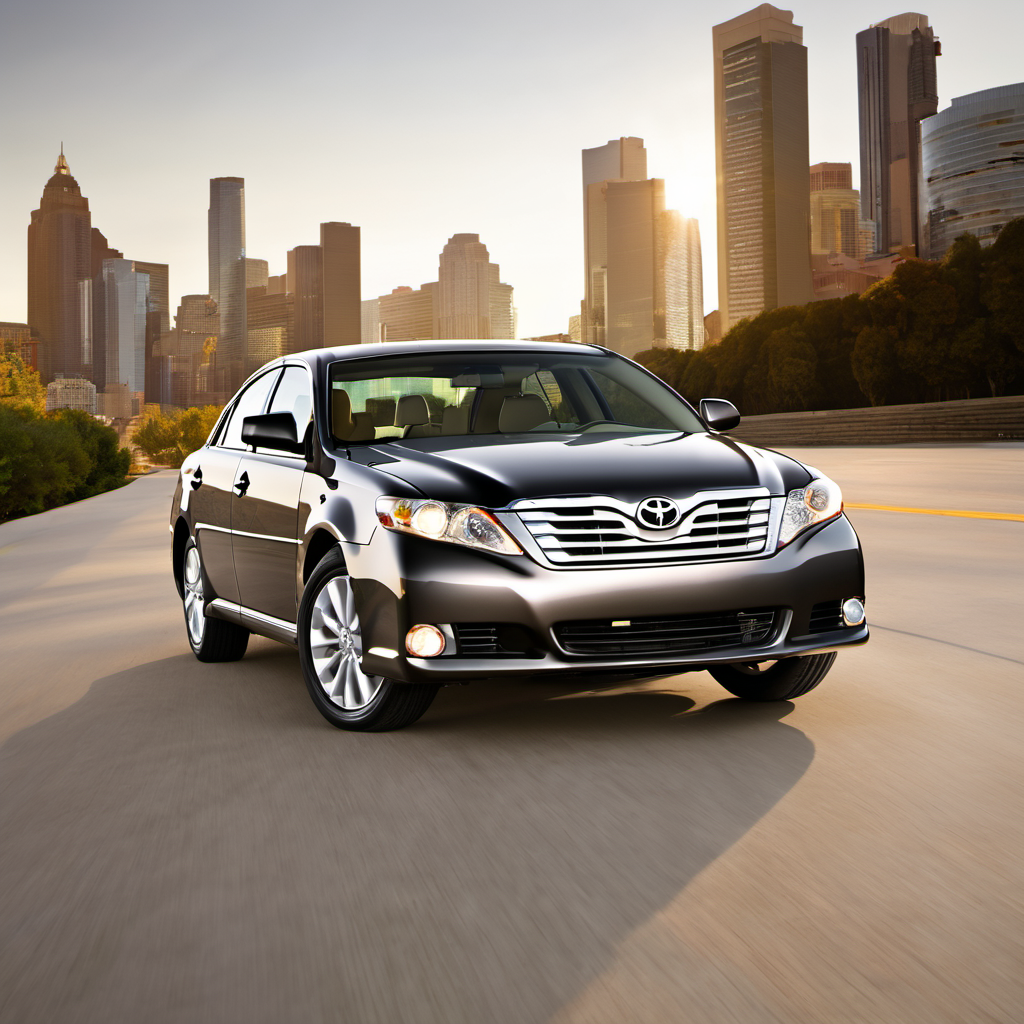
2011 Toyota
Sedan
The 2011 Toyota Avalon is the fourth-generation (XV40) full-size front-wheel-drive sedan, a nameplate Toyota positioned above the Camry to compete with domestic luxury sedans. Powered exclusively by a 3.5L 2GR-FE V6 paired to a 6-speed automatic, it delivers a smooth, quiet ride with genuinely comfortable rear-seat space — a combination that's made it a favorite among buyers who want near-luxury comfort without European repair bills. At this age, the Avalon is squarely in high-mileage territory. The 2GR-FE V6 is one of Toyota's most proven engines and commonly reaches 200,000+ miles with proper oil change discipline. The platform is not sporty, but it was never meant to be — it rewards patient, comfort-focused driving and low ownership costs over time. The XV40 generation (2005–2012) is well-regarded for build quality. Mechanicals are simple and parts are plentiful. At 13–14 years old, you're buying a car that needs age-related maintenance more than anything engine-specific — suspension bushings, brake hardware, coolant, and transmission service are the priority items to verify.
The 2011 Toyota Avalon is the fourth-generation (XV40) full-size front-wheel-drive sedan, a nameplate Toyota positioned above the Camry to compete with domestic luxury sedans. Powered exclusively by a 3.5L 2GR-FE V6 paired to a 6-speed automatic, it delivers a smooth, quiet ride with genuinely comfortable rear-seat space — a combination that's made it a favorite among buyers who want near-luxury comfort without European repair bills. At this age, the Avalon is squarely in high-mileage territory. The 2GR-FE V6 is one of Toyota's most proven engines and commonly reaches 200,000+ miles with proper oil change discipline. The platform is not sporty, but it was never meant to be — it rewards patient, comfort-focused driving and low ownership costs over time. The XV40 generation (2005–2012) is well-regarded for build quality. Mechanicals are simple and parts are plentiful. At 13–14 years old, you're buying a car that needs age-related maintenance more than anything engine-specific — suspension bushings, brake hardware, coolant, and transmission service are the priority items to verify.
The 2GR-FE's VVT-i system is highly sensitive to oil cleanliness. Sludge is the number-one cause of expensive VVT repairs on this engine. Do not stretch intervals.
Toyota's 'lifetime fill' claim is optimistic at this age. Fresh fluid protects clutch packs and prevents shift harshness, especially important on a high-mileage used example where history is unknown.
Degraded coolant becomes acidic and attacks aluminum engine components and the water pump. At 13+ years old, verify this has been done regardless of mileage.
The 2GR-FE uses iridium plugs with a long service life, but worn plugs cause misfires and hurt fuel economy. On a used vehicle, inspect or replace if history is uncertain.
Brake fluid absorbs moisture over time, lowering its boiling point and promoting internal corrosion. Important on Wisconsin cars where brake hardware already faces a salt environment.
Clogged OCV screens are the leading cause of P0012/P0015/P0022/P0025 codes. Cleaning the screens at oil change intervals is cheap insurance against a much larger repair.
Suspension components degrade faster on Wisconsin roads. Worn bushings and struts cause poor handling, abnormal tire wear, and stress on adjacent components.
Salt accumulates on brake lines, fuel lines, and the subframe. An annual flush and inspection catches corrosion early, before lines fail unexpectedly.
Always defer to the manufacturer's service manual for warranty-mandated intervals.
The Avalon is one of the cheaper full-size cars to own at this age. Parts are plentiful and inexpensive, independent shop labor is straightforward, and the drivetrain rarely generates surprise bills when maintained. Budget the higher end of the maintenance range if you're catching up on deferred items in the first year.
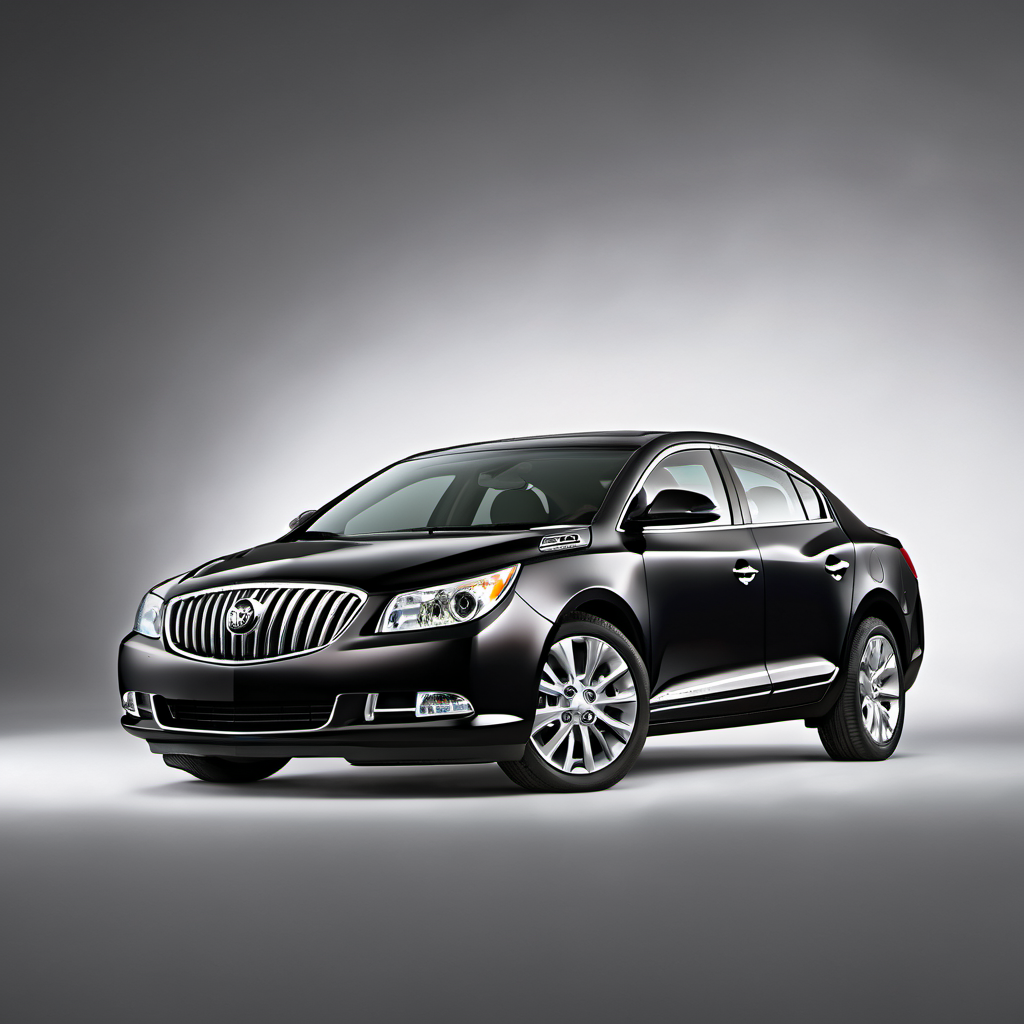
Same full-size FWD comfort-sedan segment, similar used price range, V6-powered, and competes directly on quiet ride and rear-seat space. Domestic alternative with comparable features.
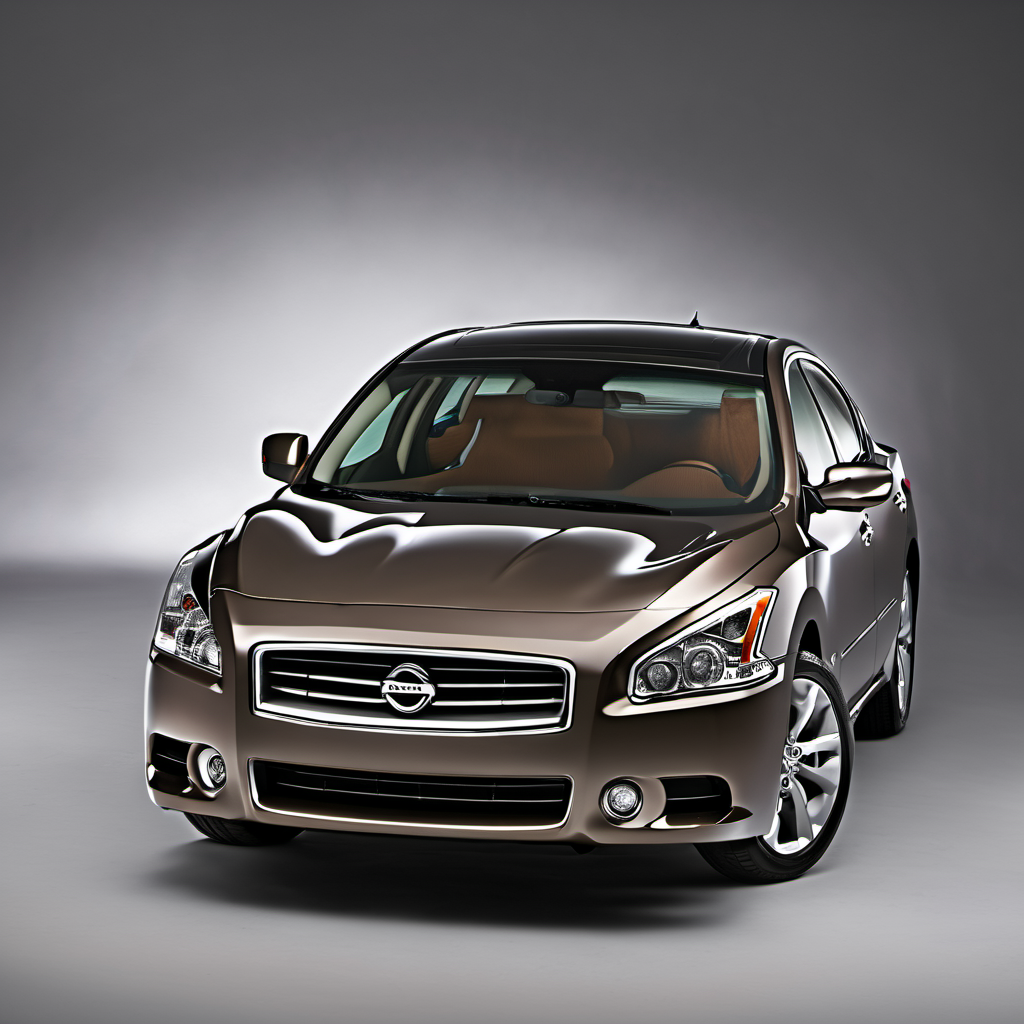
Full-size FWD V6 sedan at a similar price point. Slightly sportier feel than the Avalon, but same mission of refined highway cruising with low running costs.
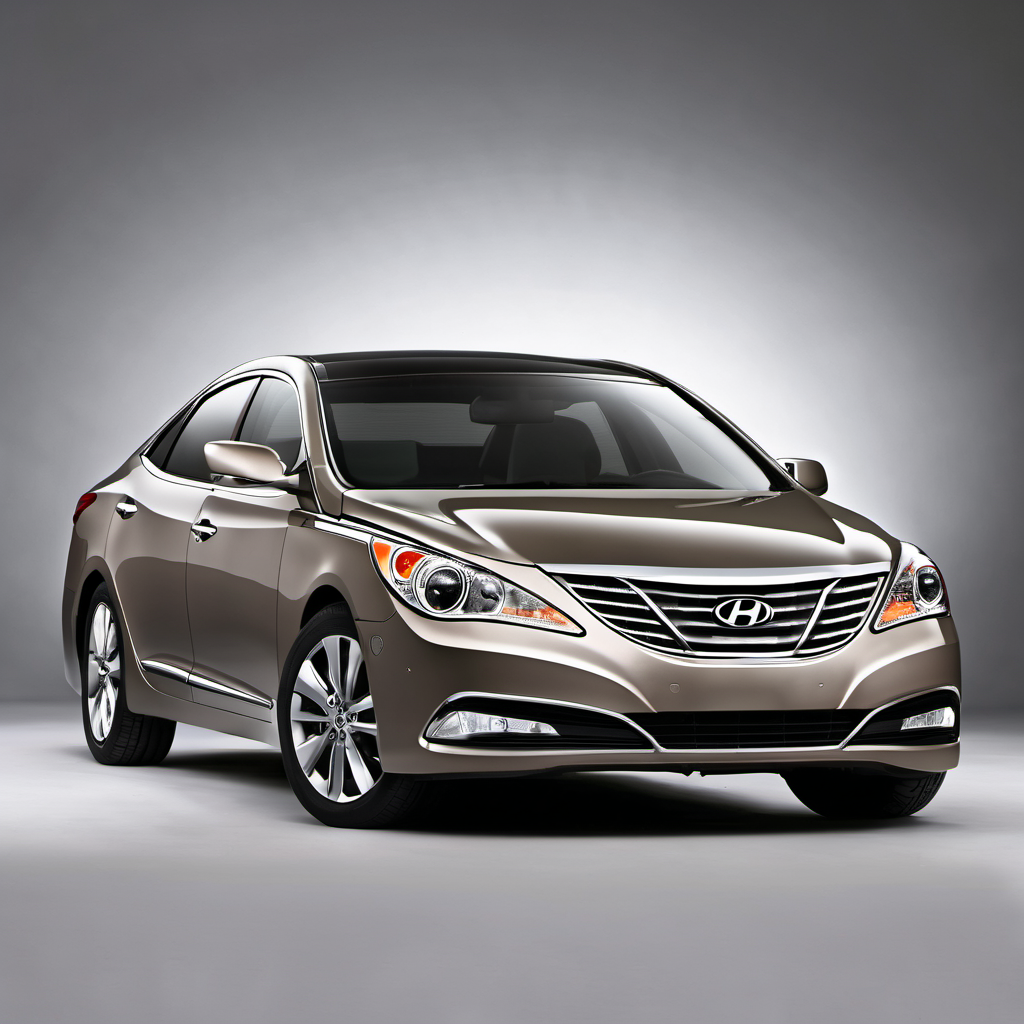
Direct Avalon competitor — full-size FWD V6 sedan with generous interior space and comfort focus. Slightly lower used pricing but comparable feature set.
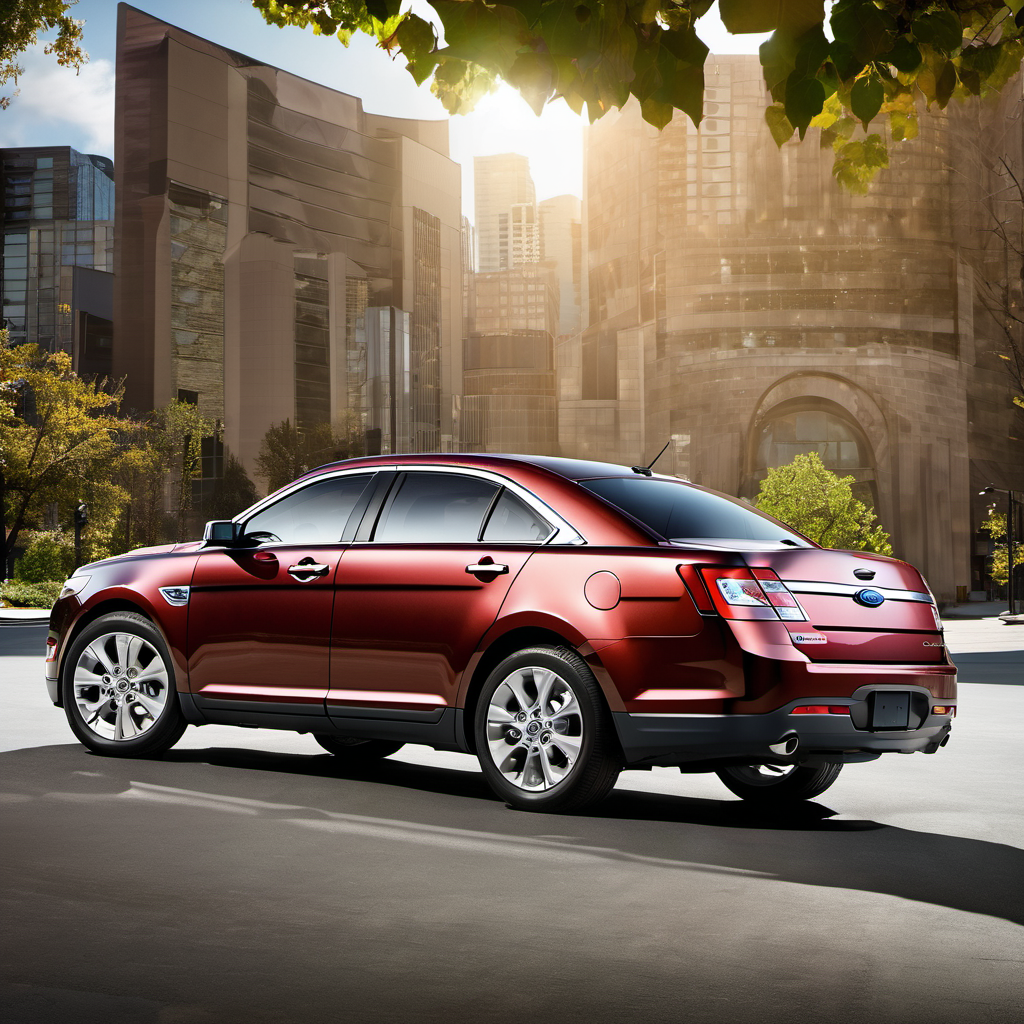
Full-size front-wheel-drive sedan with V6 power and similar comfort orientation. Available with AWD (a winter-climate advantage), though slightly lower long-term reliability reputation.