VVT Solenoid / Oil Control Valve Failure (Pentastar 3.6L)
high- Typically appears
- 60–120k mi
- Estimated repair
- $150 – $450
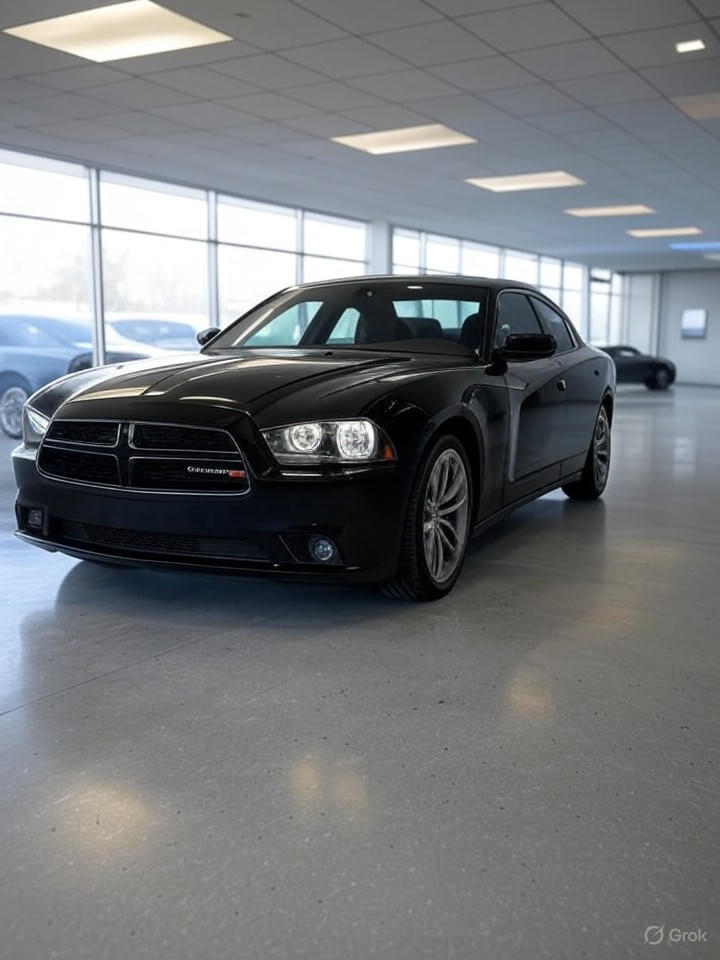
2011 Dodge
Sedan
The 2011 Dodge Charger is the second model year of the fifth-generation (LX platform) redesign that debuted in 2011. It's a full-size rear-wheel-drive sedan that blends old-school American muscle character with a proper four-door body — a rare combination in its segment. The base engine that year is the 3.6L Pentastar V6, a brand-new engine for Chrysler at the time, replacing the aging 2.7L and 3.5L units. It delivers a healthy 292 hp while returning decent fuel economy for the class. The Charger sits on a stretched version of the same LX platform shared with the 300 and Challenger. It's a big, heavy car — built for highway cruising and street presence more than canyon carving. The interior took a big step forward for Dodge in 2011 with significantly improved materials and the introduction of the UConnect infotainment system. For a used buyer in the upper Midwest, the Pentastar V6 models are the sweet spot: the engine proved durable once early VVT oil-sludge concerns were addressed, parts are plentiful, and independent shops can service them without much drama. The main caution is the RWD platform — it requires real winter tires in Wisconsin, not all-season compromises.
The 2011 Dodge Charger is the second model year of the fifth-generation (LX platform) redesign that debuted in 2011. It's a full-size rear-wheel-drive sedan that blends old-school American muscle character with a proper four-door body — a rare combination in its segment. The base engine that year is the 3.6L Pentastar V6, a brand-new engine for Chrysler at the time, replacing the aging 2.7L and 3.5L units. It delivers a healthy 292 hp while returning decent fuel economy for the class. The Charger sits on a stretched version of the same LX platform shared with the 300 and Challenger. It's a big, heavy car — built for highway cruising and street presence more than canyon carving. The interior took a big step forward for Dodge in 2011 with significantly improved materials and the introduction of the UConnect infotainment system. For a used buyer in the upper Midwest, the Pentastar V6 models are the sweet spot: the engine proved durable once early VVT oil-sludge concerns were addressed, parts are plentiful, and independent shops can service them without much drama. The main caution is the RWD platform — it requires real winter tires in Wisconsin, not all-season compromises.
The Pentastar's VVT system is extremely oil-condition sensitive. Sludge from extended intervals is the #1 cause of expensive VVT and camshaft damage on this engine. Use full synthetic and don't push it.
Chrysler lists this as 'lifetime' fluid but that's an optimistic rating. On a used car with unknown history, a fresh ATF flush buys significant transmission longevity. Dark or burnt-smelling fluid means do it immediately.
DOT 3/4 fluid absorbs moisture over time, lowering its boiling point. In Wisconsin winters, moisture in lines also contributes to internal corrosion of calipers and ABS components.
Lake Geneva roads are heavily salted. Catching surface rust on steel lines early allows preventive replacement at low cost. Waiting until a line fails is dangerous and more expensive.
Chrysler uses HOAT/OAT coolant. Do not mix with green conventional coolant — it causes gel deposits that clog the heater core and thermostat housing.
The Pentastar's coil-on-plug ignition system is reliable but worn plugs increase misfire risk and slightly raise the odds of a coil failure from the extra load.
RWD cars develop uneven rear tire wear, especially if any spirited driving occurs. Regular rotation maximizes tire life and ensures balanced winter traction.
Cold cranking amps drop sharply below 20°F. The Charger's large displacement engine needs a healthy battery to start reliably in a Wisconsin winter. A battery over 4 years old should be tested or replaced proactively.
Always defer to the manufacturer's service manual for warranty-mandated intervals.
The 2011 Charger V6 is a moderate-cost car to maintain when nothing goes wrong. The Pentastar engine and W5A580 transmission are served by relatively affordable parts. The real financial risk is deferred maintenance catching up — VVT damage from neglected oil changes or a failed TIPM can quickly push a repair into $1,000+ territory. Budget for underbody work if buying a salt-belt example with 80k+ miles. Overall, a well-maintained car runs $700–$1,100/year in routine service at an independent shop.
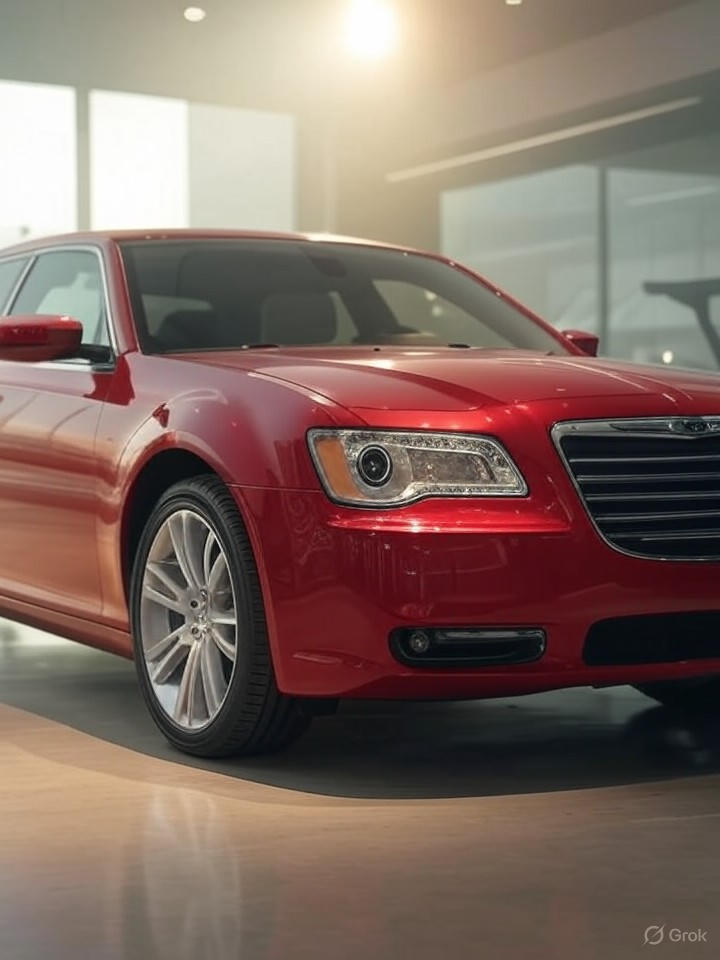
Shares the identical LX platform, Pentastar V6, and transmission. Slightly more upscale interior trim, similar pricing, same maintenance costs — essentially a Charger in a suit. Good alternative if you want four doors without the sport styling.
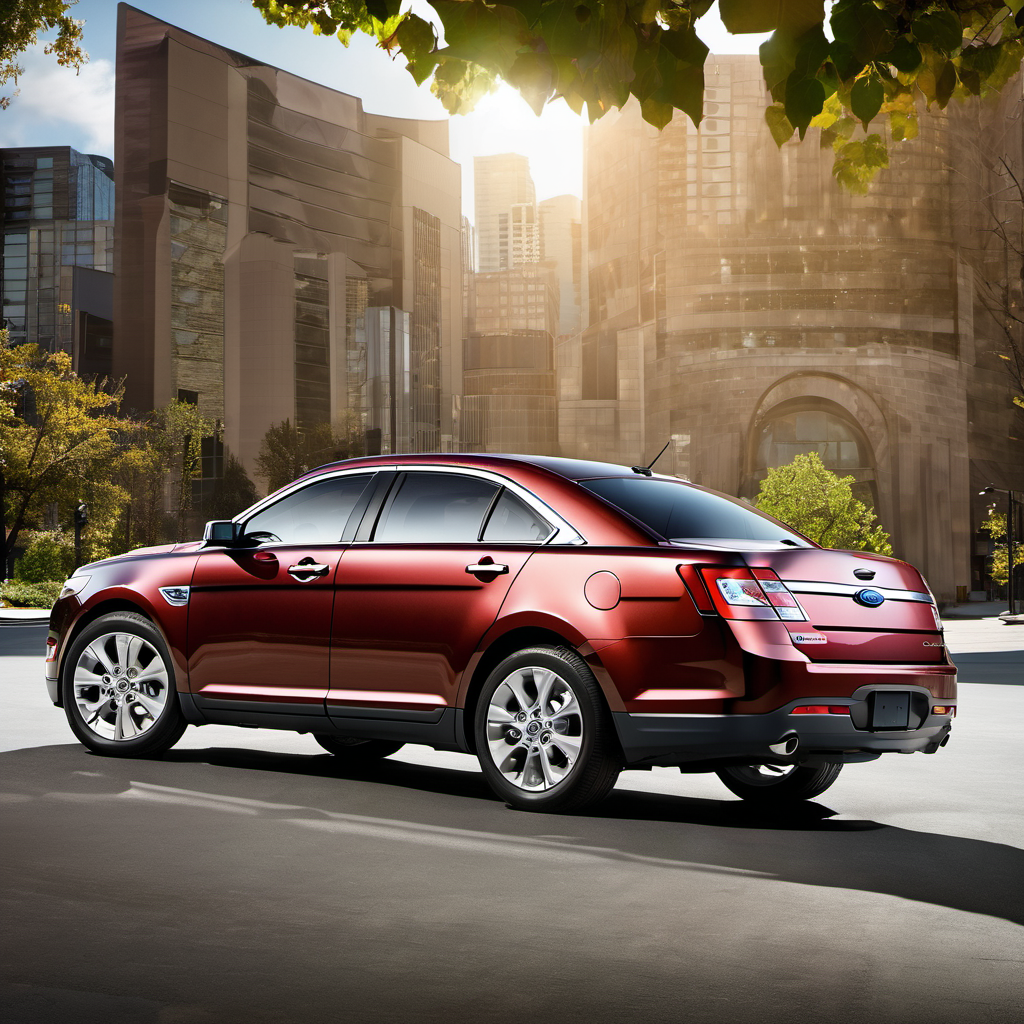
Full-size FWD/AWD sedan at a similar price point. The AWD SHO is a performance variant. Better winter traction in base FWD/AWD form, but lacks the Charger's muscle-car character and driving feel.
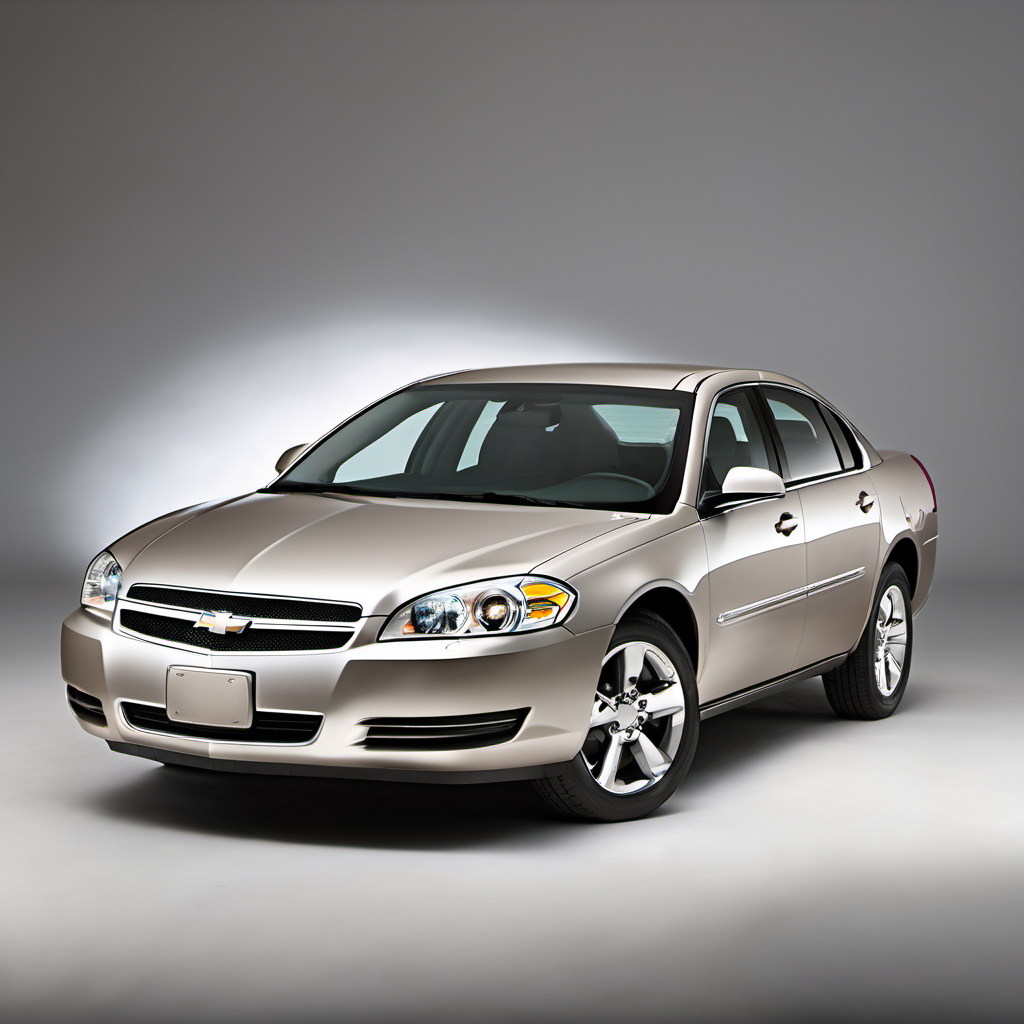
Full-size FWD sedan competitor. More practical winter car due to front-wheel drive. Lower performance ceiling but solid reliability record and typically cheaper to insure. Good for buyers who want the big-sedan space without the RWD winter tax.
RWD full-size luxury-adjacent sedan at a similar used price. Available with V6 or V8. More refined interior than the Charger but much less aftermarket support and parts can be harder to source at independent shops.