VVT Oil Control Valve / Camshaft Actuator Failure
high- Typically appears
- 60–120k mi
- Estimated repair
- $200 – $600
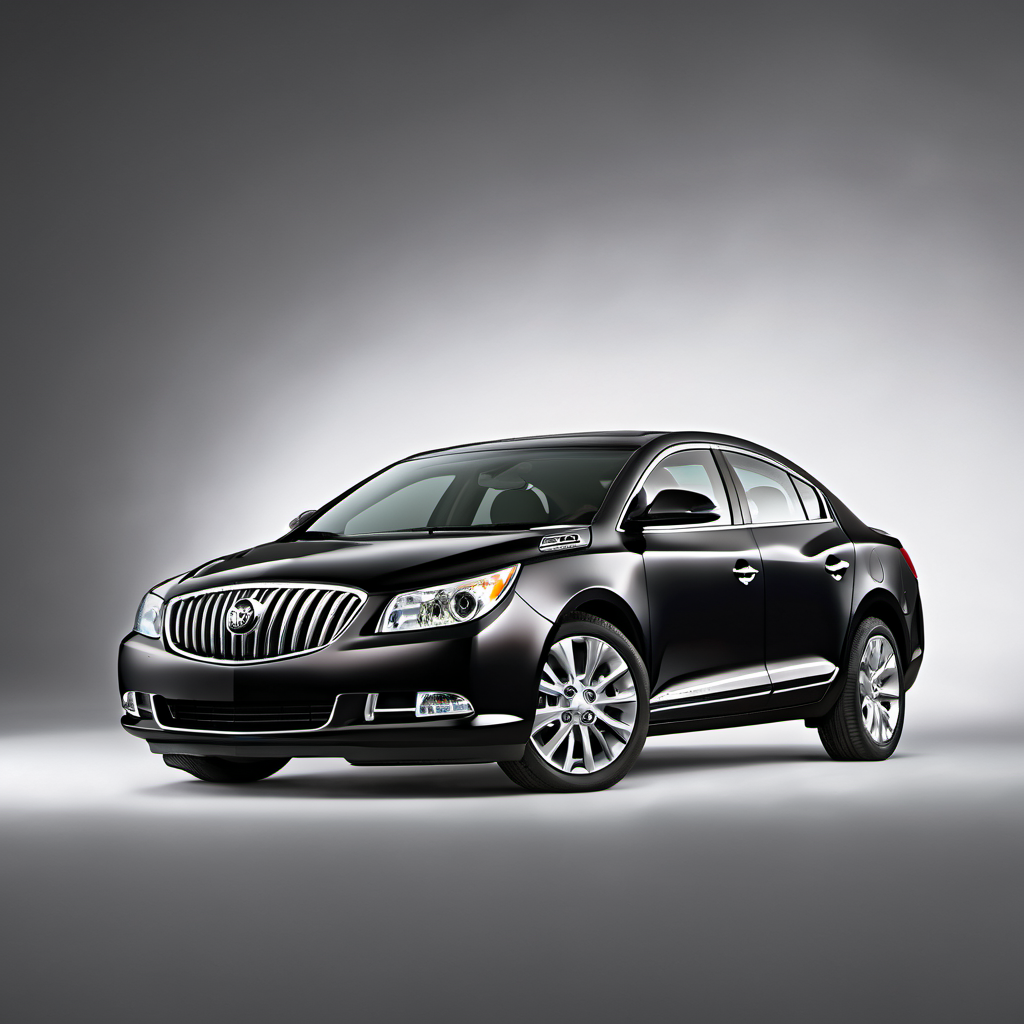
2011 Buick
Sedan
The 2011 Buick LaCrosse is the second-generation version of GM's flagship front-wheel-drive sedan, redesigned from the ground up on the Epsilon II platform. It replaced the older W-body LaCrosse and brought a significant leap in refinement, ride quality, and interior materials — a genuine step toward European-style luxury at a domestic price. The base powertrain is the 2.4L SIDI (Spark Ignition Direct Injection) four-cylinder paired with a 6-speed automatic, while upper trims offered a 3.6L V6 or the eAssist mild-hybrid system. In the Lake Geneva area, this car's quiet cabin, comfortable ride, and reasonable highway fuel economy make it a popular choice for retired buyers and highway commuters alike. It's a big, heavy sedan that handles Wisconsin winters adequately on good tires, though its low ground clearance and FWD setup mean deep snow should be avoided. Ownership costs are modest when the car is maintained properly. The 2.4L SIDI engine has some known carbon buildup tendencies common to direct-injection fours of this era, and the VVT (variable valve timing) system demands clean oil to stay healthy. Stay on top of oil changes and this car can easily reach 150k+ miles without major drama.
The 2011 Buick LaCrosse is the second-generation version of GM's flagship front-wheel-drive sedan, redesigned from the ground up on the Epsilon II platform. It replaced the older W-body LaCrosse and brought a significant leap in refinement, ride quality, and interior materials — a genuine step toward European-style luxury at a domestic price. The base powertrain is the 2.4L SIDI (Spark Ignition Direct Injection) four-cylinder paired with a 6-speed automatic, while upper trims offered a 3.6L V6 or the eAssist mild-hybrid system. In the Lake Geneva area, this car's quiet cabin, comfortable ride, and reasonable highway fuel economy make it a popular choice for retired buyers and highway commuters alike. It's a big, heavy sedan that handles Wisconsin winters adequately on good tires, though its low ground clearance and FWD setup mean deep snow should be avoided. Ownership costs are modest when the car is maintained properly. The 2.4L SIDI engine has some known carbon buildup tendencies common to direct-injection fours of this era, and the VVT (variable valve timing) system demands clean oil to stay healthy. Stay on top of oil changes and this car can easily reach 150k+ miles without major drama.
The 2.4L SIDI's VVT system is oil-pressure dependent. Sludgy or degraded oil is the #1 cause of costly VVT solenoid and actuator failures on this engine. Shorter intervals are cheap insurance. Drain plug torque: 18 ft-lb.
Direct injection means no fuel washing the intake valves. Carbon buildup is a when, not an if. Early inspection lets you catch it before it causes noticeable performance issues.
GM rates this as 'lifetime' fluid, but real-world experience says otherwise. Fresh fluid at 50k intervals keeps the 6T70/6T75 shifting smoothly and extends its life significantly.
DEX-COOL has a long service life but does degrade. Old coolant becomes acidic and attacks gaskets and the water pump. Don't mix it with green coolant.
Brake fluid absorbs moisture over time. In Wisconsin winters, moisture in the lines can contribute to corrosion from the inside out — especially on an already salt-exposed undercarriage.
Road salt accumulates in hidden areas and accelerates brake line and subframe corrosion. A thorough undercarriage wash after winter and an inspection every fall before the salt returns is the single best thing you can do for long-term safety on a Wisconsin car.
A clogged cabin filter reduces HVAC airflow and puts strain on the blower motor. Easy DIY job on this car and cheap insurance against a blower motor replacement.
The LaCrosse has a large electrical load from its comfort features. A battery that 'seems fine' in September can fail at -10°F in January. Test it every fall; replace proactively if it's 4+ years old.
Always defer to the manufacturer's service manual for warranty-mandated intervals.
Annual maintenance on a well-kept LaCrosse runs $500–$1,100 in a normal year — oil changes, filters, and wear items. Budget an extra $400–$900 every 2–3 years for brake work, tires, and struts as the car ages. The big wildcard is undercarriage corrosion and VVT repairs if maintenance was deferred; those can push a single year's costs to $2,000+. Buy a clean-history car and stay on schedule and this is an affordable used luxury sedan to own.
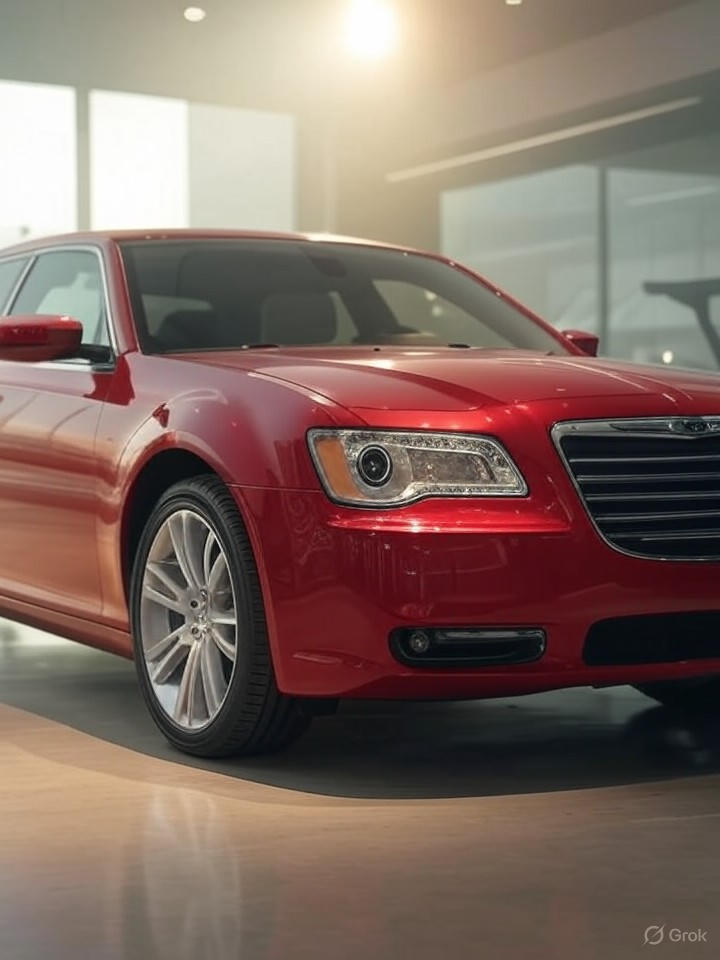
Similarly priced domestic near-luxury sedan from the same era. RWD-based platform gives it a different character — sportier feel but less traction in Wisconsin winters without winter tires.
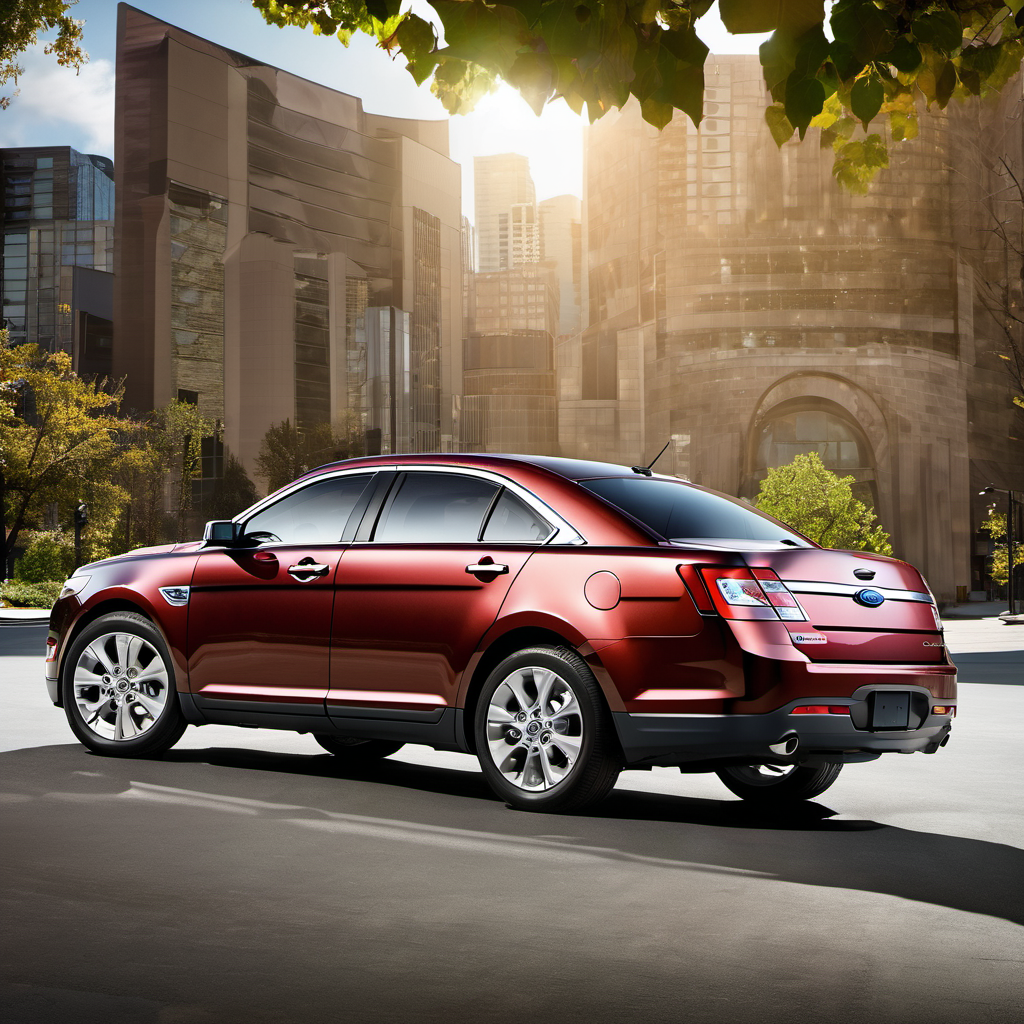
FWD full-size sedan at a similar price point. Shares the comfortable highway ride mission; slightly more cargo space, less premium interior feel than the LaCrosse.
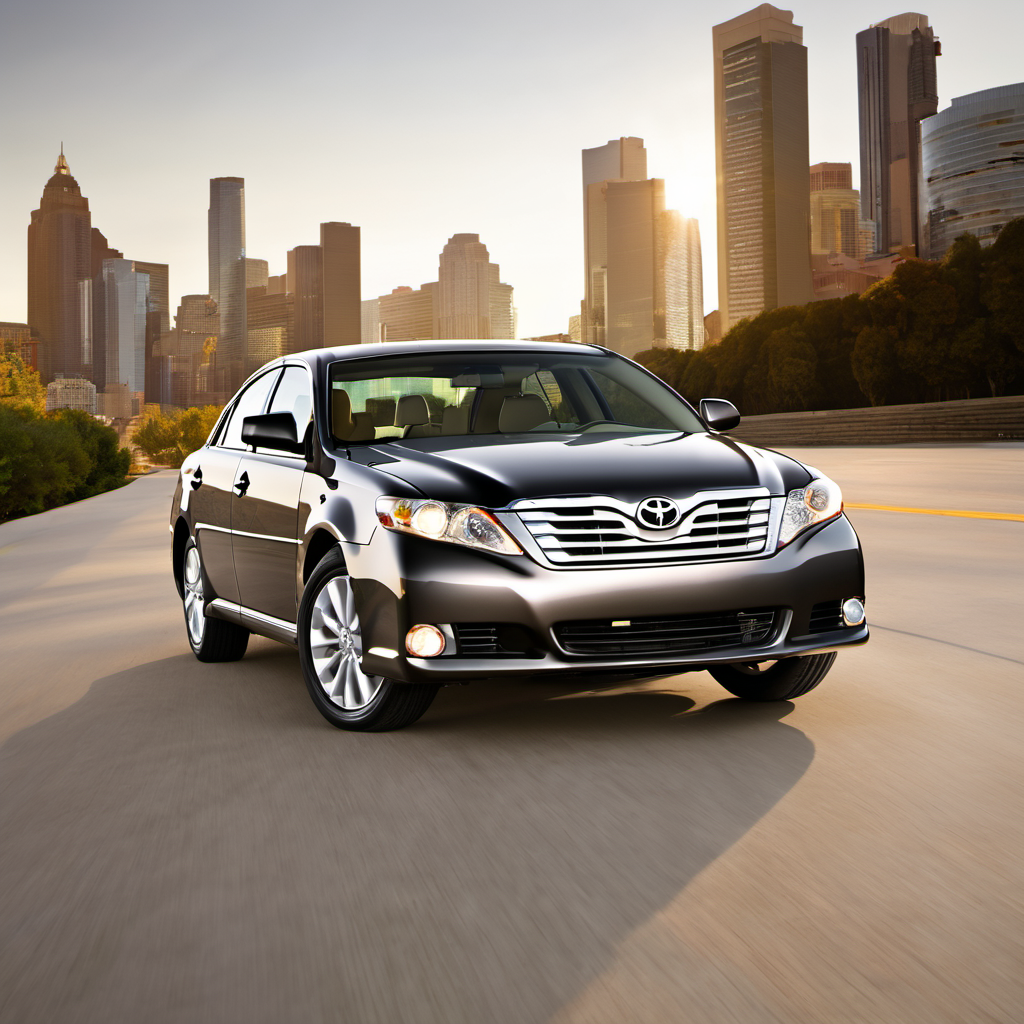
The reliability benchmark in this segment. More expensive to buy used but historically lower long-term repair costs. FWD, similarly quiet cabin, strong resale value.
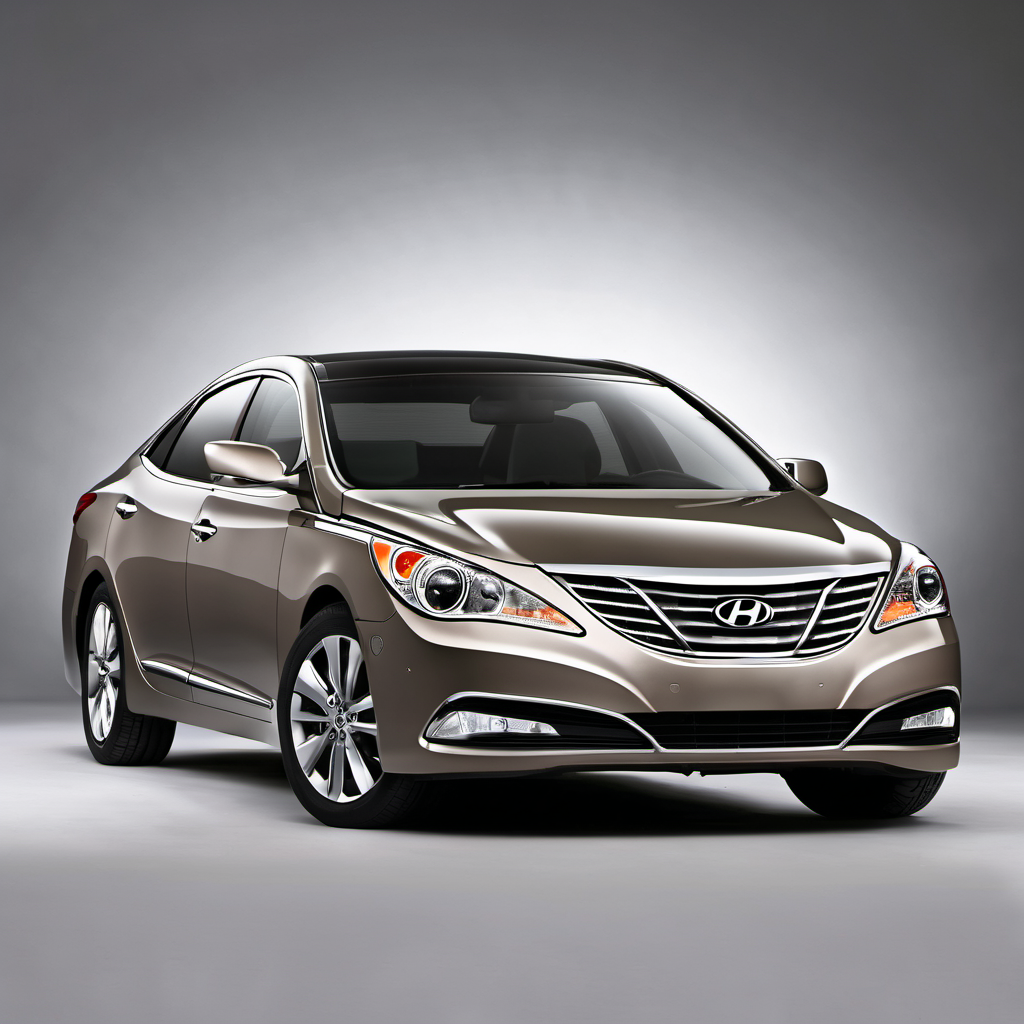
A genuine sleeper in this class — well-equipped, comfortable, FWD, and priced below the LaCrosse used. Fewer known engine issues than the 2.4L SIDI but a less recognized name.