Head Gasket Failure (EJ253 2.5L)
high- Typically appears
- 80–150k mi
- Estimated repair
- $1,200 – $2,200
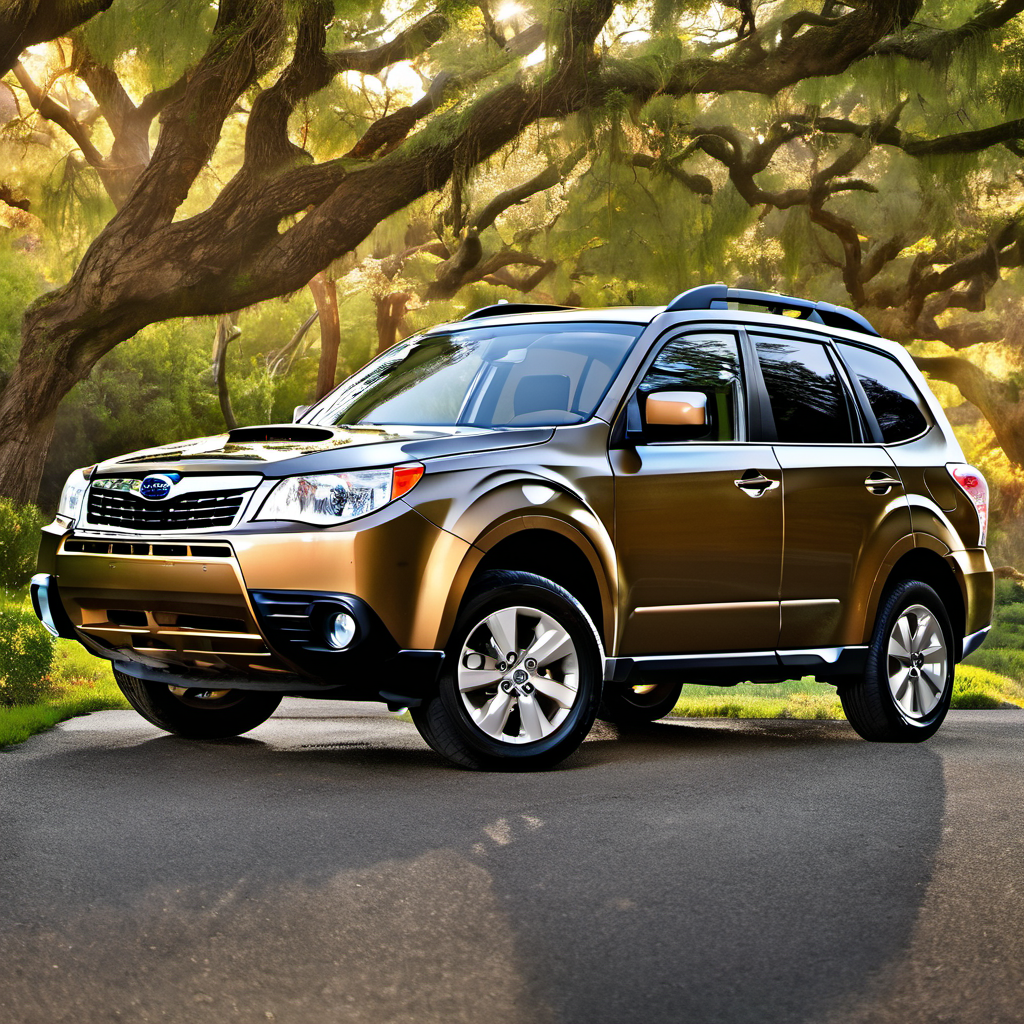
2011 Subaru
2.5L 4-cylinder Boxer · SUV
The 2011 Subaru Forester is a compact SUV built around Subaru's signature symmetrical all-wheel drive and horizontally-opposed (boxer) four-cylinder engine. It sits in a sweet spot between a car-based crossover and a small SUV — tall enough for real cargo space and decent ground clearance, yet easy to drive and park like a sedan. This generation (2009–2013) is widely regarded as a return to the Forester's practical roots after a brief styling detour, and it earned strong loyalty among outdoor enthusiasts and families alike. The 2.5L naturally aspirated boxer engine paired with a 4-speed automatic is smooth and adequate for everyday driving, though it's no hot rod. The full-time AWD system is a genuine advantage in Wisconsin winters — it's not a part-time system that needs to be engaged; it's always working. Ground clearance of 8.7 inches means snow ruts and rutted unpaved roads are manageable without any special equipment. This generation does carry some well-documented ownership concerns — head gasket issues on the 2.5L EJ engine have followed Subaru for years, and the 2011 model year is not entirely immune, though Subaru made improvements. Budget for that possibility on any used example, especially those with higher mileage or unknown service history.
The 2011 Subaru Forester is a compact SUV built around Subaru's signature symmetrical all-wheel drive and horizontally-opposed (boxer) four-cylinder engine. It sits in a sweet spot between a car-based crossover and a small SUV — tall enough for real cargo space and decent ground clearance, yet easy to drive and park like a sedan. This generation (2009–2013) is widely regarded as a return to the Forester's practical roots after a brief styling detour, and it earned strong loyalty among outdoor enthusiasts and families alike. The 2.5L naturally aspirated boxer engine paired with a 4-speed automatic is smooth and adequate for everyday driving, though it's no hot rod. The full-time AWD system is a genuine advantage in Wisconsin winters — it's not a part-time system that needs to be engaged; it's always working. Ground clearance of 8.7 inches means snow ruts and rutted unpaved roads are manageable without any special equipment. This generation does carry some well-documented ownership concerns — head gasket issues on the 2.5L EJ engine have followed Subaru for years, and the 2011 model year is not entirely immune, though Subaru made improvements. Budget for that possibility on any used example, especially those with higher mileage or unknown service history.
The EJ253 boxer is sensitive to oil quality and level. Low or degraded oil accelerates head gasket and piston ring wear. Check the dipstick monthly — don't wait for the light.
Contaminated or low coolant is the primary trigger for head gasket failure on this engine. Use Subaru Super Coolant or equivalent and make sure the overflow reservoir is at the correct level.
The 4-speed automatic holds up well when fluid is fresh. Neglected fluid darkens, loses viscosity, and causes shudder or slipping — especially in cold Wisconsin starts.
Iridium plugs are recommended. Worn plugs on the boxer cause misfires that stress the catalytic converter and reduce fuel economy noticeably.
The AWD system depends on clean, properly viscous fluid in the rear differential and transfer case. Skipping this service is a common cause of AWD binding and premature clutch pack wear.
The EJ253 is an interference engine. A snapped timing belt destroys the engine. Replace it on schedule; if belt history is unknown on a used purchase, replace immediately.
Subaru's ABS and AWD systems are hard on brake fluid hygroscopically. Old fluid lowers boiling point and invites corrosion in ABS modulators — more common in humid Midwest climates.
Lake Geneva road salt is extremely corrosive. The subframe, brake lines, and exhaust hangers are the first to go. Catching rust early saves hundreds versus waiting until structural repair is needed.
Always defer to the manufacturer's service manual for warranty-mandated intervals.
The Forester is an affordable vehicle to maintain when nothing goes wrong — routine service costs are modest and parts are widely available. The wildcard is the head gasket: a $1,500–$2,200 repair that's almost a 'when, not if' on high-mileage examples. Budget for it, or buy a vehicle that already has documented head gasket work. Outside of that, annual costs are predictable and lower than most compact SUV competitors.
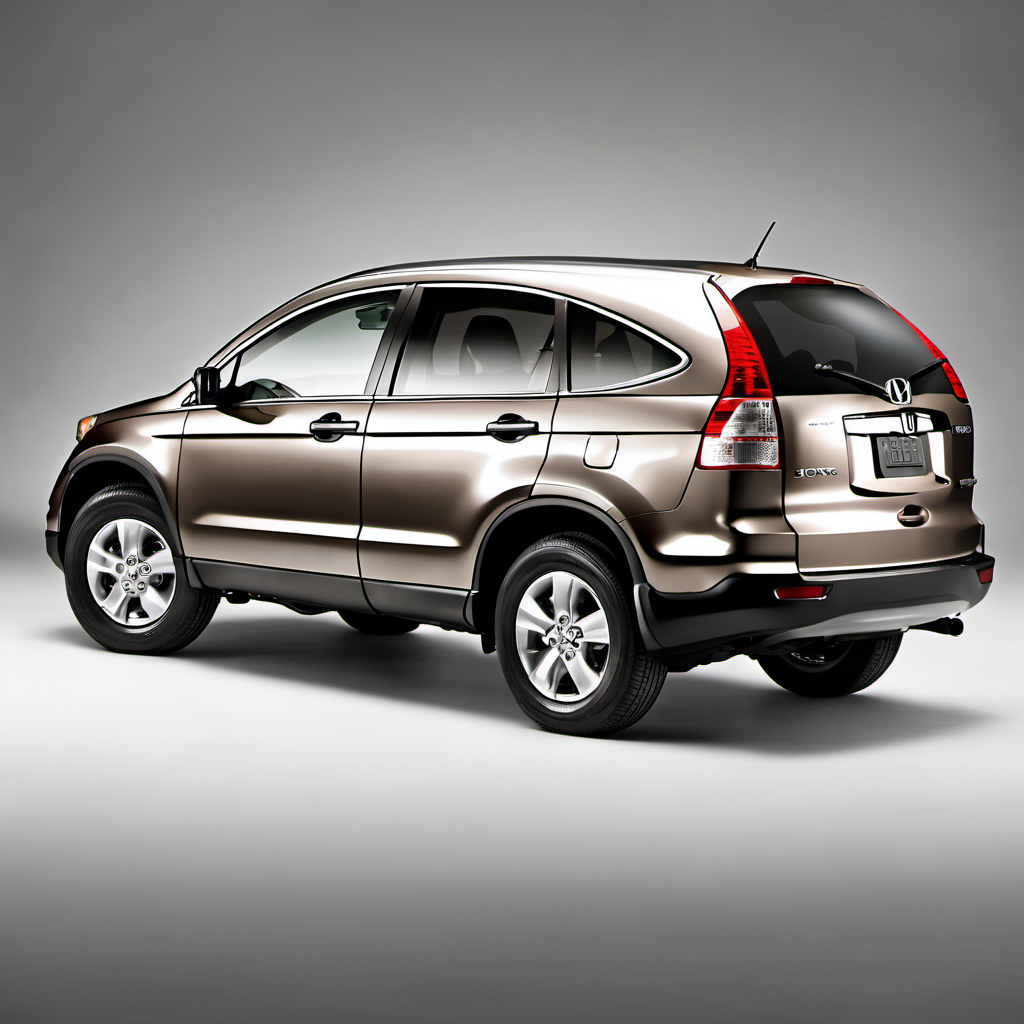
Same compact SUV footprint and price band, strong reliability reputation, but uses a real-time AWD system (less capable in deep snow than Subaru's full-time AWD). More refined interior.
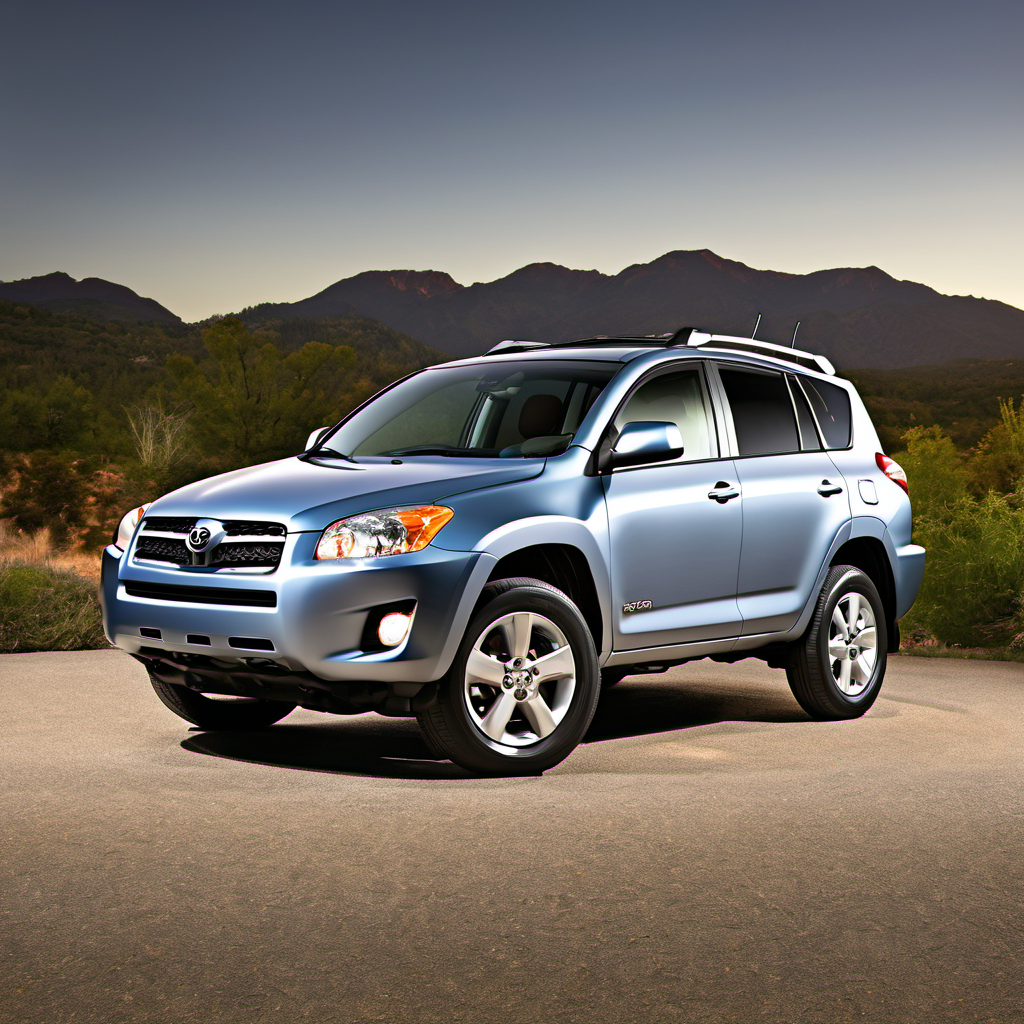
Direct segment competitor with similar pricing and strong long-term reliability. Available with V6 for more power. AWD is part-time on base trims vs. Forester's standard full-time system.
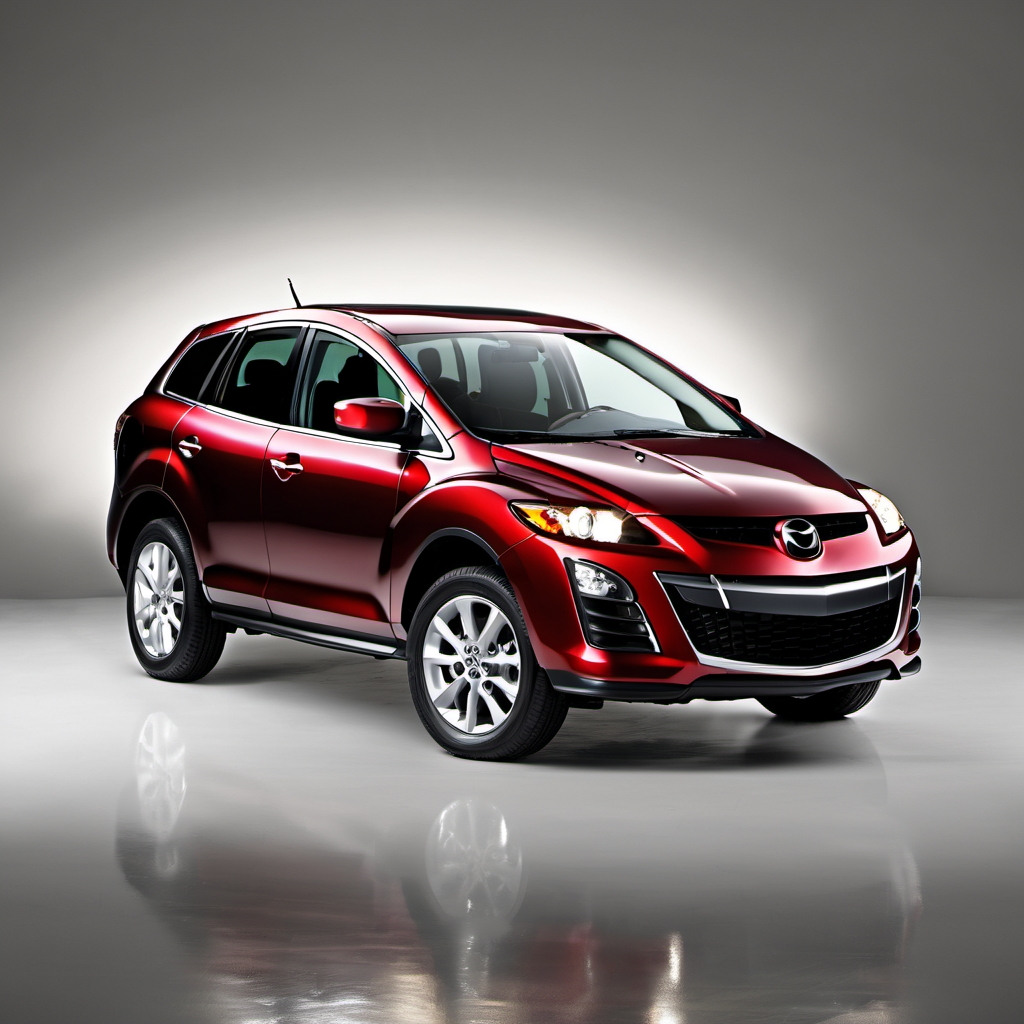
Similar size and mission, sporty drive feel, available AWD. The turbocharged engine adds complexity and maintenance cost; naturally-aspirated 2.5L version is the more practical choice for comparison.
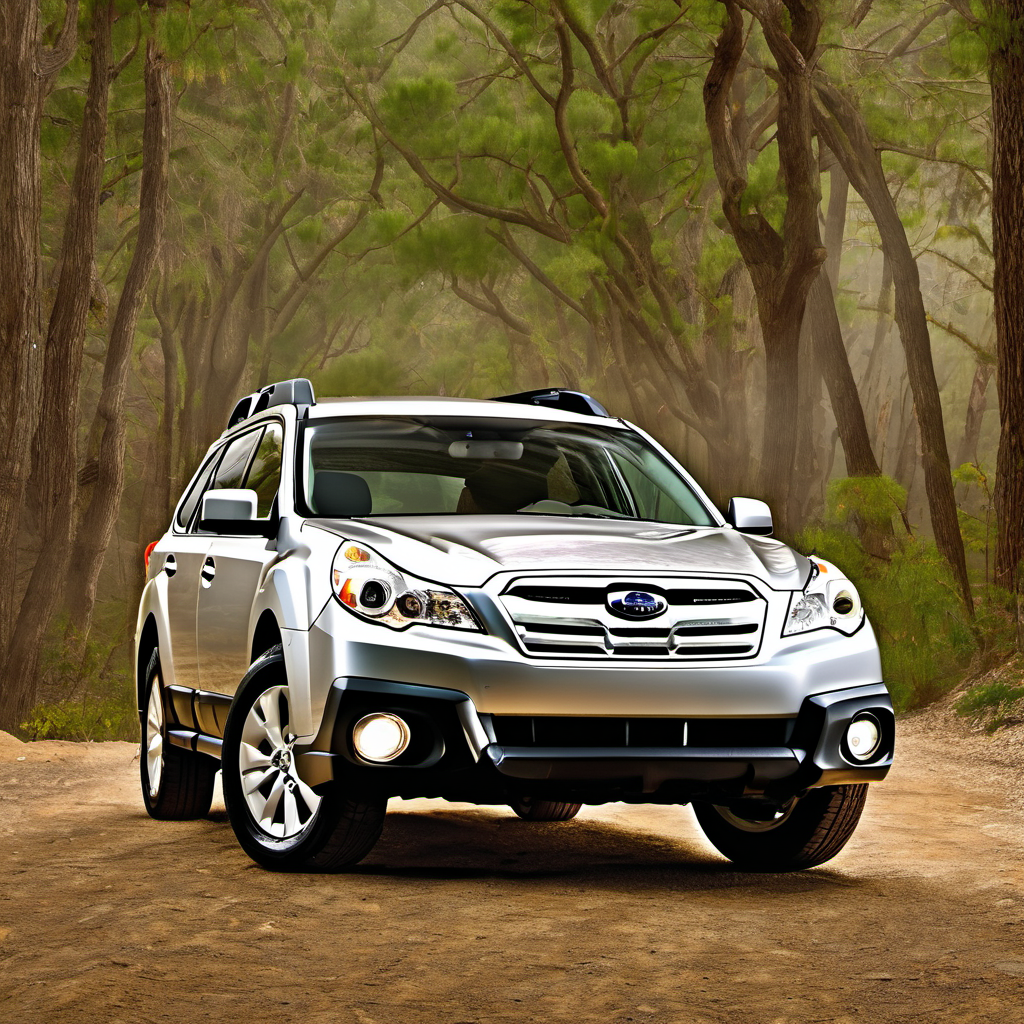
Same EJ253 engine and AWD platform as the Forester in a wagon body. More road-trip comfort and cargo space; slightly lower ground clearance. Worth cross-shopping if highway miles dominate.