VVT-i Oil Sludge / Camshaft Timing Faults
medium- Typically appears
- 80–150k mi
- Estimated repair
- $400 – $1,800
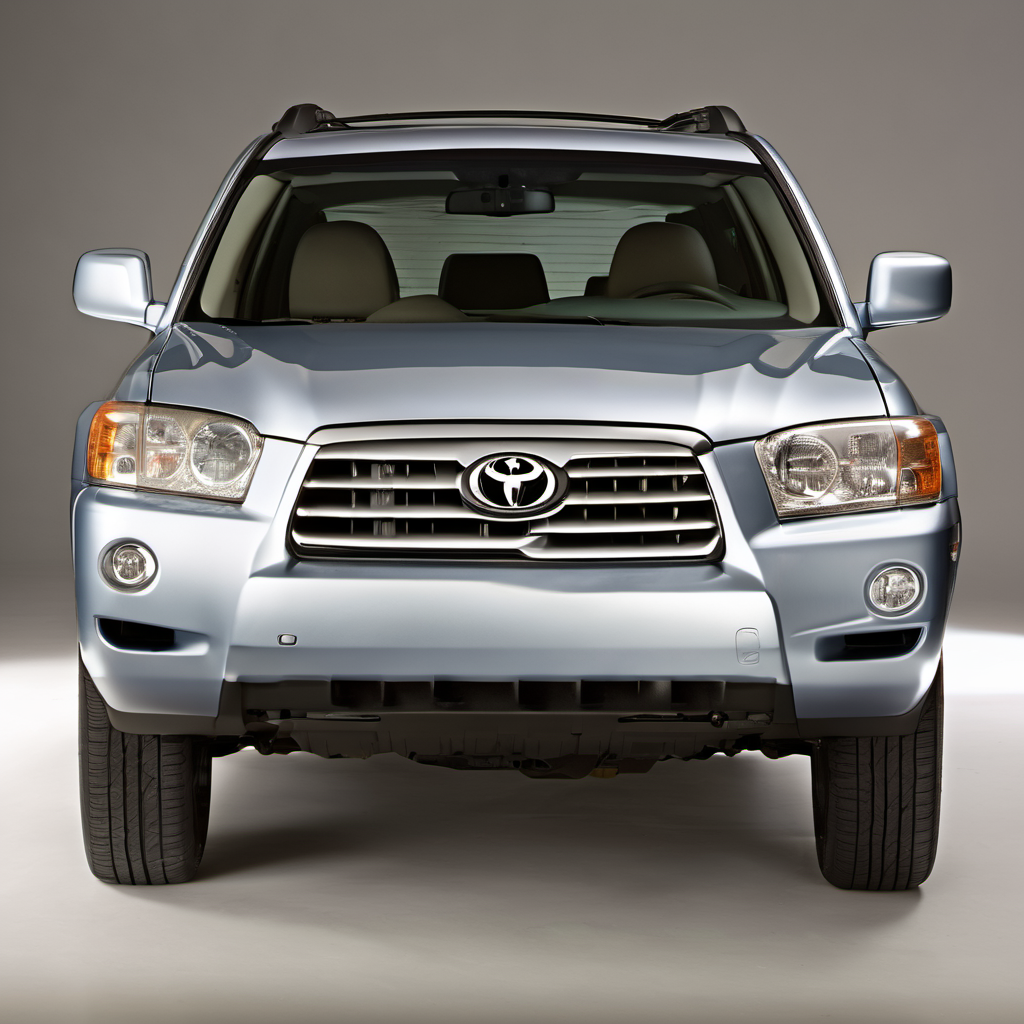
2007 Toyota
SUV
The 2007 Toyota Highlander is a mid-size crossover SUV built on Toyota's car-based platform, offering a comfortable ride and a reputation for long-term reliability that Toyota is known for. This second-generation Highlander (2008 was the full redesign, so 2007 is the tail end of the first gen) seats up to 7 with an optional third row, and strikes a balance between family practicality and manageable size. With the 2.4L four-cylinder, you get adequate around-town performance and decent fuel economy for the class — though most buyers opted for the V6 for more confident highway merging. This generation Highlander has aged well. The body holds up against rust better than domestic competitors of the same era, and the drivetrain is generally straightforward to maintain. It isn't flashy, but owners tend to keep them a long time — 200k-mile examples are not unusual with routine maintenance. For Lake Geneva-area drivers, the FWD four-cylinder is workable in winter with a good set of snow tires, but be aware that AWD was a popular and more confidence-inspiring option on this platform. If you're considering a used example, check whether AWD was ordered — it significantly changes winter capability.
The 2007 Toyota Highlander is a mid-size crossover SUV built on Toyota's car-based platform, offering a comfortable ride and a reputation for long-term reliability that Toyota is known for. This second-generation Highlander (2008 was the full redesign, so 2007 is the tail end of the first gen) seats up to 7 with an optional third row, and strikes a balance between family practicality and manageable size. With the 2.4L four-cylinder, you get adequate around-town performance and decent fuel economy for the class — though most buyers opted for the V6 for more confident highway merging. This generation Highlander has aged well. The body holds up against rust better than domestic competitors of the same era, and the drivetrain is generally straightforward to maintain. It isn't flashy, but owners tend to keep them a long time — 200k-mile examples are not unusual with routine maintenance. For Lake Geneva-area drivers, the FWD four-cylinder is workable in winter with a good set of snow tires, but be aware that AWD was a popular and more confidence-inspiring option on this platform. If you're considering a used example, check whether AWD was ordered — it significantly changes winter capability.
The 2.4L VVT-i engine is highly sensitive to oil quality. Sludge buildup from extended intervals is the single biggest killer of this engine. Use a quality 5W-30 conventional or synthetic and stick to the schedule.
The 2.4L 2AZ-FE is an interference engine with a timing chain, not a belt — but the chain tensioner and guides should be inspected at high mileage. If the engine rattles on cold start, prioritize this immediately.
At 17+ years old, original hoses are on borrowed time. Wisconsin's temperature swings accelerate cracking. A failed hose means an instant overheat — inspect every fall before winter sets in.
Brake fluid is hygroscopic and absorbs moisture over time, lowering the boiling point. Critical for safe winter braking on icy roads.
Toyota's 4-speed automatic is durable but benefits from clean fluid. Many used examples have never had this done — fresh fluid prevents shudder and premature solenoid wear.
Cold temperatures thicken grease and make plastic actuator components brittle. A quick lubrication pass each fall extends actuator life and prevents frozen doors.
Lake Geneva roads are heavily salted. This generation Highlander holds up reasonably well, but 17-year-old frame brackets, brake lines, and fuel lines need visual inspection every spring. Treat any bare metal with rust inhibitor promptly.
Worn plugs cause rough cold starts — miserable in a Wisconsin winter. Fresh plugs also help the VVT-i system operate at its best by ensuring clean combustion.
Always defer to the manufacturer's service manual for warranty-mandated intervals.
The 2007 Highlander 4-cylinder is a cost-effective vehicle to own compared to its original price. Routine maintenance is inexpensive — parts are widely available and the 2.4L is a familiar engine for independent shops. The main budget risk is deferred maintenance catching up: a sludged engine or neglected cooling system can turn a $5,000 purchase into a $3,000 repair bill. Buy a clean, well-documented example and costs stay very manageable.
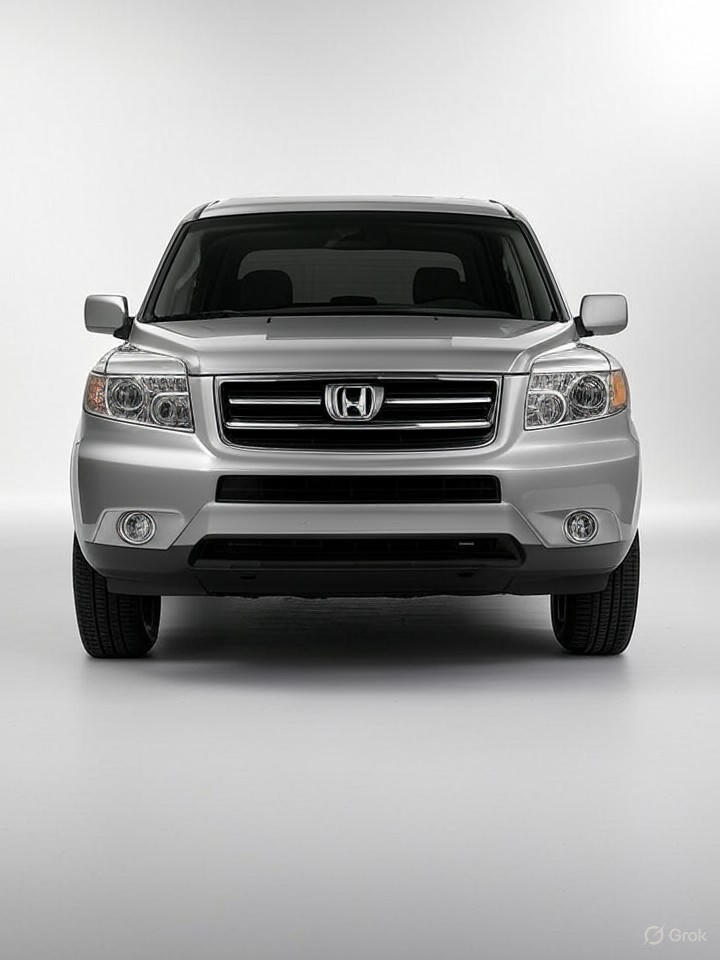
Same era, similar family-SUV mission, comparable reliability reputation. The Pilot offers standard V6 power and standard AWD on most trims — a tangible advantage for Wisconsin winters over the Highlander 4-cylinder FWD.

Larger, body-on-frame feel with available AWD. More truck-capable but less refined than the Highlander. Generally cheaper to buy used but higher maintenance costs and lower reliability scores.
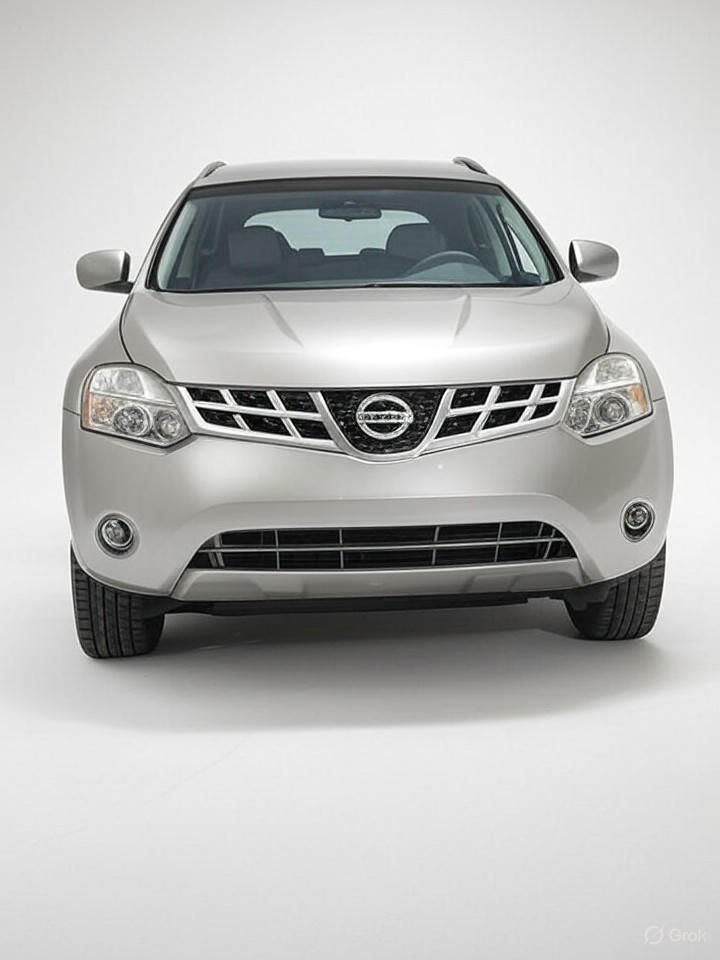
Car-based crossover in the same price bracket with a stronger standard V6 and AWD. Sportier driving feel but higher long-term repair costs than Toyota, particularly for CVT issues past 100k miles.
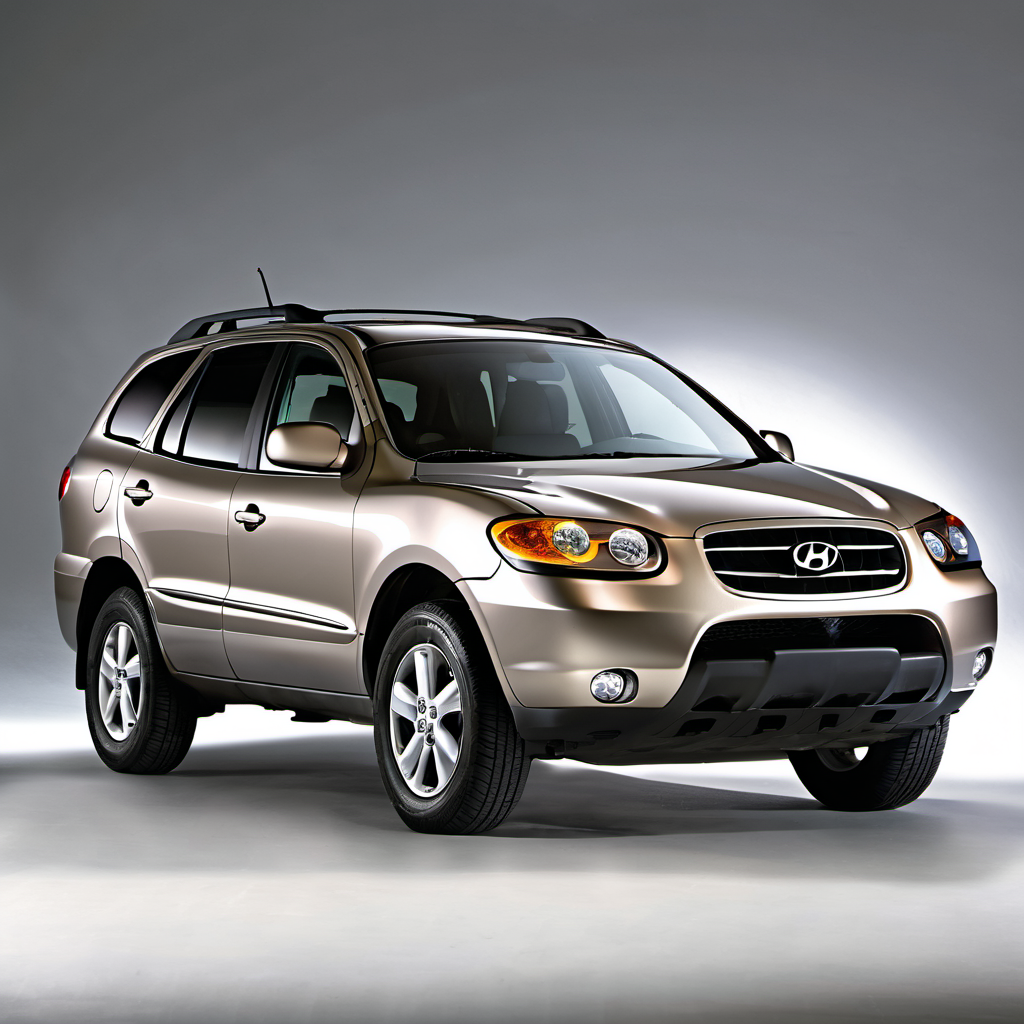
Budget-friendly alternative in the same segment. Lower purchase price but less proven long-term durability at high mileage compared to the Highlander. Good value if well-maintained.