4.0L SOHC Timing Chain & Tensioner Wear
high- Typically appears
- 80–150k mi
- Estimated repair
- $900 – $2,200

2007 Ford
SUV
The 2007 Ford Explorer is a fifth-generation body-on-frame mid-size SUV that had been a sales staple for Ford since the early 1990s. By 2007 it carried a more refined interior and a choice of V6 or V8 engines, though this particular example is equipped with the carryover 4.0L SOHC V6 — a proven but aging design with some well-documented weak spots. It seats up to seven, tows adequately, and offers a traditional truck-based ride quality that many buyers in snowy climates appreciate. The 2007 model year sits in the final stretch of the fourth-generation platform (2006–2010), not the fifth — the platform that received significant upgrades over the notorious 2002–2005 rollover-era Explorers. Reliability improved noticeably with this refresh, though it's still not without its quirks, particularly around the 4.0L's timing chain system and cooling components. For buyers in the Lake Geneva area, the Explorer's available 4WD (note: the data flags this unit as RWD — confirm before purchase if winter traction is a priority) and relatively high ground clearance are positives. The big negatives are fuel economy and the 4.0L's expensive timing chain service if deferred too long.
The 2007 Ford Explorer is a fifth-generation body-on-frame mid-size SUV that had been a sales staple for Ford since the early 1990s. By 2007 it carried a more refined interior and a choice of V6 or V8 engines, though this particular example is equipped with the carryover 4.0L SOHC V6 — a proven but aging design with some well-documented weak spots. It seats up to seven, tows adequately, and offers a traditional truck-based ride quality that many buyers in snowy climates appreciate. The 2007 model year sits in the final stretch of the fourth-generation platform (2006–2010), not the fifth — the platform that received significant upgrades over the notorious 2002–2005 rollover-era Explorers. Reliability improved noticeably with this refresh, though it's still not without its quirks, particularly around the 4.0L's timing chain system and cooling components. For buyers in the Lake Geneva area, the Explorer's available 4WD (note: the data flags this unit as RWD — confirm before purchase if winter traction is a priority) and relatively high ground clearance are positives. The big negatives are fuel economy and the 4.0L's expensive timing chain service if deferred too long.
The 4.0L timing chain system is entirely oil-pressure fed. Dirty or low oil is the #1 cause of premature chain and tensioner failure. In cold Wisconsin winters, a full synthetic flows faster on cold starts, reducing wear during warm-up.
Degraded coolant accelerates corrosion in the plastic intake crossover and thermostat housing — the two most common leak points on this engine.
Ford's service interval is long, but independent shops in the Midwest see early transmission wear on high-mileage Explorers that never had fluid changed. Use Mercon V fluid only.
Road salt dries out U-joint grease and causes vibration and premature failure. RWD models still have a rear driveshaft to inspect.
Cold Wisconsin winters tax batteries heavily. Most factory batteries are spent by year 4–5. A weak battery also triggers U-series CAN communication faults.
Salt-belt Explorers commonly develop rust-compromised brake lines and seized caliper slides by 80–100k miles. Catch these before they become safety failures.
Plugs left past 75k on the 4.0L can seize in the aluminum head, making removal very difficult and expensive. Pull them on schedule.
Standard washer fluid freezes in Lake Geneva winters and can crack the reservoir or pump. Summer blades ice up and skip on a frosty windshield.
Always defer to the manufacturer's service manual for warranty-mandated intervals.
The 2007 Explorer is inexpensive to buy used but carries above-average fuel costs and meaningful maintenance exposure, especially around the 4.0L timing system. Budget $700–$1,600/year for routine maintenance in normal years, and keep a $1,500–$2,500 reserve for timing chain or transmission work on high-mileage examples. Parts are widely available and inexpensive — labor is the cost driver on big jobs.
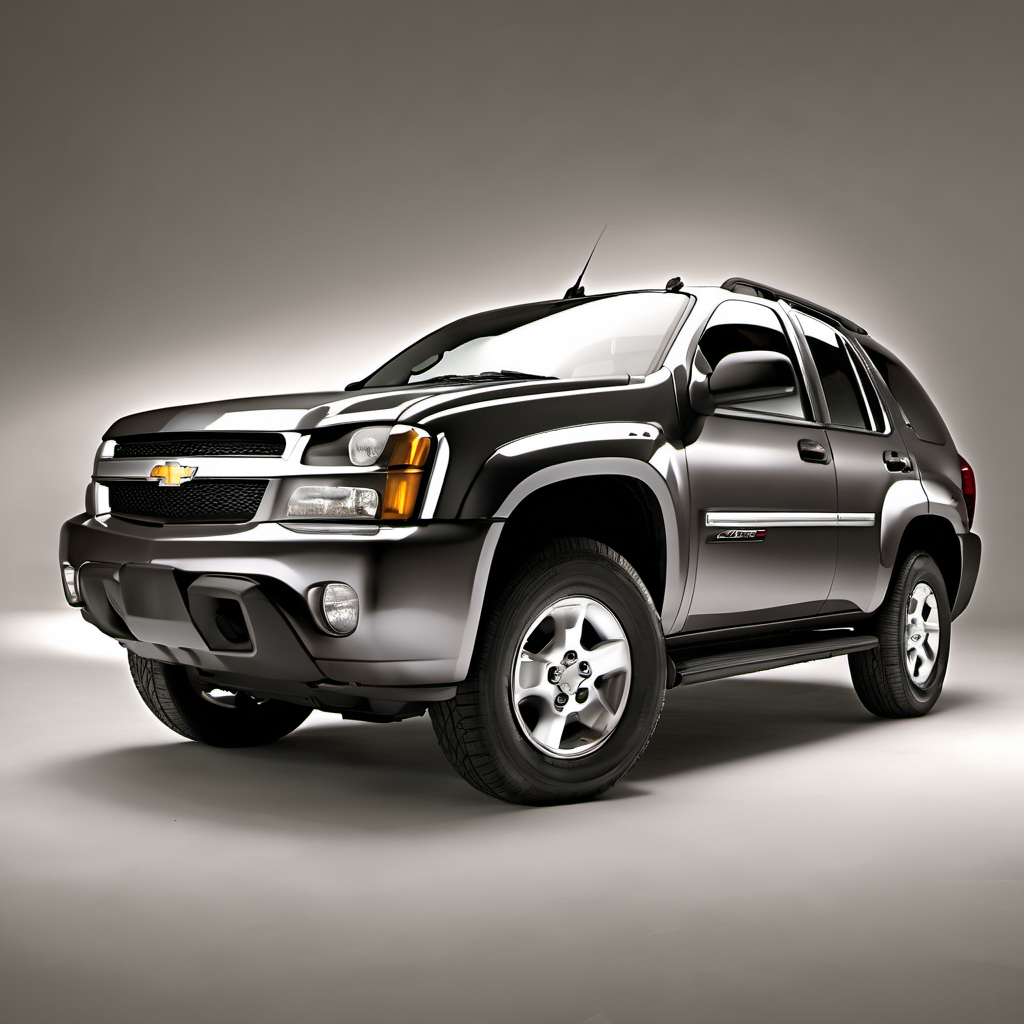
Same era body-on-frame mid-size SUV, inline-6 or V8, similar tow capacity and seating. Generally comparable reliability with its own set of known issues (water pump, cooling). Widely available in the Midwest.
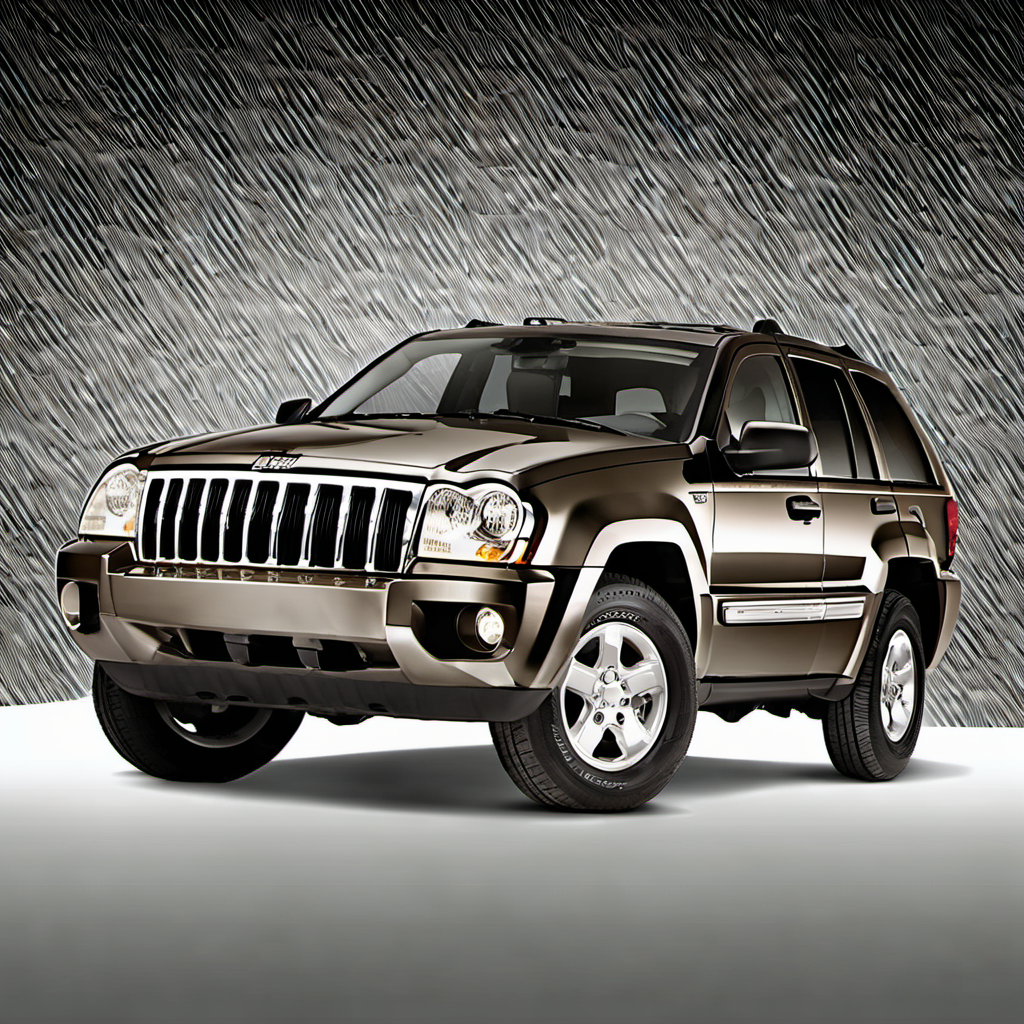
Competes directly in price and mission. Better on-road manners and stronger 4WD system, but the 3.7L V6 is weaker and the 4.7L V8 drinks more fuel. Higher repair costs if the Hemi or electronics act up.
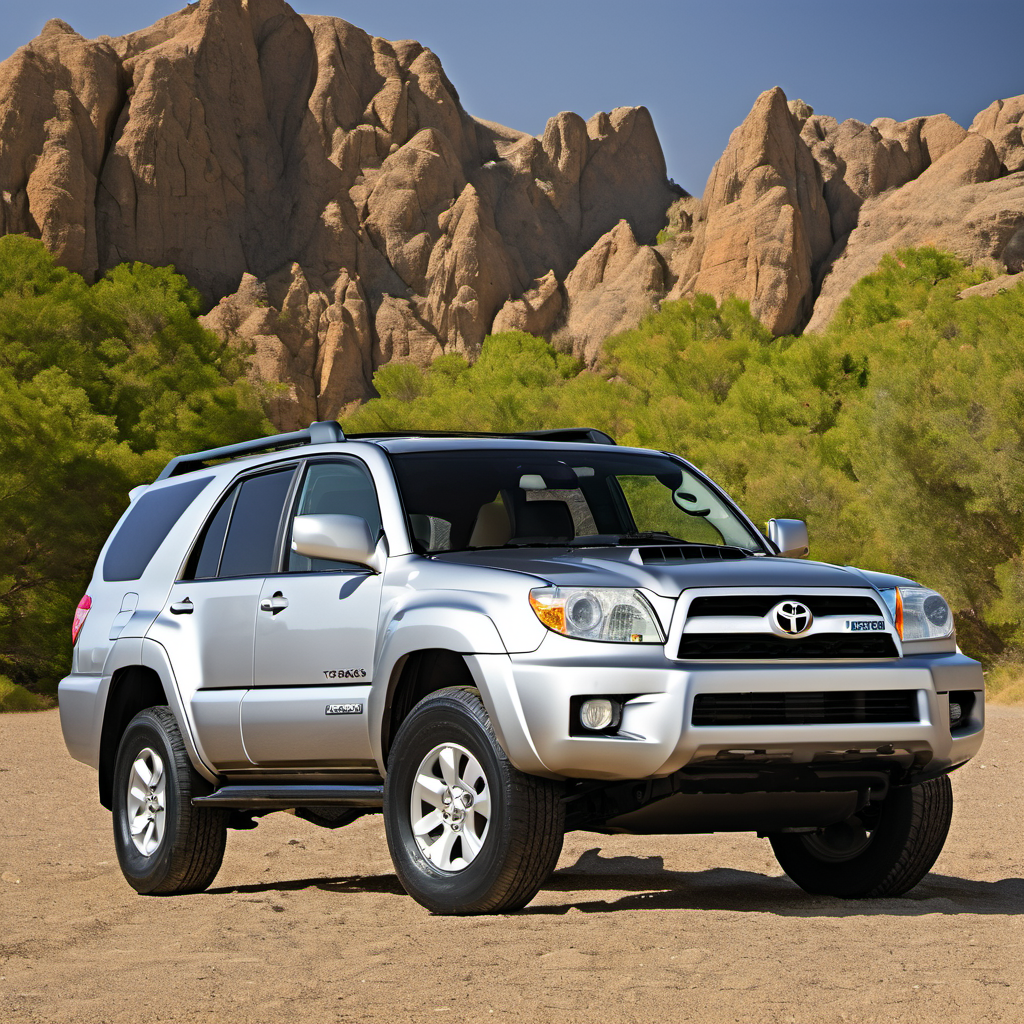
Same body-on-frame mid-size SUV mission. The 4.0L V6 4Runner is significantly more reliable long-term and holds value better, but commands a higher used price for that reason. Worth the premium for buyers planning 150k+ miles.
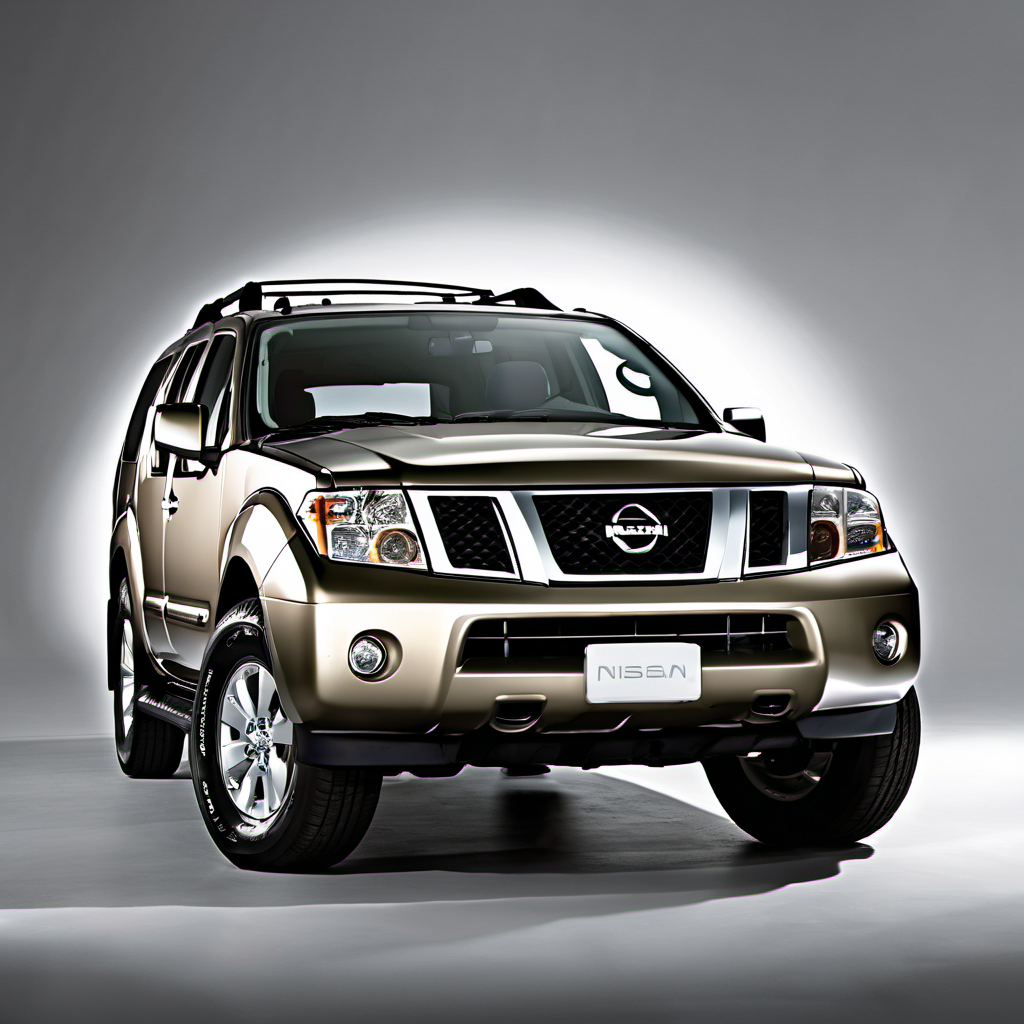
Similar footprint and three-row capacity. The 4.0L V6 Pathfinder is more fuel-efficient but the third row is tighter. Watch for CVT issues on higher-mileage examples — otherwise a solid alternative.