Automatic Transmission Failure / Slipping
medium- Typically appears
- 100–160k mi
- Estimated repair
- $1,800 – $3,800
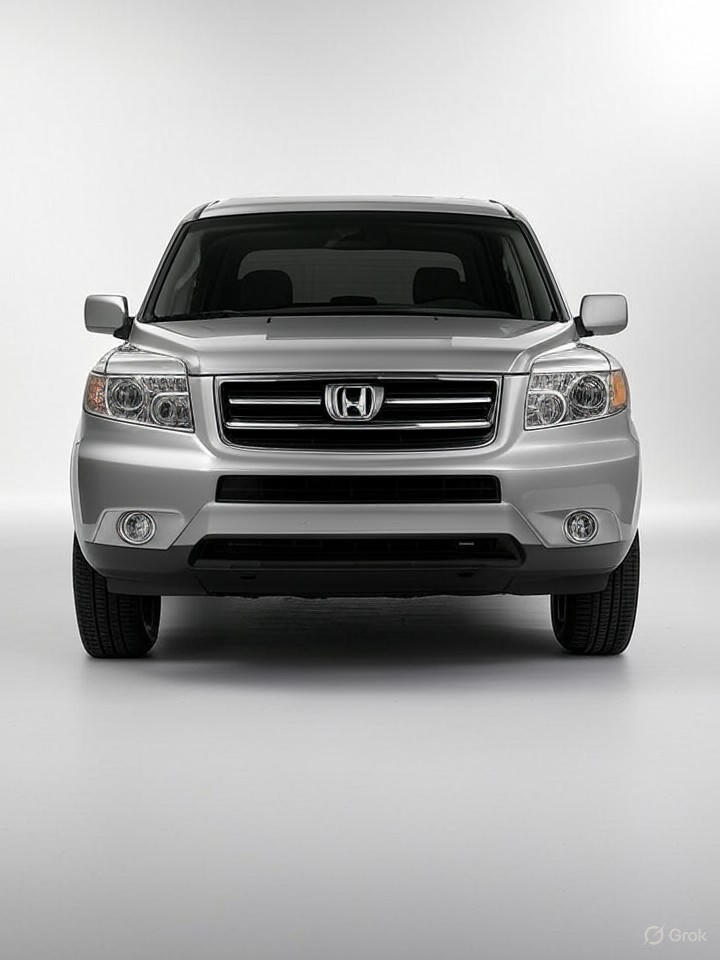
2007 Honda
SUV
The 2007 Honda Pilot is a mid-size three-row SUV built on Honda's unibody platform, carrying over the second generation of the Pilot nameplate before the full 2009 redesign. It seats eight and is powered by Honda's proven 3.5L J35 V6, paired with a 5-speed automatic. Comfortable, family-friendly, and generally dependable, it earned a loyal following among households needing real third-row seating without a truck-based feel. By 2007, the Pilot had a solid ownership track record, though a few recurring issues — particularly with the automatic transmission and VTM-4 all-wheel-drive system — are well-documented at this age and mileage. Most examples are now well into six-figure mileage territory, so condition and maintenance history matter more than the model year badge. For Lake Geneva-area buyers, the 4WD (VTM-4) version handles Wisconsin winters comfortably, but be aware that the VTM-4 system has its own fluid and service needs that are often skipped on neglected examples. The FWD variant is also available and works fine for most buyers who prioritize fuel economy over winter traction.
The 2007 Honda Pilot is a mid-size three-row SUV built on Honda's unibody platform, carrying over the second generation of the Pilot nameplate before the full 2009 redesign. It seats eight and is powered by Honda's proven 3.5L J35 V6, paired with a 5-speed automatic. Comfortable, family-friendly, and generally dependable, it earned a loyal following among households needing real third-row seating without a truck-based feel. By 2007, the Pilot had a solid ownership track record, though a few recurring issues — particularly with the automatic transmission and VTM-4 all-wheel-drive system — are well-documented at this age and mileage. Most examples are now well into six-figure mileage territory, so condition and maintenance history matter more than the model year badge. For Lake Geneva-area buyers, the 4WD (VTM-4) version handles Wisconsin winters comfortably, but be aware that the VTM-4 system has its own fluid and service needs that are often skipped on neglected examples. The FWD variant is also available and works fine for most buyers who prioritize fuel economy over winter traction.
This is a non-negotiable service on the J35 V6. It's an interference engine — belt failure destroys the engine. If history is unknown, budget for this immediately.
The 5-speed automatic is the most common failure point on this Pilot. Regular fluid changes with Honda-spec fluid are the single best thing you can do to extend transmission life.
Neglected VTM-4 fluid breaks down and causes shudder and eventual differential damage. Use Honda VTM-4 fluid only — substitutes cause problems.
Regular oil changes protect the VTC actuator and reduce oil consumption risk on higher-mileage engines. Don't stretch intervals on a J35 past 150k mi.
Often due alongside the timing belt. Rear bank plugs (cylinder 4–6) require intake manifold removal — budget for labor accordingly.
Honda's blue coolant (Type 2) degrades and becomes acidic over time, attacking the aluminum heads and water pump. Especially important on aging Wisconsin vehicles.
DOT 3/4 brake fluid is hygroscopic and absorbs moisture. Wisconsin's temperature swings accelerate this. Moisture-laden fluid reduces braking performance and promotes corrosion in calipers.
Lake Geneva roads are heavily salted. Inspect brake lines, fuel lines, subframe, and suspension components every spring for rust and corrosion. Early detection prevents expensive failures.
Always defer to the manufacturer's service manual for warranty-mandated intervals.
Day-to-day ownership costs are reasonable for the class. The big financial risks are deferred maintenance catching up — timing belt, transmission fluid, and VTM-4 fluid are the three items most often skipped on used examples. Budget $1,000–$2,000 upfront to catch up any unknown service items on a newly purchased used Pilot. Avoid examples with unknown maintenance history if you're not prepared for that risk.
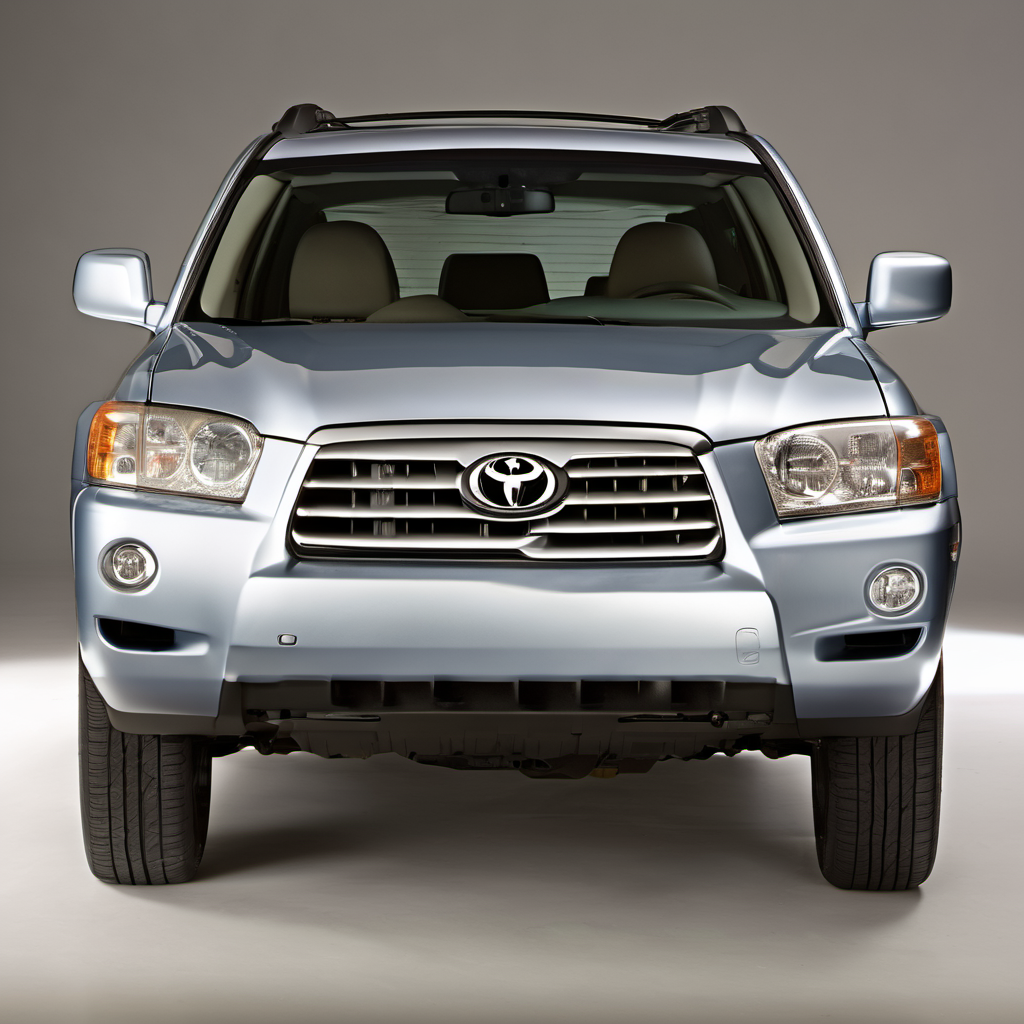
Same class, same era, similar reliability reputation. The Highlander offers three-row seating (though the third row is tighter) and Toyota's strong long-term ownership record. A natural cross-shop for anyone looking at a 2007 Pilot.

A popular alternative in the Midwest. The Explorer has a larger truck-feel footprint and more towing capacity, but reliability on the 2006–2007 V6 Explorer is notably lower than the Pilot. Compare carefully.
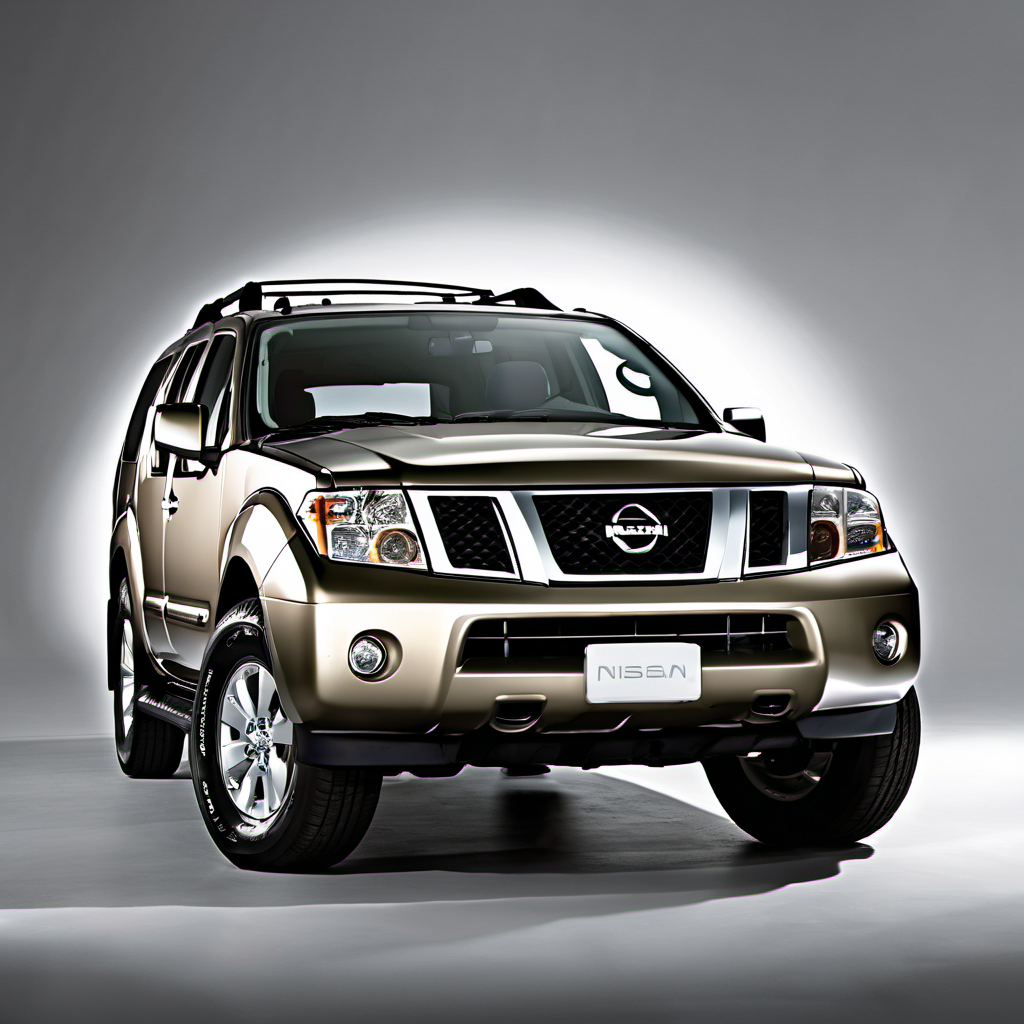
Body-on-frame alternative with genuine three rows and available 4WD. The 4.0L V6 is strong, but the Pathfinder's transmission and cooling system issues make it a riskier used buy than the Pilot at this age.
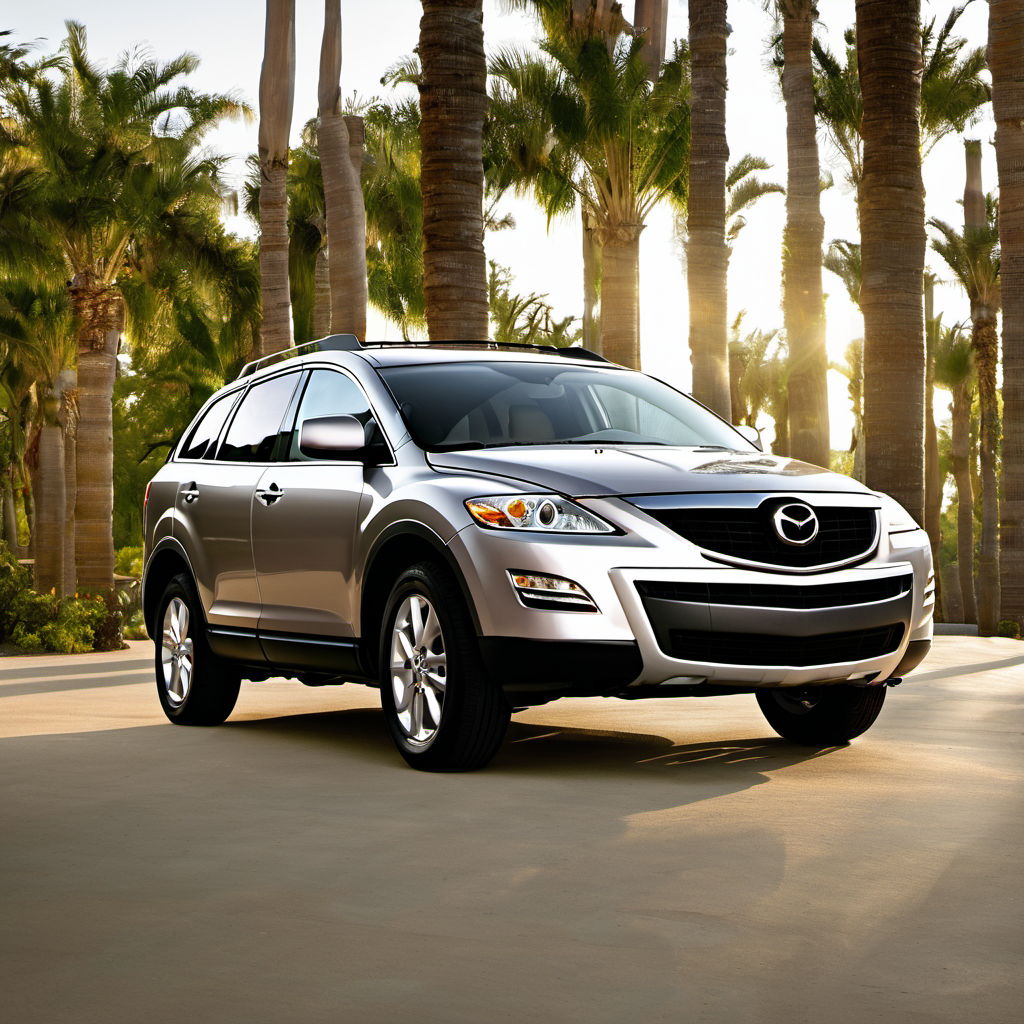
Newly introduced for 2007, the CX-9 is a unibody three-row crossover with a more car-like driving feel. Better fuel economy and sportier handling than the Pilot, though with less proven long-term data at the time.