Engine oil consumption (1ZZ-FE)
high- Typically appears
- 75k–150k mi
- Estimated repair
- $50 – $500
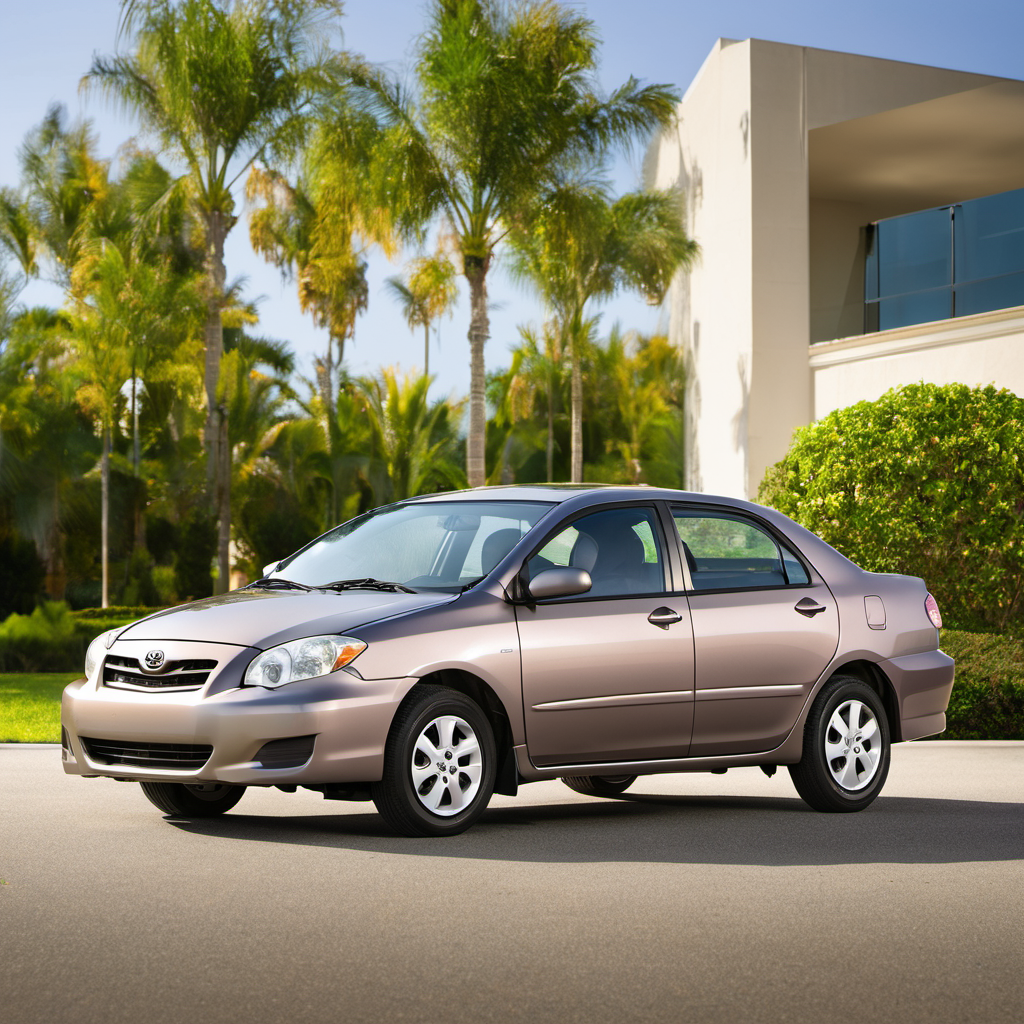
2007 Toyota
Sedan
The 2007 Toyota Corolla is a ninth-generation (E120) compact sedan that built on Toyota's decades-long reputation for low-cost, low-drama transportation. Powered by a 1.8L four-cylinder and mated to either a 5-speed manual or 4-speed automatic, it was designed from the ground up to be easy to own — cheap to insure, cheap to fuel, and cheap to fix. At this point in its life, a well-kept example is a proven commuter with a strong track record. By 2007 these cars were wrapping up the E120 generation (the E140 arrived for 2009), so parts are plentiful and every independent shop knows them cold. The 1ZZ-FE engine in earlier E120s had a well-documented oil consumption issue, but the 2006–2008 cars received the revised 2ZR-FE-adjacent tune and the worst of those problems had been addressed. That said, used-car buyers should still verify oil level and consumption habits on any high-mileage example. For Lake Geneva–area drivers, the FWD platform with good all-season tires handles Wisconsin winters competently. It's not a performance car, but reliability and fuel economy are genuinely hard to beat at this price point.
The 2007 Toyota Corolla is a ninth-generation (E120) compact sedan that built on Toyota's decades-long reputation for low-cost, low-drama transportation. Powered by a 1.8L four-cylinder and mated to either a 5-speed manual or 4-speed automatic, it was designed from the ground up to be easy to own — cheap to insure, cheap to fuel, and cheap to fix. At this point in its life, a well-kept example is a proven commuter with a strong track record. By 2007 these cars were wrapping up the E120 generation (the E140 arrived for 2009), so parts are plentiful and every independent shop knows them cold. The 1ZZ-FE engine in earlier E120s had a well-documented oil consumption issue, but the 2006–2008 cars received the revised 2ZR-FE-adjacent tune and the worst of those problems had been addressed. That said, used-car buyers should still verify oil level and consumption habits on any high-mileage example. For Lake Geneva–area drivers, the FWD platform with good all-season tires handles Wisconsin winters competently. It's not a performance car, but reliability and fuel economy are genuinely hard to beat at this price point.
The 1ZZ-FE's oil consumption history means fresh oil at tight intervals is the single best thing you can do for longevity. Use the manufacturer-spec 5W-30. Check the level every gas fill-up.
Toyota's long-life coolant still degrades. Degraded coolant accelerates corrosion in the cooling system, and a head gasket repair on this engine costs far more than a coolant flush.
Toyota's 'lifetime' fluid claim doesn't hold up in real-world Wisconsin conditions with temperature swings. Fresh fluid extends the 4-speed auto significantly.
Stock iridium plugs are spec'd for 60k. Running worn plugs stresses the ignition coils and hurts fuel economy noticeably on this small engine.
A dirty air filter hurts MPG and throttle response. Wisconsin gravel roads and spring mud accelerate filter loading.
Brake fluid is hygroscopic. Wisconsin's freeze-thaw cycles mean moisture intrusion is real. Wet fluid lowers the boiling point and can cause soft-pedal feel in heavy braking.
Lake Geneva roads are heavily salted. Brake and fuel line corrosion is a safety issue and can become expensive quickly if ignored for multiple seasons.
FWD cars wear front tires faster. Keeping wear even extends tire life and maintains balanced handling — important for winter traction.
Always defer to the manufacturer's service manual for warranty-mandated intervals.
The 2007 Corolla is genuinely cheap to own. Routine maintenance runs $350–$750/year under normal driving. Fuel costs are low, insurance is low, and parts are inexpensive. The main budget wildcard is oil consumption — a high-mileage engine needing ring work can run $1,500–$3,000, but most owners manage it with regular top-offs. Overall one of the lowest total-cost-of-ownership vehicles available at this price point.
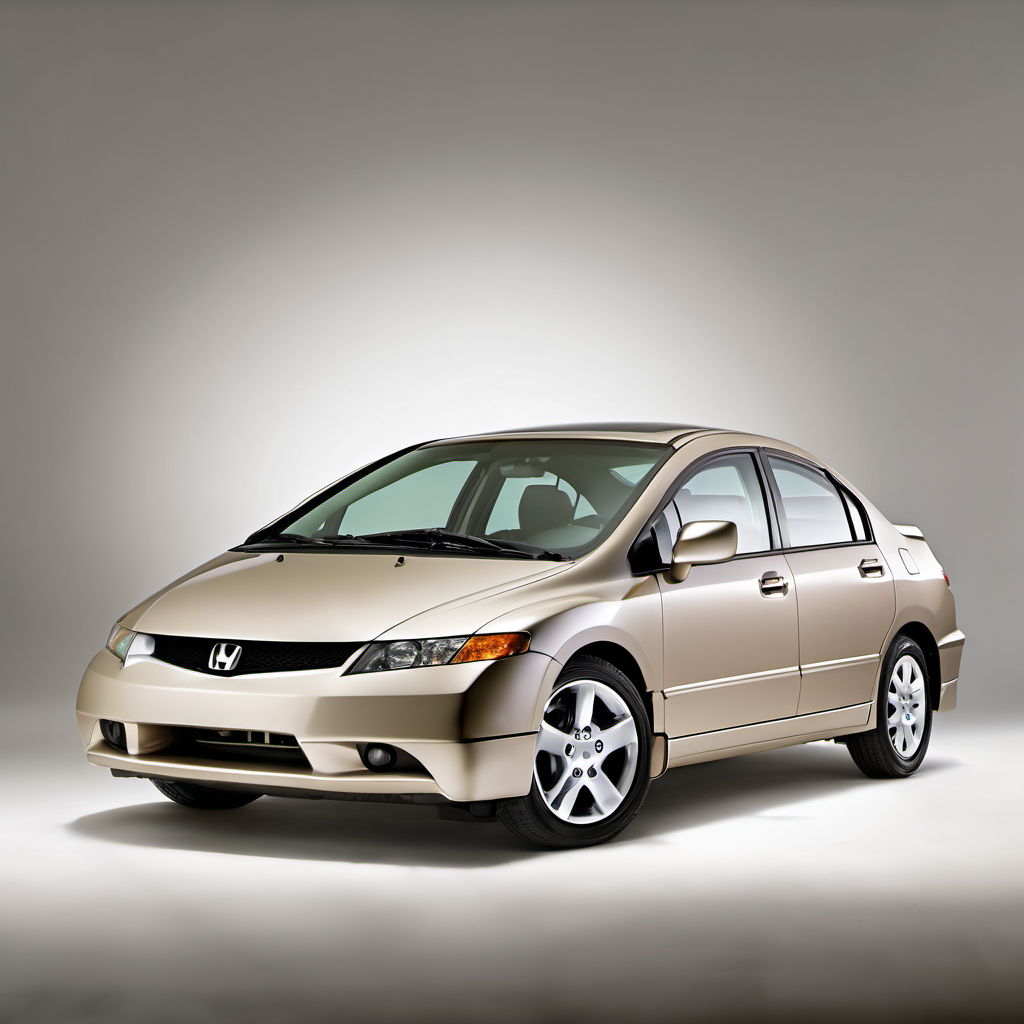
Direct competitor in the compact sedan segment. Similarly reliable, slightly sportier feel, comparable fuel economy. The 1.8L R18 engine in the 2006+ Civic avoids the oil consumption issues of Honda's earlier D/B series.
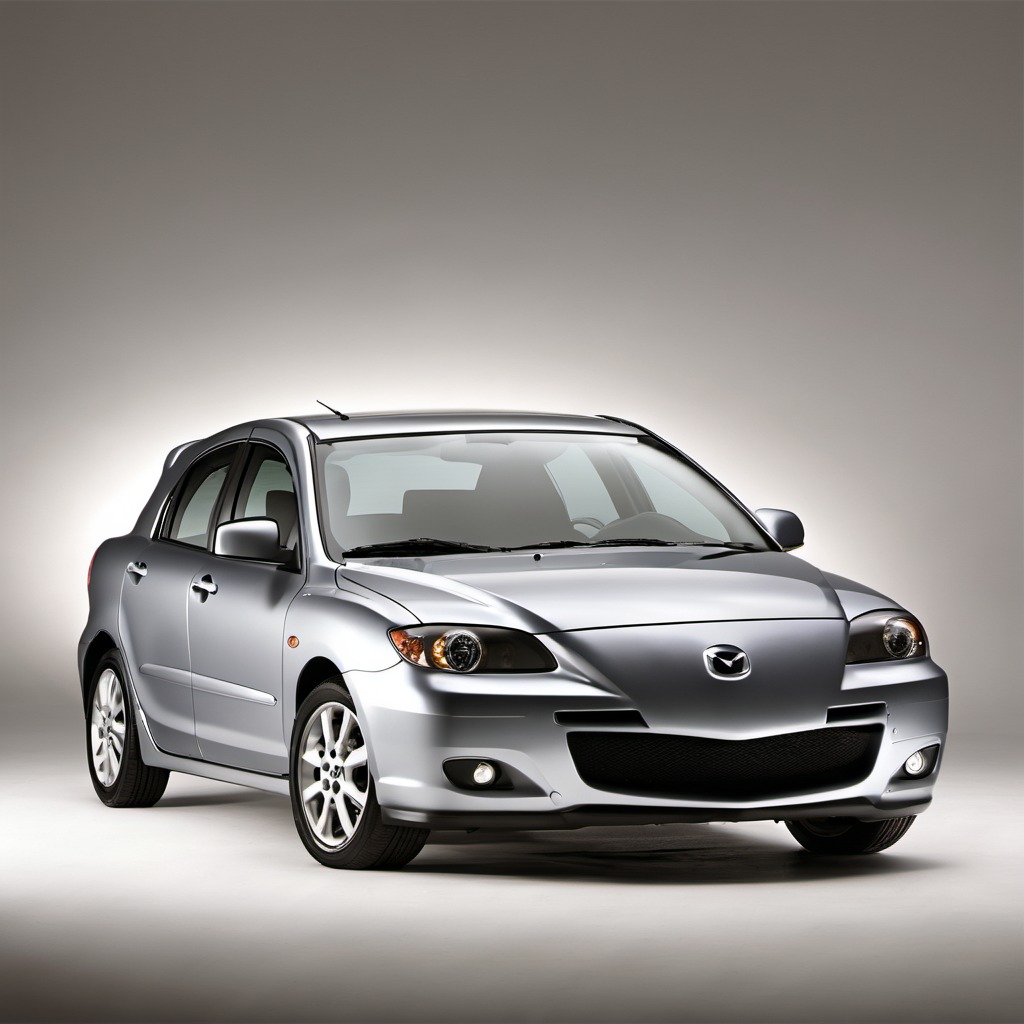
Same price bracket and mission. The Mazda3 offers a more engaging drive and similar reliability, though slightly higher parts costs. Good alternative if driver feel matters.
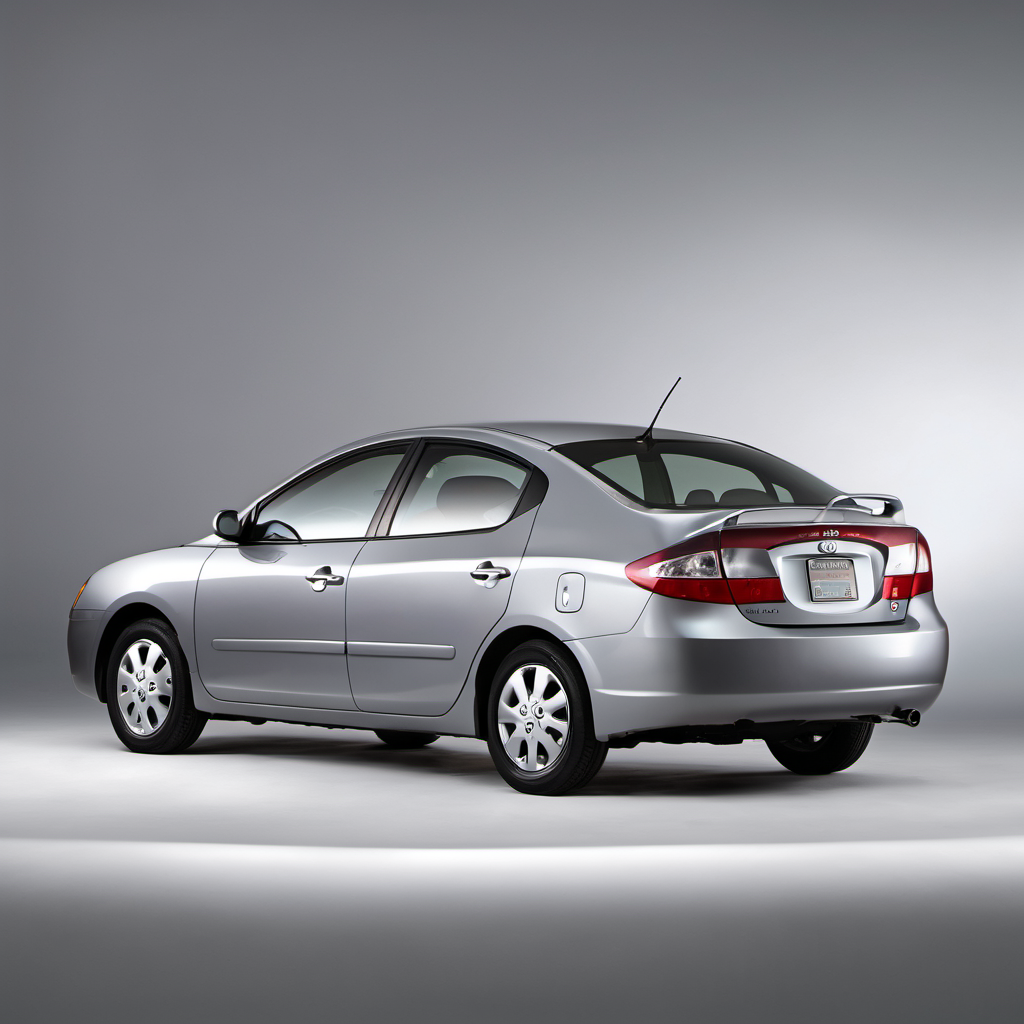
Lower purchase price than the Corolla at this vintage, comparable fuel economy. Reliability has improved substantially by this generation, though long-term durability still trails Toyota. Worth cross-shopping on budget.
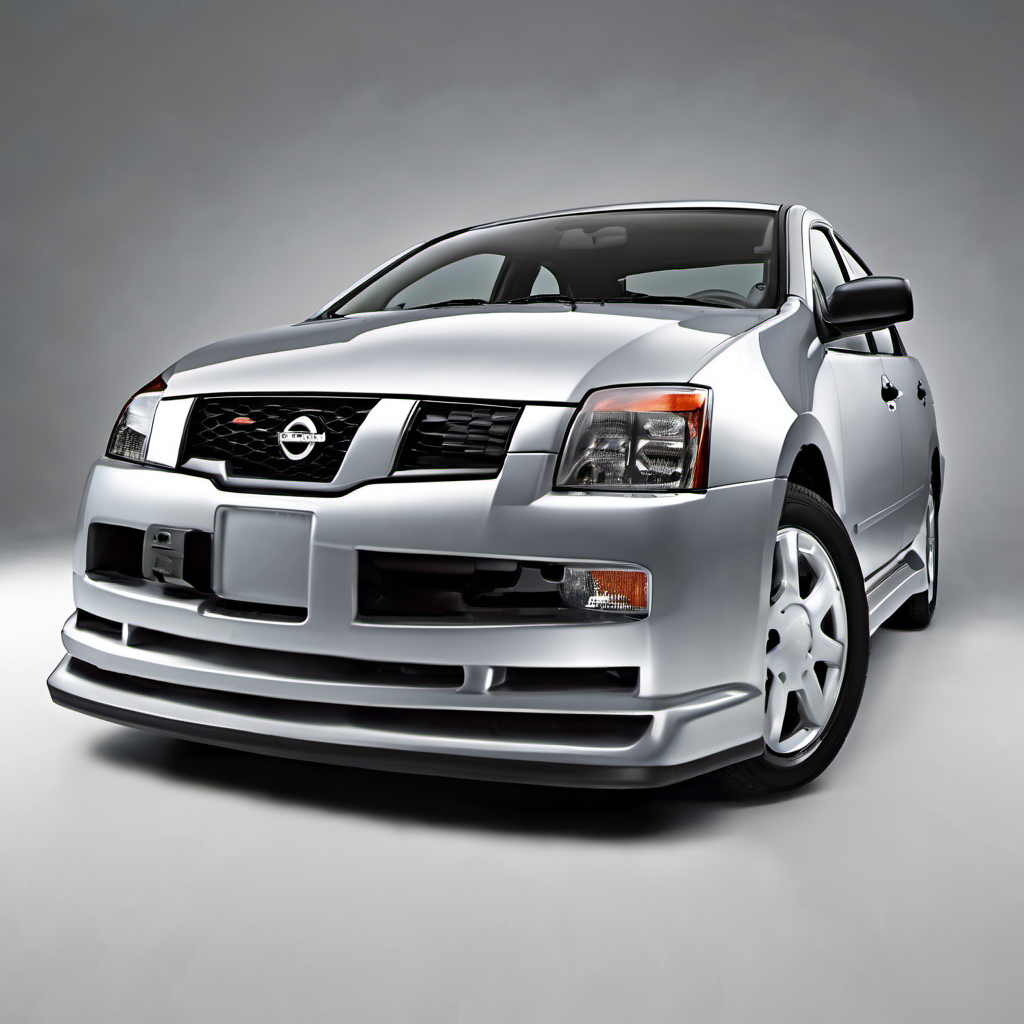
Similar compact sedan footprint and price range. The 2007 Sentra grew significantly in interior space. CVT reliability on the 2.0L is a watch-out on higher-mileage examples.