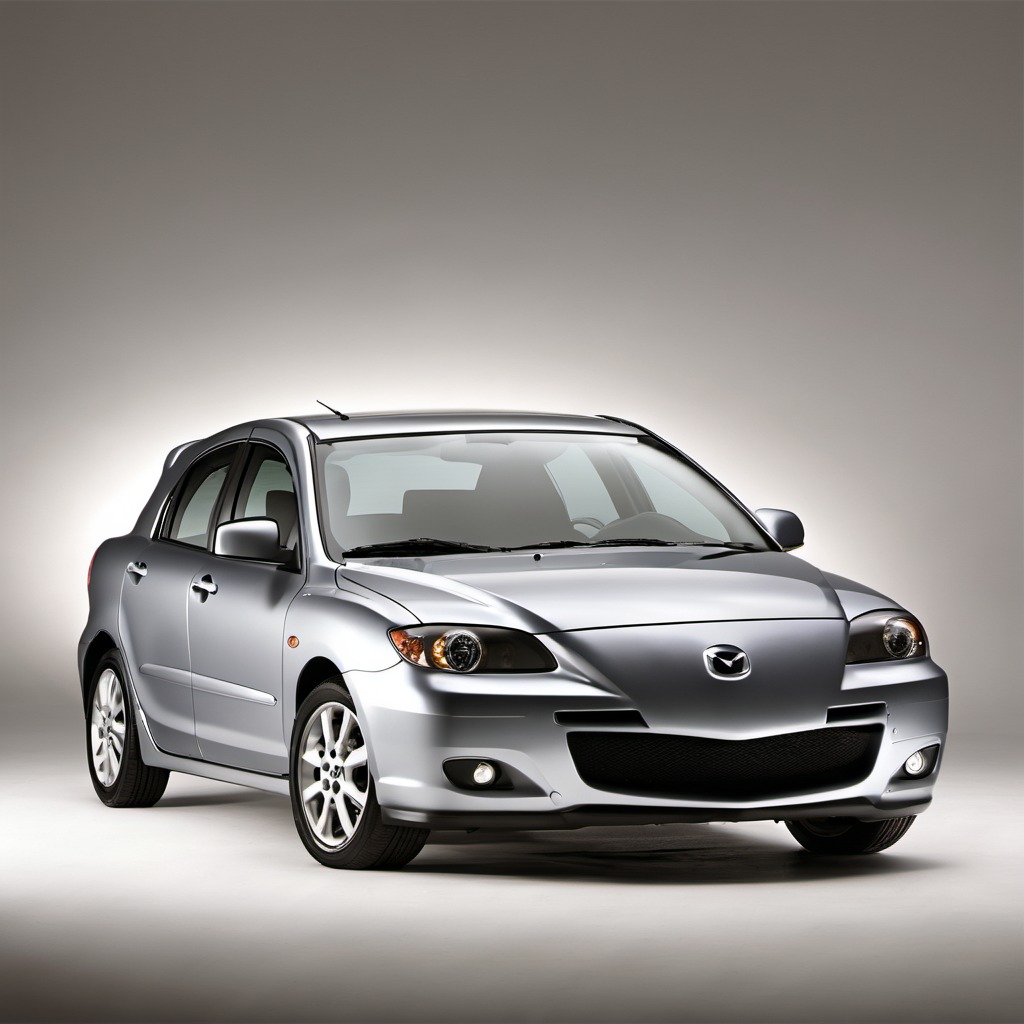
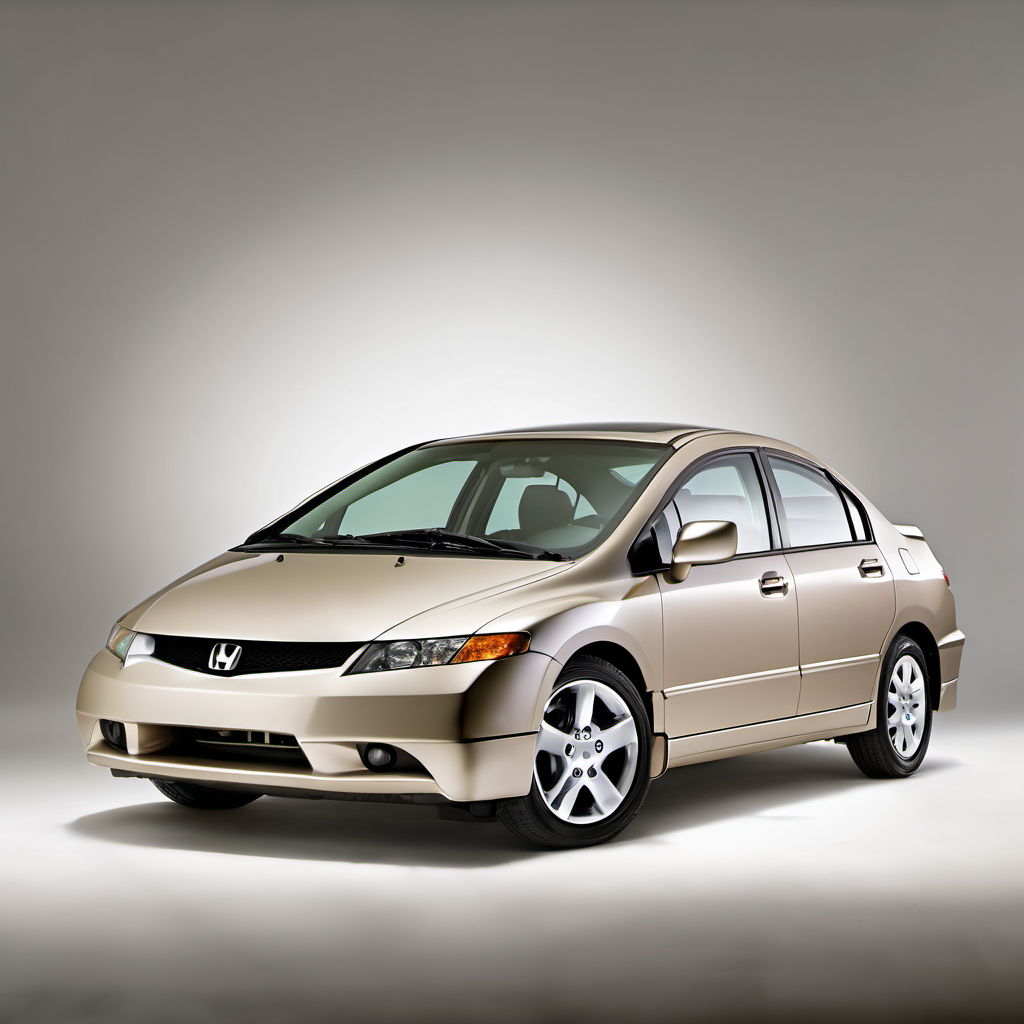
2007 MAZDA MAZDA3 Sedan

2007 MAZDA

MAZDA3Sedan

2.0L I4 · Sedan

The 2007 Mazda3 sedan is the first-generation (BK) platform in its final model year, a compact car that punched well above its price class in driving dynamics and build quality. Mazda positioned it as a fun-to-drive alternative to the Civic and Corolla, and for the most part it delivered — with a taut suspension, responsive steering, and an interior that felt more mature than most econoboxes of the era. Two engine choices were offered: the base 2.0L four-cylinder (148 hp, shared with the Mazda6/Ford Focus platform) and the optional 2.3L four-cylinder (156 hp in the s trim). Both are chain-driven and have a reasonable track record, though they share some VVT-related oil sludge sensitivities that first-gen Mazda3 owners need to stay ahead of. By 2024 a clean 2007 Mazda3 is solidly in "high-mileage used car" territory. Rust is the number-one enemy on Wisconsin roads — the first-gen cars are notorious for underbody corrosion around the rear subframe and rocker panels. A car that lived its life in the Sun Belt can easily hit 200k mi; a Wisconsin car needs a careful underbody inspection before purchase.

Reliability
4/5
Verified data
Engine
2.0L I4
Drivetrain
FWD
Fuel
Gasoline
MPG
24 city / 32 hwy / 27 combined
Seats
5
Doors
4
Body
Sedan
MSRP
$15,900

Overview

AI-curated

The 2007 Mazda3 sedan is the first-generation (BK) platform in its final model year, a compact car that punched well above its price class in driving dynamics and build quality. Mazda positioned it as a fun-to-drive alternative to the Civic and Corolla, and for the most part it delivered — with a taut suspension, responsive steering, and an interior that felt more mature than most econoboxes of the era. Two engine choices were offered: the base 2.0L four-cylinder (148 hp, shared with the Mazda6/Ford Focus platform) and the optional 2.3L four-cylinder (156 hp in the s trim). Both are chain-driven and have a reasonable track record, though they share some VVT-related oil sludge sensitivities that first-gen Mazda3 owners need to stay ahead of. By 2024 a clean 2007 Mazda3 is solidly in "high-mileage used car" territory. Rust is the number-one enemy on Wisconsin roads — the first-gen cars are notorious for underbody corrosion around the rear subframe and rocker panels. A car that lived its life in the Sun Belt can easily hit 200k mi; a Wisconsin car needs a careful underbody inspection before purchase.

Known for
  • Sporty, precise handling for a compact
  • Mazda's 2.0L/2.3L four-cylinders are willing and fuel-efficient
  • Punchy, driver-focused interior layout
  • Competitive reliability when oil changes are kept up
  • Strong resale support from large owner community and parts availability
Best for
  • Commuters who want something fun to drive
  • First-time car buyers looking for a used daily driver
  • Budget-conscious buyers who do their own maintenance
  • Drivers who prioritize handling over cargo room
Watch for
  • Underbody rust — especially rear subframe, rocker panels, and brake lines on Midwest/salt-belt cars
  • VVT system sludge if oil changes were neglected
  • Automatic transmission hesitation on the 4-speed unit (early 2.0L cars)
  • Interior plastics and door-card clips become brittle with age
  • Power window regulator failures are common on high-mileage examples

Common issues by mileage

6 known

Rear subframe and underbody rust

high
Typically appears
80k+ mi on salt-belt cars
Estimated repair
$800 – $3,500

VVT system sludge / camshaft timing faults

medium
Typically appears
60–120k mi
Estimated repair
$300 – $1,200

Power window regulator failure

high
Typically appears
80–150k mi
Estimated repair
$150 – $350

Oxygen sensor / O2 heater circuit failure

medium
Typically appears
90–140k mi
Estimated repair
$150 – $400

4-speed automatic transmission hesitation / harsh shifts

medium
Typically appears
70–130k mi
Estimated repair
$400 – $2,800

Brake line corrosion

high
Typically appears
Any mileage on 10+ year old salt-belt car
Estimated repair
$300 – $900

Maintenance schedule

  1. 1
    Every 5,000 mi or 6 months — do NOT stretch to 7,500 mi on these engines Engine oil and filter change

    The 2.0L/2.3L VVT system is oil-pressure sensitive. Sludge buildup from extended intervals clogs the cam phaser oil control valves, leading to P0012/P0015 codes and costly cam phaser or VVT solenoid repairs.

  2. 2
    Every 30,000 mi regardless of 'lifetime' marketing language Transmission fluid change (automatic)

    The 4-speed automatic is the weakest part of this car. Fresh fluid is cheap insurance against the hesitation and harsh-shift complaints that plague neglected units.

  3. 3
    Every 60,000 mi Spark plugs

    Factory iridium plugs are rated longer, but worn plugs cause misfires and rough idle. At this vehicle's age, plan on a set if not recently replaced.

  4. 4
    Every 2 years Brake fluid flush

    Brake fluid is hygroscopic. On a Wisconsin car, keeping it fresh also gives you an opportunity to inspect brake lines for corrosion — a known failure point on first-gen Mazda3s.

  5. 5
    Every 60,000 mi or 5 years Coolant flush

    Mazda uses a long-life coolant but on a 17-year-old car the coolant is almost certainly past due. Degraded coolant accelerates water-pump and thermostat wear.

  6. 6
    Every fall before winter salt season Underbody rust inspection and treatment

    First-gen Mazda3 rear subframes and rocker panels rust aggressively in the Midwest. Catching surface rust early and applying rust inhibitor is far cheaper than subframe repair or replacement.

  7. 7
    Every 20,000–30,000 mi Air filter replacement

    A clogged filter reduces fuel economy noticeably on these small-displacement engines and adds strain during cold-start enrichment in Wisconsin winters.

  8. 8
    Every fall / annually after battery is 3 years old Battery load test

    The stock battery is long overdue for replacement on any 2007 that hasn't had one. Sub-zero Wisconsin starts put heavy demand on a marginal battery and can leave you stranded.

Always defer to the manufacturer's service manual for warranty-mandated intervals.

Cost of ownership

Annual maintenance
$400 – $900
Fuel
At ~27 MPG combined and ~15,000 mi/year, expect roughly $1,500–$1,800/year at $3.00–$3.50/gal regular unleaded.
Insurance
Typically $900–$1,400/year in Wisconsin for a 2007 Mazda3 depending on driver profile and coverage level. Inexpensive to insure relative to segment.

A well-maintained 2007 Mazda3 is one of the more affordable compacts to own. Routine maintenance is cheap and parts are widely available. The big financial wildcard on Wisconsin cars is rust: a subframe replacement or full brake line job can cost more than the car's market value at this age. Budget for an underbody inspection before purchase and a preventive rust treatment each fall.
Seasonal care

Lake Geneva, WI
Winter
  • Load-test and replace the battery if it's more than 3–4 years old — sub-zero starts will expose a weak battery immediately.
  • Switch to a full-synthetic 0W-20 or 5W-30 oil for easier cold cranking and faster VVT oil pressure buildup on start-up.
  • Inspect and replace wiper blades with winter-rated beam blades; the BK Mazda3's cowl traps ice and snow around standard blades.
  • Top off washer fluid with a -20°F or colder rated fluid — Lake Geneva winters will freeze a summer mix in the reservoir overnight.
  • Check tire pressure monthly: every 10°F temperature drop costs about 1 PSI, and these cars run low-profile tires that show handling degradation quickly.
  • Spray underbody and wheel wells with a rust inhibitor before first snowfall, and rinse the undercarriage during any mid-winter warm spell above freezing.
Summer
  • Check tire pressure after any sustained hot stretch — heat expands pressure and over-inflation on worn tires risks blowouts.
  • Inspect the A/C system early in the season; the first-gen Mazda3's A/C condenser sits low and is vulnerable to road debris clogging or cracking.
  • Verify coolant level and concentration with a tester — a 50/50 mix protects to -34°F and up to ~265°F, appropriate for both Wisconsin seasons.
  • Check the cabin air filter; a clogged filter cuts A/C effectiveness noticeably in a small cabin on hot days.

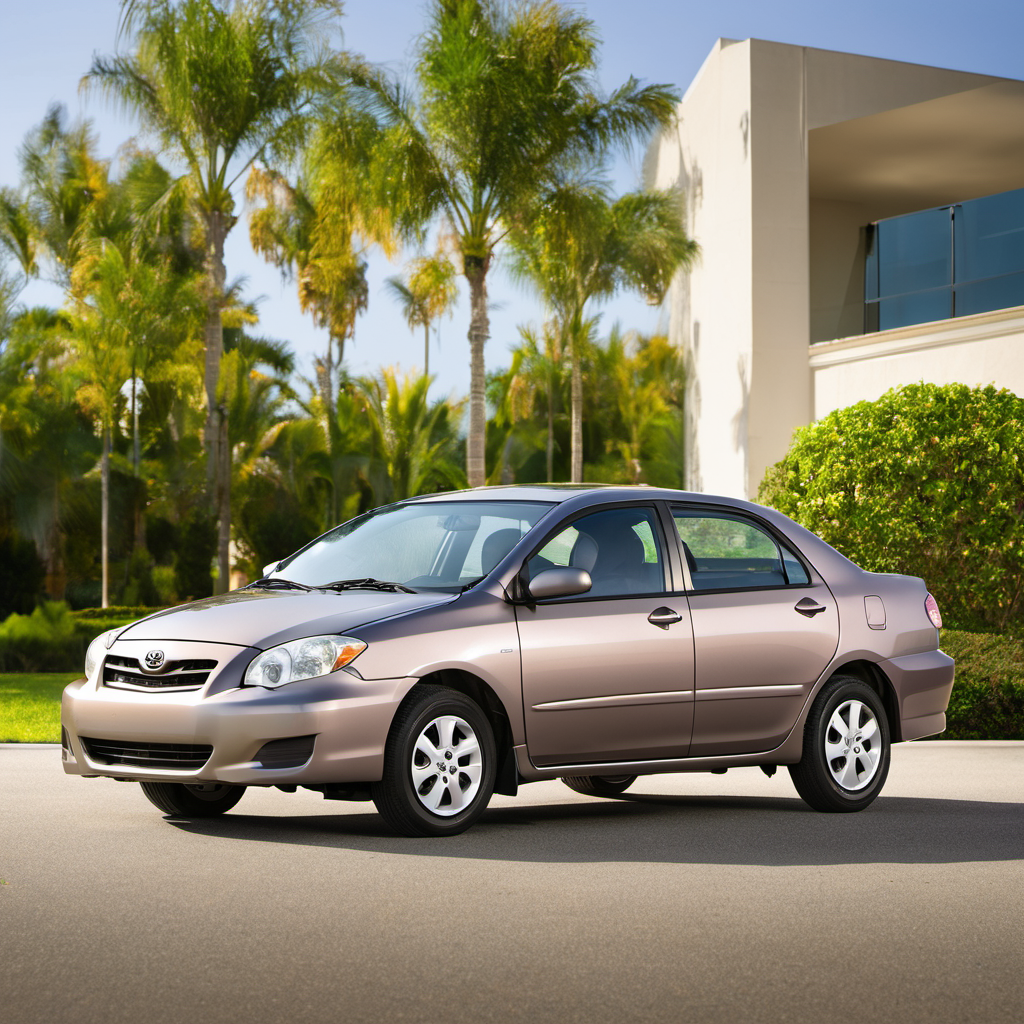
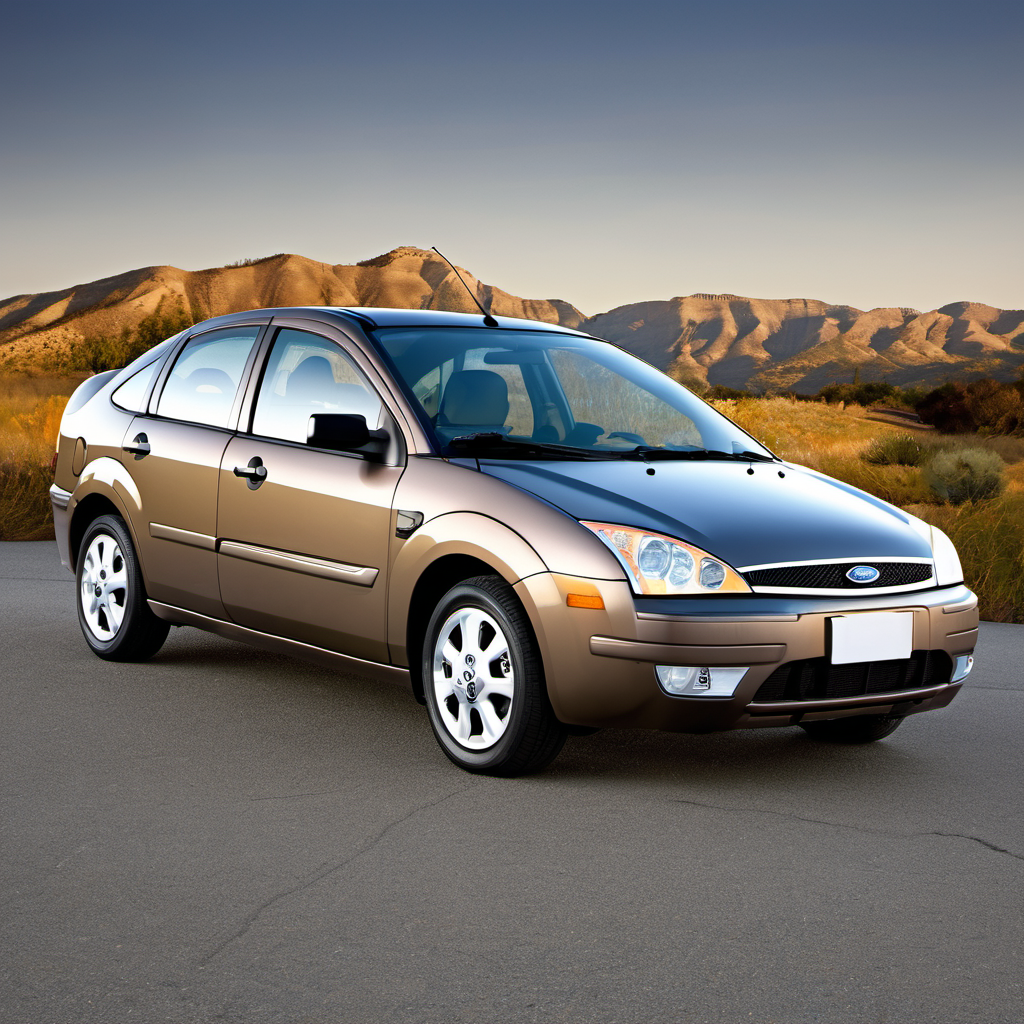
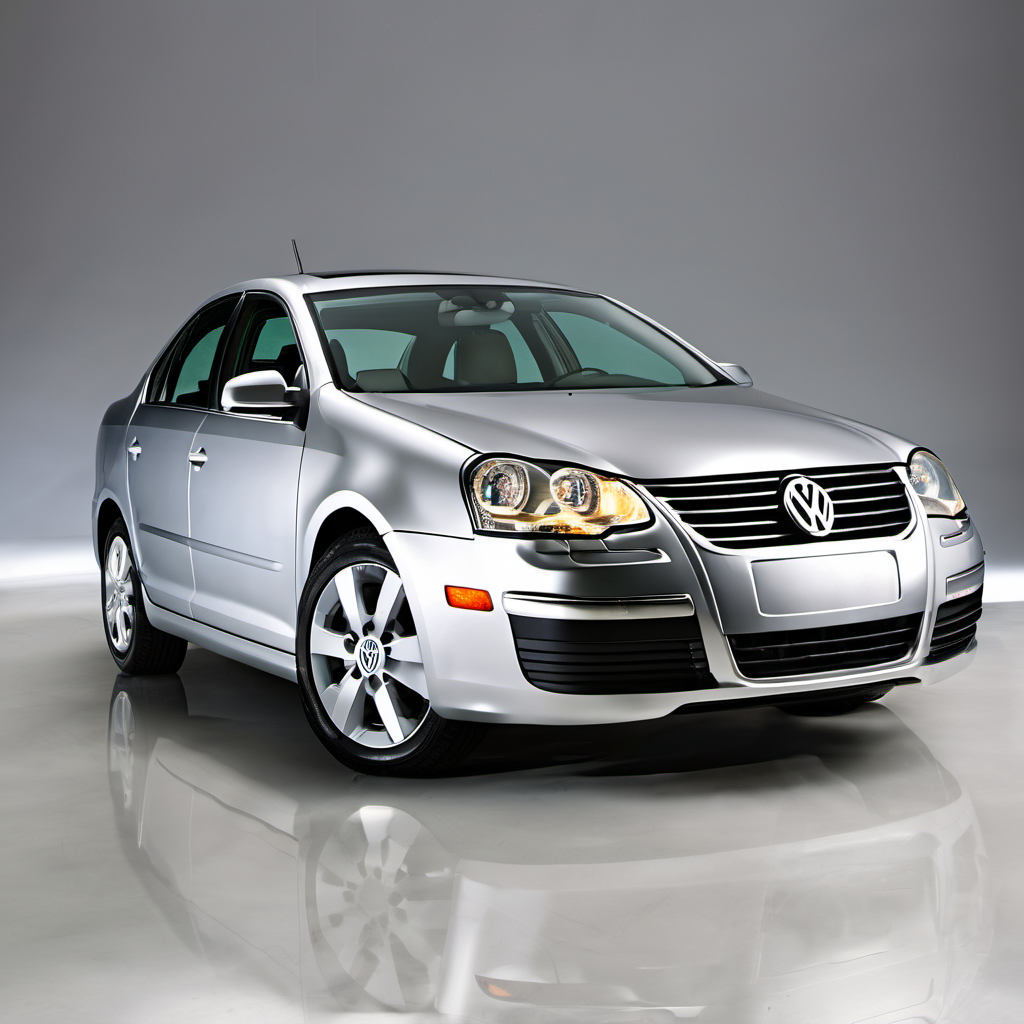
Comparable vehicles

If you're shopping for one

Red flags
  • Any rust penetrating through the rear subframe or floor pan — repair costs can exceed the car's value.
  • P0012 or P0015 codes present without a recent oil change service history — indicates probable VVT sludge damage.
  • Automatic transmission that slips, hunts for gears, or has a harsh 1-2 shift with no maintenance records.
  • Oil that is black and gritty at purchase — signals the previous owner ran extended oil change intervals, the number-one killer of these engines.
  • Mismatched or bubbling paint on rockers or lower doors — likely hiding rust repairs or coverups.
  • No service records and over 120,000 miles — too many unknown deferred maintenance items to price accurately.
What to inspect
  • Lift the car and inspect the rear subframe, rocker panels, floor pans, and brake lines for rust — this is the single most important check on any Midwest 2007 Mazda3.
  • Check the VVT/cam phaser operation: warm the engine fully and listen for ticking or rattling on cold start that clears up — a sign of oil sludge in the cam phaser.
  • Test all four power windows; regulator failures are common and each repair runs $150–$350.
  • If automatic: test drive for transmission hesitation between 1st–2nd and 2nd–3rd. A firm, clean shift means the trans has been maintained.
  • Check for any active or pending DTC codes with an OBD-II scanner before purchase — P0012/P0015 cam timing codes are a red flag for neglected oil changes.
  • Inspect the front strut mounts and rear trailing arm bushings for cracking — common at this mileage and age.
AI profile generated 4 days ago · claude-sonnet-4-6 · v2.