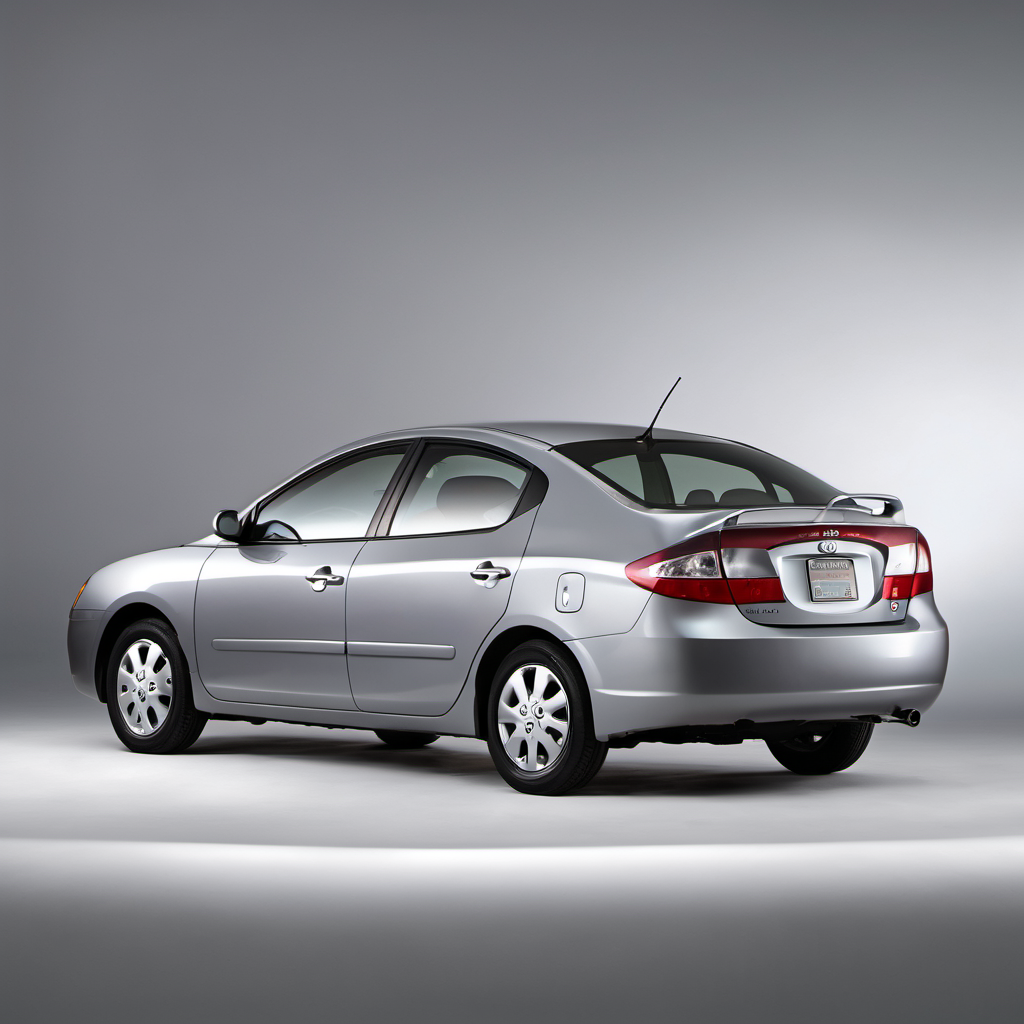
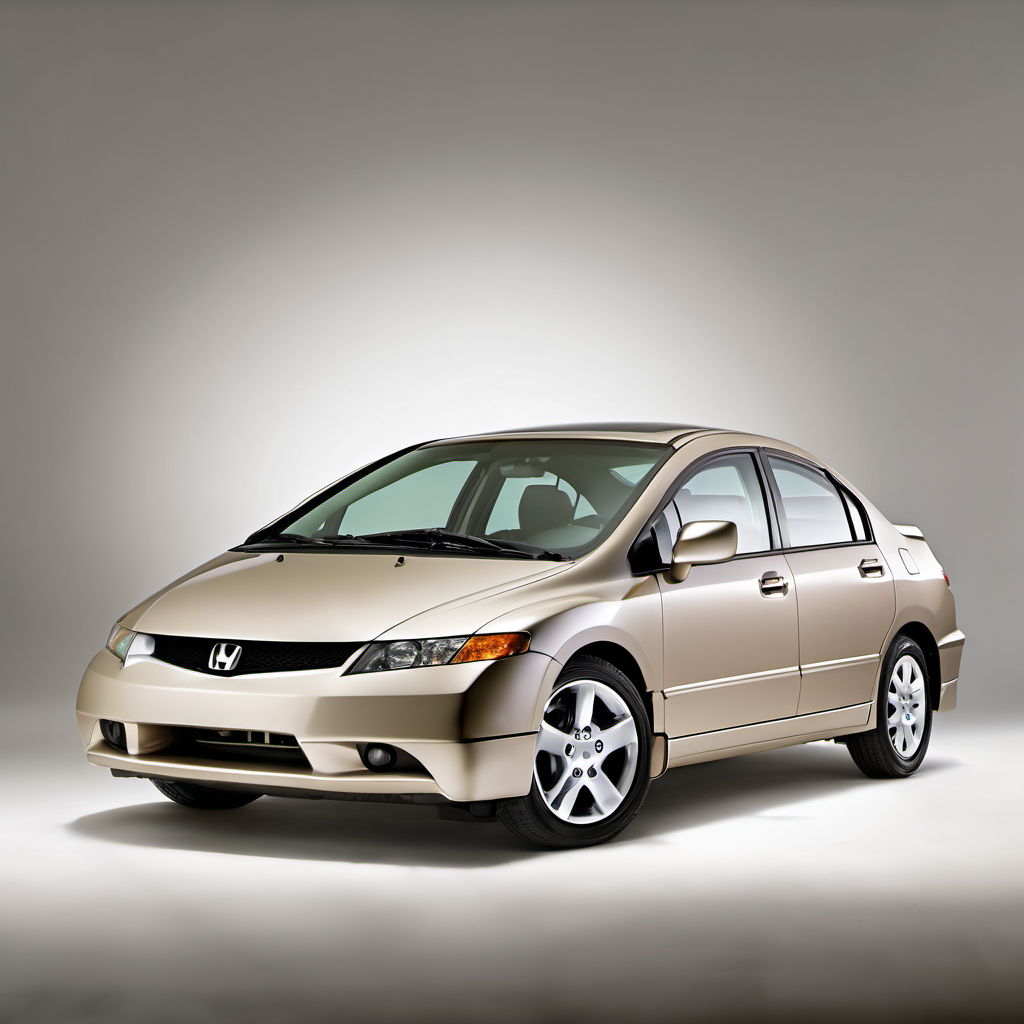
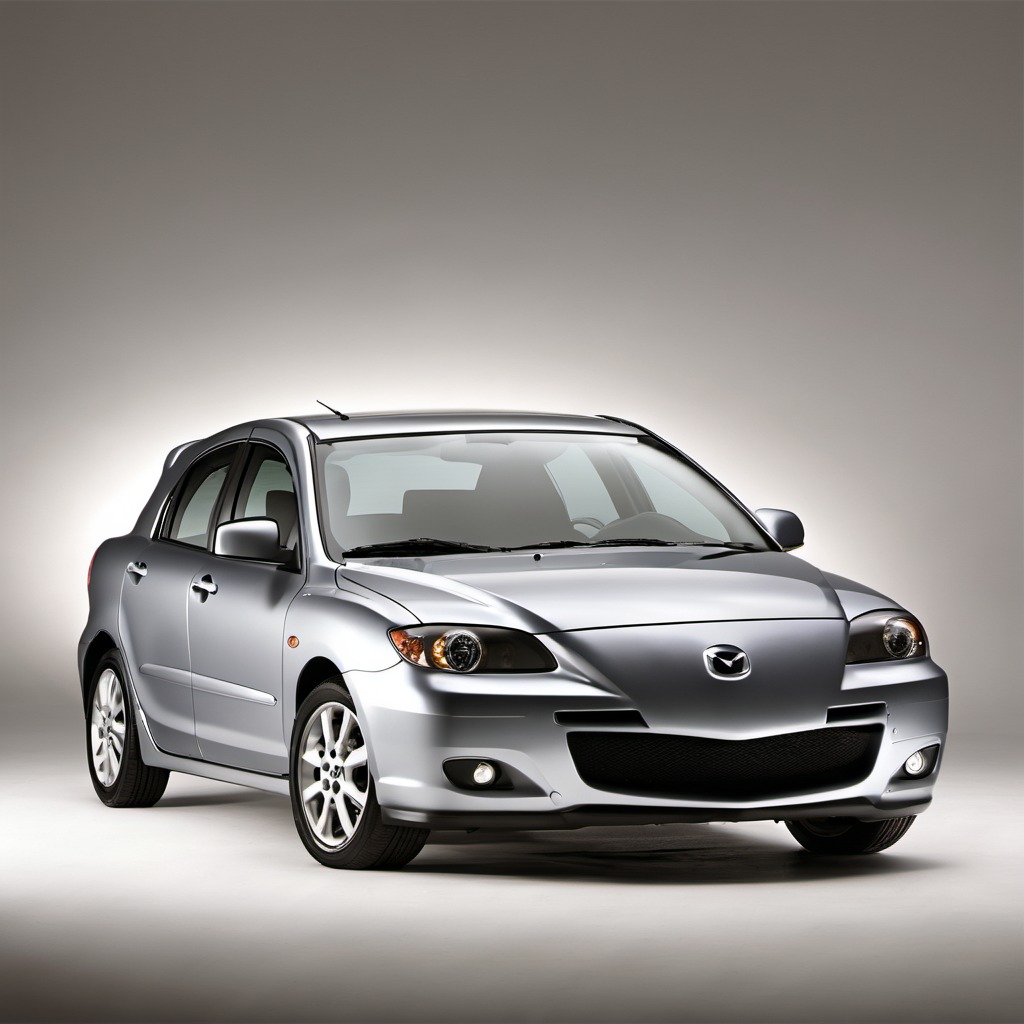
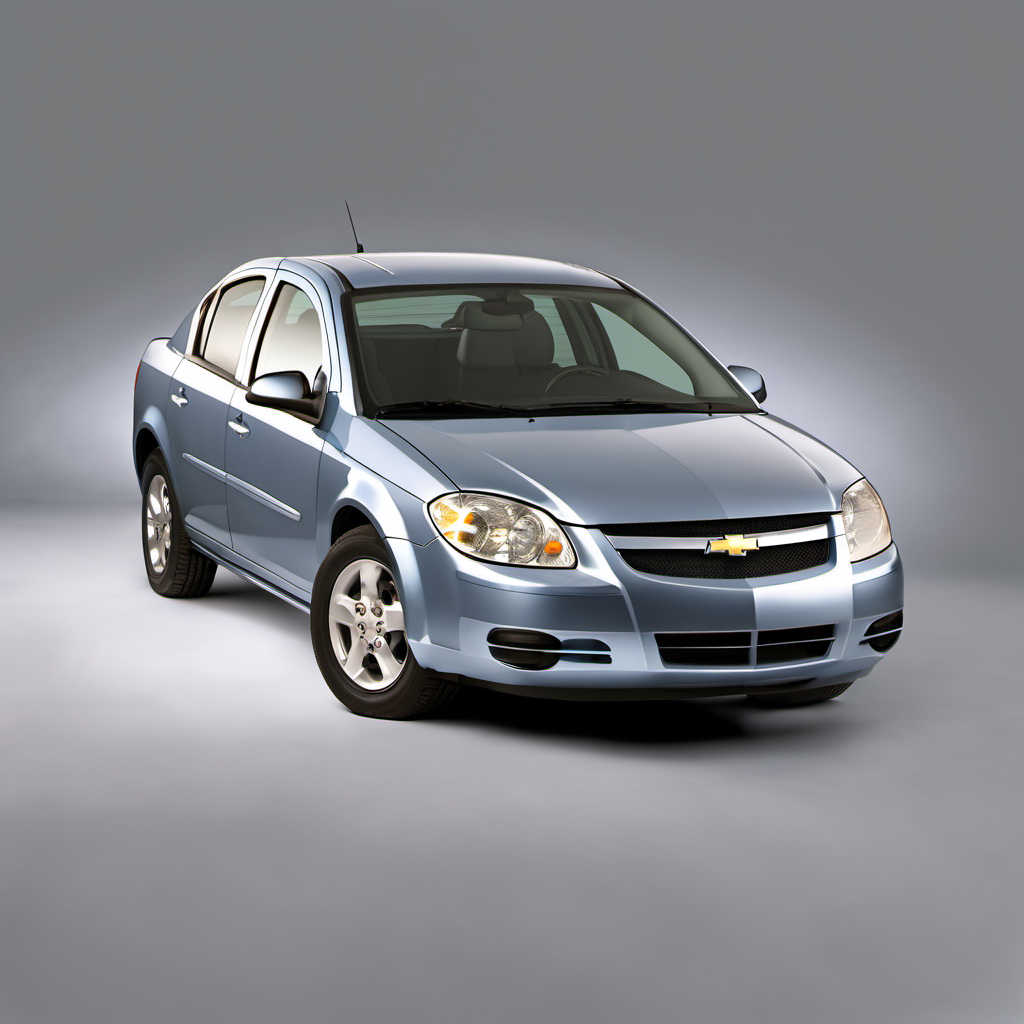
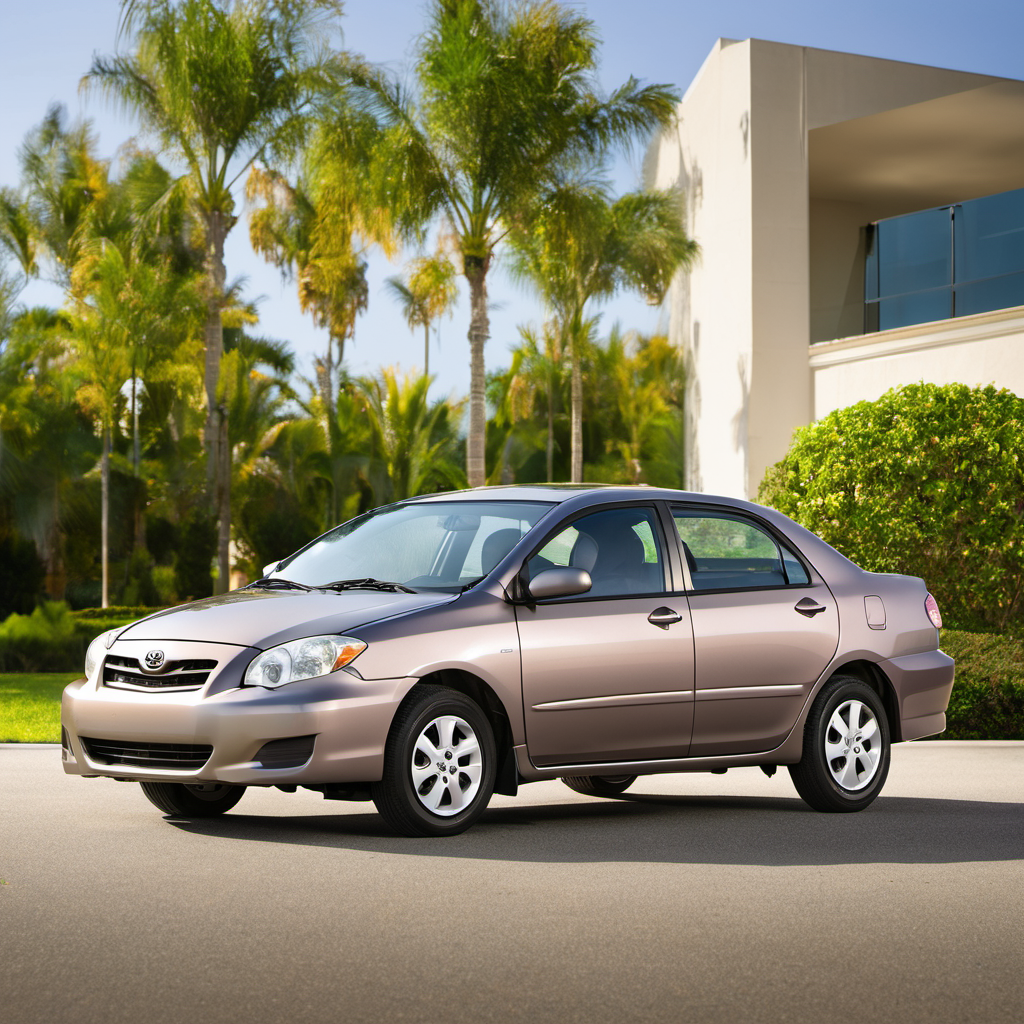
2007 Hyundai Elantra Sedan

2007 Hyundai

ElantraSedan

Sedan

The 2007 Hyundai Elantra is the third-generation (HD) version of Hyundai's compact sedan, a significant step up in refinement and interior quality over its predecessor. It arrived with a more aggressive design, a larger cabin, and a willing 2.0L four-cylinder that struck a solid balance between everyday drivability and fuel economy. For the money — new or used — it offered more interior space and features than many rivals at the time. By 2007, Hyundai's build quality had matured noticeably. The HD Elantra earned respectable reliability marks and became a favorite for budget-conscious buyers who still wanted a comfortable, reasonably equipped sedan. It's not exciting to drive, but it is honest and practical transportation. At this age (17+ years), most examples have well over 100k miles. The key variables are oil change discipline (sludge is a real risk on neglected engines) and whether the car has spent its life on salted Wisconsin roads — underbody and brake rust deserve a close look before buying.

Reliability
3/5
Verified data
Specs shown for Elantra — the most common configuration. Other trims may vary in engine, drivetrain, or fuel economy. Sign in to see your vehicle's exact specs.
Engine
[object Object]
Drivetrain
FWD
Fuel
Gasoline
MPG
25 city / 33 hwy / 28 combined
Seats
Doors
Body
Midsize Cars

Overview

AI-curated

The 2007 Hyundai Elantra is the third-generation (HD) version of Hyundai's compact sedan, a significant step up in refinement and interior quality over its predecessor. It arrived with a more aggressive design, a larger cabin, and a willing 2.0L four-cylinder that struck a solid balance between everyday drivability and fuel economy. For the money — new or used — it offered more interior space and features than many rivals at the time. By 2007, Hyundai's build quality had matured noticeably. The HD Elantra earned respectable reliability marks and became a favorite for budget-conscious buyers who still wanted a comfortable, reasonably equipped sedan. It's not exciting to drive, but it is honest and practical transportation. At this age (17+ years), most examples have well over 100k miles. The key variables are oil change discipline (sludge is a real risk on neglected engines) and whether the car has spent its life on salted Wisconsin roads — underbody and brake rust deserve a close look before buying.

Known for
  • Better-than-class interior space for a compact
  • Strong EPA fuel economy for a 2007 non-hybrid
  • Low base price new, low cost of ownership used
  • Surprisingly complete standard feature set for the era
Best for
  • Budget-minded daily commuters
  • First-time car owners
  • High-mileage city and highway drivers
  • Buyers who want a simple, easy-to-service compact
Watch for
  • Engine sludge from infrequent oil changes — a major killer on this generation
  • Rust on underbody, subframe, and brake lines from road salt exposure
  • Worn struts and control arm bushings at higher mileage
  • Aging automatic transmission on high-mileage examples

Common issues by mileage

6 known

Engine oil sludge buildup

high
Typically appears
60–150k mi
Estimated repair
$500 – $3,000

Front strut and strut mount wear

high
Typically appears
80–130k mi
Estimated repair
$300 – $700

Control arm bushing deterioration (front lower)

medium
Typically appears
90–150k mi
Estimated repair
$200 – $500

Oxygen sensor failure (upstream/downstream)

medium
Typically appears
80–120k mi
Estimated repair
$150 – $350

Automatic transmission shudder or delayed engagement

medium
Typically appears
100–160k mi
Estimated repair
$400 – $2,500

Brake line and underbody rust (salt-belt specific)

high
Typically appears
60k+ mi (age/salt-dependent)
Estimated repair
$300 – $1,500

Maintenance schedule

  1. 1
    Every 5,000 miles or 6 months — do not stretch to 7,500+ on this engine Engine oil and filter change

    The 2.0L Beta II engine is prone to oil sludge when intervals are extended. Frequent fresh oil is the single best thing you can do to protect this engine long-term.

  2. 2
    Every 30,000 miles Transmission fluid change (automatic)

    Hyundai's service intervals for the 4-speed are generous; real-world longevity improves significantly with more frequent fluid swaps, especially in stop-and-go driving.

  3. 3
    Every 30,000 miles or 2 years Coolant flush

    Aged coolant loses its corrosion inhibitors and can accelerate wear inside the water pump and radiator — both moderately expensive repairs on a budget car.

  4. 4
    Every 30,000 miles (copper/standard plugs) Spark plug replacement

    The Beta II engine responds noticeably to fresh plugs. Worn plugs contribute to misfires and rough idle, especially in cold Wisconsin starts.

  5. 5
    Every 15,000–20,000 miles or annually Air filter replacement

    A clogged filter hurts fuel economy and cold-weather starting performance — both relevant in Wisconsin winters.

  6. 6
    Every year, before winter Brake line and underbody inspection

    Salt-belt cars of this age are at high risk for corroded brake lines and subframe rust. Catching a soft line before it fails is a safety issue, not just a maintenance issue.

  7. 7
    Every 2 years or 30,000 miles Front strut inspection

    Wisconsin roads are hard on struts. Worn front struts affect handling and tire wear; at this vehicle's age most examples are on their second set or overdue.

  8. 8
    Every fall, before temperatures drop below freezing Battery load test

    The OEM-spec and replacement batteries on this car are small. A battery that passes a basic voltage test in summer can fail a cold-crank test at -10°F. Test it every autumn.

Always defer to the manufacturer's service manual for warranty-mandated intervals.

Cost of ownership

Annual maintenance
$400 – $900
Fuel
At 28 MPG combined and ~15,000 miles/year, expect roughly $1,500–$1,900/year at $3.00–$3.50/gal regular unleaded.
Insurance
Typically $900–$1,400/year for full coverage in Wisconsin at standard rates; liability-only can drop well below $700 depending on driver profile and county.

The 2007 Elantra is one of the cheaper compact sedans to own at this age. Parts are inexpensive and widely available. The biggest cost risk is deferred maintenance — particularly oil changes — which can turn a $400/year car into a $3,000 engine repair. Keep up with the basics and this car will reward you with low operating costs.
Seasonal care

Lake Geneva, WI
Winter
  • Load-test the battery every fall — cold cranking amps drop sharply at sub-zero temps and this car's small battery leaves little margin.
  • Switch to a 0W-20 or 5W-20 full synthetic oil before winter to improve cold starts and reduce sludge risk during warm-up cycles.
  • Flush and refill washer fluid with a -20°F or lower rated solution; the stock reservoir has no heater and freeze-ups are common on Wisconsin mornings.
  • Inspect brake lines and rubber brake hoses for rust and cracking — salt accelerates corrosion on lines that may already be borderline.
  • Check tire tread depth and consider winter tires; the FWD layout helps in snow but worn all-seasons on this light car become dangerous quickly.
  • Rinse the underbody every 2–3 weeks through the salting season to slow subframe and floor pan corrosion — especially important on a car this age.
Summer
  • Check tire pressure monthly — pressure drops roughly 1 PSI per 10°F of temperature change, and under-inflation hurts the already-modest fuel economy.
  • Inspect the A/C system for refrigerant charge and cabin filter condition; the evaporator on this generation can develop odor issues from moisture buildup.
  • Check coolant concentration — a 50/50 mix protects to around -34°F but also raises the boiling point, which matters during hot highway driving.
  • Inspect serpentine belt and belt tensioner for cracking or glazing; heat accelerates rubber degradation and a snapped belt leaves you stranded.

Comparable vehicles

If you're shopping for one

Red flags
  • Engine sludge visible at the oil cap or during a borescope inspection — engine replacement or teardown may be needed.
  • Visible rust perforation on the floor pan, rocker panels, or subframe mounting points — structural integrity concern.
  • Soft or spongy brake pedal — could indicate a failing or corroded brake line, a safety-critical issue.
  • Check engine light on or recent history of codes P0012, P0015, P0030–P0036 — may indicate VVT or O2 sensor problems tied to oil neglect or aging sensors.
  • Transmission slipping, flaring between shifts, or delayed engagement — rebuilds on this unit approach the car's market value.
  • Any evidence of flood or severe water intrusion — check for musty odor, damp carpet, or corrosion on interior electrical connectors.
What to inspect
  • Pull the oil cap and look for brown, mayonnaise-like sludge inside the valve cover — a clear indicator of neglected oil changes.
  • Cold-start the engine and listen for ticking or rattling in the first 10–30 seconds, which can signal sludge-related oil starvation in the valvetrain.
  • Check the automatic transmission for smooth, prompt engagement from Park to Drive and Reverse; any shudder or hunting between gears is a red flag.
  • Inspect the full underside for rust on the subframe, floor pan, and brake lines — Lake Geneva area cars are heavily salt-exposed.
  • Bounce each corner of the car and listen for clunking; worn strut mounts are common and the noise gets worse on Wisconsin roads.
  • Request a full oil change history — any gap longer than 7,500 miles is a sludge risk flag worth factoring into the price.
AI profile generated 4 days ago · claude-sonnet-4-6 · v2.