CVT Failure or Slipping
high- Typically appears
- 80–150k mi
- Estimated repair
- $2,800 – $4,500
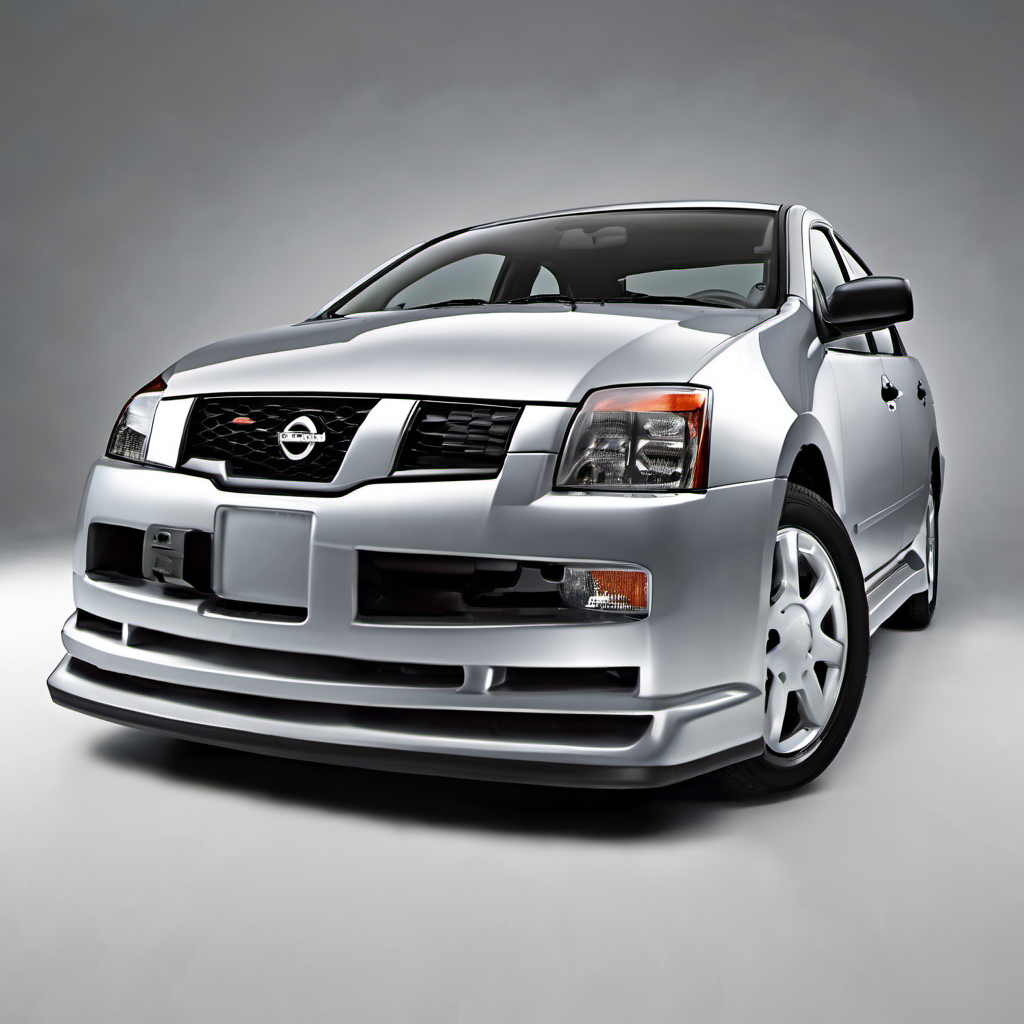
2007 Nissan
Sedan
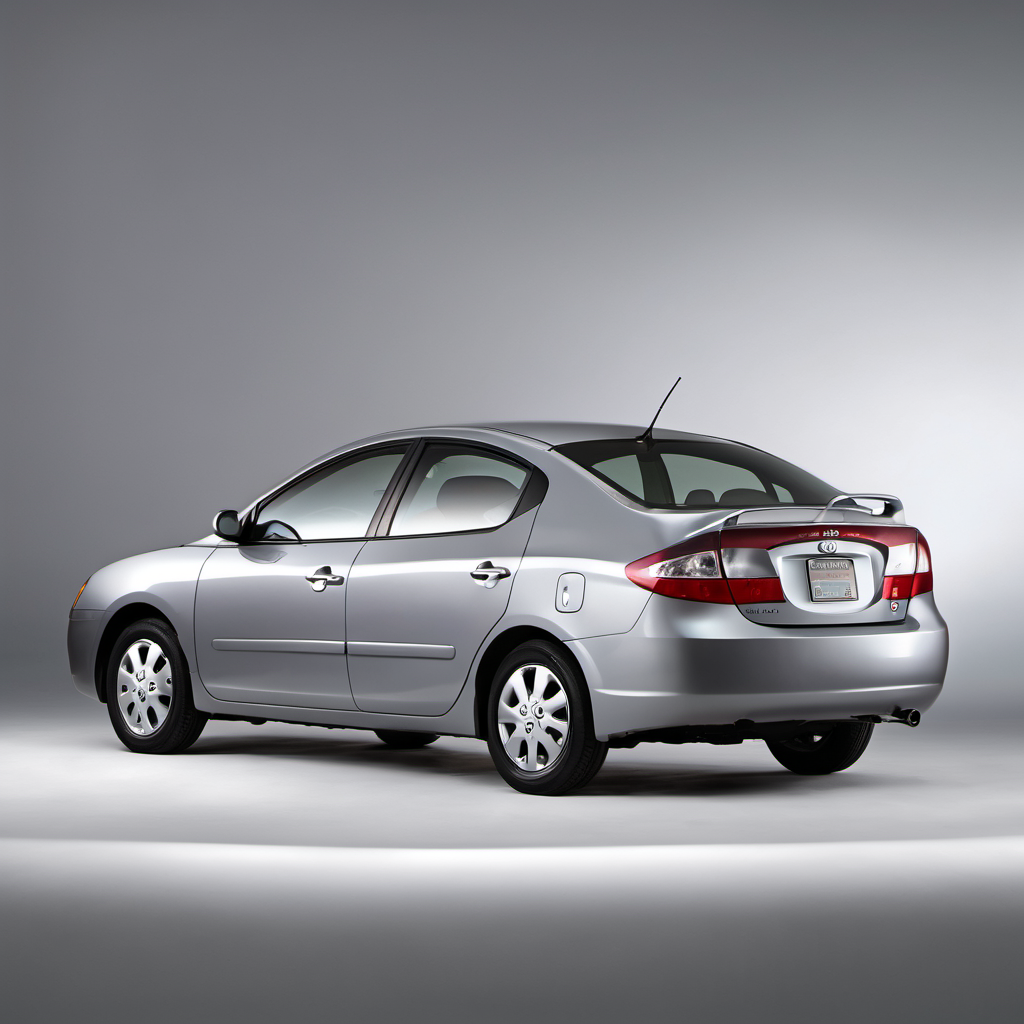
The 2007 Nissan Sentra represents the start of the B16 generation — a significant step up in size and refinement over its predecessor. It grew into a true compact sedan with a roomier interior, a more modern dashboard, and a notably larger engine than the outgoing model. For a budget-conscious buyer who wants a practical, fuel-efficient daily driver, it checks the right boxes. The base and S trims came with a 2.0L four-cylinder producing 140 hp, while the SE-R Spec V pushed things to a 2.5L with sport tuning. The continuously variable transmission (CVT) on most trims divides owners — some appreciate the smooth highway cruising, others find it uninspiring and worry about long-term durability. At this age (17+ years), most surviving examples have significant mileage and a maintenance history that varies widely. Parts availability is good, and independent shops can work on these without issue. It's a practical used car choice if the CVT and known rust points are evaluated carefully before buying.
The 2007 Nissan Sentra represents the start of the B16 generation — a significant step up in size and refinement over its predecessor. It grew into a true compact sedan with a roomier interior, a more modern dashboard, and a notably larger engine than the outgoing model. For a budget-conscious buyer who wants a practical, fuel-efficient daily driver, it checks the right boxes. The base and S trims came with a 2.0L four-cylinder producing 140 hp, while the SE-R Spec V pushed things to a 2.5L with sport tuning. The continuously variable transmission (CVT) on most trims divides owners — some appreciate the smooth highway cruising, others find it uninspiring and worry about long-term durability. At this age (17+ years), most surviving examples have significant mileage and a maintenance history that varies widely. Parts availability is good, and independent shops can work on these without issue. It's a practical used car choice if the CVT and known rust points are evaluated carefully before buying.
The CVT is the single most expensive component on this car. Nissan's factory interval is longer than most shops recommend. Fresh fluid noticeably reduces heat buildup and extends belt/pulley life.
The 2.0L is prone to oil consumption and timing chain wear if oil is run dirty or low. Check the level at every fill-up.
Stretched chains and worn tensioners on this engine can cause timing issues that lead to costly engine damage if ignored.
Brake fluid absorbs moisture over time. In Wisconsin winters, this contributes to internal corrosion in calipers and lines.
Salt-belt driving accelerates corrosion on this car's rocker panels, subframe mounts, and brake lines. Catching it early is far cheaper than welding or suspension repairs later.
Worn plugs cause rough idle and reduced fuel economy. The 2.0L four-cylinder is straightforward to service.
Degraded coolant loses freeze protection — critical for Wisconsin winters — and increases risk of water pump and thermostat corrosion.
Road salt and winter grime clog filters faster in the upper Midwest. A clean engine air filter directly supports fuel economy.
Always defer to the manufacturer's service manual for warranty-mandated intervals.
The Sentra is genuinely cheap to own day-to-day. Routine maintenance is affordable and DIY-friendly. The big financial risk is the CVT — a failure can cost more than the car is worth on a high-mileage example. Keep CVT fluid fresh, stay on top of oil changes, and budget for eventual suspension wear. If those are managed, this is one of the lower-cost-to-operate vehicles in its class.
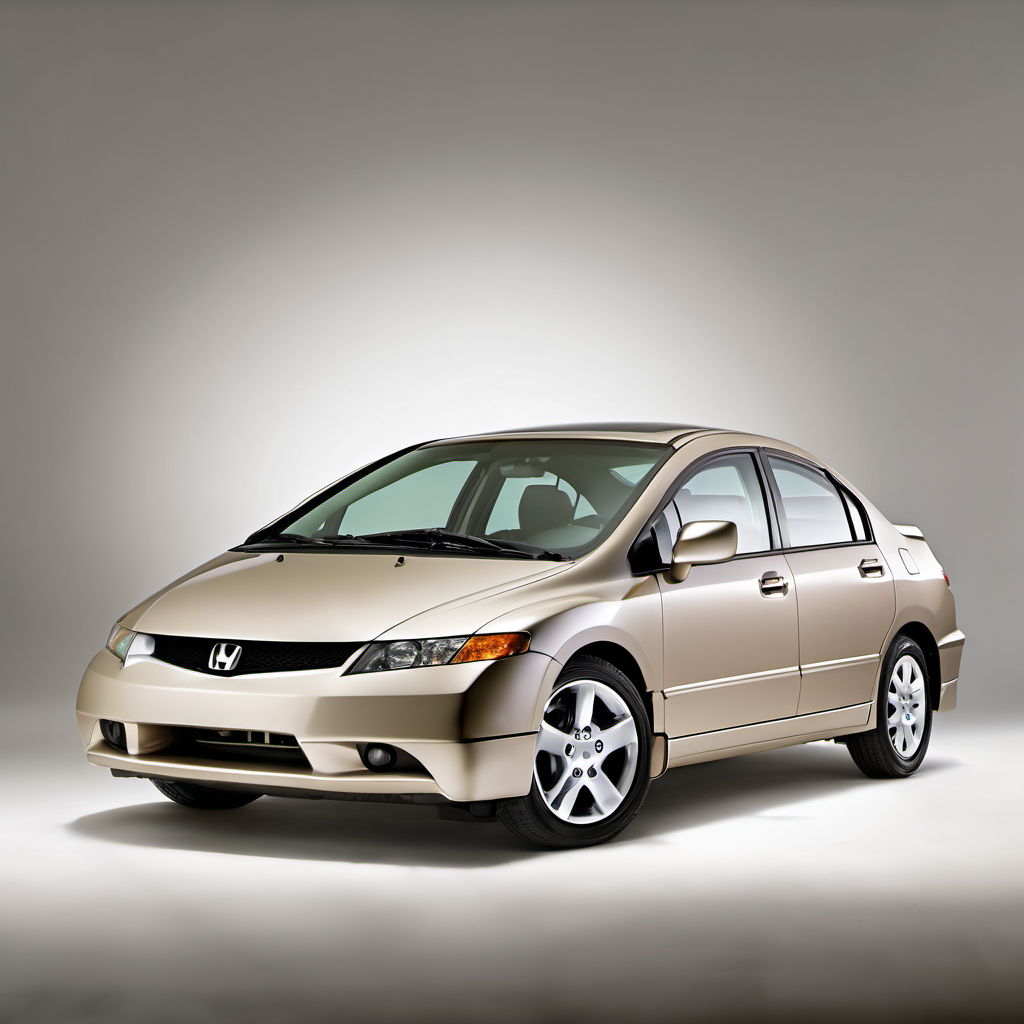
The direct class rival — slightly better long-term reliability reputation, similar fuel economy, and stronger resale. Easier to find with documented maintenance history.
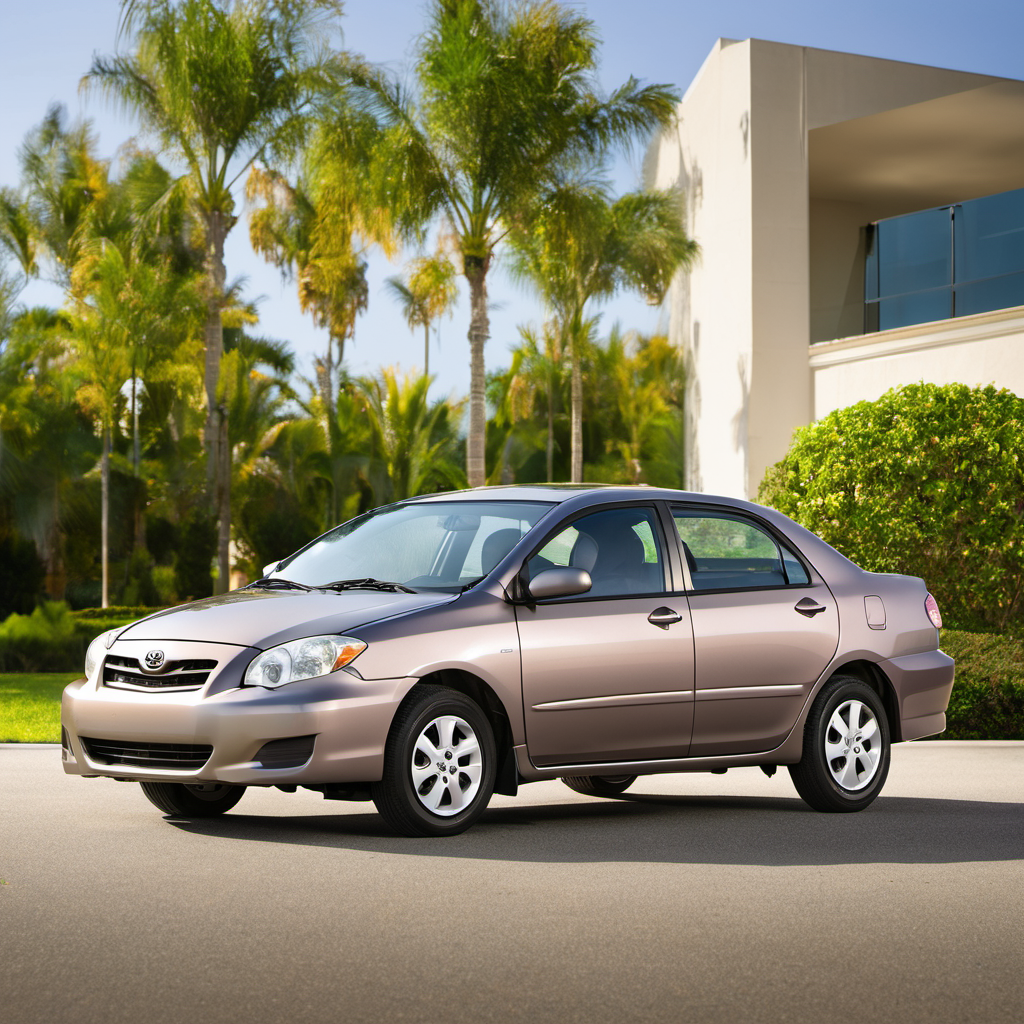
Same segment, similar price point, and arguably the most reliable option in the class. Less interior space than the Sentra but better proven powertrain longevity.
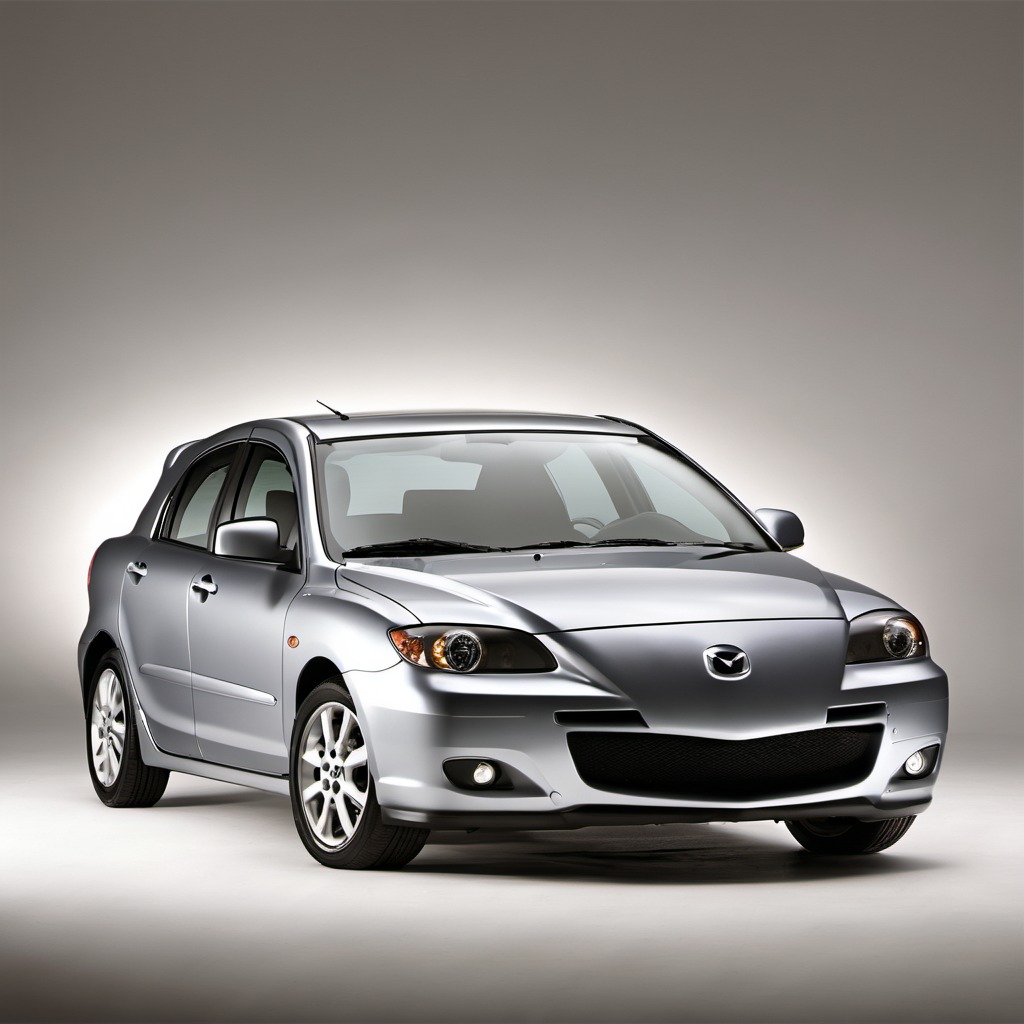
More engaging to drive than the Sentra with a conventional automatic transmission option — no CVT risk. Comparable fuel economy and ownership costs.
Similarly priced used, slightly larger trunk, and conventional automatic transmission. Rust can also be an issue on salt-belt examples — inspect the same areas.