VVT-i Oil Line Sludge / Timing System Faults
medium- Typically appears
- 80–150k mi
- Estimated repair
- $300 – $1,200
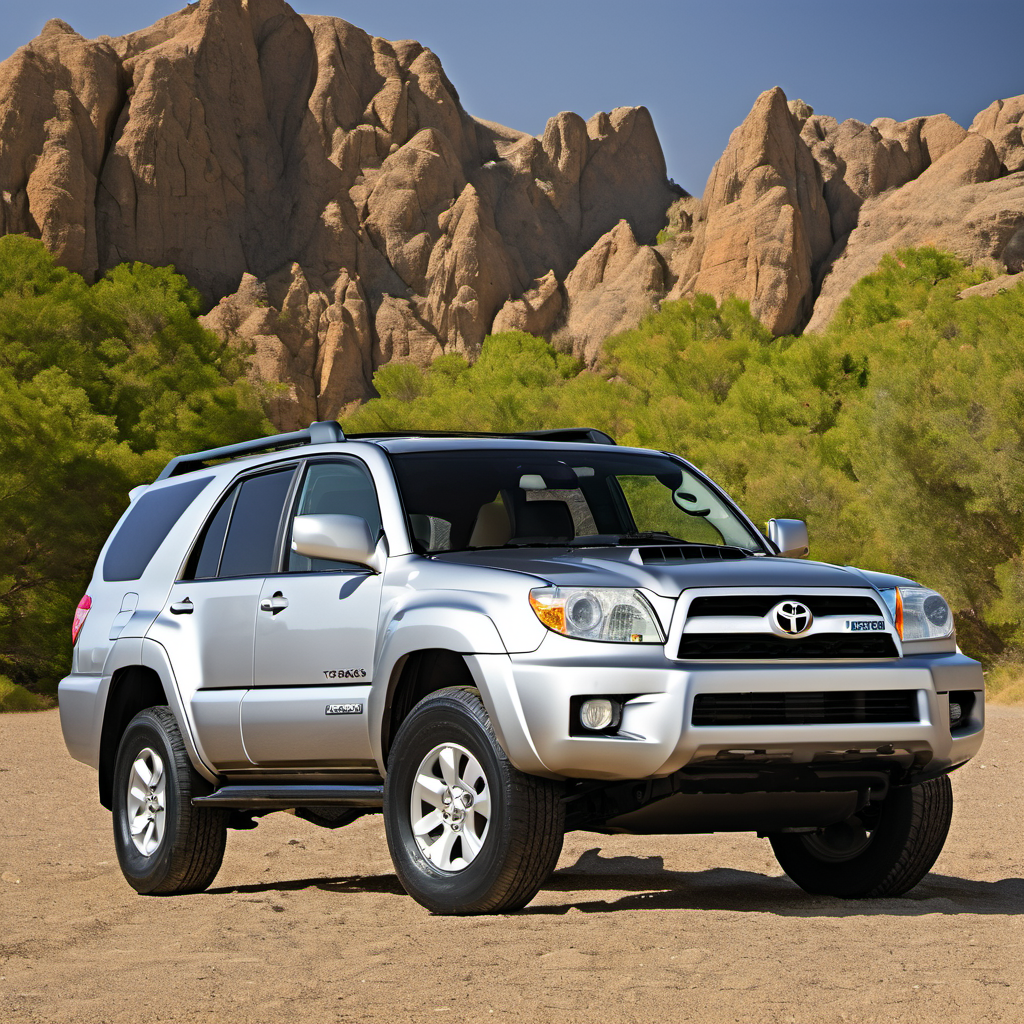
2007 Toyota
SUV
The 2007 Toyota 4Runner is a fourth-generation body-on-frame midsize SUV known for its rugged reliability and off-road capability. Powered by Toyota's proven 4.0L 1GR-FE V6, it delivers a strong balance of towing capability (up to 5,000 lbs), trail-ready hardware, and long-term durability that few competitors can match. By 2007 the platform had been thoroughly sorted out, making it one of the more dependable years in the generation. This generation (2003–2009) was Toyota's last 4Runner to fully embrace traditional truck-SUV architecture — it rides on a ladder frame with a live rear axle on 4WD models and a double-wishbone front suspension. That construction is a big reason well-maintained examples routinely crack 200k–250k miles without major mechanical drama. For buyers in the upper Midwest, the 4Runner's high ground clearance, available 4WD, and robust build quality make it a natural fit for Wisconsin winters and rural driving. The tradeoff is modest fuel economy and a cabin that feels dated compared to modern crossovers — but owners who prioritize longevity and capability consistently rate this truck among the best used buys in its class.
The 2007 Toyota 4Runner is a fourth-generation body-on-frame midsize SUV known for its rugged reliability and off-road capability. Powered by Toyota's proven 4.0L 1GR-FE V6, it delivers a strong balance of towing capability (up to 5,000 lbs), trail-ready hardware, and long-term durability that few competitors can match. By 2007 the platform had been thoroughly sorted out, making it one of the more dependable years in the generation. This generation (2003–2009) was Toyota's last 4Runner to fully embrace traditional truck-SUV architecture — it rides on a ladder frame with a live rear axle on 4WD models and a double-wishbone front suspension. That construction is a big reason well-maintained examples routinely crack 200k–250k miles without major mechanical drama. For buyers in the upper Midwest, the 4Runner's high ground clearance, available 4WD, and robust build quality make it a natural fit for Wisconsin winters and rural driving. The tradeoff is modest fuel economy and a cabin that feels dated compared to modern crossovers — but owners who prioritize longevity and capability consistently rate this truck among the best used buys in its class.
Clean oil is the single most important factor in preventing VVT-i sludge issues. Extended intervals on this engine are not worth the risk.
Frequently skipped. Worn gear oil leads to differential wear and chatter. Especially important if the truck has been used for towing or off-road.
Same reasoning as the rear diff — neglect here is expensive. A fluid change at purchase is cheap peace of mind on any high-mileage example.
The 1GR-FE has tight plug access on the rear bank. Using OEM Toyota iridium plugs ensures proper fitment and longevity. Do not use cheap copper plugs and expect them to last.
Toyota Super Long Life Coolant is used from the factory. Mixing coolant types or running degraded coolant causes water pump and thermostat issues.
Sludge buildup in these passages is the root cause of most VVT-i DTC codes. A proactive inspection and flush costs far less than actuator replacement.
Wisconsin road salt is the primary long-term threat to this vehicle. Check frame rails, spring hangers, and brake lines annually. Early treatment with rust inhibitor extends frame life significantly.
Brake fluid absorbs moisture over time, lowering its boiling point and corroding internal brake components. In a Wisconsin winter-use vehicle this matters more than average.
Always defer to the manufacturer's service manual for warranty-mandated intervals.
The 4Runner has low maintenance costs relative to comparable trucks and SUVs when properly cared for — it just doesn't need much done to it. The real costs come from fuel (poor MPG), rust remediation if undercarriage maintenance was skipped, and the premium used-market price. Budget $600–$900/year for routine maintenance on a healthy example; add $500–$1,400 in years when major service items (plugs, diff fluids, brakes) come due.

Same era midsize body-on-frame SUV, similar price range on the used market, seats 5–7. Less reliable long-term than the 4Runner and more prone to expensive drivetrain issues, but more common and parts are cheap.
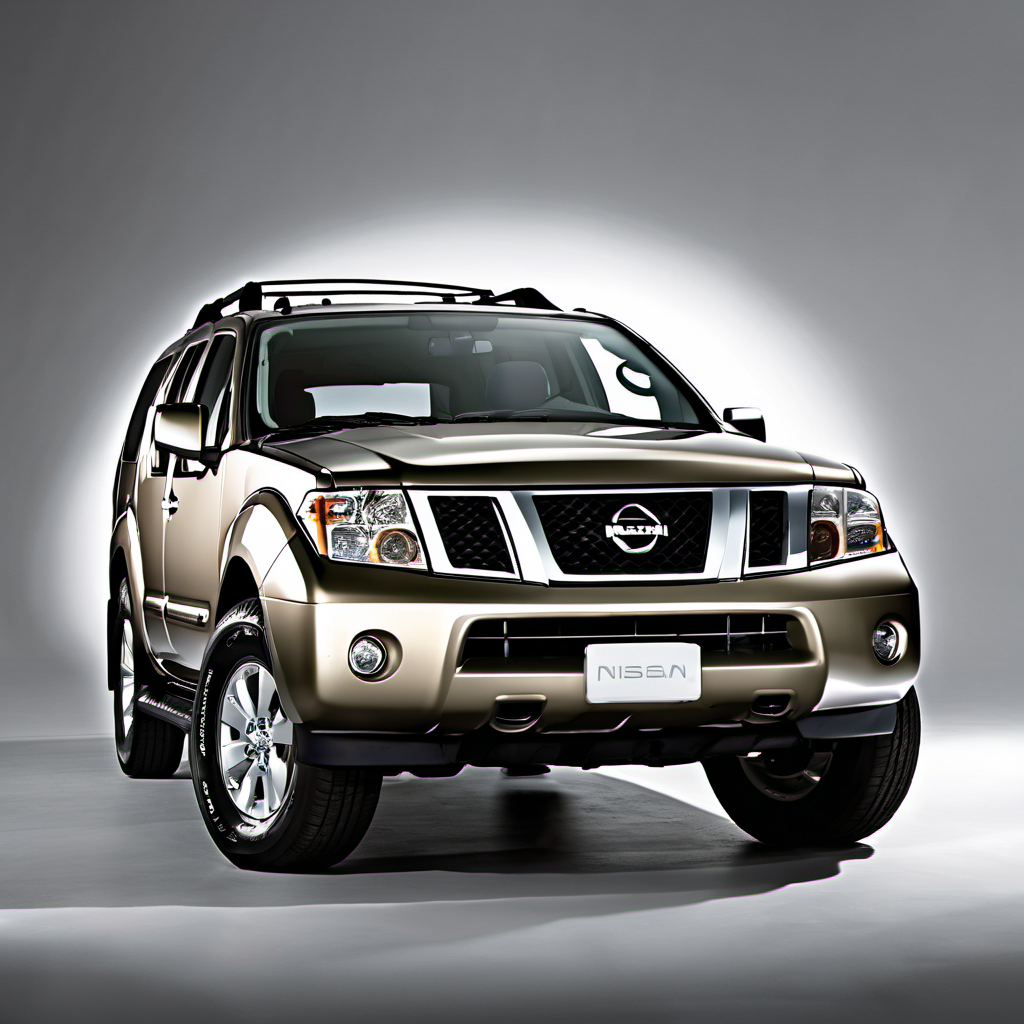
Direct competitor in the midsize SUV segment with a capable V6. The 2005–2007 Pathfinder has documented transmission cooling issues; reliability doesn't match the 4Runner, but it's typically priced lower on the used market.
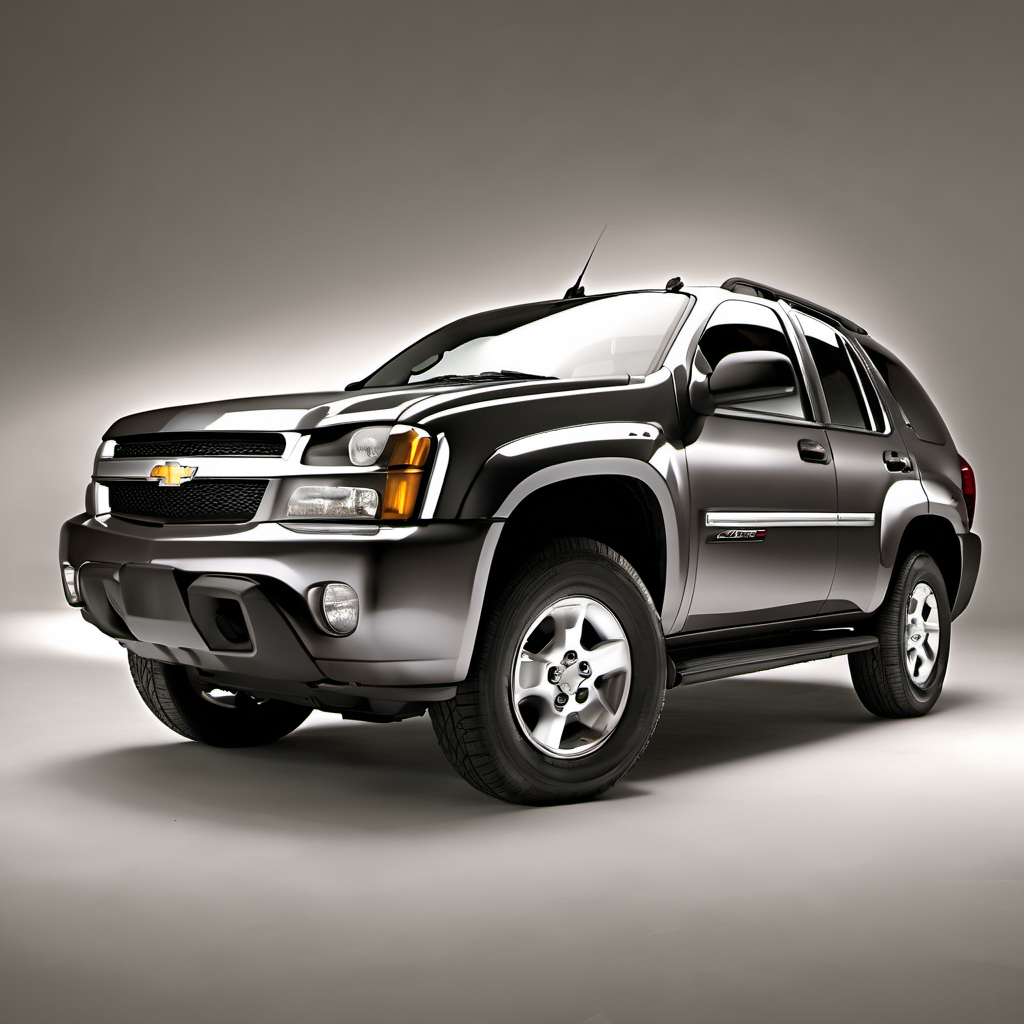
Body-on-frame, V6 or inline-6 power, capable off-road hardware, lower used-market asking price. Less long-term reliability pedigree than Toyota but solid when maintained. Good alternative for buyers with a tighter budget.
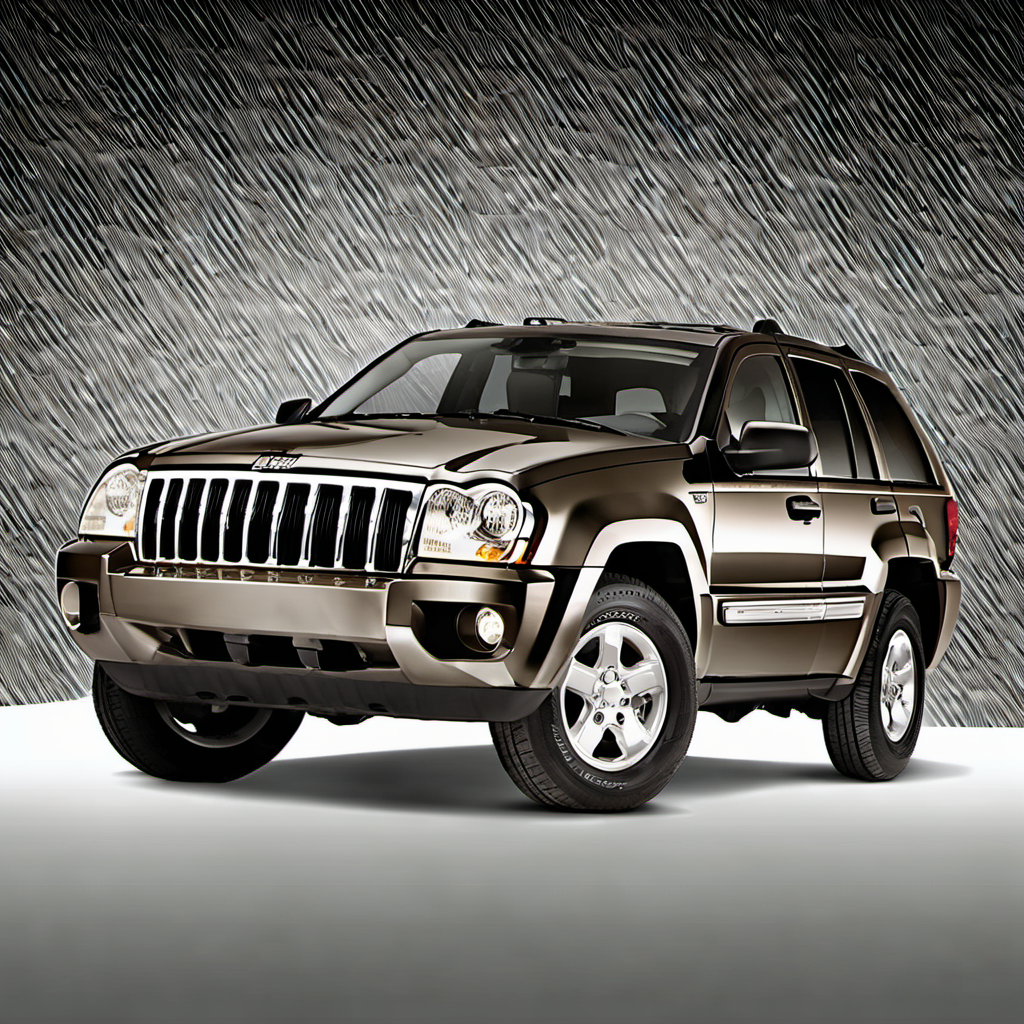
Similar price, similar off-road capability with Quadra-Drive option, more car-like on-road feel. Significantly higher long-term maintenance costs and lower reliability scores than the 4Runner — the tradeoff is a more modern interior feel.