Timing chain stretch / VTC actuator rattle
high- Typically appears
- 80–150k mi
- Estimated repair
- $800 – $2,200
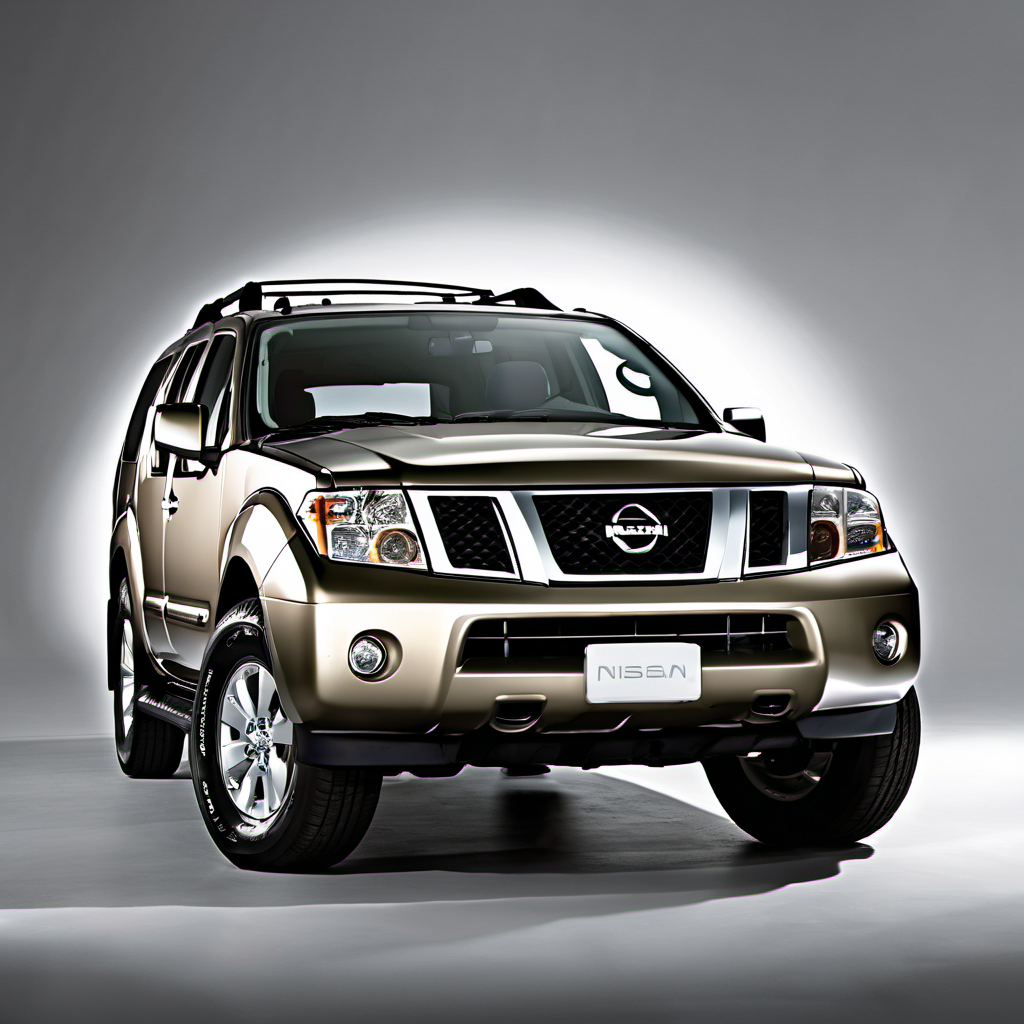
2007 Nissan
SUV
The 2007 Nissan Pathfinder is a third-generation (R51) body-on-frame SUV built on a truck platform shared with the Frontier and Xterra. It slots above the Xterra in Nissan's lineup and competes directly with the Toyota 4Runner and Ford Explorer. The standard powertrain is a 4.0L DOHC V6 producing 270 hp, mated to a 5-speed automatic, with rear-wheel drive as the base configuration and available 4WD. Pathfinders from this generation earned a reputation for a comfortable, car-like ride relative to its truck-based peers, with genuine off-road chops when equipped with 4WD. The cabin is spacious and available in 7-passenger configuration, making it practical for families. Fuel economy is a weak point — expect real-world numbers closer to the city estimate on Wisconsin back roads. Owners who stay on top of oil changes and address the VQ40DE engine's known timing chain and VVEL oil pressure issues early are often rewarded with high-mileage service life. Those who don't can face expensive internal engine repairs. Know what you're buying and plan a disciplined maintenance schedule.
The 2007 Nissan Pathfinder is a third-generation (R51) body-on-frame SUV built on a truck platform shared with the Frontier and Xterra. It slots above the Xterra in Nissan's lineup and competes directly with the Toyota 4Runner and Ford Explorer. The standard powertrain is a 4.0L DOHC V6 producing 270 hp, mated to a 5-speed automatic, with rear-wheel drive as the base configuration and available 4WD. Pathfinders from this generation earned a reputation for a comfortable, car-like ride relative to its truck-based peers, with genuine off-road chops when equipped with 4WD. The cabin is spacious and available in 7-passenger configuration, making it practical for families. Fuel economy is a weak point — expect real-world numbers closer to the city estimate on Wisconsin back roads. Owners who stay on top of oil changes and address the VQ40DE engine's known timing chain and VVEL oil pressure issues early are often rewarded with high-mileage service life. Those who don't can face expensive internal engine repairs. Know what you're buying and plan a disciplined maintenance schedule.
The VQ40DE's timing chain and VTC actuators are extremely sensitive to oil quality and pressure. Sludge buildup from extended intervals is the root cause of the most expensive repairs on this engine. Use the specified viscosity (5W-30) and do not skip.
Pull the transmission dipstick and look for milky, pink, or foamy fluid. If found, stop driving and have the radiator and transmission inspected immediately. Catching this early is the difference between a $400 fix and a $4,000 one.
Nissan's 'lifetime' fluid claim is not realistic for a high-mileage vehicle in a state with temperature extremes. Fresh fluid extends transmission life and helps identify early coolant contamination.
A rattle in the first 5–10 seconds of a cold start signals chain or actuator wear. Catching it early saves the engine. Replacement before catastrophic failure is far cheaper than after.
Gear oil breaks down and moisture intrusion is common after Wisconsin winters. Fresh fluid prevents bearing and gear wear in the rear differential and transfer case.
Salt accumulates in frame pockets and around brake and fuel lines. An annual wash and inspection catches developing rust before it becomes structural. Rustproofing treatment on frame rails extends service life significantly.
Brake fluid absorbs moisture over time, lowering its boiling point. In a heavier SUV used for winter driving, this is safety-critical. Moisture also accelerates internal caliper and wheel cylinder corrosion.
The V6 uses 6 plugs that are moderately accessible. Running worn plugs strains the ignition coils and hurts fuel economy — already a weak point on this vehicle.
Always defer to the manufacturer's service manual for warranty-mandated intervals.
Day-to-day costs are manageable if maintenance is kept current. The financial danger zone is deferred maintenance leading to the radiator/transmission failure or a timing chain job — either can run $2,000–$5,000+ in a single visit. Budget a contingency fund if buying a high-mileage example with unknown service history.
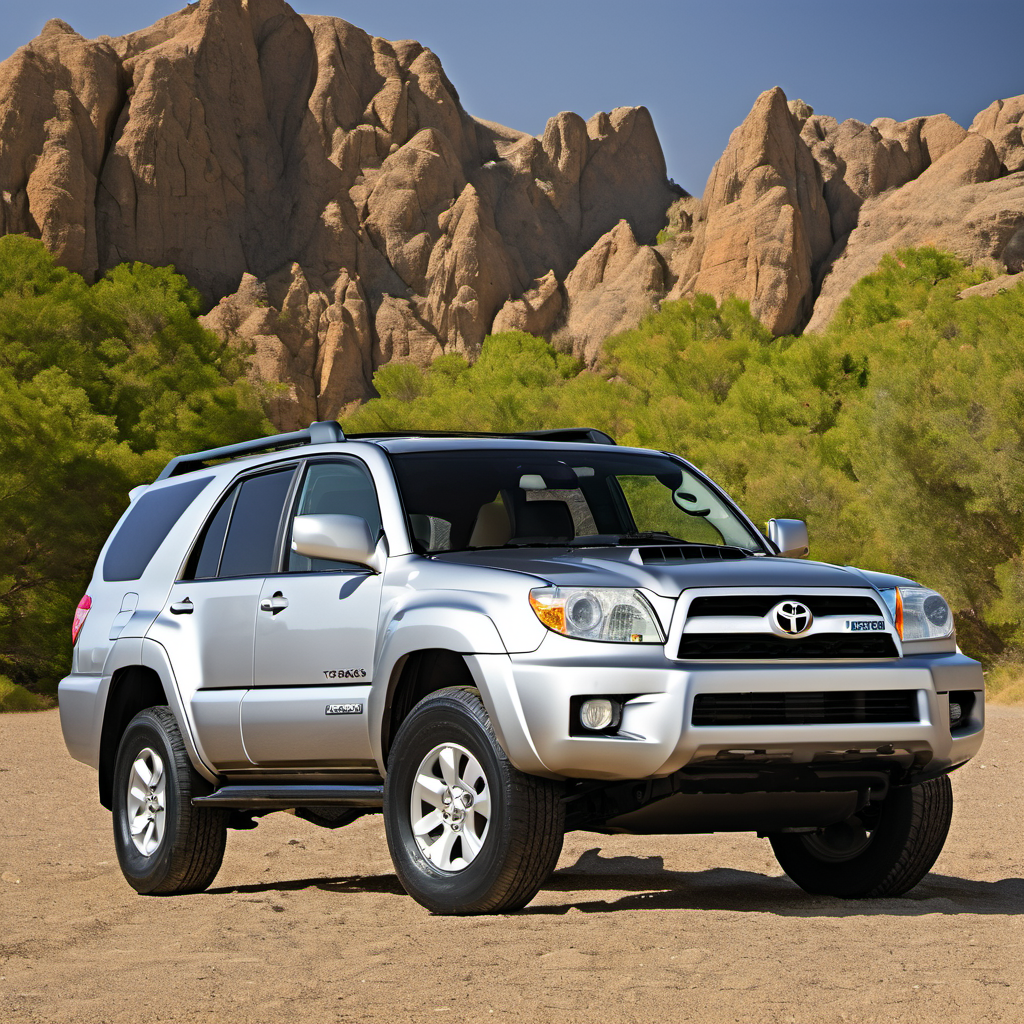
Same body-on-frame truck-based SUV segment, similar V6 power and towing, with a significantly stronger long-term reliability record. Generally commands a price premium but justifies it.

Similar price point and 3-row family SUV mission. The Explorer is car-based (unibody), so a softer ride but less off-road capability. Has its own issues (spark plug issues on V8) but a different cost profile.
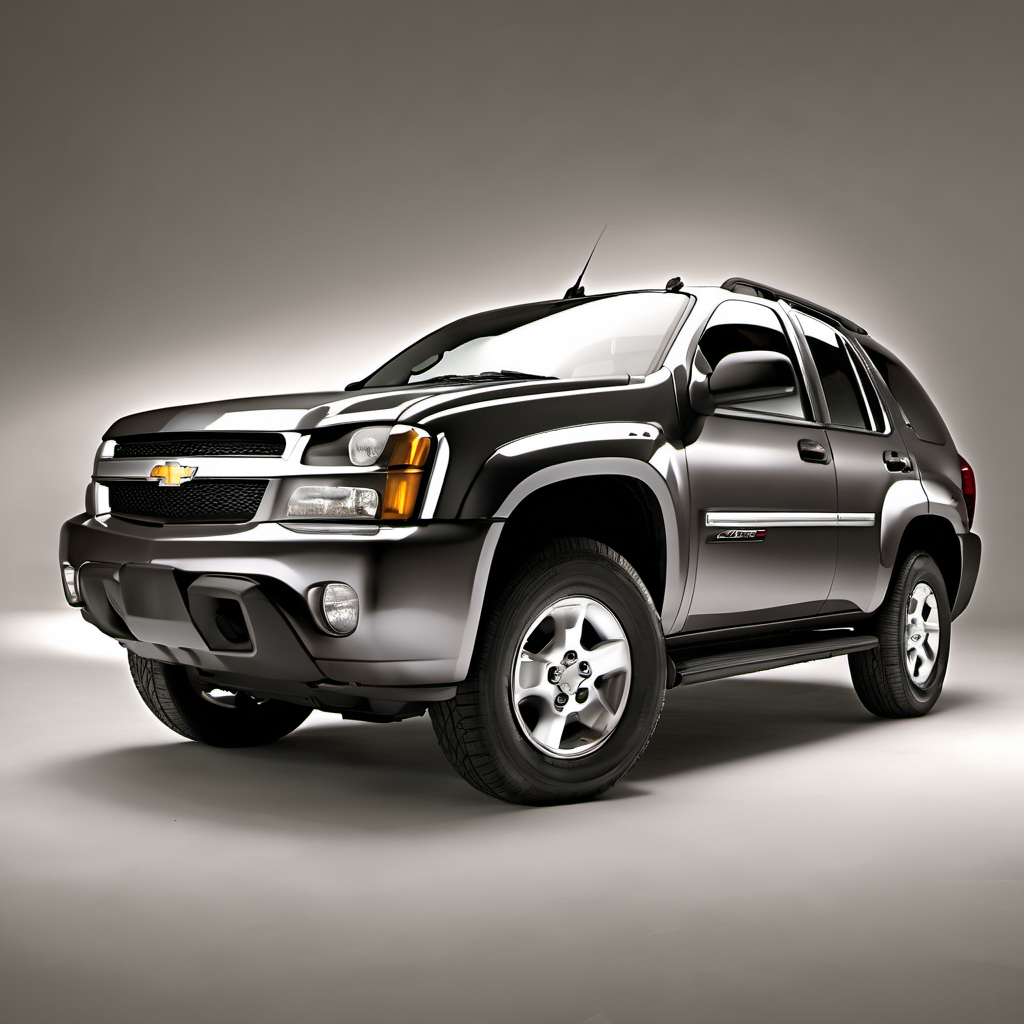
Truck-based, similar size and price, available with inline-6 or V8. A solid alternative for buyers wanting body-on-frame durability with GM parts availability in the Midwest.
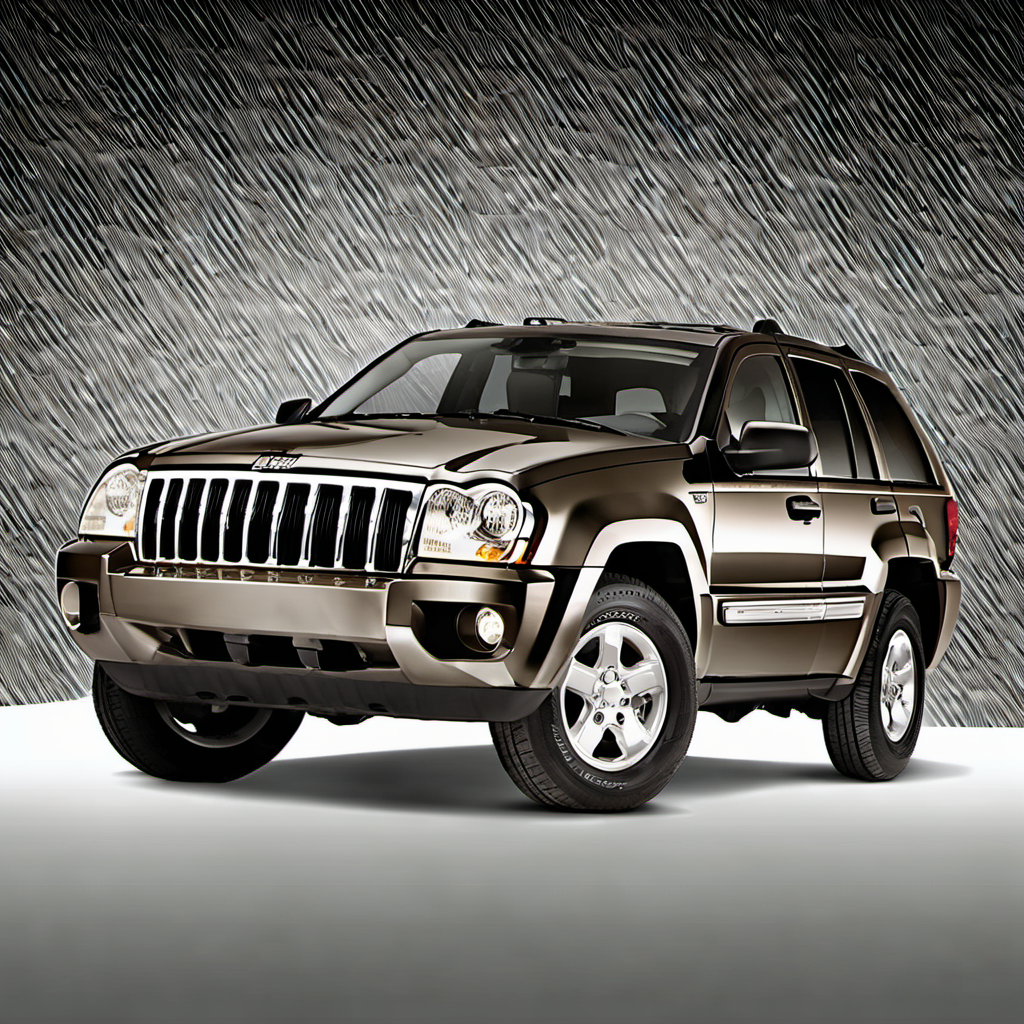
Competes in the same 4WD family SUV space with similar pricing. Strong off-road credentials, but this generation has known electronic and air suspension issues. Worth comparing if off-road use is a priority.