TIPM (Totally Integrated Power Module) Failure
high- Typically appears
- 80–130k mi
- Estimated repair
- $400 – $1,100
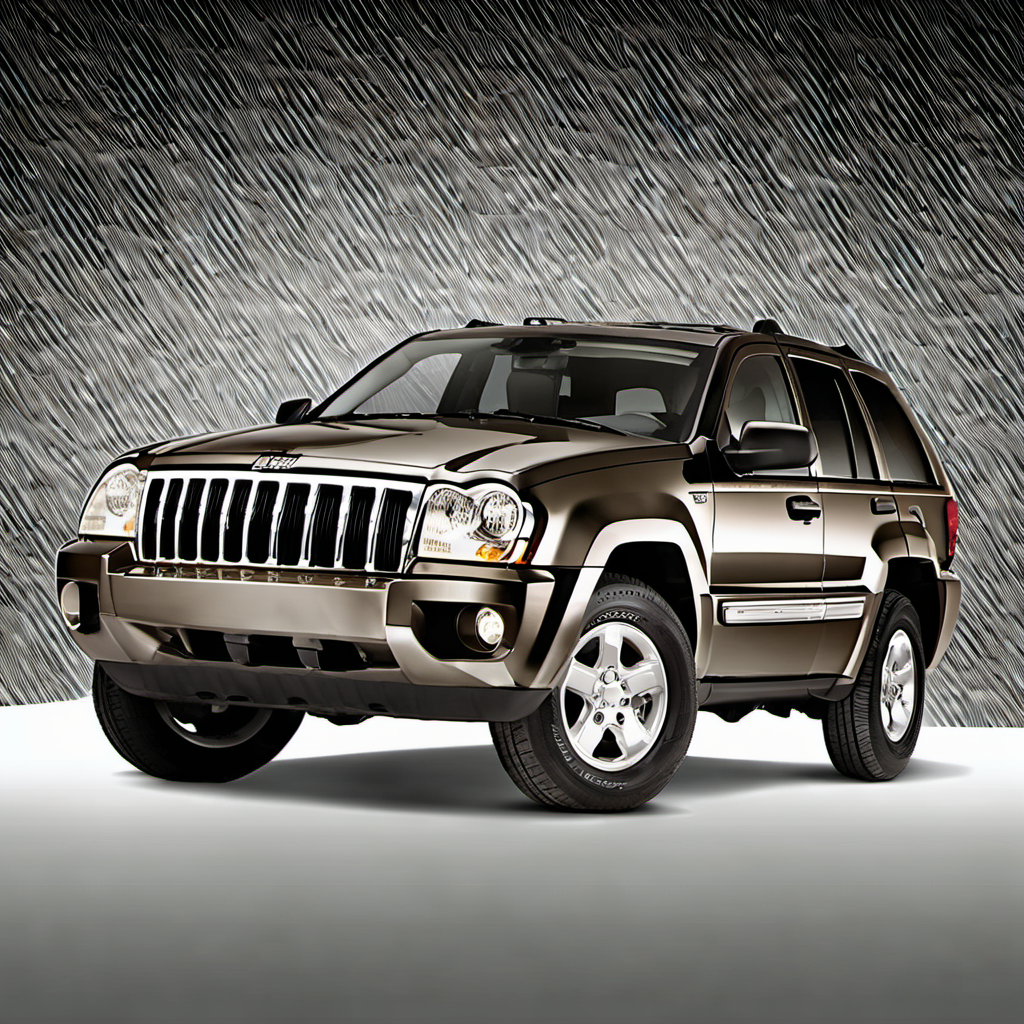
2007 Jeep
SUV
The 2007 Jeep Grand Cherokee is the second year of the WK generation (2005–2010), a body-on-frame-style mid-size SUV that blends genuine off-road capability with a reasonably comfortable interior. It slots between the budget-friendly Cherokee/Liberty and the larger Commander in Jeep's lineup. The 3.7L V6 was the base engine, paired with a 5-speed automatic and standard Quadra-Trac I or optional Quadra-Drive II four-wheel drive systems. By 2007, most early WK teething issues had been addressed, but the platform still carries known weak points around the rear differential, ball joints, and electronics. Fuel economy is poor by modern standards — 15/20 mpg — so buyers should factor pump costs into ownership math, especially with Wisconsin commuting. As a used buy, the 2007 Grand Cherokee can be a solid value if it has been maintained and the frame/undercarriage are rust-free. Given Wisconsin road salt, that last point cannot be overstated — rust is the biggest killer of WK Grand Cherokees in the upper Midwest.
The 2007 Jeep Grand Cherokee is the second year of the WK generation (2005–2010), a body-on-frame-style mid-size SUV that blends genuine off-road capability with a reasonably comfortable interior. It slots between the budget-friendly Cherokee/Liberty and the larger Commander in Jeep's lineup. The 3.7L V6 was the base engine, paired with a 5-speed automatic and standard Quadra-Trac I or optional Quadra-Drive II four-wheel drive systems. By 2007, most early WK teething issues had been addressed, but the platform still carries known weak points around the rear differential, ball joints, and electronics. Fuel economy is poor by modern standards — 15/20 mpg — so buyers should factor pump costs into ownership math, especially with Wisconsin commuting. As a used buy, the 2007 Grand Cherokee can be a solid value if it has been maintained and the frame/undercarriage are rust-free. Given Wisconsin road salt, that last point cannot be overstated — rust is the biggest killer of WK Grand Cherokees in the upper Midwest.
The 3.7L V6 depends on clean oil to protect its valve train. Extended drain intervals accelerate sludge buildup, especially in stop-and-go driving.
Neglected transfer case fluid is the primary cause of shift motor and chain wear on the Quadra-Trac system. Rear differential fluid should include additive replenishment on limited-slip units.
These are a known wear item on the WK platform. Failed ball joints cause rapid tire wear and can lead to loss of steering control.
Brake fluid absorbs moisture over time, lowering boiling point and promoting internal corrosion — especially important given Wisconsin's wet winters.
The 3.7L uses standard copper-tip plugs. Worn plugs cause rough idle, poor fuel economy, and can mask camshaft timing issues.
OAT coolant degrades and becomes acidic, attacking gaskets and the aluminum thermostat housing. Sub-zero Wisconsin temps make a fresh mix critical.
Frame rails, rear suspension mounts, and brake lines are rust-prone on Midwest examples. Catching early surface rust before it reaches structural components preserves vehicle value and safety.
The TIPM is sensitive to low voltage — a weak battery can trigger cascading electrical faults. Cold-crank performance drops sharply below 0°F in Wisconsin winters.
Always defer to the manufacturer's service manual for warranty-mandated intervals.
The 2007 Grand Cherokee 3.7L is a moderately expensive vehicle to own. Fuel costs are the biggest line item given its poor efficiency. Maintenance stays reasonable if you stay on top of fluids and address ball joints before they become a tow-in. The wildcard is deferred maintenance and rust — a well-kept example costs little extra; a neglected one can surprise you with $2,000–$4,000 repair bills in a single year.

Same segment, similar price, available 4WD and V6/V8 options. More car-like on-road but less capable off-road. Generally better parts availability and lower electrical failure rates.
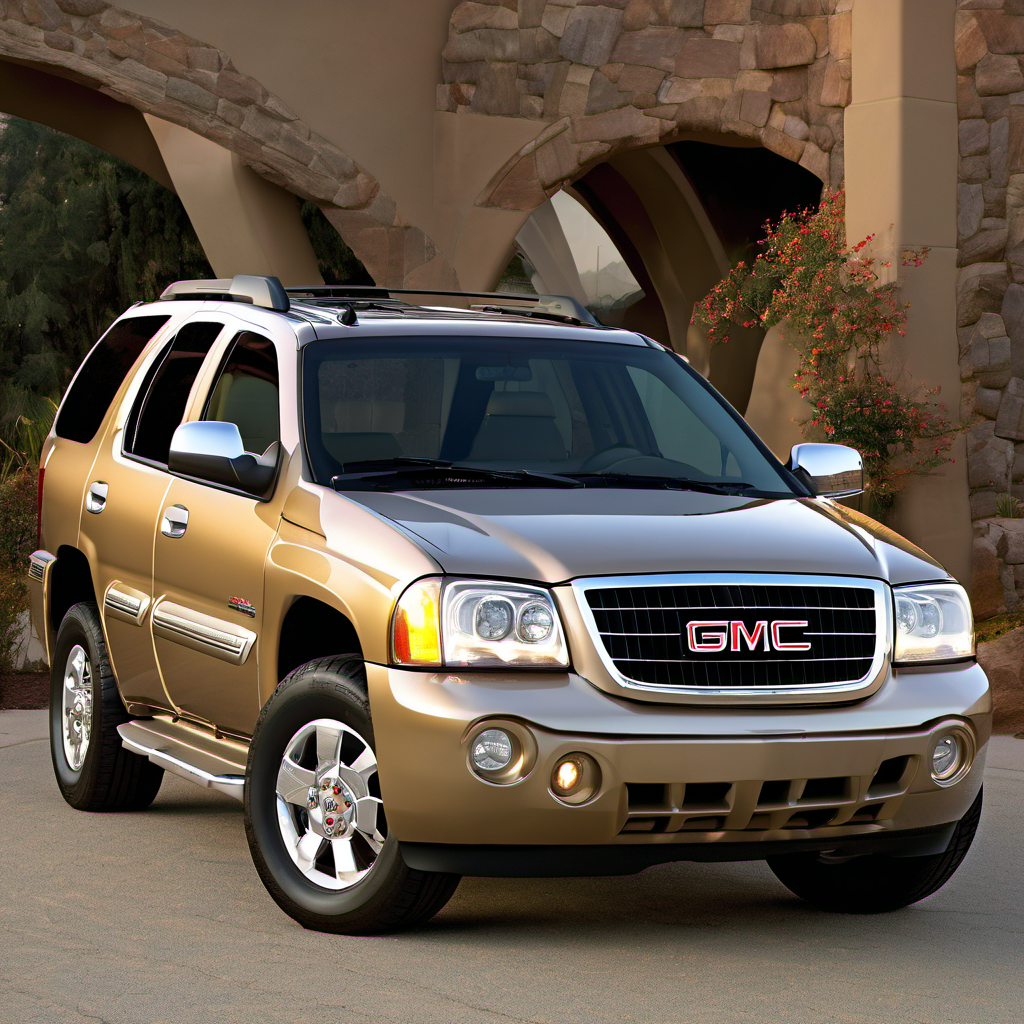
Direct mid-size SUV competitor with a reliable 4.2L inline-6. More reliable electrical system than the Grand Cherokee but discontinued after 2009, limiting future parts support.
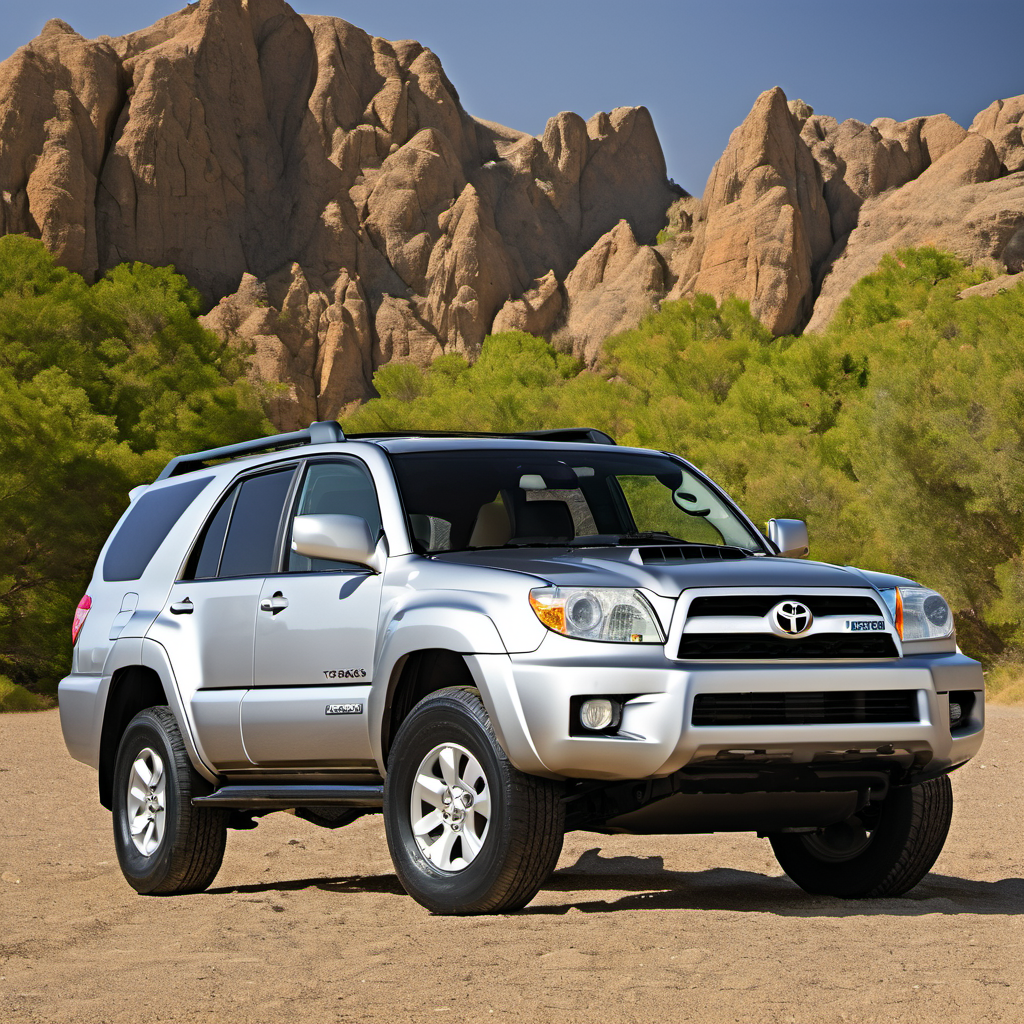
Stronger long-term reliability, better rust resistance, and competitive off-road ability. Holds value better and costs more upfront, but total ownership cost often favors the 4Runner by 100k+ miles.
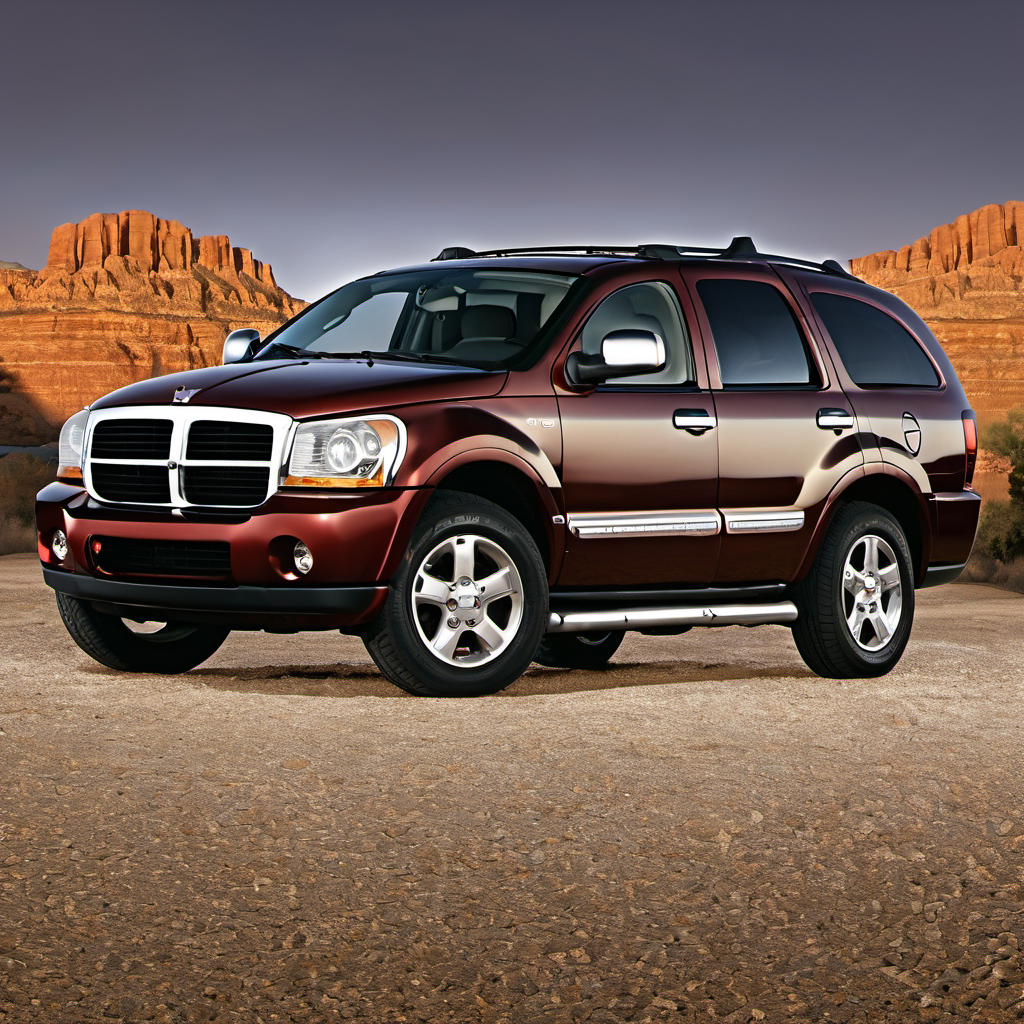
Shares the Jeep platform and many drivetrain components. Seats up to 8, more cargo room, but identical TIPM and differential weaknesses. A good alternative if you need the extra seating.