Timing Chain Stretch and VVT Solenoid Failure
medium- Typically appears
- 80–130k mi
- Estimated repair
- $400 – $900
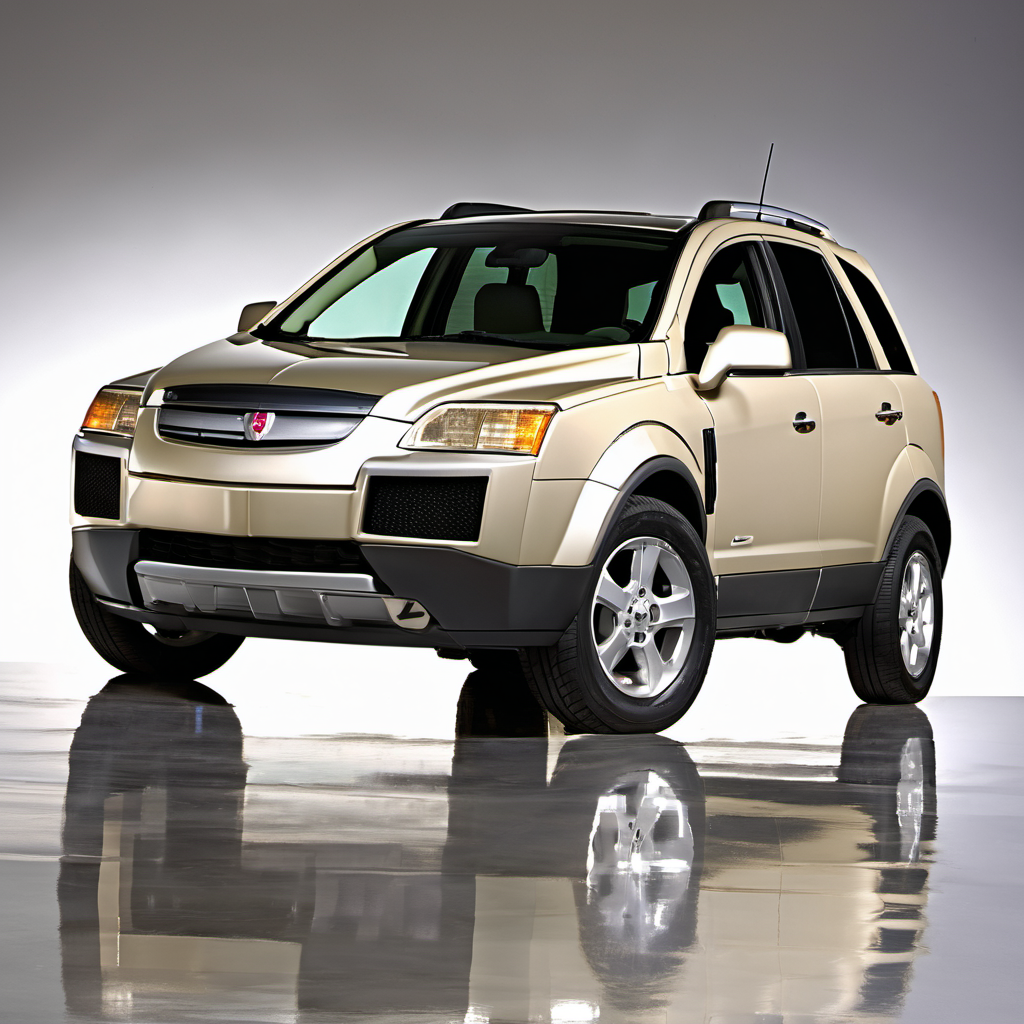
2007 Saturn
SUV
The 2007 Saturn VUE is a compact SUV built on GM's Delta platform and sold through Saturn's dealer network before the brand was discontinued in 2010. It was positioned as a practical, affordable family hauler with a car-like ride and decent interior space for its class. The 2007 model year represented the final year of the first-generation VUE, which ran from 2002–2007, and benefited from several refinements over its lifespan. The base 2.2L Ecotec four-cylinder with FWD is the volume seller — economical to run and easy on maintenance costs. A 3.5L V6 and optional AWD were also available. Compared to rivals of the era, the VUE offers competitive cargo room and a comfortable ride, though interior materials lean toward the budget end. Buying a first-gen VUE used today means owning a vehicle that's now 17+ years old. Parts are still reasonably available through GM channels, but the Saturn brand is dead — some dealer-only calibrations and components can be harder to source. An honest inspection before purchase is worth more than the asking price.
The 2007 Saturn VUE is a compact SUV built on GM's Delta platform and sold through Saturn's dealer network before the brand was discontinued in 2010. It was positioned as a practical, affordable family hauler with a car-like ride and decent interior space for its class. The 2007 model year represented the final year of the first-generation VUE, which ran from 2002–2007, and benefited from several refinements over its lifespan. The base 2.2L Ecotec four-cylinder with FWD is the volume seller — economical to run and easy on maintenance costs. A 3.5L V6 and optional AWD were also available. Compared to rivals of the era, the VUE offers competitive cargo room and a comfortable ride, though interior materials lean toward the budget end. Buying a first-gen VUE used today means owning a vehicle that's now 17+ years old. Parts are still reasonably available through GM channels, but the Saturn brand is dead — some dealer-only calibrations and components can be harder to source. An honest inspection before purchase is worth more than the asking price.
The 2.2L Ecotec is sensitive to oil sludge. Neglected oil is the primary cause of timing chain stretch and VVT solenoid failure. Don't push this interval on a high-mileage example.
4-speed automatic fluid degrades with age. If the vehicle has the VTi CVT, check condition and level carefully — CVT fluid breakdown accelerates failure dramatically.
Degraded Dex-Cool becomes acidic and attacks gaskets and the aluminum block. On a 2007 vehicle, confirm when this was last done.
The 2.2L Ecotec uses iridium plugs at the factory. Worn plugs cause misfires and rough idle. Straightforward DIY or shop job.
Belt failure leaves you stranded and can damage accessories. At 17 years old, inspect regardless of mileage.
Wisconsin road salt aggressively attacks steel brake lines on this generation VUE. A line failure is a safety emergency. Inspect for corrosion, pitting, and weeping at every opportunity.
Leaking PS lines are common on aging VUEs. Catching a slow weep early is a $150 fix; ignoring it until pump failure is $400–550.
Sub-zero Wisconsin starts are hard on aging batteries. A battery over 4 years old should be load-tested in October. Clean corrosion from terminals to ensure reliable starts and stable module communication.
Always defer to the manufacturer's service manual for warranty-mandated intervals.
The 2007 VUE is cheap to buy and inexpensive to insure, but maintenance costs on a high-mileage example can spike quickly if the transmission, timing chain, or underbody corrosion issues surface. Budget $600–$900/year for normal upkeep on a well-maintained example, and set aside an additional $1,000–$2,000 contingency fund if the mileage is above 100k. The CVT, if present, is the single biggest wildcard — a failure can easily exceed the vehicle's market value.
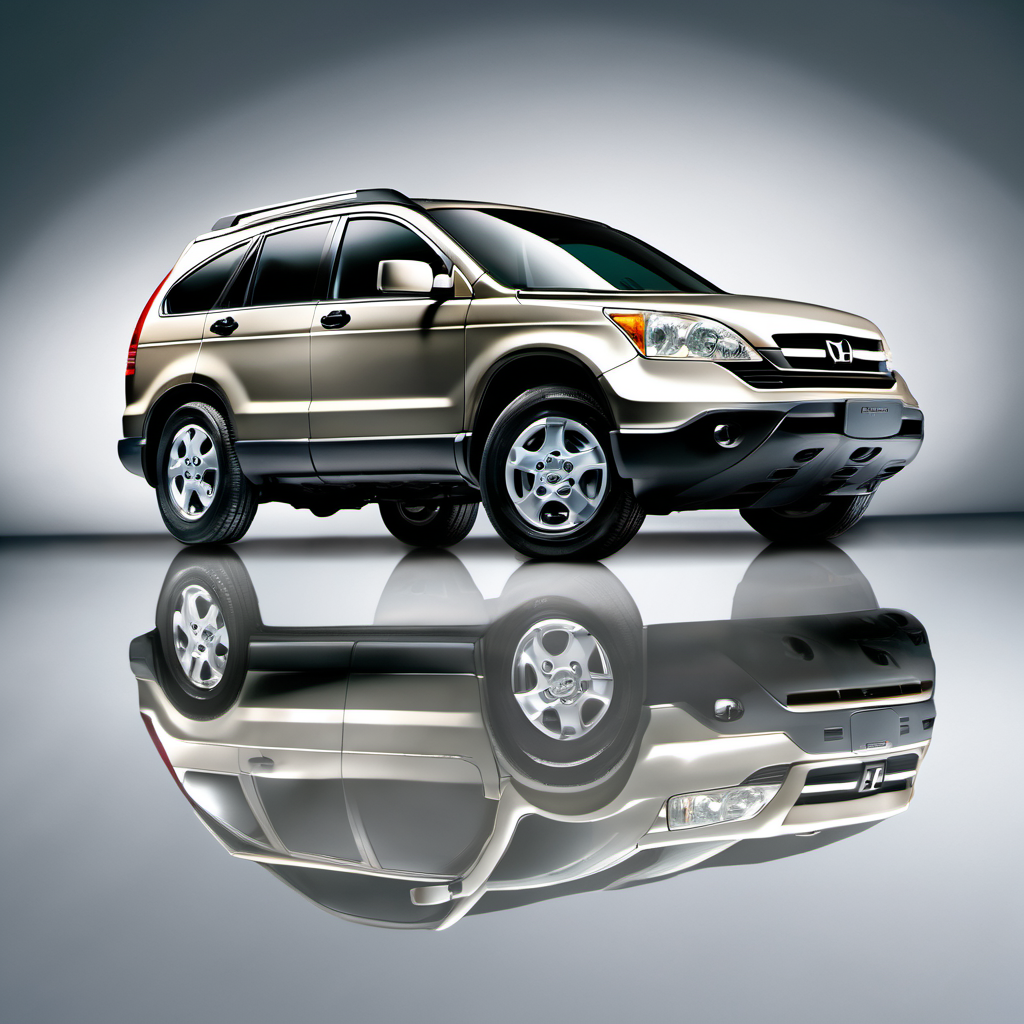
Same compact SUV segment, similar price when new, significantly stronger long-term reliability record and better resale value. A better choice if budget allows.
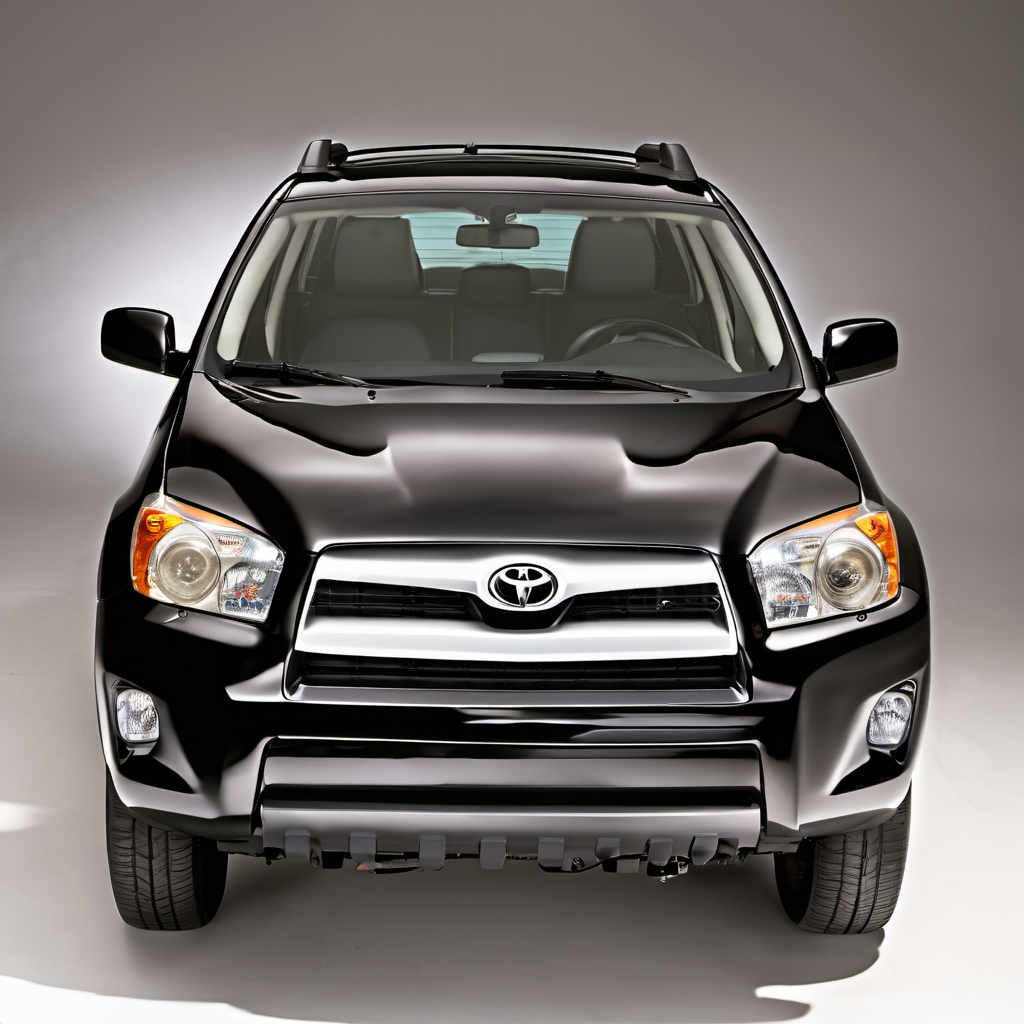
Class benchmark for reliability in this segment. Comparable footprint and utility. Used examples cost more but typically need far fewer unplanned repairs.
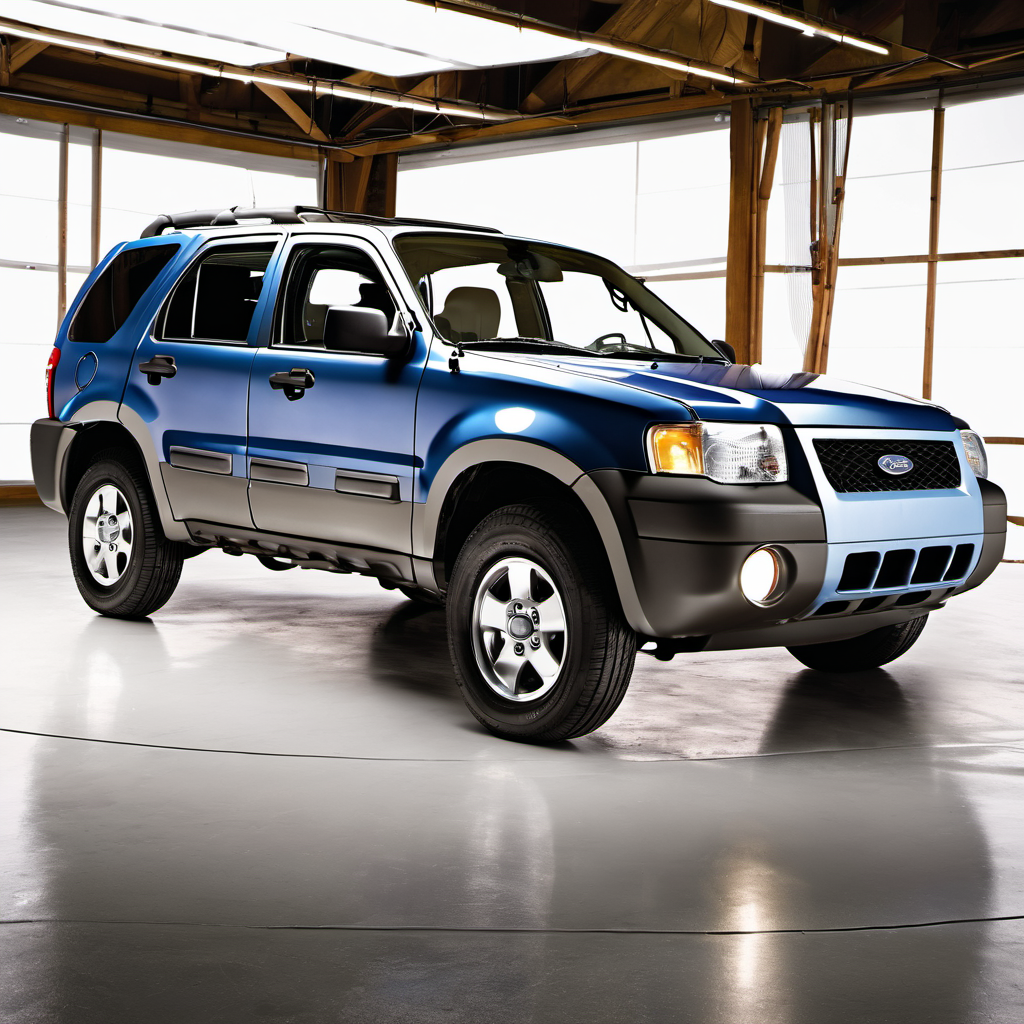
Direct competitor at the same price point. Similar real-world fuel economy and utility. More widely serviced with broader aftermarket parts availability — an advantage now that Saturn is gone.
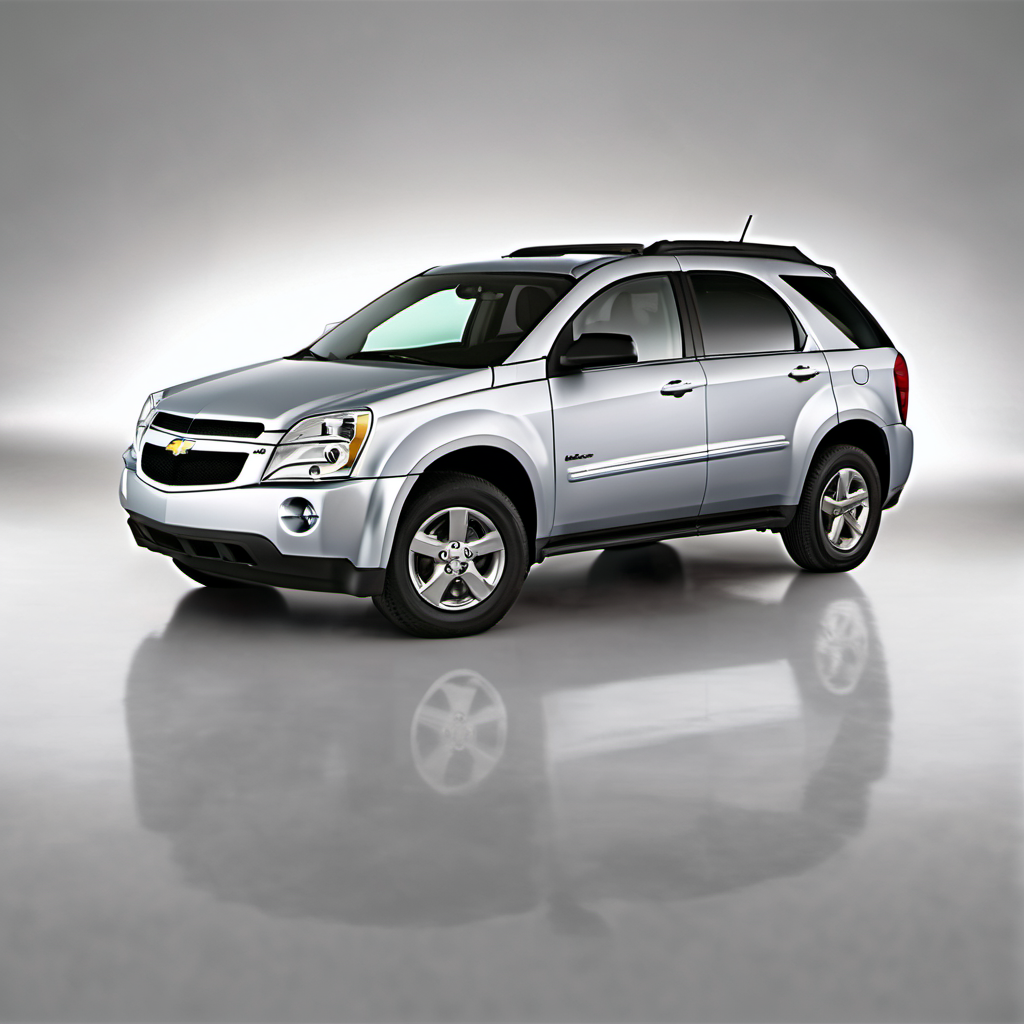
GM stablemate on a different platform. Shares some powertrain DNA but has a larger footprint. Still actively supported by GM dealers, which simplifies parts sourcing compared to the defunct Saturn brand.