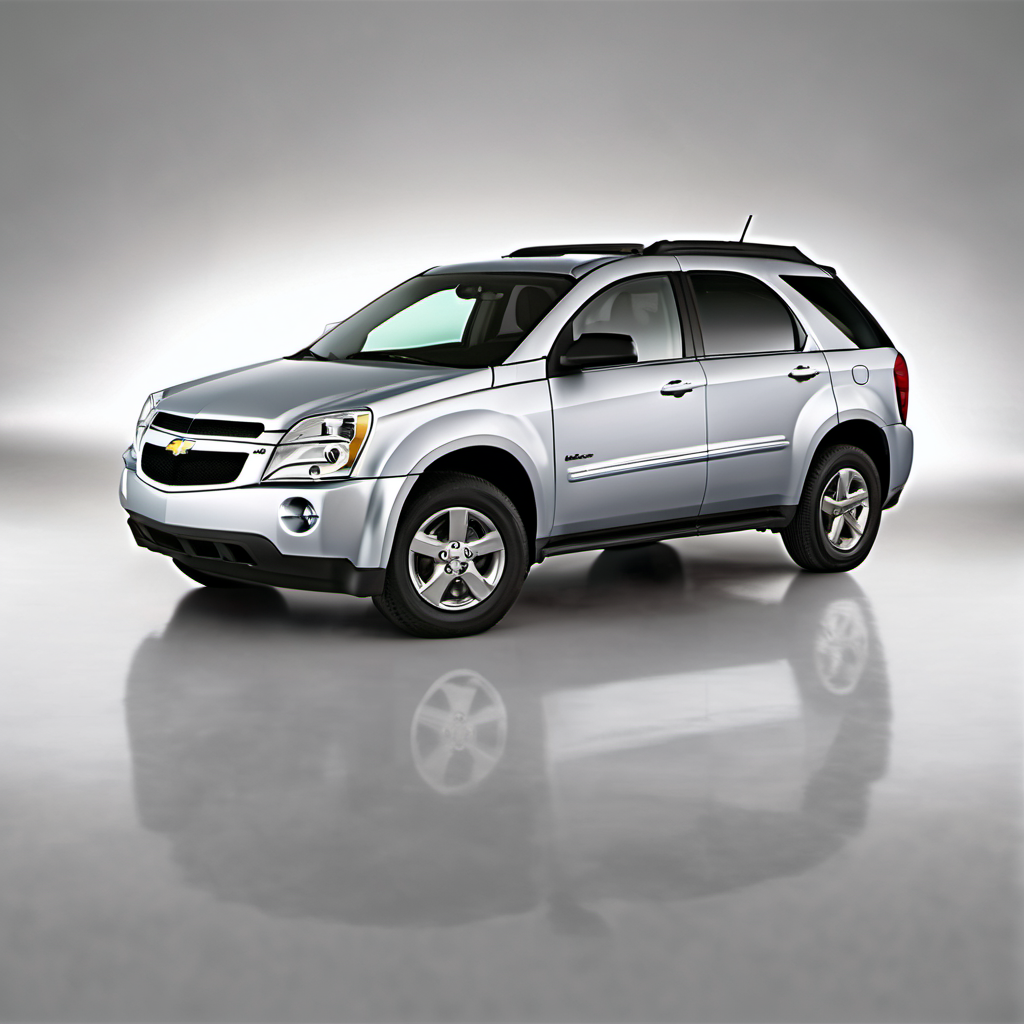
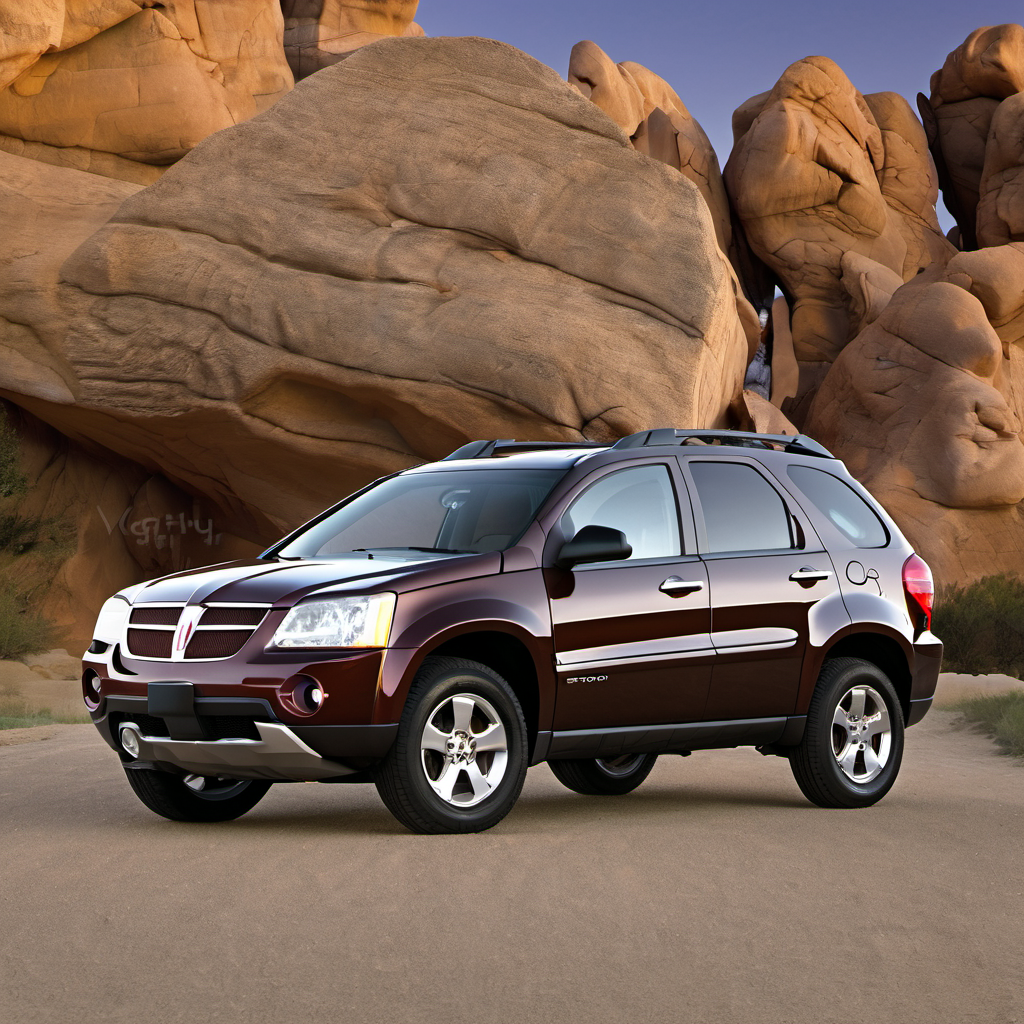
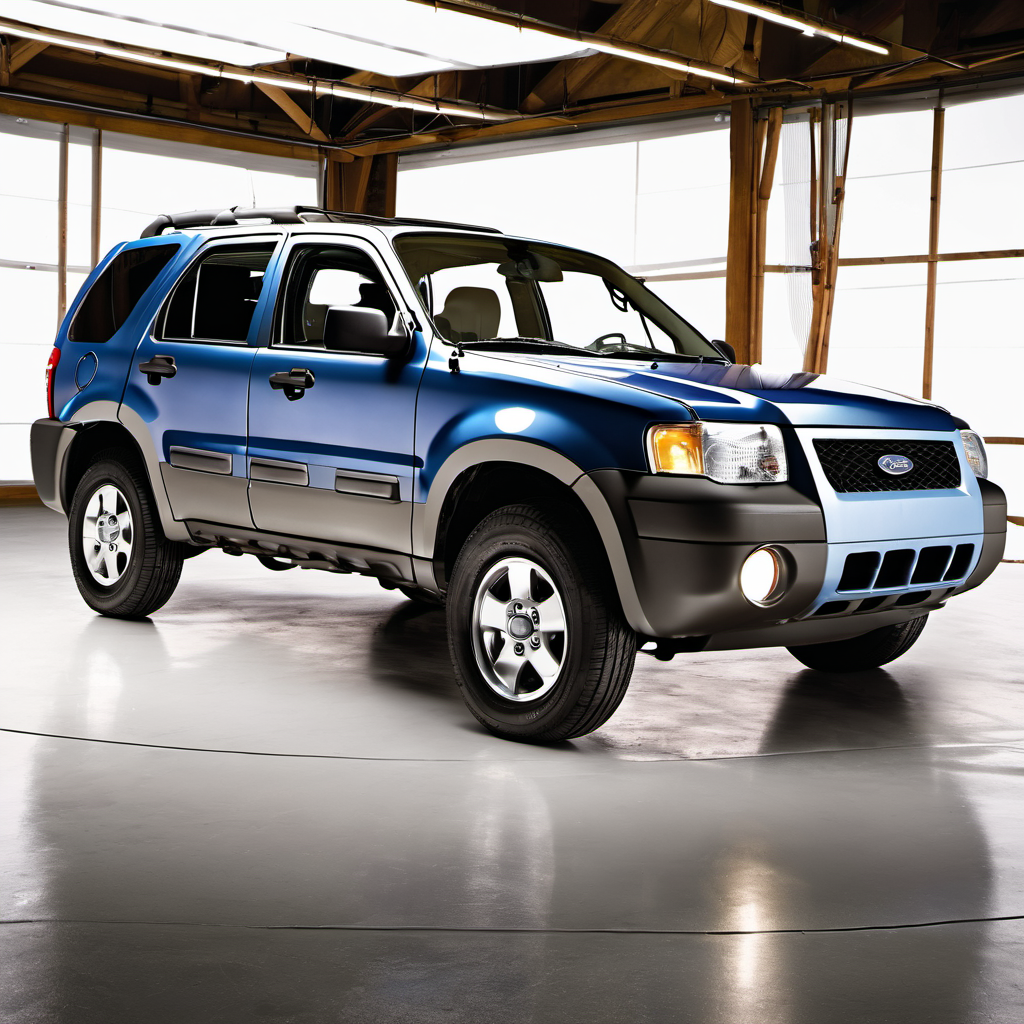
2007 Chevrolet Equinox SUV

2007 Chevrolet

EquinoxSUV

SUV

The 2007 Chevrolet Equinox is a compact crossover SUV built on GM's Theta platform and shared with the Pontiac Torrent. In its first generation (2005–2009), the Equinox was a family-friendly people-mover that offered a roomy interior — particularly for rear passengers — at an affordable price point. The standard 3.4L V6 delivers adequate power for daily driving and light highway use, though it's not a performance vehicle by any measure. By 2007, the Equinox had earned a reputation as a comfortable commuter and grocery-getter, but also as a vehicle that demands attentive maintenance. Owners who stay on top of oil changes and coolant flushes tend to get reasonable longevity; those who don't can face expensive powertrain repairs. The first-gen model is now old enough that deferred maintenance is the rule, not the exception, on most used examples. Fuel economy is modest for the class — around 20 MPG combined — and ownership costs for an aging first-gen are higher than average due to parts availability and the 3.4L V6's known intake manifold gasket sensitivity. Buyers on a budget can find these for very little money, but should factor in a potential repair fund from day one.

Reliability
2/5
Verified data
Specs shown for Equinox FWD — the most common configuration. Other trims may vary in engine, drivetrain, or fuel economy. Sign in to see your vehicle's exact specs.
Engine
[object Object]
Drivetrain
FWD
Fuel
Gasoline
MPG
17 city / 24 hwy / 20 combined
Seats
Doors
Body
Sport Utility Vehicle - 2WD

Overview

AI-curated

The 2007 Chevrolet Equinox is a compact crossover SUV built on GM's Theta platform and shared with the Pontiac Torrent. In its first generation (2005–2009), the Equinox was a family-friendly people-mover that offered a roomy interior — particularly for rear passengers — at an affordable price point. The standard 3.4L V6 delivers adequate power for daily driving and light highway use, though it's not a performance vehicle by any measure. By 2007, the Equinox had earned a reputation as a comfortable commuter and grocery-getter, but also as a vehicle that demands attentive maintenance. Owners who stay on top of oil changes and coolant flushes tend to get reasonable longevity; those who don't can face expensive powertrain repairs. The first-gen model is now old enough that deferred maintenance is the rule, not the exception, on most used examples. Fuel economy is modest for the class — around 20 MPG combined — and ownership costs for an aging first-gen are higher than average due to parts availability and the 3.4L V6's known intake manifold gasket sensitivity. Buyers on a budget can find these for very little money, but should factor in a potential repair fund from day one.

Known for
  • Generous rear-seat legroom for the segment
  • Smooth, compliant ride quality
  • 3.4L V6 shared with many GM vehicles — widely serviced
  • Affordable used purchase price
  • Comfortable highway cruiser
Best for
  • Budget-conscious families needing SUV space
  • Low-mileage local commuters
  • Buyers who can handle their own basic maintenance
  • Drivers who prioritize passenger room over cargo space
Watch for
  • Intake manifold gasket leaks on the 3.4L V6 — a known and recurring failure
  • Timing chain stretch and VVT/oil sludge issues on higher-mileage engines
  • Cooling system neglect leading to head gasket damage
  • Rust on underbody, subframe, and brake lines — especially critical in Wisconsin salt conditions
  • Worn or leaking power steering rack

Common issues by mileage

6 known

Intake Manifold Gasket Leak (3.4L V6)

high
Typically appears
60–120k mi
Estimated repair
$400 – $750

Oxygen Sensor / O2 Sensor Heater Circuit Failure

medium
Typically appears
80–130k mi
Estimated repair
$150 – $350

Power Steering Rack Leak or Failure

medium
Typically appears
90–140k mi
Estimated repair
$500 – $950

Underbody / Brake Line Rust

high
Typically appears
Any — worse after 80k mi in salt states
Estimated repair
$300 – $1,200

Maintenance schedule

  1. 1
    Every 5,000 miles or 6 months Engine oil & filter change

    The 3.4L V6 is sensitive to oil degradation. Extended intervals accelerate sludge buildup, which can clog VVT components and worsen timing chain wear. Use the GM-recommended 5W-30.

  2. 2
    Every 2 years or 30,000 miles Coolant flush and full cooling system inspection

    Degraded coolant accelerates intake manifold gasket failure and can mask early leaks. Always use Dex-Cool and the correct 50/50 mix — never mix with green coolant.

  3. 3
    At 60,000 miles and every 30,000 miles after Intake manifold gasket inspection

    This is the single most common failure on the 3.4L. Check for milky oil on the dipstick or coolant loss without visible external leaks. Early detection saves the engine.

  4. 4
    Every 30,000–45,000 miles Transmission fluid change

    GM's 'lifetime' fluid designation is optimistic on a 17-year-old vehicle. Fresh fluid helps prevent harsh shifting and extends the 5-speed automatic's life.

  5. 5
    Every spring after Wisconsin winter Brake line and underbody rust inspection

    Road salt rapidly corrodes brake lines, fuel lines, and the subframe on first-gen Equinoxes. Catching perforation early is far cheaper than emergency brake line replacement.

  6. 6
    Every 60,000 miles Serpentine belt and tensioner inspection

    Belt failures strand the vehicle and can damage cooling components. Tensioner wear is common at higher mileage on this engine family.

  7. 7
    Every 60,000 miles Spark plugs and ignition wires

    The 3.4L uses conventional (non-iridium) plugs that require more frequent replacement. Worn plugs increase misfire risk and reduce fuel economy.

  8. 8
    Every 6,000–7,500 miles Tire rotation and alignment check

    FWD Equinoxes wear front tires faster. Regular rotation maximizes tire life and helps identify suspension wear before it causes handling issues.

Always defer to the manufacturer's service manual for warranty-mandated intervals.

Cost of ownership

Annual maintenance
$900 – $2,200
Fuel
At 20 MPG combined and ~12,000 miles/year, expect roughly $1,800–$2,100/year at current Midwest gas prices.
Insurance
Typically $900–$1,300/year for a 2007 model in Wisconsin depending on driver profile and coverage level.

On the surface, the Equinox looks cheap to own — used prices are low. But maintenance costs on a 17-year-old example can be significant. A year with no major repairs runs $900–$1,200 in routine service. A year with an intake manifold gasket job, brake lines, or a steering rack easily pushes $2,000–$3,500 out of pocket at an independent shop. Budget accordingly before buying.
Seasonal care

Lake Geneva, WI
Winter
  • Test the battery before November — cold-cranking amps drop sharply below 20°F and the 3.4L V6 is harder to start when a battery is marginal. Replace any battery older than 4 years.
  • Switch to winter-rated washer fluid rated to at least -20°F. Lake Geneva winters will freeze a summer formula solid in the reservoir.
  • Inspect and replace wiper blades with winter-rated blades before first snowfall — the Equinox's large windshield burns through standard blades fast in heavy sleet.
  • Check underbody and brake lines each spring for salt damage. After any winter, spray undercarriage with water to remove accumulated salt — a hose and 10 minutes prevents hundreds in rust repair.
  • Verify coolant concentration is at 50/50 or up to 70/30 antifreeze/water for sub-zero protection. Dex-Cool degrades over time and loses freeze protection.
  • Use a block heater if available on extended sub-zero nights — it reduces engine wear on cold starts and protects the intake manifold gaskets from thermal cycling stress.
Summer
  • Check tire pressure monthly — tires gain 1 PSI for every 10°F of temperature increase, and overinflated tires reduce grip and wear unevenly on hot pavement.
  • Have the A/C system inspected if output is weak. First-gen Equinoxes are now old enough that refrigerant leaks and compressor wear are common.
  • Inspect the radiator and coolant hoses for swelling or soft spots — heat accelerates hose degradation on older vehicles, and a blown hose in summer can cause rapid overheating.
  • Check the serpentine belt for cracking — heat exposure accelerates rubber deterioration, and a belt failure in summer heat is a tow-truck call.

Comparable vehicles

If you're shopping for one

Red flags
  • Milky oil or oily coolant — indicates a breached intake manifold gasket or worse, a head gasket failure.
  • Any rust perforating brake lines or the subframe — these are immediate safety hazards, not negotiating chips.
  • Timing chain rattle on cold start — repairs can exceed the vehicle's market value.
  • Check engine light with VVT/camshaft timing codes (P0012, P0015, P0022, P0025) — often signals oil sludge or timing chain damage.
  • Overheating history or a replaced thermostat with no cooling system flush on record — suggests prior overheating episodes.
  • No maintenance records at all on a vehicle this age — walk away or price in a full inspection and repair budget.
What to inspect
  • Pull the dipstick and look for milky, tan, or foamy oil — a classic sign of coolant intrusion through the intake manifold gaskets.
  • Check the coolant reservoir for a brown or oily film on the cap or inside the tank — another indicator of oil/coolant mixing.
  • Crawl under and inspect brake lines along the frame rails for rust bubbling, pitting, or perforation — this is a safety-critical item.
  • Look for rust on the subframe, floor pan, and wheel wells. Surface rust is tolerable; structural rust is a deal-breaker.
  • Start the engine cold and listen for timing chain rattle in the first 10–30 seconds — a sign of chain stretch or VVT solenoid issues.
  • Test the A/C output and power steering feel — both systems commonly develop issues on high-mileage first-gen examples.
  • Request or verify service records, specifically oil changes and cooling system work. An unknown history means assuming the worst.
AI profile generated 17 days ago · claude-sonnet-4-6 · v2.