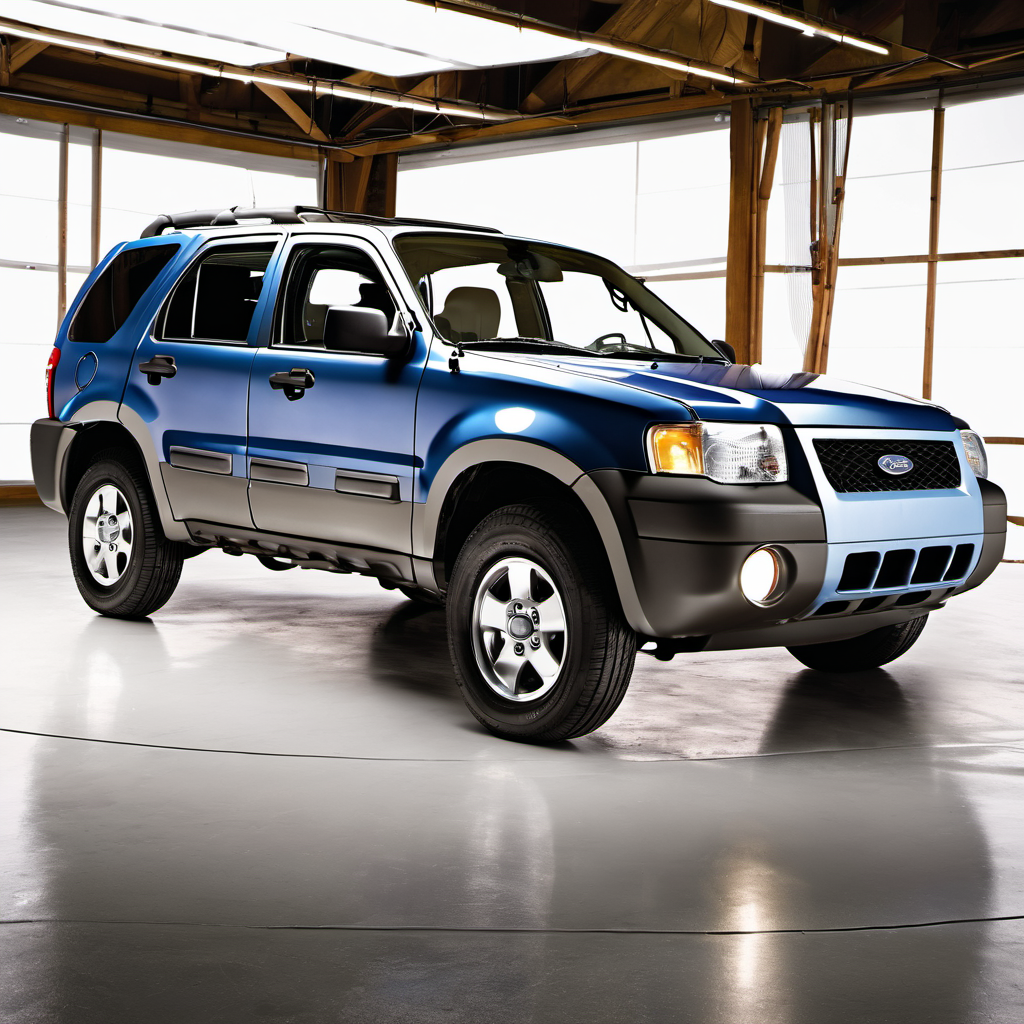
2007 Ford Escape SUV

2007 Ford

EscapeSUV

SUV

The 2007 Ford Escape is a compact SUV that was one of the pioneers of the segment when it launched in 2001, and by 2007 it had settled into a proven, practical daily driver. Built on a platform shared with the Mazda Tribute, the second-generation Escape offered car-like handling with just enough cargo flexibility for families and commuters. The 2.3L four-cylinder is the volume engine — unexciting but generally durable when maintained. For buyers in the upper Midwest, the Escape's relatively simple mechanicals and wide parts availability make it a reasonable used-car choice at this age. That said, a 2007 model is now 17+ years old, so rust, worn suspension, and deferred maintenance are the real concerns — not the powertrain on principle. The FWD variant covered here is the most common configuration. It handles Lake Geneva winters adequately with good winter tires, but AWD versions offer a meaningful edge in deep snow.

Reliability
3/5
Verified data
Specs shown for Escape FWD — the most common configuration. Other trims may vary in engine, drivetrain, or fuel economy. Sign in to see your vehicle's exact specs.
Engine
[object Object]
Drivetrain
FWD
Fuel
Gasoline
MPG
20 city / 24 hwy / 21 combined
Seats
Doors
Body
Sport Utility Vehicle - 2WD

Overview

AI-curated

The 2007 Ford Escape is a compact SUV that was one of the pioneers of the segment when it launched in 2001, and by 2007 it had settled into a proven, practical daily driver. Built on a platform shared with the Mazda Tribute, the second-generation Escape offered car-like handling with just enough cargo flexibility for families and commuters. The 2.3L four-cylinder is the volume engine — unexciting but generally durable when maintained. For buyers in the upper Midwest, the Escape's relatively simple mechanicals and wide parts availability make it a reasonable used-car choice at this age. That said, a 2007 model is now 17+ years old, so rust, worn suspension, and deferred maintenance are the real concerns — not the powertrain on principle. The FWD variant covered here is the most common configuration. It handles Lake Geneva winters adequately with good winter tires, but AWD versions offer a meaningful edge in deep snow.

Known for
  • Car-based platform with decent ride quality for a compact SUV
  • Peppy 2.3L Duratec four-cylinder with reasonable longevity
  • Widely available parts and straightforward independent-shop repairs
  • Available as a hybrid — one of the earliest mainstream hybrid SUVs
Best for
  • Budget-conscious daily commuters needing a small SUV
  • Light-duty family hauling with easy city parking
  • Buyers who want low parts cost and easy DIY maintenance
  • Mild off-pavement use (gravel, light snow with proper tires)
Watch for
  • Underbody and frame rust — critical at this age in Wisconsin
  • Coolant leak history from intake manifold and thermostat housing
  • Worn or cracked engine/transmission mounts causing vibration
  • 4WD/AWD rear coupling unit failure on AWD trims (not applicable to this FWD unit, but verify trim)

Common issues by mileage

6 known

Coolant leak — thermostat housing and intake manifold

high
Typically appears
80–130k mi
Estimated repair
$150 – $400

VCT/cam timing solenoid fault — sludge or low oil pressure causes over-retarded cam timing

medium
Typically appears
70–150k mi
Estimated repair
$100 – $450

Front suspension — lower ball joints and control arm bushings

high
Typically appears
90–150k mi
Estimated repair
$300 – $700

Oxygen sensor heater circuit failure

medium
Typically appears
80–120k mi
Estimated repair
$150 – $350

Engine and transmission mount deterioration — vibration at idle and under load

medium
Typically appears
100–160k mi
Estimated repair
$200 – $500

Underbody rust — subframe, brake lines, exhaust

high
Typically appears
Any, especially 100k+ in salt-belt
Estimated repair
$300 – $2,500

Maintenance schedule

  1. 1
    Every 5,000 miles or 6 months Engine oil and filter change

    The 2.3L Duratec is prone to VCT sludge buildup if oil changes are stretched. This is the single most important service on this engine — dirty oil directly causes cam timing codes and solenoid wear.

  2. 2
    Every 30,000 miles or 2 years Coolant system inspection and flush

    Thermostat housing and intake manifold gaskets are known leak points. Fresh coolant maintains correct pH and slows gasket degradation. Check the overflow tank for oily residue at every oil change.

  3. 3
    Every 30,000–45,000 miles Transmission fluid change

    Ford's 4-speed automatic in this generation is durable but benefits from regular fluid changes. Dark or burnt-smelling fluid accelerates clutch wear.

  4. 4
    Every 60,000 miles Spark plugs (platinum or iridium)

    The Duratec I4 runs best with fresh plugs at this interval. Worn plugs increase misfires and put extra load on the ignition coils.

  5. 5
    Every 30,000 miles or at any tire rotation Front suspension — ball joints and bushings inspection

    Ball joints and control arm bushings wear quickly on Wisconsin roads. A failed lower ball joint is a safety emergency. Have them checked physically, not just by feel.

  6. 6
    Annually, before winter Brake line inspection for rust

    Salt-belt vehicles at this age frequently develop pinhole rust in steel brake lines. A line failure causes complete loss of braking. Inspect closely at every brake service.

  7. 7
    Every 15,000–20,000 miles Air filter replacement

    Cheap and easy. A clogged filter hurts fuel economy and can cause rough idle on the 2.3L.

  8. 8
    Every fall, before first hard freeze Battery load test

    Batteries degrade faster in cold climates. A battery that seems fine in September can fail to crank at -10°F in January. A load test catches marginal batteries before they strand you.

Always defer to the manufacturer's service manual for warranty-mandated intervals.

Cost of ownership

Annual maintenance
$600 – $1,400
Fuel
At 21 MPG combined and ~12,000 miles/year, expect roughly $1,700–$2,000/year at current mid-grade prices. Mostly highway driving will push you closer to 24 MPG and trim that cost.
Insurance
Typically $900–$1,400/year in the Lake Geneva area for a vehicle this age, depending on driver profile and coverage level. Comprehensive/collision cost may not be worth carrying given the vehicle's market value.

At this age and price point, the Escape is cheap to insure and fuel. Annual maintenance is reasonable if the prior owner kept up with it — budget $600–$900 for routine services. If the car has deferred maintenance (coolant system, suspension, brake lines), expect a higher first-year cost of $1,000–$1,400 to bring it current. Rust repair is the wild card; always get the undercarriage inspected before buying.

Seasonal care

Lake Geneva, WI
Winter
  • Switch to a quality winter tire — the FWD Escape loses significant snow traction on all-season tires below 25°F. This is the single most impactful winter upgrade.
  • Load-test the battery every October. Cold cranking amps drop sharply below 0°F and a 3–4 year old battery in this vehicle is already suspect.
  • Use a winter-rated washer fluid rated to at least -20°F. The Escape's cowl area traps ice easily, which can damage wiper linkage.
  • Flush and refill coolant if it hasn't been done recently — verify freeze protection to at least -34°F with a tester.
  • Inspect rubber CV axle boots before winter. A torn boot packs with salt slush and destroys the joint quickly.
  • Spray underbody — especially subframe mounting points and brake lines — with a penetrating rust inhibitor before the first salt application of the season.
Summer
  • Check tire pressure monthly — heat causes pressure to rise ~1 PSI per 10°F and overinflated tires reduce wet-road grip.
  • Inspect the A/C system for refrigerant leaks and verify the cabin air filter is clean. The 2007 Escape's A/C is simple but the condenser can get clogged with debris.
  • Check coolant level cold before long trips — the known thermostat housing leak tends to worsen with summer heat cycling.
  • Inspect the serpentine belt for cracking or glazing. Heat accelerates belt aging and a snap leaves you stranded.

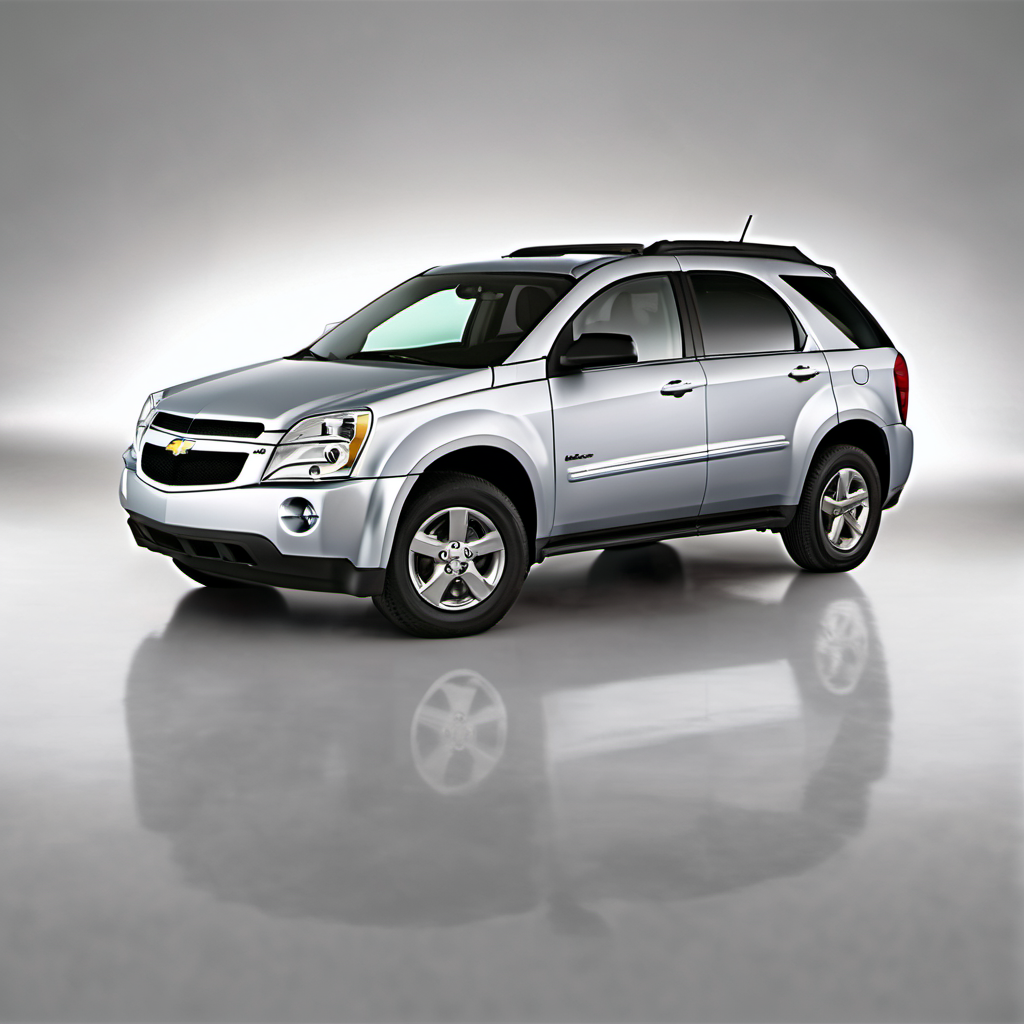
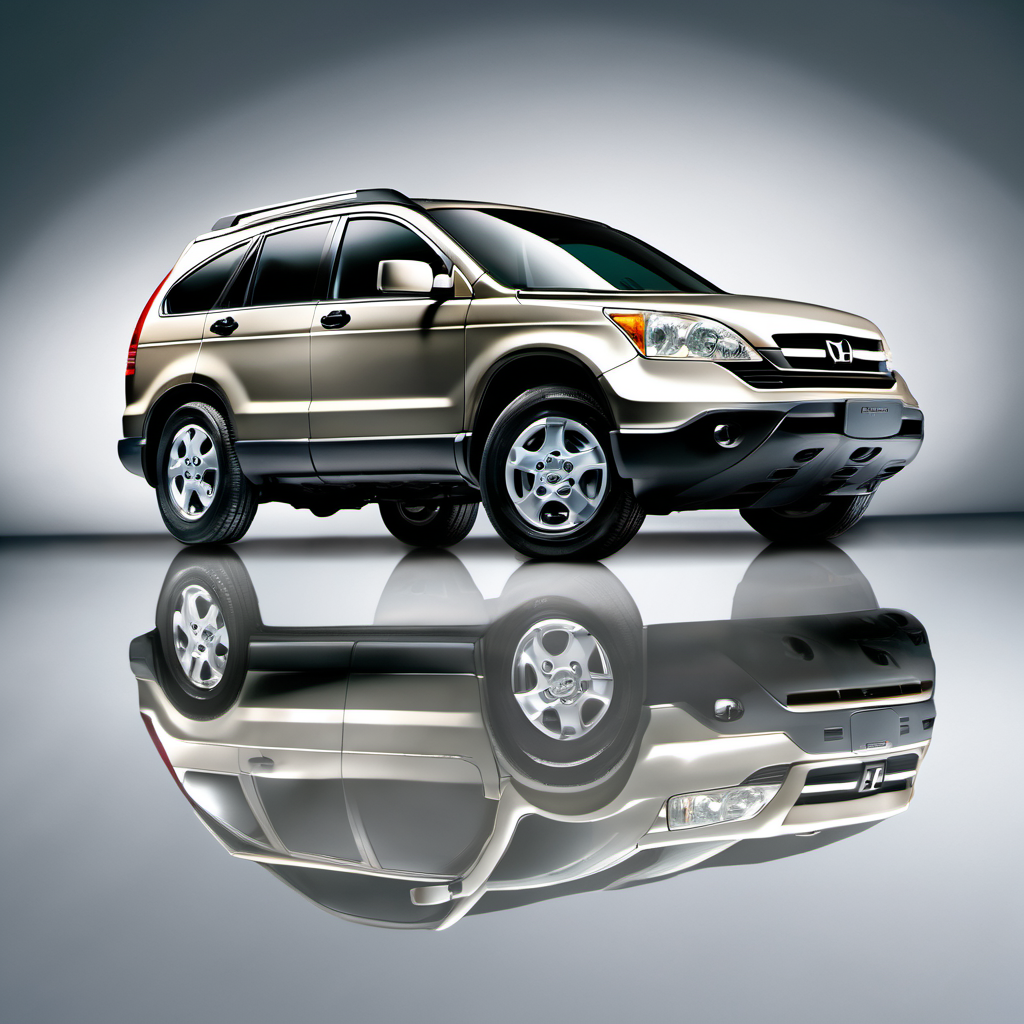
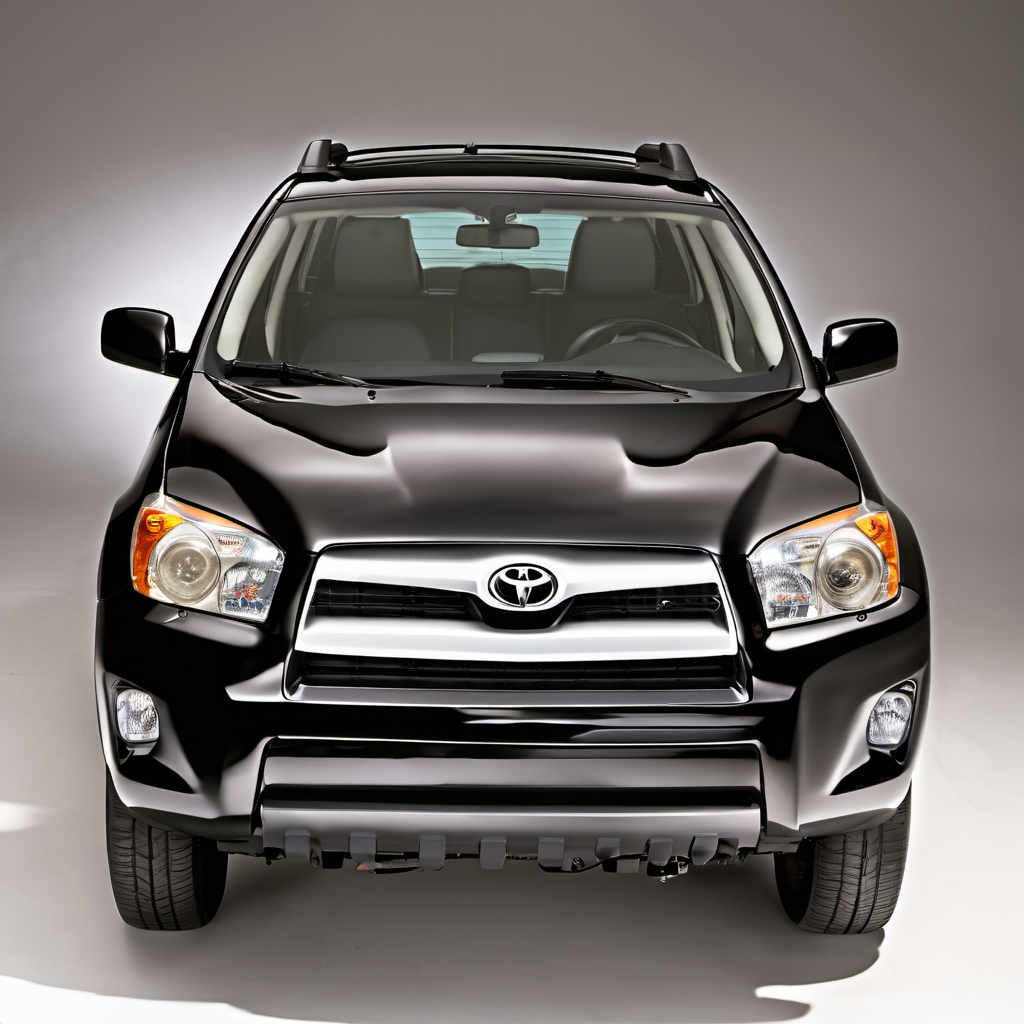
Comparable vehicles

If you're shopping for one

Red flags
  • Any evidence of oil sludge in the engine — means the cam timing system is likely compromised and an expensive repair is imminent.
  • Bubbling paint on the rocker panels or rear wheel arches — signals deep rust that typically extends to structural areas underneath.
  • A check engine light that was recently cleared — pull codes with your own reader before buying.
  • Soft or spongy brake pedal — at this age, suspect a leaking or failing brake line, not just worn pads.
  • Coolant that looks brown or oily — indicates a head gasket or intake manifold leak mixing fluids.
What to inspect
  • Crawl under and check the subframe, control arm mounting points, and steel brake lines for rust — these are go/no-go items on a Wisconsin salt-belt vehicle this age.
  • Pull the oil cap and check for sludge or a creamy residue; both indicate neglected oil changes or a cooling system problem.
  • Start cold and listen for cam chain rattle in the first 5 seconds — a noisy chain on cold start indicates wear from low oil or sludge.
  • Check all four CV axle boots for tears or dried grease flung on the inside of the wheel well.
  • Test the A/C and heater blower on all speeds — blower motor resistors are a known wear item.
  • Bounce each corner of the car to test shocks/struts, and listen for clunking in a slow, full steering lock — that indicates worn ball joints or tie rod ends.
AI profile generated 18 days ago · claude-sonnet-4-6 · v2.