VTC Actuator Rattle on Cold Start
high- Typically appears
- 80k–200k mi
- Estimated repair
- $250 – $600
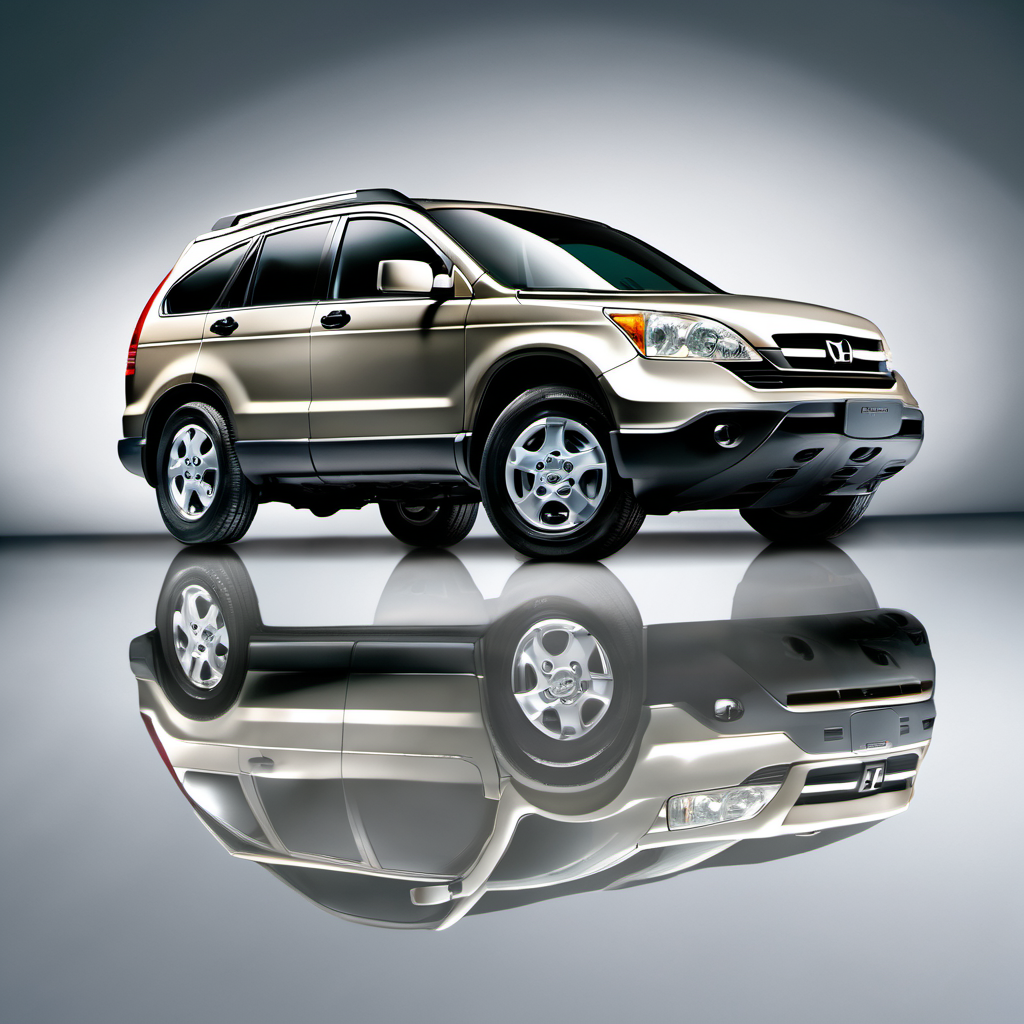
2007 Honda
SUV
The 2007 Honda CR-V is part of the well-regarded third generation (2007–2011), which was a significant redesign over its predecessor. It grew in size, added a more car-like ride, and kept the practical, no-fuss character Honda CR-V owners had come to expect. Under the hood sits Honda's proven 2.4L K24 four-cylinder, mated to either a 5-speed automatic or 6-speed manual, and offered in both FWD and Real Time 4WD configurations. This generation earned strong reliability marks and was a top seller in its class for good reason — the interior is practical and well-thought-out, cargo space is generous for the segment, and running costs are low. The flat-folding rear seat and large tailgate opening made it a favorite for families and outdoor enthusiasts alike. At this point in its life, a 2007 CR-V is likely past 150,000 miles. The good news is the K24 engine is famously durable and many of these trucks are still running strong past 200k. The bad news is deferred maintenance on oil changes can cause VTC actuator and timing chain problems — something to screen for on any used example.
The 2007 Honda CR-V is part of the well-regarded third generation (2007–2011), which was a significant redesign over its predecessor. It grew in size, added a more car-like ride, and kept the practical, no-fuss character Honda CR-V owners had come to expect. Under the hood sits Honda's proven 2.4L K24 four-cylinder, mated to either a 5-speed automatic or 6-speed manual, and offered in both FWD and Real Time 4WD configurations. This generation earned strong reliability marks and was a top seller in its class for good reason — the interior is practical and well-thought-out, cargo space is generous for the segment, and running costs are low. The flat-folding rear seat and large tailgate opening made it a favorite for families and outdoor enthusiasts alike. At this point in its life, a 2007 CR-V is likely past 150,000 miles. The good news is the K24 engine is famously durable and many of these trucks are still running strong past 200k. The bad news is deferred maintenance on oil changes can cause VTC actuator and timing chain problems — something to screen for on any used example.
The K24's VTC actuator and timing chain tensioner depend on clean, properly viscous oil. Stretching intervals or using conventional oil is the single most common cause of costly timing-related repairs on this engine.
If service history is unknown, have the timing chain slack and VTC actuator condition assessed. Catching a worn tensioner early avoids a much larger repair.
Honda's blue coolant has specific anti-corrosion additives for their aluminum engines. Mixing coolant types or running degraded coolant accelerates water pump and head gasket wear.
Brake fluid is hygroscopic — it absorbs moisture over time, lowering boiling point and accelerating caliper and ABS component corrosion. Critical in a high-salt environment like Lake Geneva.
Salt exposure causes slide pins to seize, leading to uneven pad wear and dragging brakes. Cleaning and re-greasing the pins at every brake service prevents premature caliper replacement.
Honda's automatic transmissions are sensitive to degraded fluid. Using the correct Honda ATF spec is important — incorrect fluid can cause shudder and shift quality issues.
The K24 is not a high-maintenance engine but worn plugs cause misfires and reduced fuel economy. Iridium plugs are the OEM spec and last longer than standard plugs.
Road salt accumulates on brake lines, fuel lines, and subframe components. A high-pressure undercarriage wash each spring removes corrosive buildup; fall inspection lets you catch developing rust before winter accelerates it.
Always defer to the manufacturer's service manual for warranty-mandated intervals.
The 2007 CR-V is one of the more affordable compact SUVs to own long-term. Routine maintenance is straightforward and parts are inexpensive and widely available. The main cost risk is deferred maintenance — a timing chain job or VTC actuator repair can run $700–$1,400 and is almost entirely preventable with regular synthetic oil changes. Rust repair is the other wildcard; budget for underbody inspection and touch-up annually to keep it from becoming a large expense.
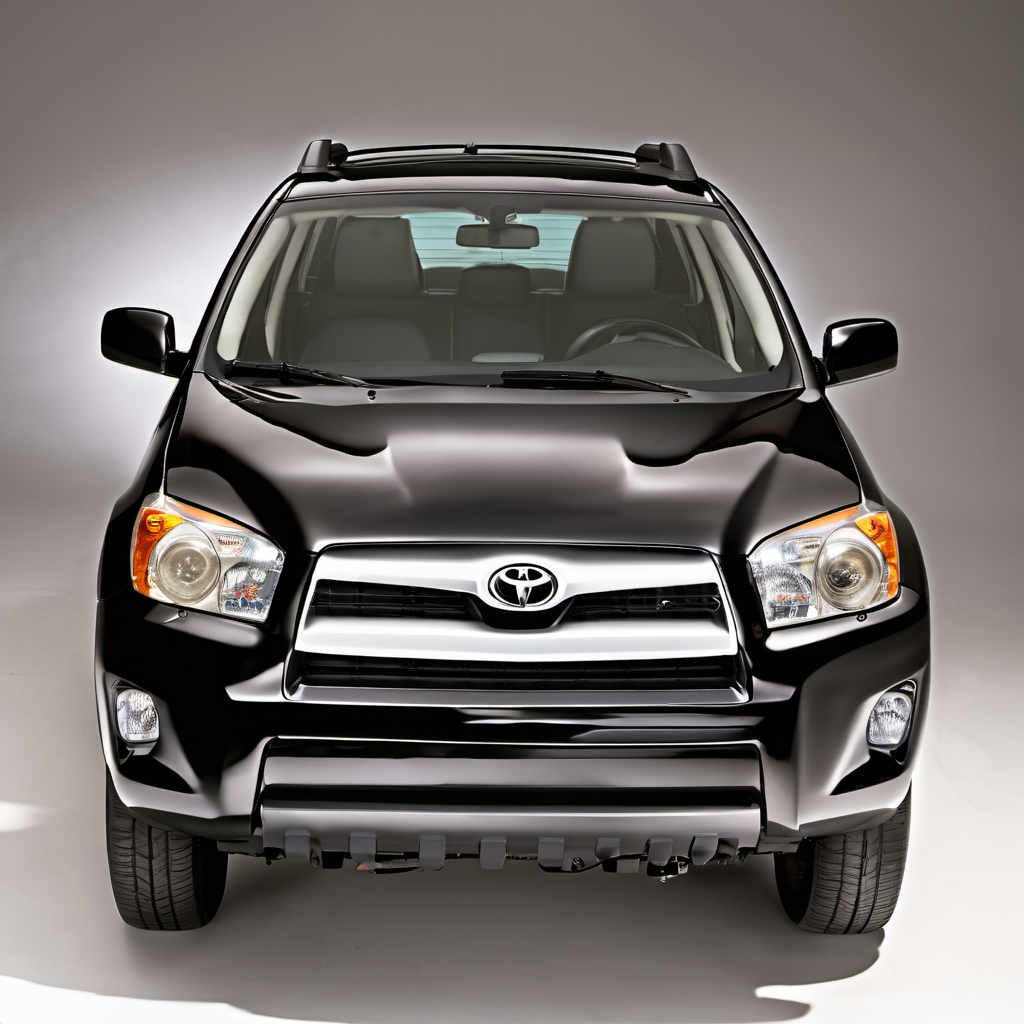
Direct segment competitor with similarly strong long-term reliability. The 2007 RAV4 offers an optional V6 engine and available third-row seating, making it slightly more versatile. Similar ownership costs and durability record.
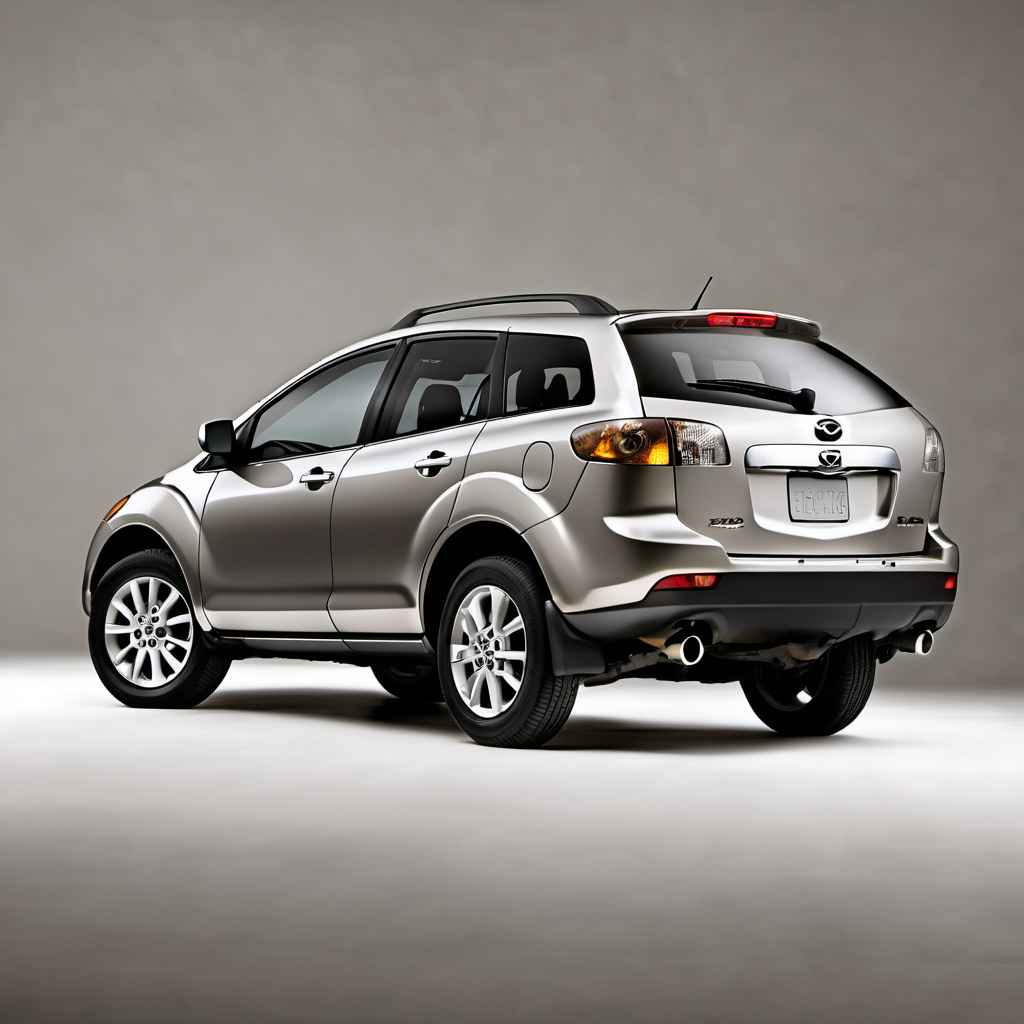
Similar size and price point, but the turbocharged engine in the CX-7 is significantly more maintenance-intensive and less reliable than the CR-V's K24. Choose the CR-V for lower long-term cost; CX-7 for a more spirited drive if you're willing to manage turbo upkeep.
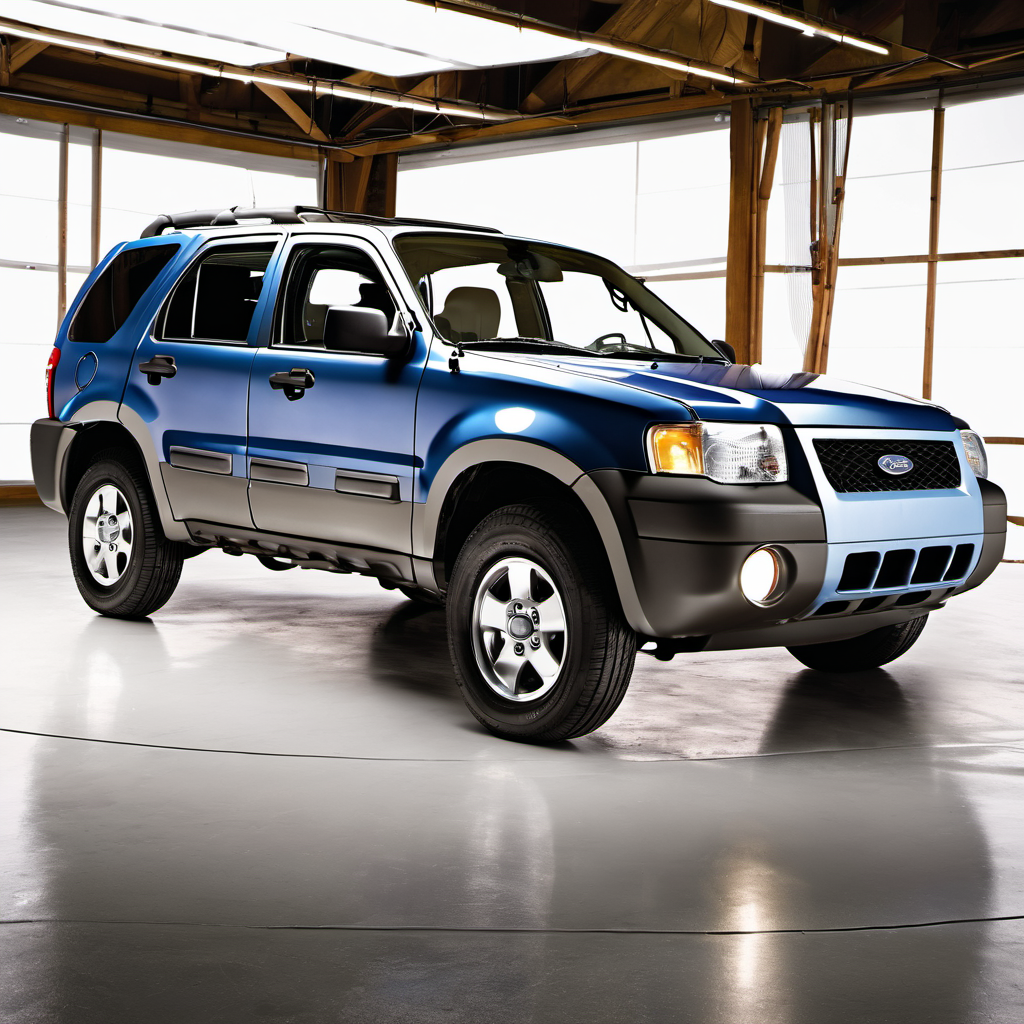
Comparable price and mission. The 2.3L four-cylinder Escape is a solid alternative, though long-term reliability and resale value trail the CR-V. Available in hybrid trim, which the CR-V was not in this generation.
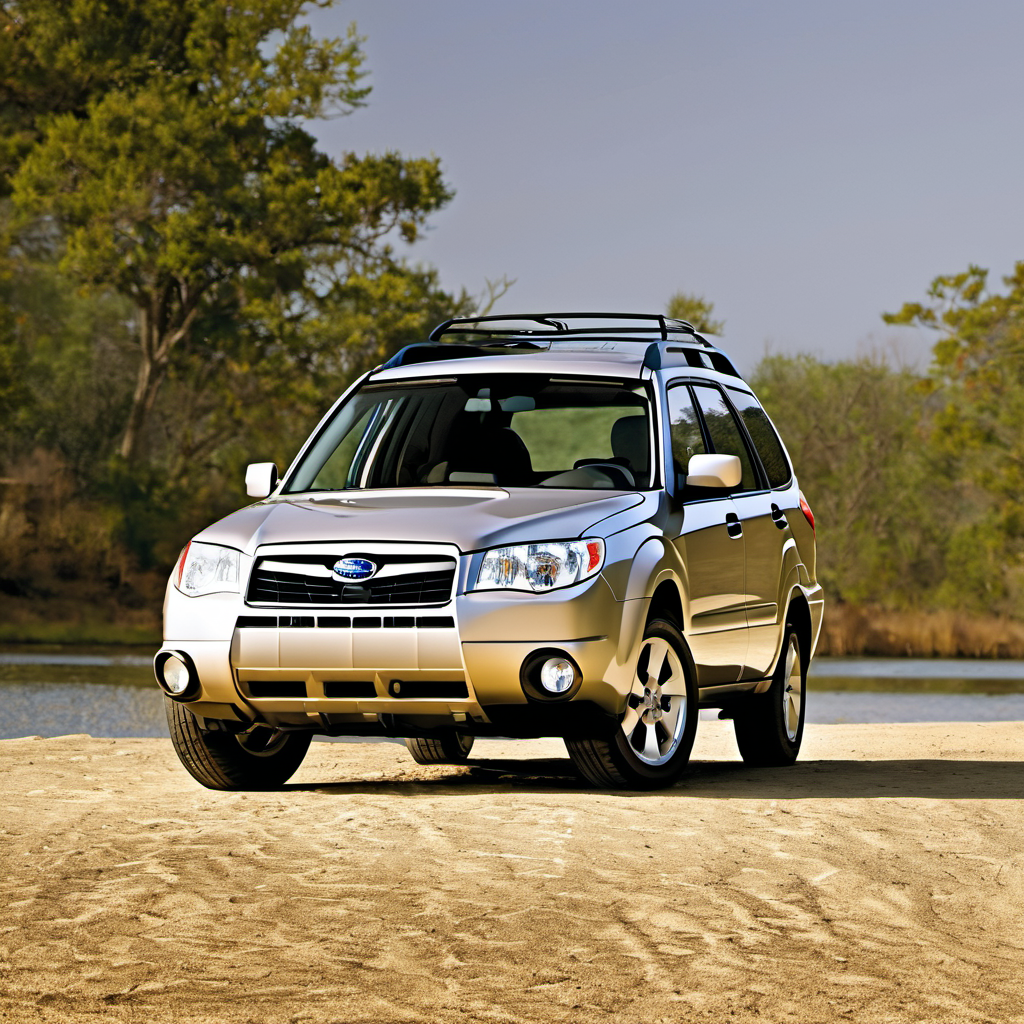
Standard AWD on all trims gives it a clear edge over the FWD CR-V in Wisconsin winter conditions. The EJ-series boxer engine is less refined and more prone to head gasket issues than the K24, but all-wheel-drive capability is a meaningful advantage for northern climate buyers.