VVT-i Oil Sludge / Camshaft Timing Failure
medium- Typically appears
- 80–150k mi
- Estimated repair
- $500 – $2,500
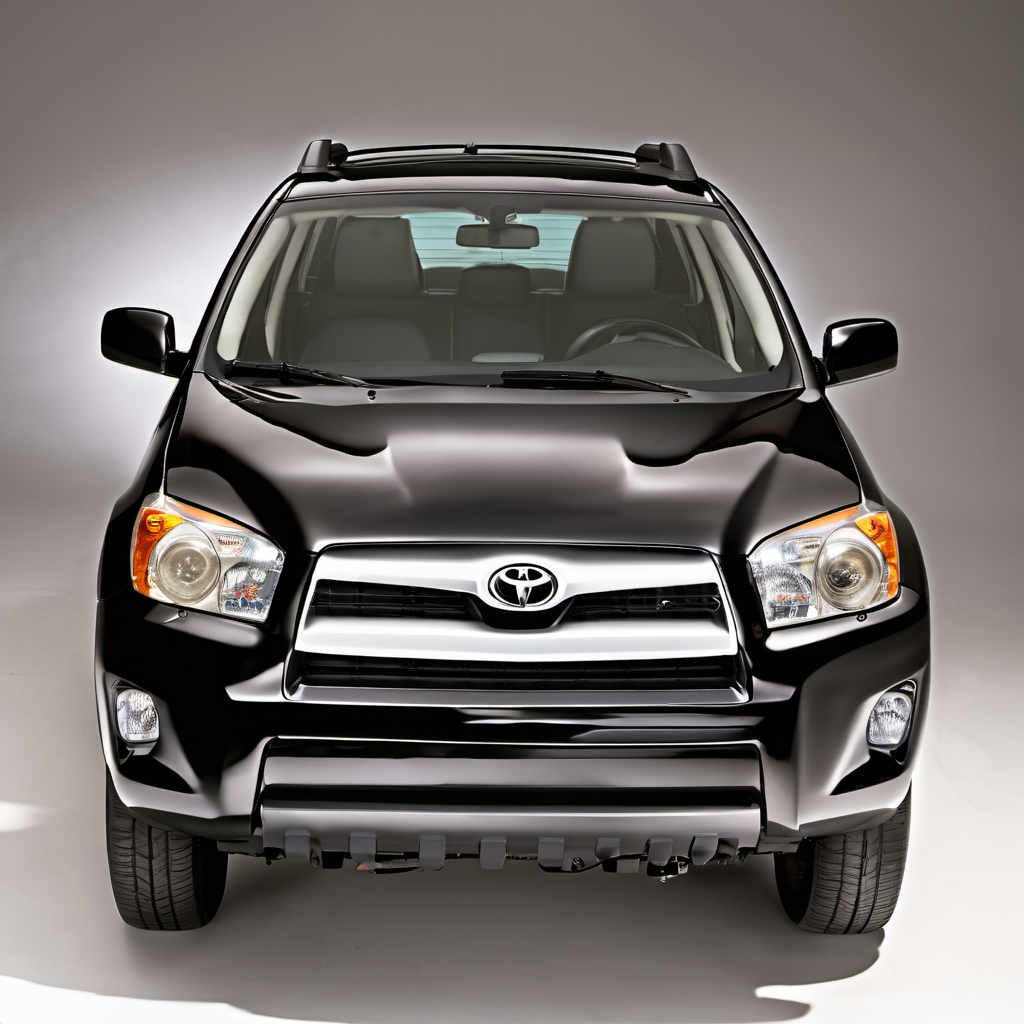
2007 Toyota
SUV
The 2007 Toyota RAV4 is the second year of the third-generation redesign that transformed the RAV4 from a compact soft-roader into a genuinely practical, mid-size crossover. Toyota stretched the wheelbase significantly over the previous generation, adding a full third row of seats (optional), a more powerful V6 option, and a much roomier interior. The 2.4L four-cylinder base model is the volume seller — smooth, adequate for daily driving, and returns solid fuel economy for its class. This generation RAV4 carries Toyota's well-earned reputation for durability. With basic maintenance, 200,000+ miles is achievable and common. The platform is mechanically straightforward, parts are widely available and affordable, and independent shops can service it without specialized equipment. The main watch-outs on this generation are VVT-i oil sludge (neglected oil changes kill the variable valve timing system), rear differential wear on AWD models, and the spare tire carrier on the tailgate rattling loose over time. None of these are deal-breakers — they're just the things to stay ahead of.
The 2007 Toyota RAV4 is the second year of the third-generation redesign that transformed the RAV4 from a compact soft-roader into a genuinely practical, mid-size crossover. Toyota stretched the wheelbase significantly over the previous generation, adding a full third row of seats (optional), a more powerful V6 option, and a much roomier interior. The 2.4L four-cylinder base model is the volume seller — smooth, adequate for daily driving, and returns solid fuel economy for its class. This generation RAV4 carries Toyota's well-earned reputation for durability. With basic maintenance, 200,000+ miles is achievable and common. The platform is mechanically straightforward, parts are widely available and affordable, and independent shops can service it without specialized equipment. The main watch-outs on this generation are VVT-i oil sludge (neglected oil changes kill the variable valve timing system), rear differential wear on AWD models, and the spare tire carrier on the tailgate rattling loose over time. None of these are deal-breakers — they're just the things to stay ahead of.
The VVT-i system is highly sensitive to dirty or degraded oil. This is the single most important maintenance item on this engine. Skipping or stretching intervals causes sludge that blocks oil passages and kills the variable valve timing actuator.
Toyota's long-life coolant degrades over time. Old coolant becomes acidic and attacks water pump seals and the radiator. This generation's cooling system is trouble-free when the coolant is kept fresh.
Toyota does not list this as a scheduled service item, but real-world experience shows the 4-speed automatic lives longer with fresh fluid. Use Toyota Type T-IV or equivalent — incorrect fluid causes harsh shifts.
The 2.4L runs iridium plugs from the factory. Worn plugs cause misfires, poor fuel economy, and can mask VVT-i timing issues. Replace on schedule.
Salt exposure accelerates steel brake line corrosion. Annual inspection catches rust early, when repair is cheap. Compromised brake lines are a safety emergency.
The belt drives the alternator, power steering pump, and A/C compressor. Cold Wisconsin winters harden rubber belts faster than warm climates. A snapped belt leaves you stranded.
Clean and grease the hinge and latch hardware each spring. If the bolts or carrier arm are starting to rust, treat them now — replacement parts and labor add up quickly once corrosion is advanced.
A clogged air filter robs the 2.4L of power and fuel economy. In dusty or high-pollen Midwest summers, inspect annually.
Always defer to the manufacturer's service manual for warranty-mandated intervals.
The 2007 RAV4 four-cylinder is one of the cheaper crossovers to own at this age. Parts are inexpensive, labor is straightforward at an independent shop, and the engine rarely needs major work when oil changes are kept up. The biggest cost surprises come from rust — brake lines, the spare tire carrier, and exhaust components are all vulnerable in the Wisconsin salt environment. Budget a little extra for undercarriage maintenance and you'll avoid the expensive surprises.
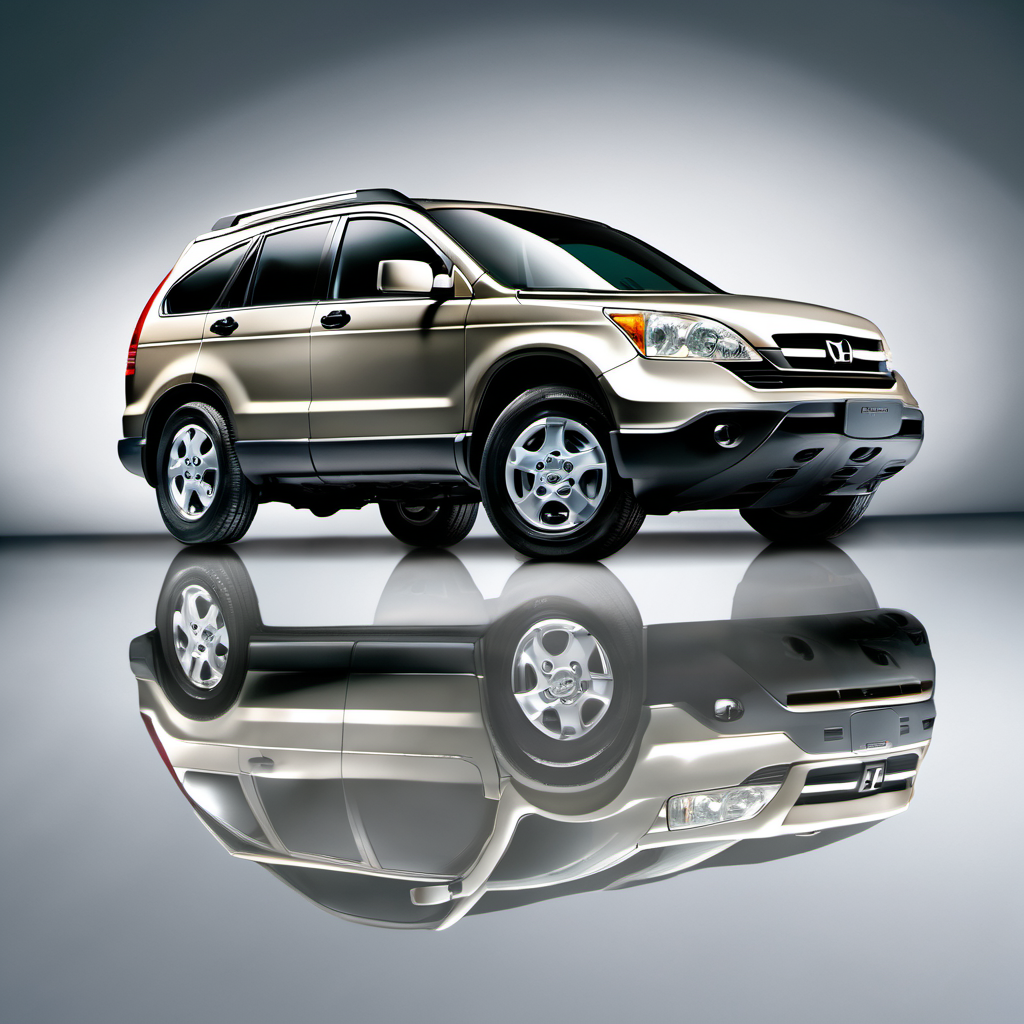
Near-identical footprint, similar reliability reputation, and the same target buyer. The CR-V's real-time AWD is a direct competitor to the RAV4's optional AWD. Slightly less cargo space but a comparable drivetrain and price point.
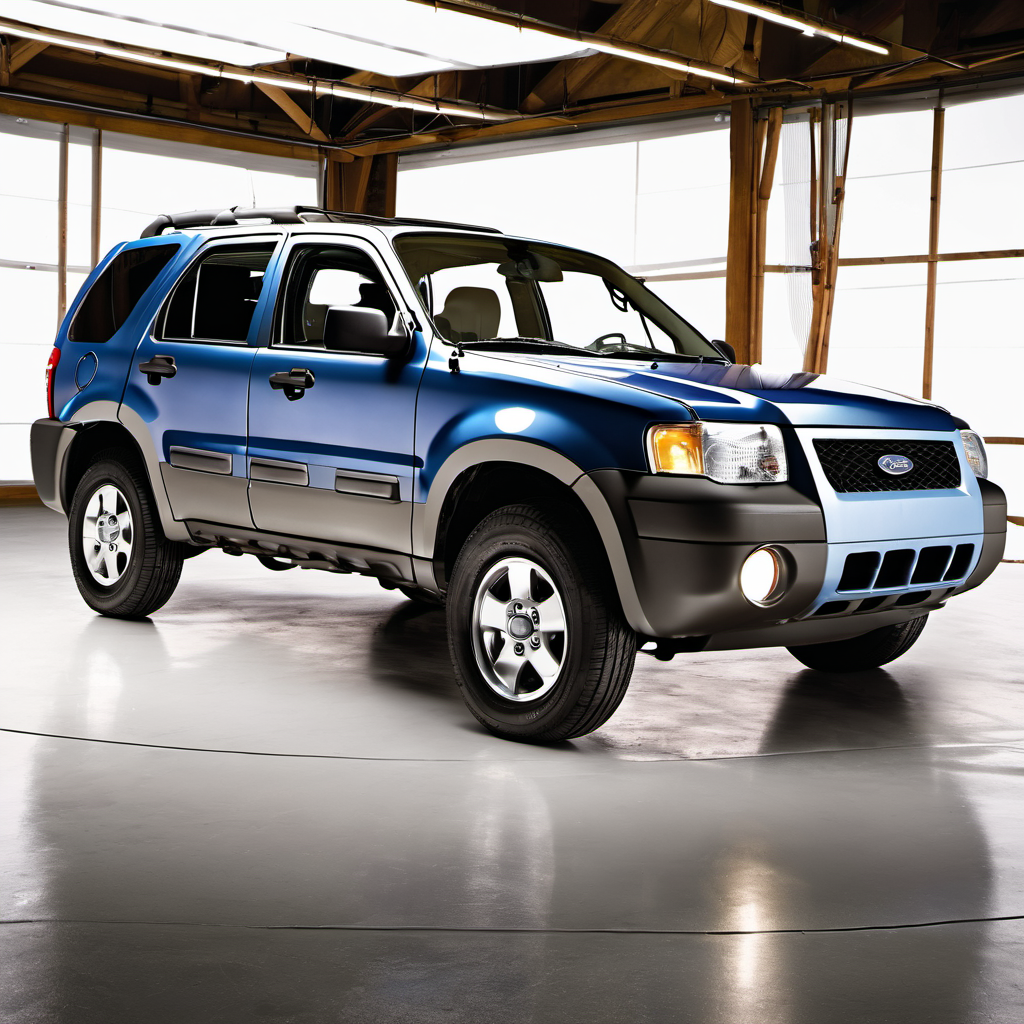
Same compact crossover segment at a lower used price. The Escape offers a V6 option and optional AWD. Reliability is below RAV4 standards — specifically the 3.0L V6 — but the 2.3L four-cylinder is a reasonable alternative.
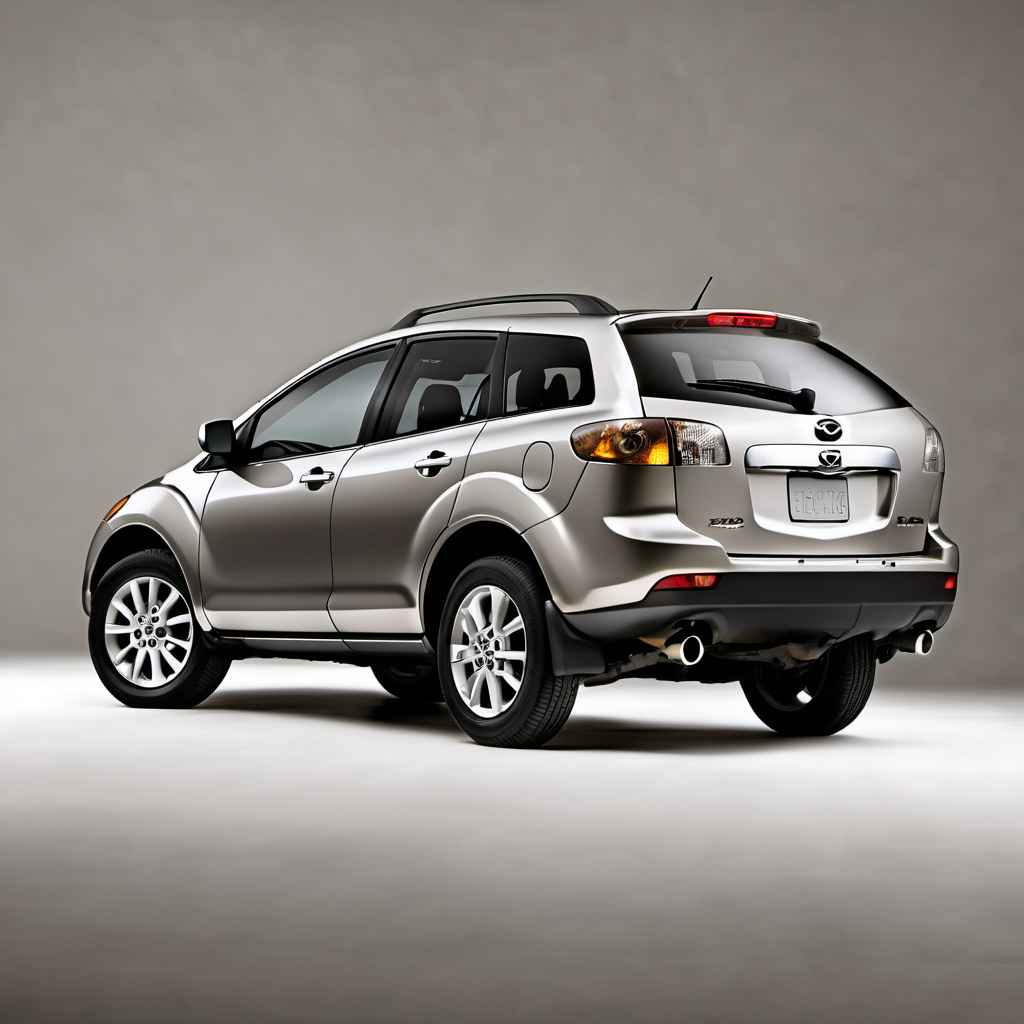
Shares the same segment and a similar price when new. The CX-7's turbocharged 2.3L makes it sportier, but that turbo is a known trouble spot at high mileage. The RAV4 is the more durable long-term choice; the CX-7 wins on driving feel.
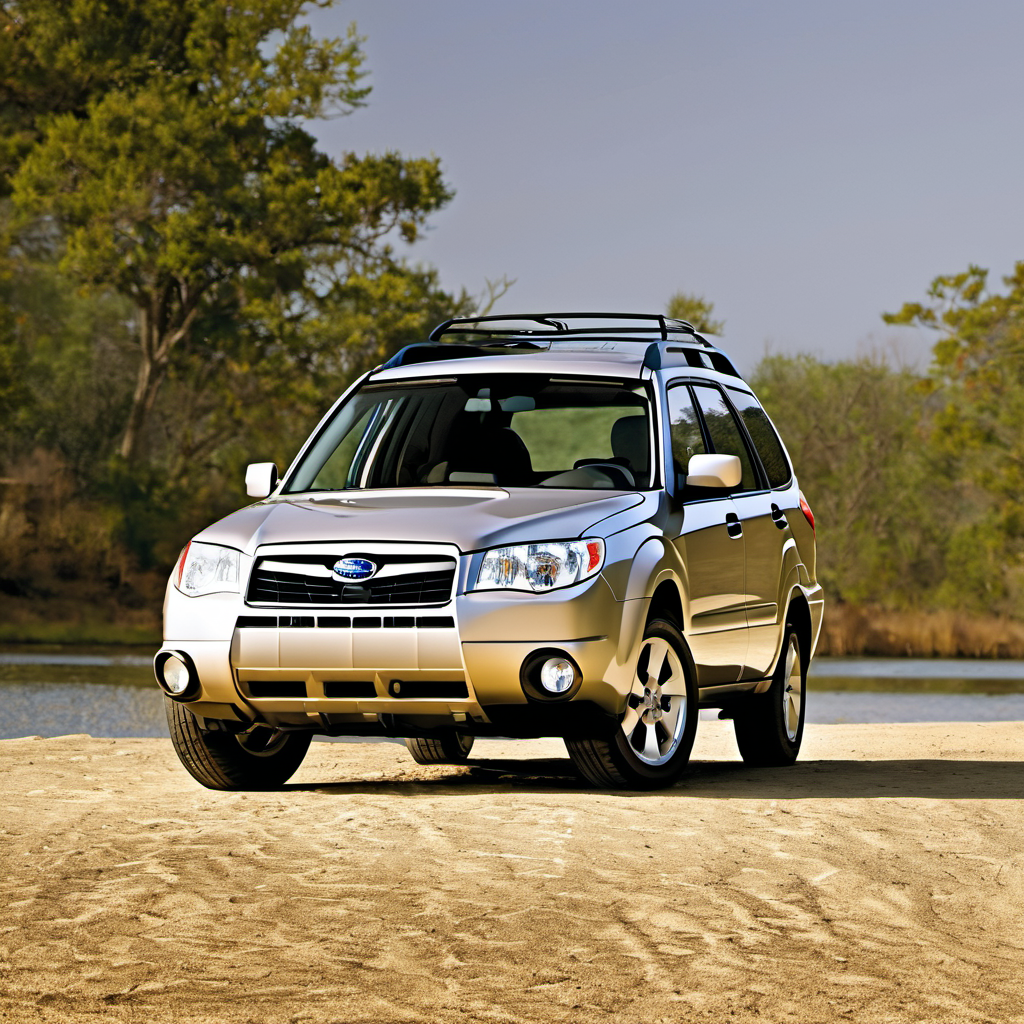
The Forester's standard full-time AWD is a meaningful advantage over the RAV4's optional on-demand AWD for Wisconsin winters. Similar price, similar reliability when head gaskets are maintained. A strong alternative if AWD is a priority.